VI
VI


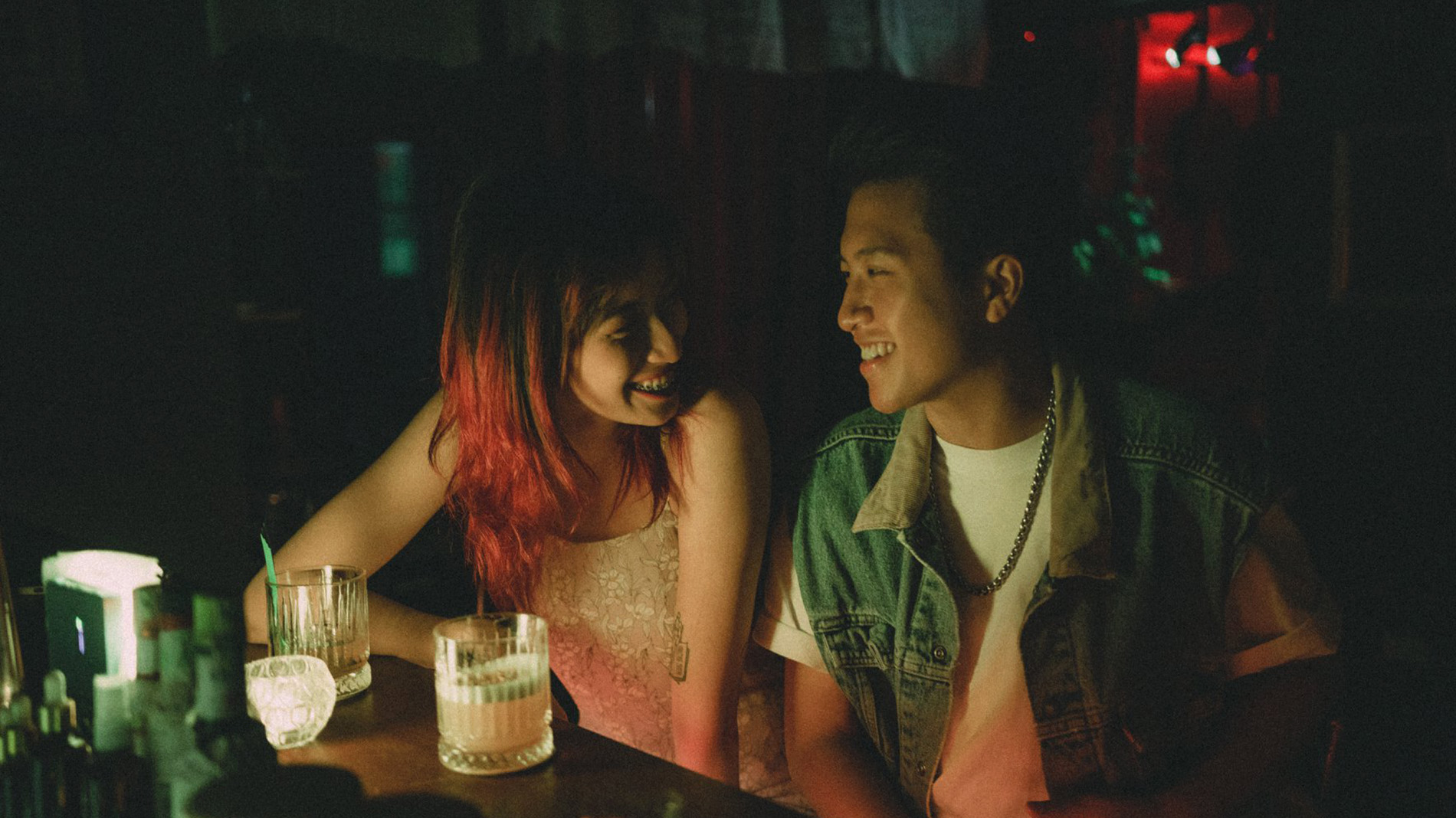
The new trend is temporarily "frozen".
Trung's The Man Cave, opened in Hanoi in 2018, is an ideal destination for adults passionate about cigars and whisky, as well as classic style. Located on the second floor of an old French villa at 6 Phan Dinh Phung Street – one of the capital's most famous romantic streets.
However, after being closed for five months due to the Covid-19 pandemic this year, the place is no longer as bustling as before. Customers have left in droves. The high rent and the cost of supporting staff who remain in the city are still weighing heavily on the owner.
"There were times when I thought about closing down, but I still have faith in the bar and the cocktail bar industry in Hanoi, so I kept trying to keep it going," Trung shared.
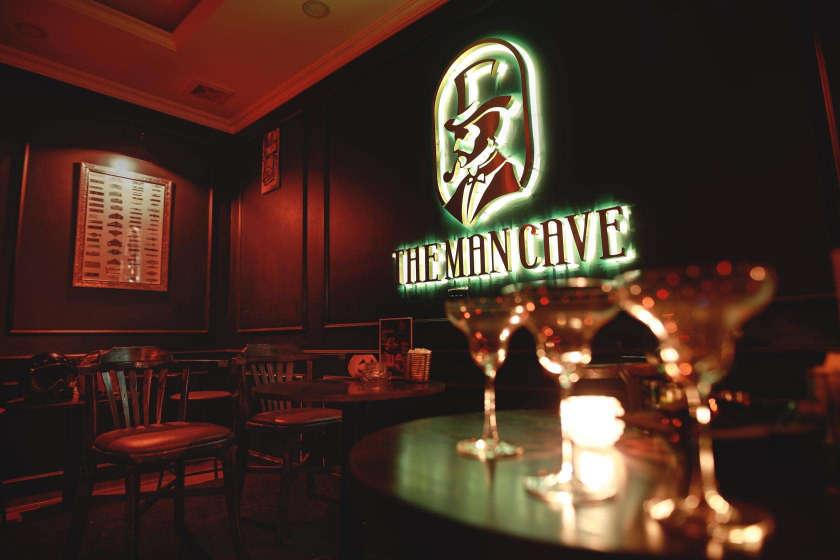
Photo: The Man Cave
Unlike clubs or pubs, cocktail bars are a new trend that gained popularity in Hanoi from late 2019 to early 2020. In cocktail bars, the space is usually not too crowded or noisy; instead, bartenders focus on mixing drinks and interacting with customers, while customers come to experience the drinks and the calm, relaxed atmosphere of the bar.
When Western cocktail bar culture "landed" in Hanoi and quickly attracted "alcohol enthusiasts"—especially those in their 30s and 40s—many cocktail bars opened in the Old Quarter and around West Lake. However, after the recent lockdowns, the cocktail bar industry in particular is facing significant difficulties. In Hanoi, there were over 40 cocktail bars in 2020, and currently, about 60% of them have closed permanently before being allowed to reopen.
For those establishments that choose to remain open, owners are still struggling to adapt to new customer demands. They haven't yet developed effective strategies to address potential future risks.
Takeaway is not a real solution.
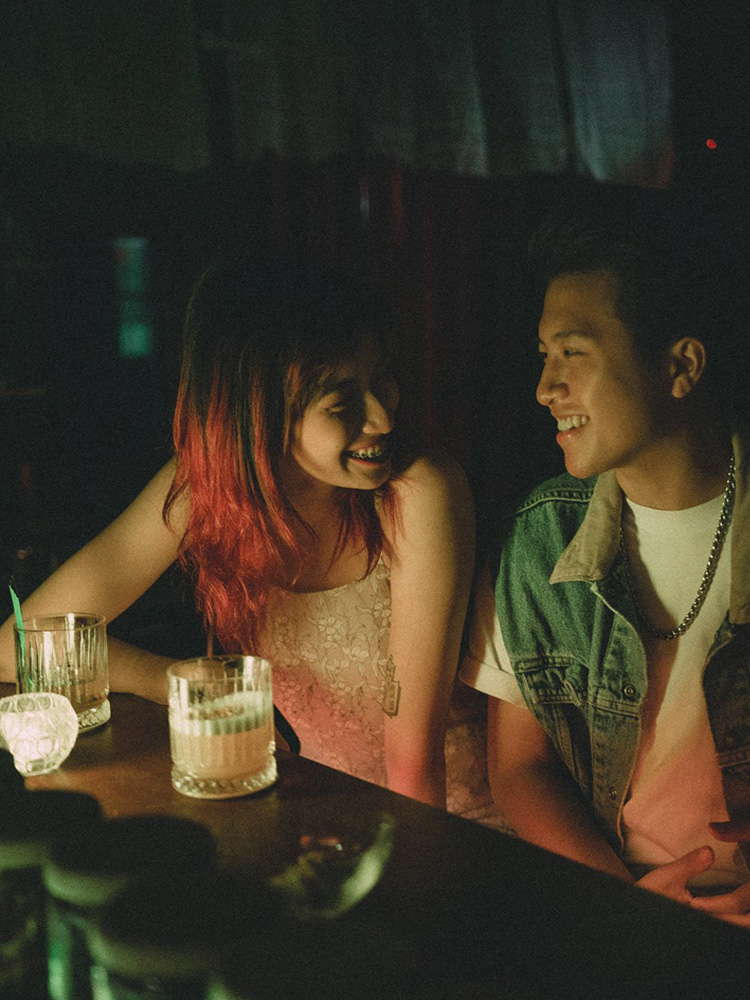
Duong's 9luv Cocktail Bar has been nestled among secondhand electrical shops on Ngo Tram street since late 2020. Lacking a prime location, the bar opted for a more conventional model.SpeakEasy Bar- Customers come to the restaurant through word-of-mouth.

“Initially, 9luv Cocktail Bar was a romantic place, exclusively for couples. After a while, I realized that the love the team brings extends far beyond that. The bar has become a place for young people looking for a little intoxication to temporarily forget the hustle and bustle of city life,” Duong shared proudly.
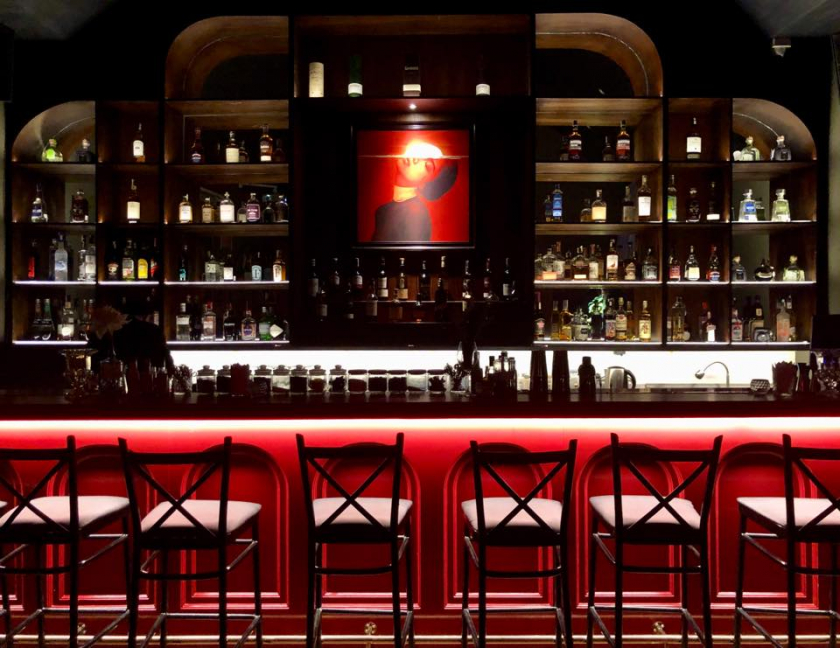
Photo: 9luv Cocktail & Wine Bar
Currently, Duong works in Nam Dinh and manages his bar remotely because he cannot travel between provinces. Duong's main profession is a civil servant; opening a bar stems from a long-held passion.
Duong's restaurant started operating with an initial investment of nearly 2 billion VND. From May 2021 until now, the restaurant has not been able to open to customers, and the investment is gradually running out.
Fortunately, the landlord did not charge rent during the lockdown. However, with no income, Duong was forced to cut the staff in half, from 8 to 4 people, and provide partial salary support to the remaining staff during the lockdown.
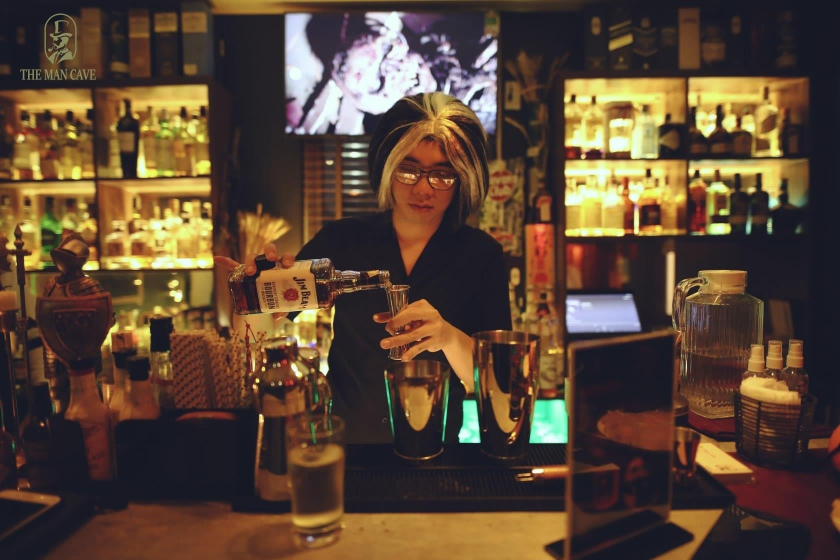
Photo: The Man Cave
The Man Cave also covered the salary costs for its staff during the five months of closure. “During the lockdown, I also offered a takeaway liquor service, which wasn’t very profitable, but it still provided some income to support the staff,” Trung shared. “Because The Man Cave provided staff support during the pandemic, we still have enough staff to operate normally when the quán reopens.”
Despite its widespread introduction in recent times, the take-away format has not generated significant revenue for the bar industry. Customers can choose to take their drinks away, but clearly, the square bottles of liquor cannot provide the full emotional and immersive experience. A bar is a place where sitting, sipping drinks, enjoying music, and appreciating the atmosphere are the most important elements.
“Customers who come to my bar always chat like friends. They appreciate the bartender, the owner, and the family-like atmosphere here. I tried selling takeout but it didn't work out, so I gave up,” Duong shared, explaining why 9luv Cocktail Bar switched to a takeaway model to adapt to the pandemic.
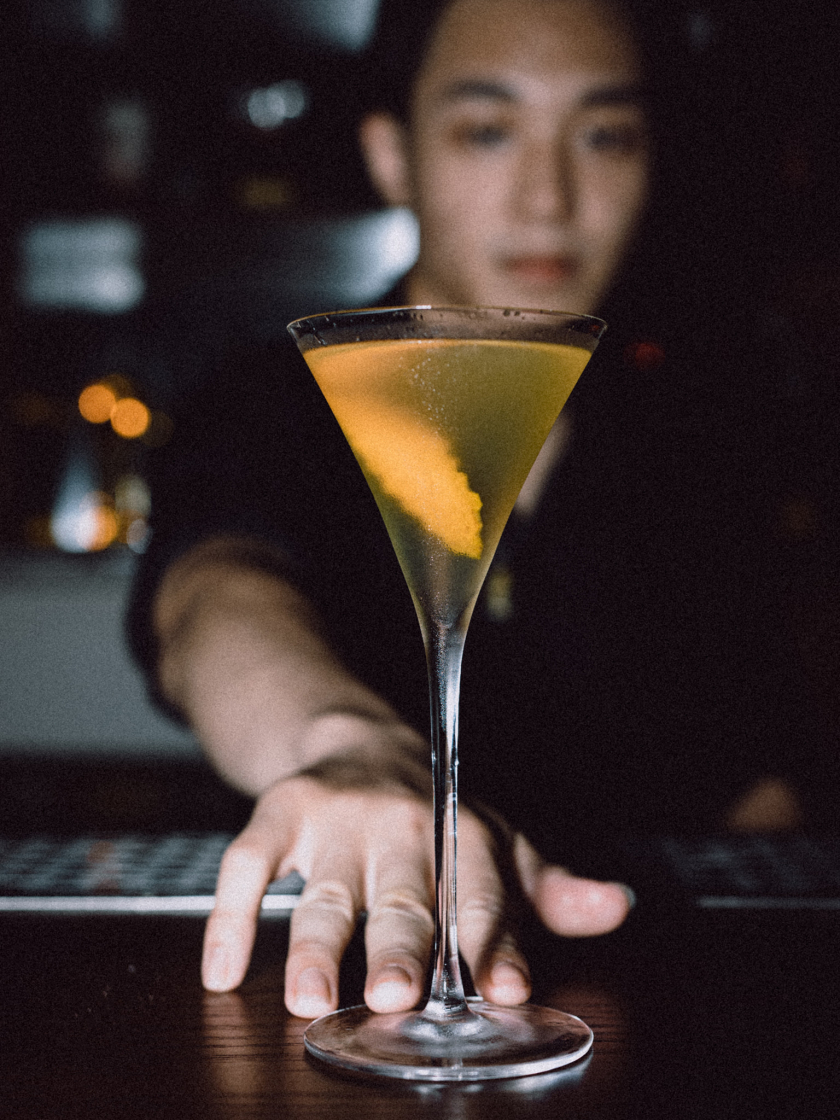
Photo: 9luv Cocktail & Wine Bar
According to the General Statistics Office, in the second quarter of 2021, 12.8 million people aged 15 and over nationwide were affected by the pandemic (including those who lost their jobs, had to take temporary leave/rotating leave, reduced working hours, or reduced income). Many workers have quit their jobs and returned to their hometowns to avoid the pandemic; they are unlikely to return due to concerns about the disease and other personal difficulties they have experienced.
There is a significant shortage of personnel in the service industry. While hotels and tourism services can replace some staff with online services, bars seem unable to do so. Bars need bartenders – young, enthusiastic individuals who can work in a nighttime environment and will require months of rigorous training – in order to resume stable operations once the pandemic subsides.
What motivates them to continue?
"Currently, after the lockdown period, what worries me most is that people's consumption habits will change, and the restaurant will have to introduce programs and make changes to adapt," Trung added.
On Vietnamese Women's Day, October 20th, The Man Cave officially reopened but only served 50% of its usual capacity to ensure safety. All staff at The Man Cave have received the full COVID-19 vaccine and wear masks and gloves while serving customers; customers are also required to scan a QR code for the bar to track their information. Despite the challenges, bar owners like Trung choose to stay because they still have passion and enthusiasm, and believe that the cocktail bar industry will eventually revive.
“I have a perspective that whatever job or hobby comes my way and I pursue it, it's a matter of fate. Cocktail bars are a breath of fresh air in Hanoi, and only in recent years have people gradually begun to understand and define them correctly. Cocktail bars are suitable for many age groups; everyone can experience them, and from there, bar owners can reach more people, experience more worldviews, and help people connect with each other more.”
“I don’t focus too much on the destination; the journey is what brings happiness. Now is the perfect time to start again. During the ‘lockdown,’ I regularly sent handwritten greetings to customers, and everyone is very excited to be back at the cafe.”
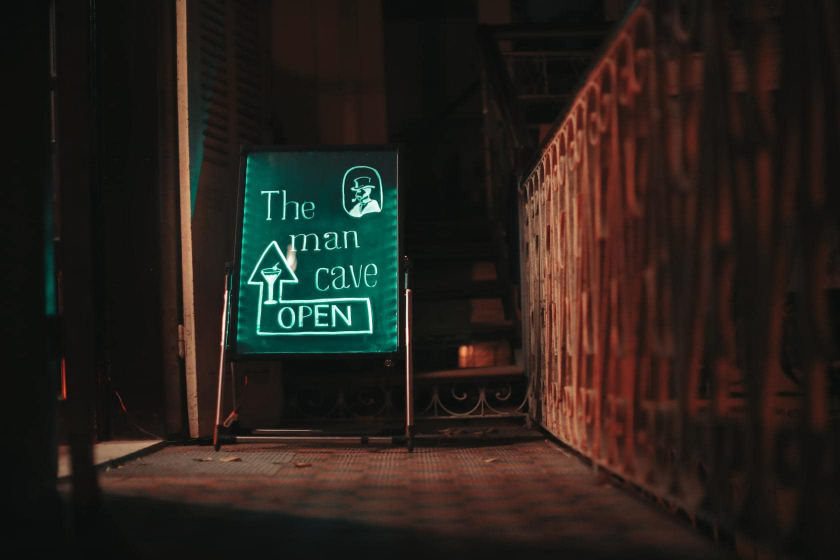
Photo: The Man Cave
In conclusion
In late November 2020, the "Hanoi Midnight Sale" event was a resounding success, with a 110%-213% increase in visitors to shopping malls and a 200%-314.7% increase in revenue. This event served as a major impetus for individuals and businesses to participate in the night-time economy model.
Before the Covid-19 pandemic, Hanoi had already begun to capitalize on its advantages to develop a night-time economy, with the bar industry playing a significant role. However, by leaving bars and service providers to fend for themselves during the pandemic, will this jeopardize opportunities for growth in this economic model?