VI
VI


Time
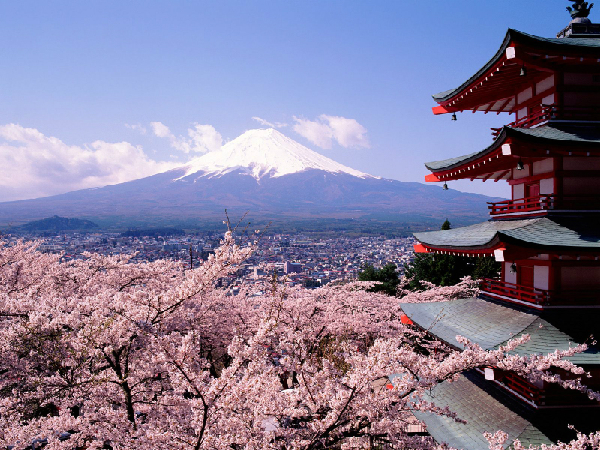
If you enjoy cherry blossoms, you should visit in spring. From March to April, cherry blossoms bloom beautifully in parks and temples. You also have the chance to see camellias, irises, lotus flowers, and mustard plants. Many festivals are held throughout the country during this season. In summer, the whole of Japan turns green, from the green of cherry trees, maple leaves, oak trees, to rows of pine trees. Japan becomes lively and bustling with festivals and the "Bon odori" dance.
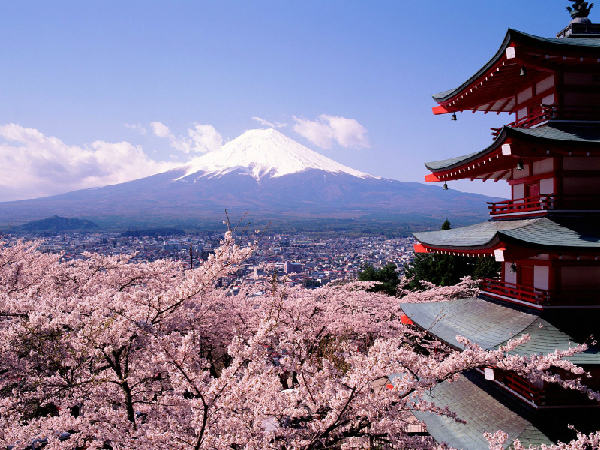
Cherry blossoms display their vibrant colors in spring. Photo: sakura
In autumn, the leaves turn yellow and red everywhere, creating a stunning natural landscape. You'll get to admire carpets of trees dyed a vibrant yellow on the mountain slopes. If you enjoy skiing, come here in winter. You can admire giant snow and ice sculptures and participate in rural events and customs.
Means of transportation
Japan boasts one of the world's most developed transportation systems. With approximately 90 airports serving both domestic and international flights, air travel is very easy and convenient. However, visitors to Japan should consider traveling by high-speed train, as almost all destinations have rail connections. Traveling around Japan is particularly convenient with a JR Pass, especially the "7-day JR Pass." This allows unlimited travel across Japan by JR train for 7 days at a price of over 28,000 yen (approximately 5-6 million VND).
Subway lines are readily available in all major cities and provide fast, daily transportation. In Tokyo, JR passes start from 130 yen (approximately 26,000 VND). Most stations have automatic ticket vending machines. In cities, buses and taxis operate continuously throughout the day. However, this can be somewhat challenging for those who don't speak Japanese.
Tourist attractions
Temples are a must-see when you visit this country. Magnificent temples showcasing unique and elegant architecture can be found throughout the land. Even in large, bustling cities like Tokyo and Osaka, there are peaceful Shinto shrines nestled among lush greenery.

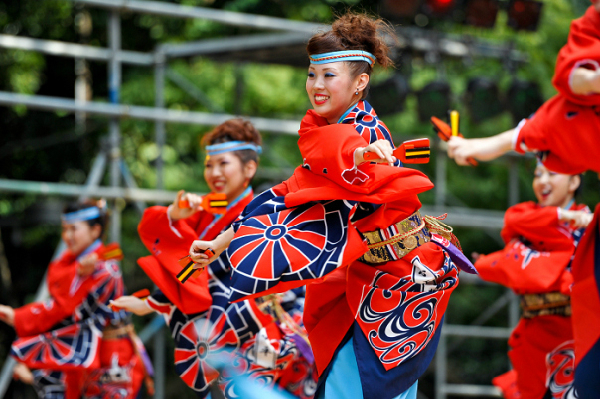
The colorful Yosakoi festival in Japan. Photo: wordpress
Japanese gardens are world-renowned for their exquisite recreation of nature's beauty. Sitting on the temple porch and letting your mind wander while gazing at the garden is the best way to clear your mind and enjoy moments of tranquility.
Visiting the countryside in rural areas is a very enjoyable experience. Just a few hours' drive or train ride from a major city like Tokyo will take you to peaceful rural areas.
Matsushima is one of Japan's three most famous scenic spots, a picturesque place with 260 small islands scattered across the bay.
Mount Fuji: This majestic peak is perhaps the most coveted "must-see" destination for any traveler visiting Japan.
Eat and drink
Japan boasts some of the world's most exquisite and sophisticated cuisine. Explore the areas around any subway or train station to discover the diversity of Japanese culinary culture. An ideal place to find reasonably priced food is in large department stores, where entire floors are often dedicated to various restaurants.
You can enjoy famous Japanese dishes like Sukiyaki, a dish prepared right at your table by cooking thinly sliced beef with various vegetables, tofu, and glass noodles. And don't miss Kaiseki Ryori, considered the quintessential Japanese cuisine. This dish uses mainly seasonal ingredients including vegetables, fish with seaweed, and mushrooms, giving it a very distinctive flavor.
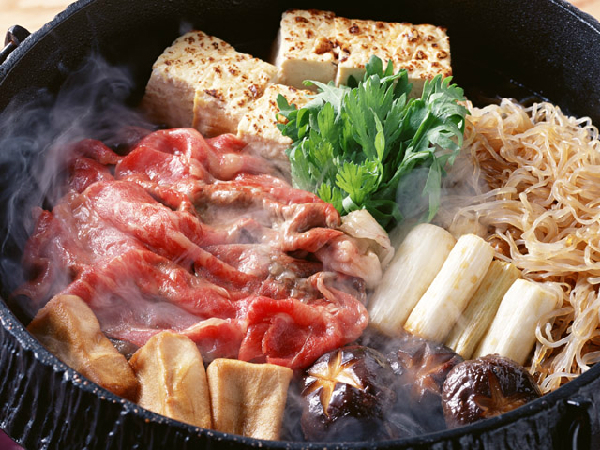
Sukiyaki, a Japanese dish. Photo: sanbiki-restaurant
Accommodation
All major Japanese cities have many Western-style hotels where staff speak English. However, during peak season, it's advisable to book in advance.
For a truly authentic feudal-style vacation, you shouldn't miss a night at a Ryokan, a traditional Japanese inn. Rooms are typically large, open-plan rooms with tatami mat flooring and only a low table as furniture. The doors are sliding panels made of leaves and paper to soften the light. Guests rest on a futon that is laid out at the end of the day.
If you want to save money, consider Minshuku. These are private hostels where the rooms are part of the owner's house. Therefore, the amenities at Minshuku hostels are very basic, and the price is around 1.5 million yen.
Shopping
100-yen stores (approximately 20,000 VND) are increasingly numerous. A wide range of items, from food to everyday necessities, are sold for 100 yen. You can also find and buy small souvenirs at these stores near train stations and shopping areas.
For electronics, you should visit Akihabara in Tokyo. There you'll find a wide variety of novel and unique home electronics.
Retailers in Japan, especially department stores, typically hold large-scale sales twice a year. Seasonal items such as clothing and other goods are often discounted by 30-50%. Sales are usually held in January and July.