VI
VI


For food lovers, a trip to South Korea wouldn't be complete without bringing back some local specialties as souvenirs. However, with so many tempting options, choosing a gift that is refined, unique, and truly embodies the flavors of Korea can be a significant challenge. How can you ensure that the gift is not just a memento but also an authentic culinary experience, allowing the recipient to fully appreciate the distinctive culinary culture?
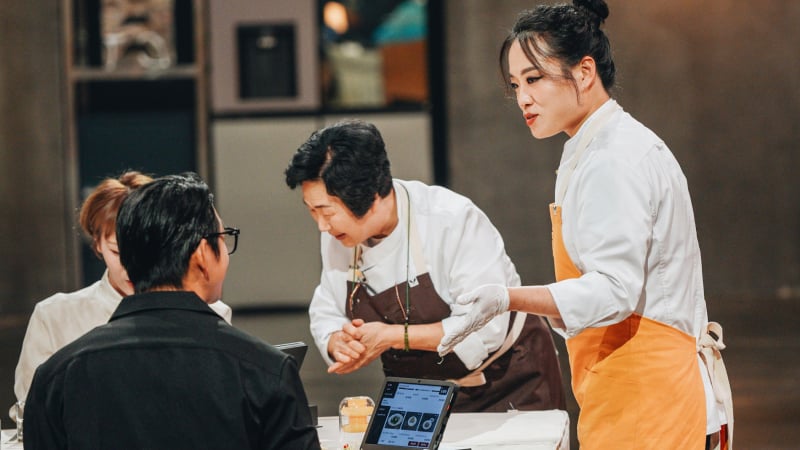
To answer this question, the prestigious Korea Times conducted a special survey, seeking out masters of the culinary arts – professional chefs who are deeply involved in and dedicated to Korean cuisine. With their experience and in-depth understanding of ingredients, cooking methods, and local culinary culture, they are the ones who can offer the most valuable advice.
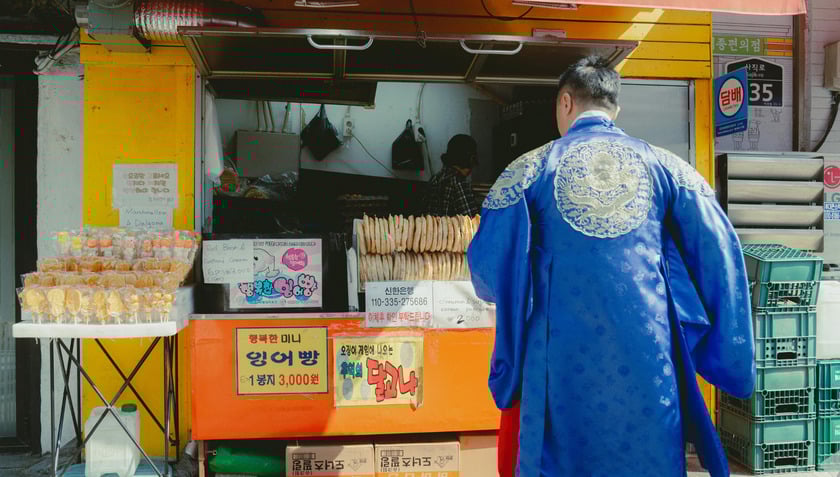
The Korea Times consulted professional chefs working in South Korea to find the most impressive dishes, ingredients, and shopping locations.
Discover the soul of Vietnamese cuisine at traditional markets.
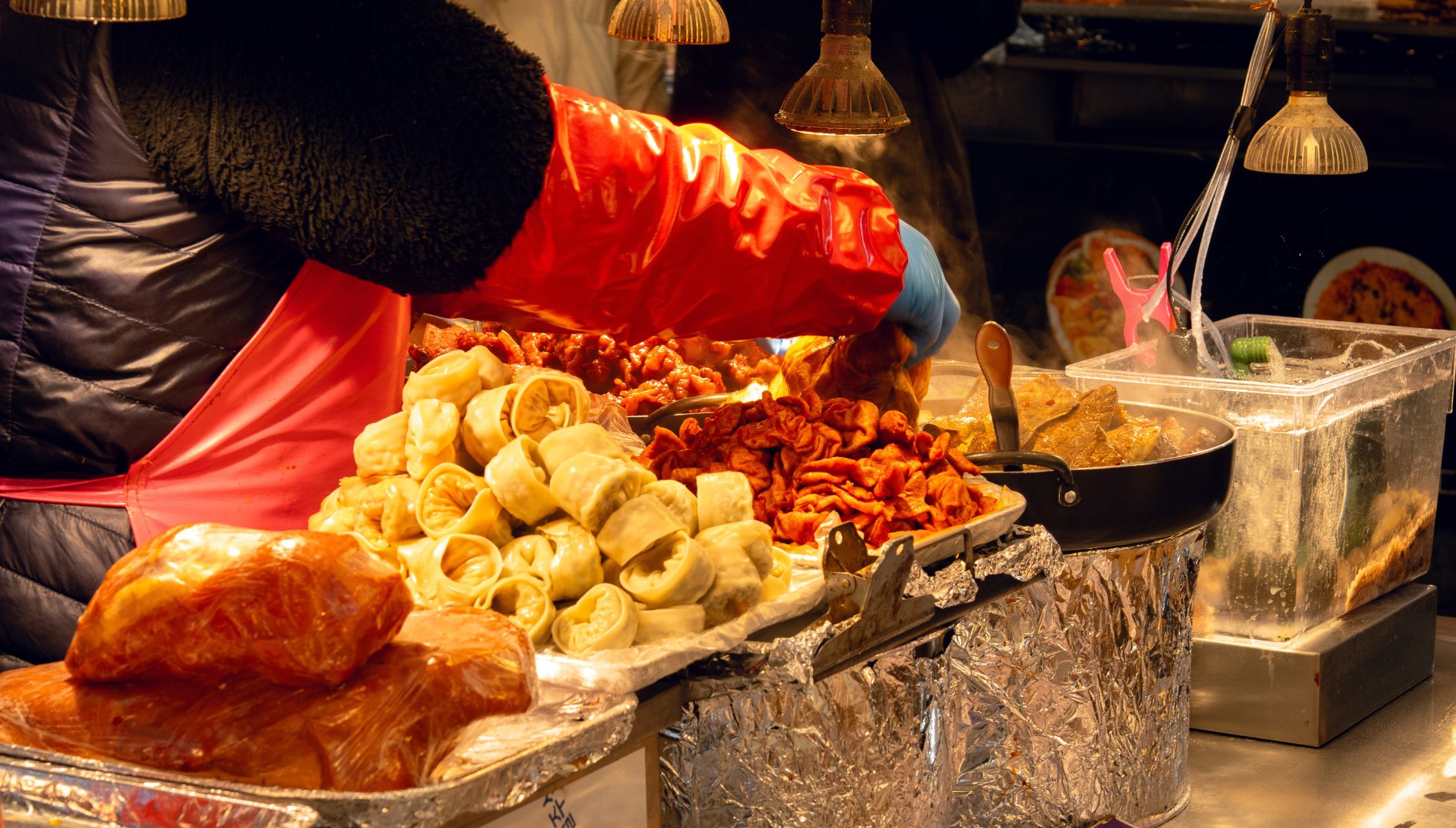
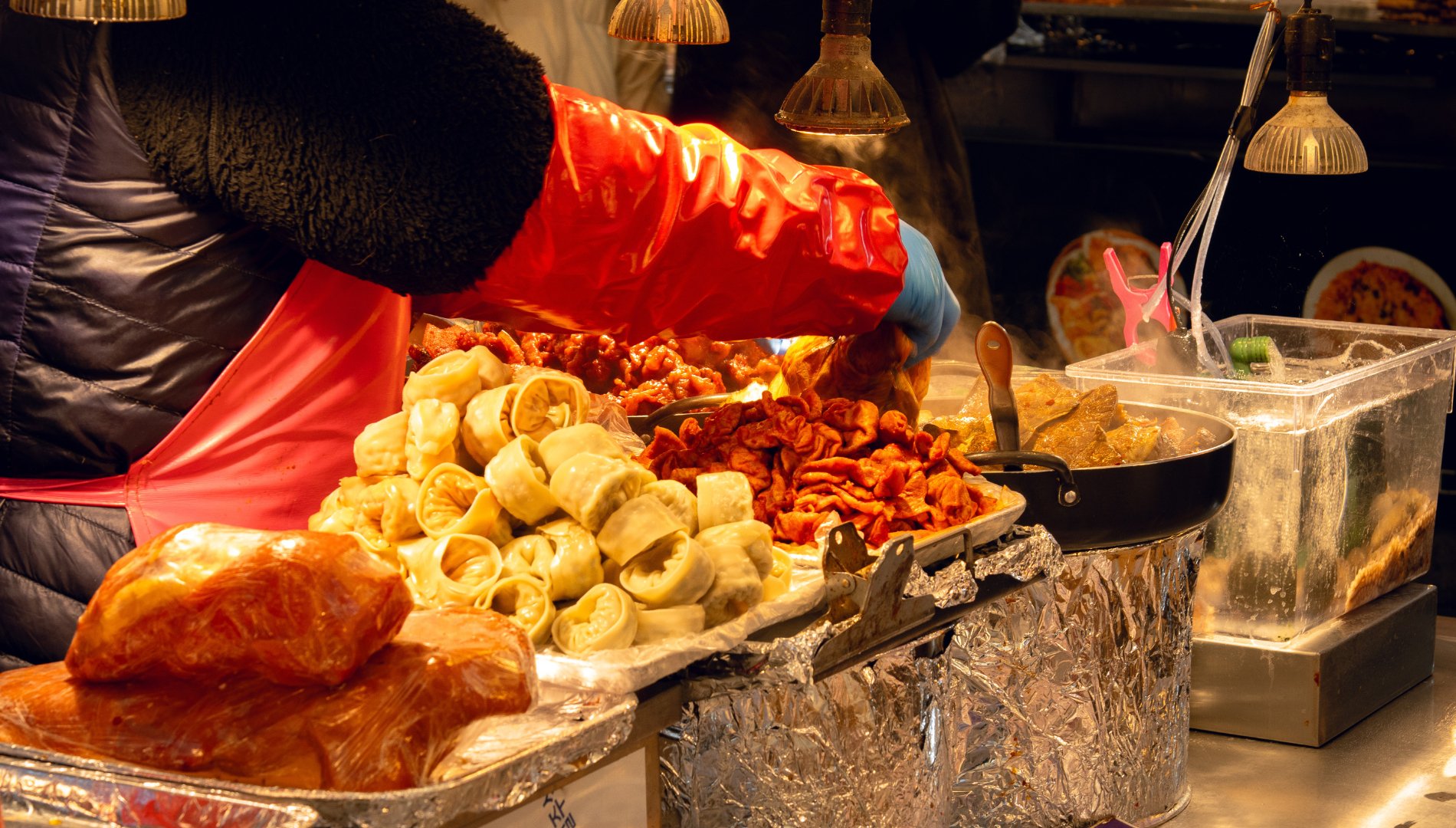
While convenience stores offer speed and a wide variety of packaged products, it is the traditional markets that truly capture the soul and rhythm of Korean culinary life.
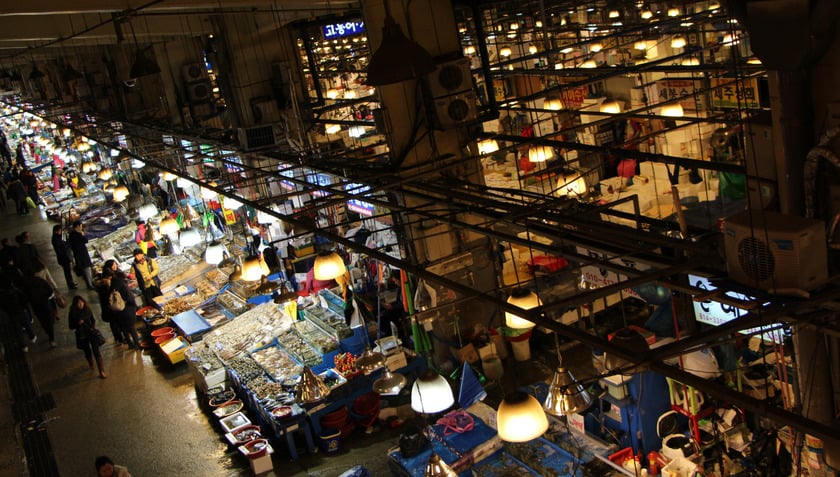
Traditional markets are where the true soul of Korean cuisine is showcased.
Chef Joseph Lidgerwood, owner of the prestigious Michelin-starred Evett restaurant, told the Korea Times: "Gyeongdong Market is my favorite place. Here, I can clearly feel the seasonality of each ingredient and find countless unique dried foods that are hard to find anywhere else." Lidgerwood frequently brings international friends and colleagues to this market whenever he visits Seoul, because Gyeongdong Market, located in Dongdaemun District, is famous for its grains, beans, medicinal roots, and dried specialties – ideal souvenirs to bring home without worrying about preservation issues.
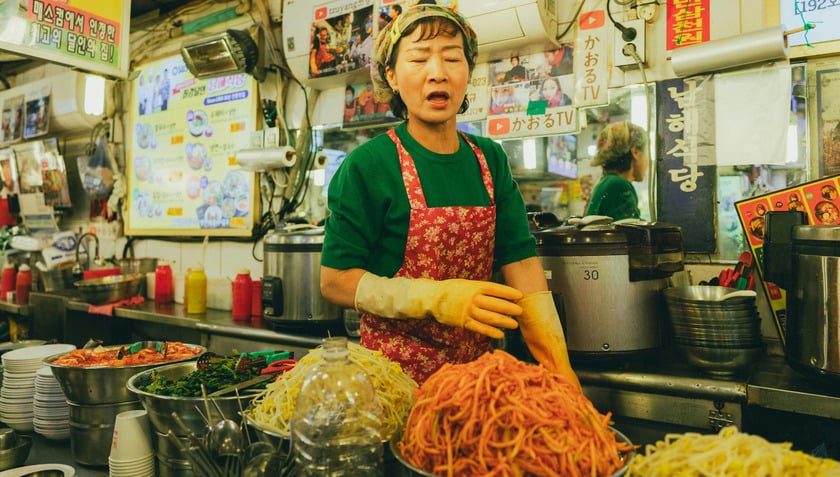
Here, buyers can clearly see the seasonality of the ingredients and find countless unique dried food products.
Traditional markets are not only home to dried goods, but also a treasure trove of fresh, seasonal ingredients. Italian chef Annamaria Bortolato, owner of the Perbacco bar, shares her passion: "I regularly go to the market to hunt for new ingredients like dallae (chicken) or namul (seasonal wild vegetables)."
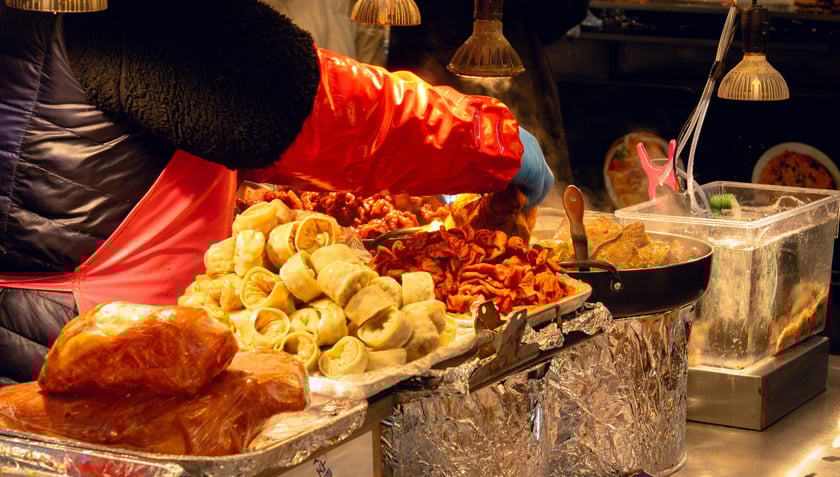
It would be a shame not to visit Korea's traditional markets at least once.
The abundance of these seasonal vegetables has even inspired international chefs. Chef Scott French, owner of Spill Out pizza restaurant, boldly incorporated dallae into his special spring pizza, creating a unique and novel flavor. French emphasizes that namul is an integral part of Korean cuisine, clearly demonstrating the culture of "eating according to season" and a deep connection with nature.

Fermented spices - Spices of Korean meals
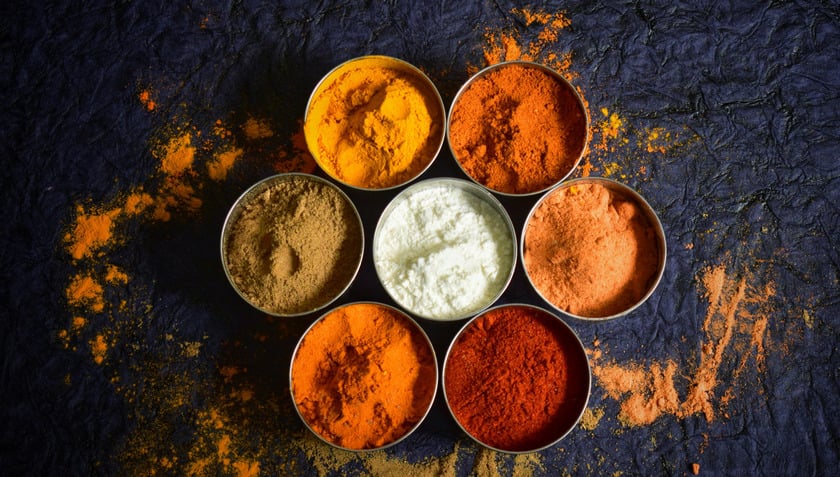
When talking about Korean cuisine, it's impossible not to mention "jang"—the characteristic trio of fermented seasonings that have become the soul of every meal: doenjang (soybean paste), ganjang (soy sauce), and gochujang (chili paste). These are not only gifts with deep cultural significance but also highly versatile, easily incorporated into many dishes in international cuisine.
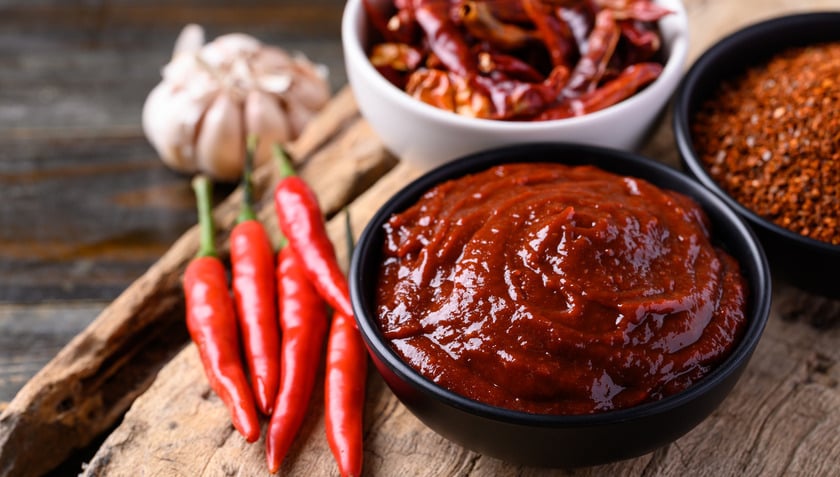
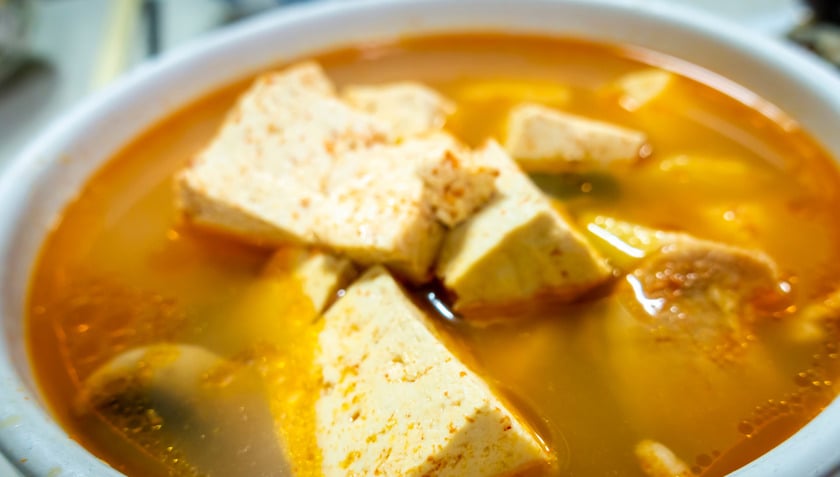
Culinary professor Francesco Ghilardi from Woosong University expressed his fascination: "I am fascinated by the diversity and depth of flavor of the different types of jang. They can magically combine with many dishes around the world, from Asian to European cuisine." Chef Bortolato is also experimenting with using doenjang to marinate seafood and vegetables, opening up limitless creative possibilities. Meanwhile, Chef Lidgerwood often buys doenjang to give to vegetarian friends because it is completely vegan and very nutritious, suitable for many diets.
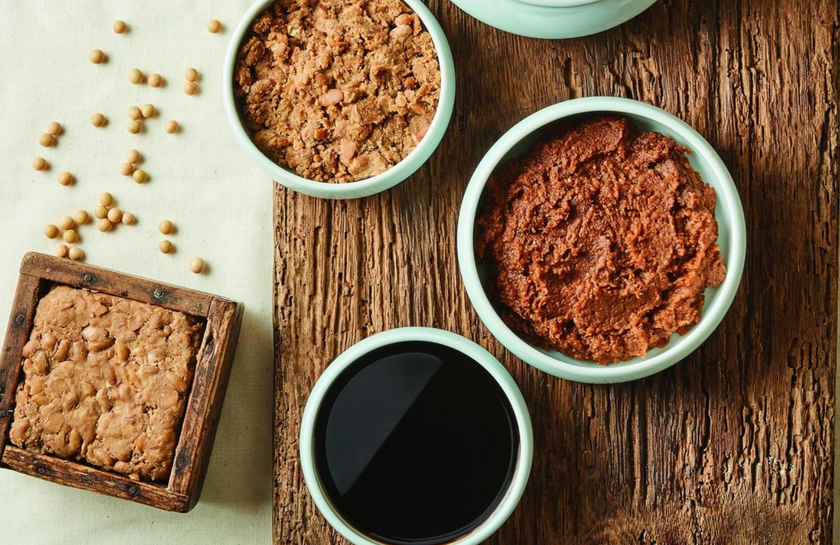
A signature fermented seasoning of the land of kimchi.
At large markets like Gwangjang Market, visitors can easily sample different types of jang before deciding to buy. Ms. Kwon Young-ja, a long-time vendor at the market, shared her experience: "We provide tasting spoons or toothpicks for foreign customers to try. Everyone has their own taste, and how can you know what suits you without trying?" This creates a friendly and personalized shopping experience, helping visitors find the jang they like best.
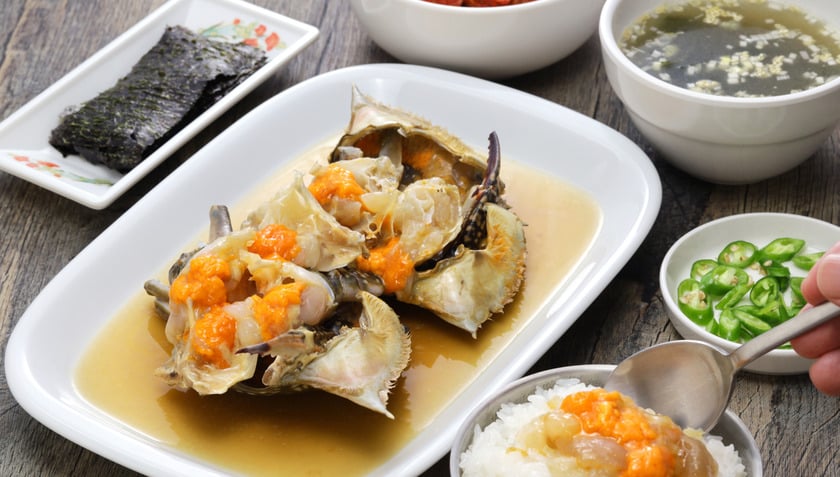
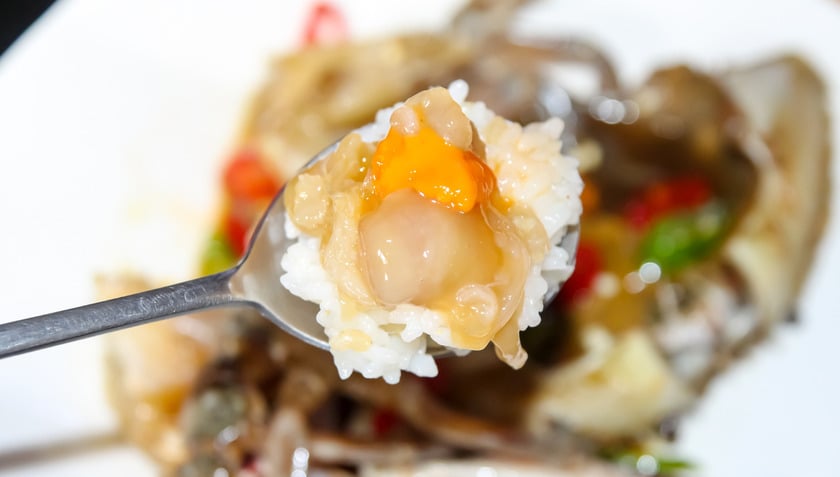
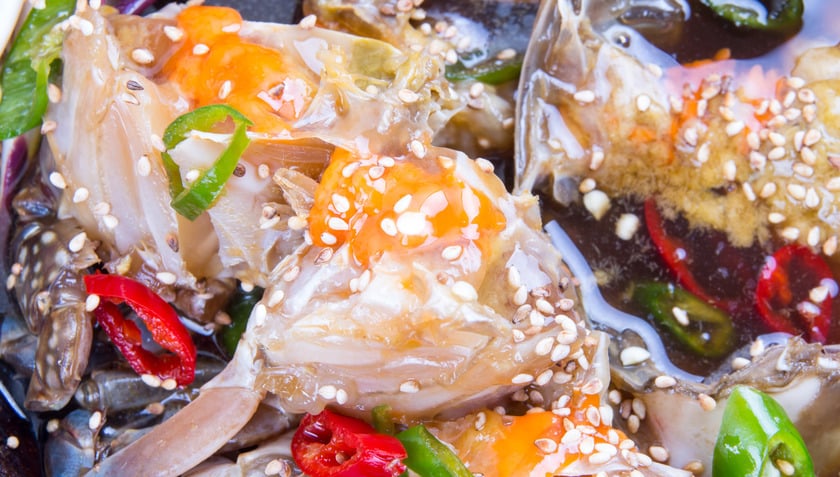
While various types of jang are excellent choices, if not for preservation or packaging constraints, chefs have one dish they "wish they could bring home": ganjang gejang – raw crab marinated in soy sauce. "Nothing is more addictive than ganjang gejang. But it's so hard to find outside of Korea. I wish there was a travel version," chef Lidgerwood lamented, highlighting the irresistible appeal of this unique dish.
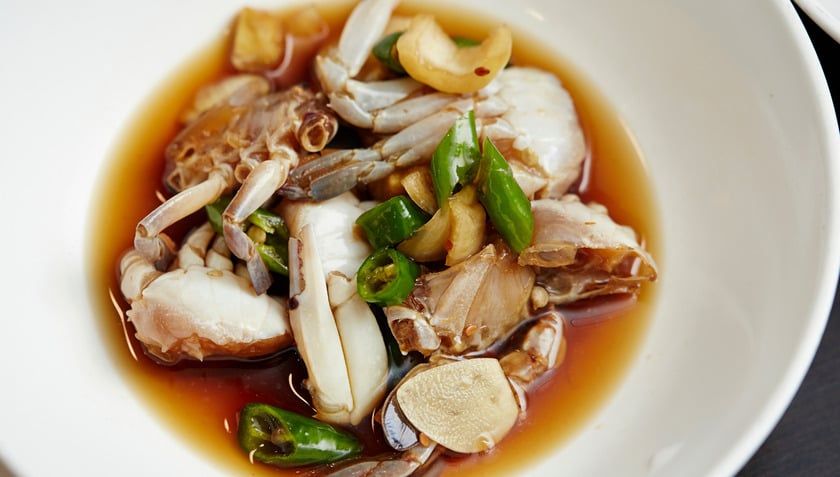
Special dishes recommended by experts to diners.
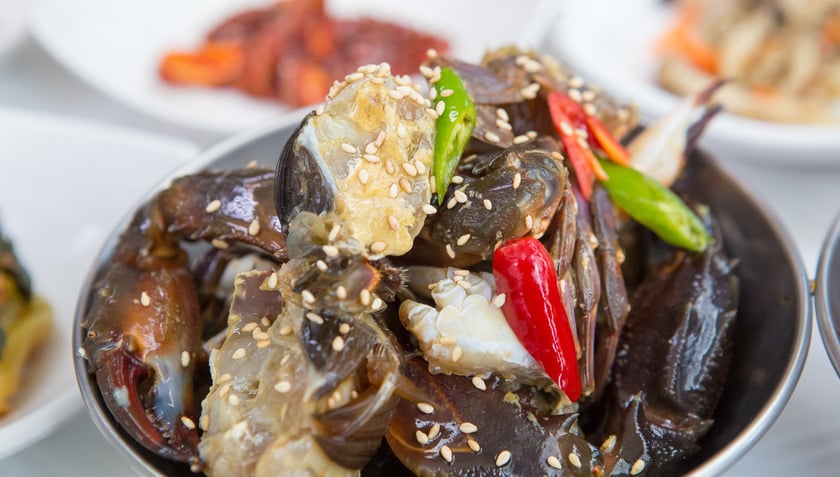
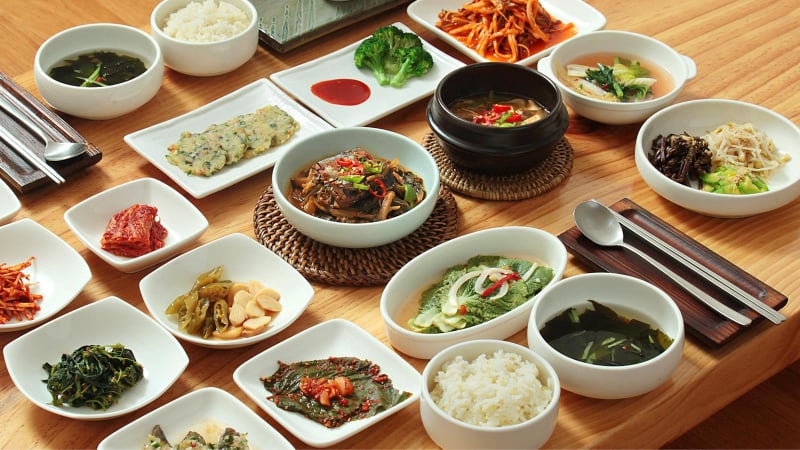
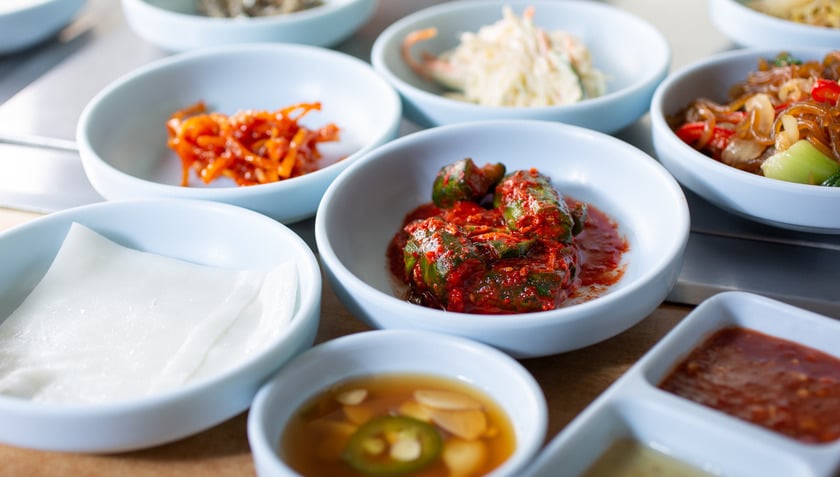
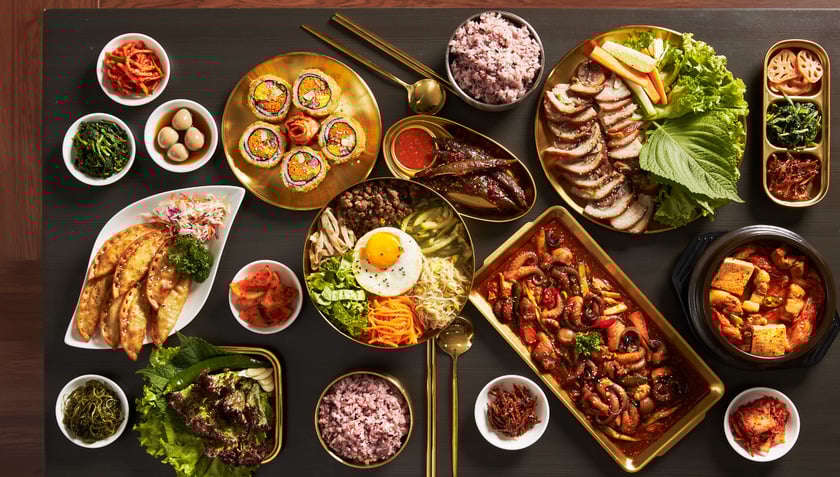
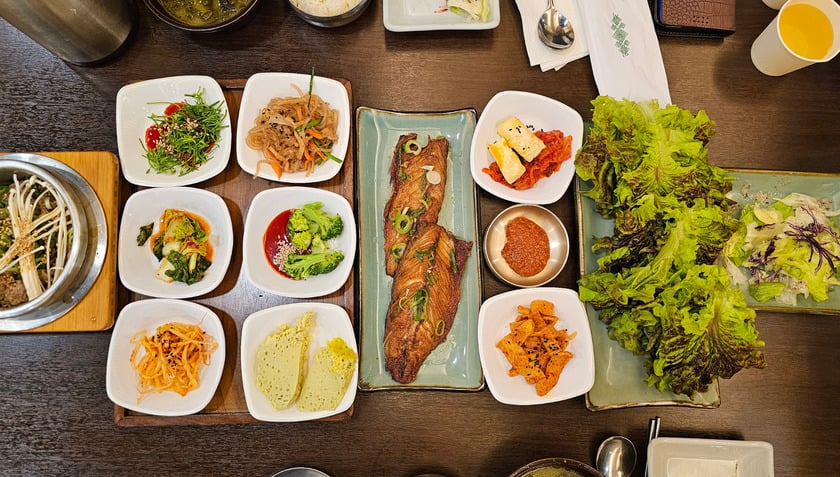
Beyond the distinctive flavors, chefs also appreciate the Korean dining style – with tables always overflowing with banchan (side dishes) so that each person can freely mix and match flavors to their liking. Chef Bortolato even dreams of a "Korean meal kit" with sesame oil, seaweed, soy sauce, and sesame seeds – ingredients that are found in almost every Korean household, showcasing the convenience and widespread availability of these ingredients in everyday cuisine.
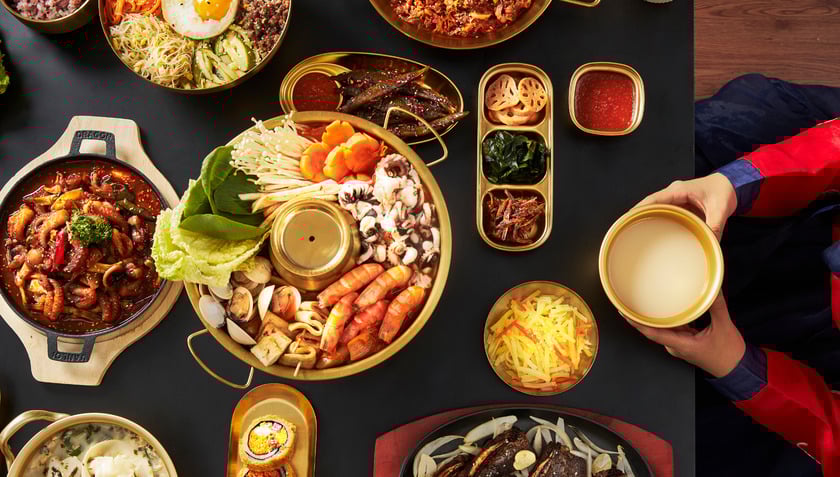
Korean meals are always distinguished by their generous portions of side dishes.
For travelers who love design and want to find a unique and high-quality gift, two places to visit are Bukchon Gwang and 365iljang.
Located in the traditional Bukchon Hanok Village, Bukchon Gwang is a shop specializing in traditional fermented foods, but presented in a modern and sophisticated style. Here, you can find everything from traditional fermented soy sauce, rice vinegar, and handmade kimchi to unique items like soy sauce caramel candy and meju-shaped cookies (made from fermented soybeans used to make doenjang and ganjang). Each product is not just a dish but a work of art, showcasing a harmonious blend of tradition and modernity.
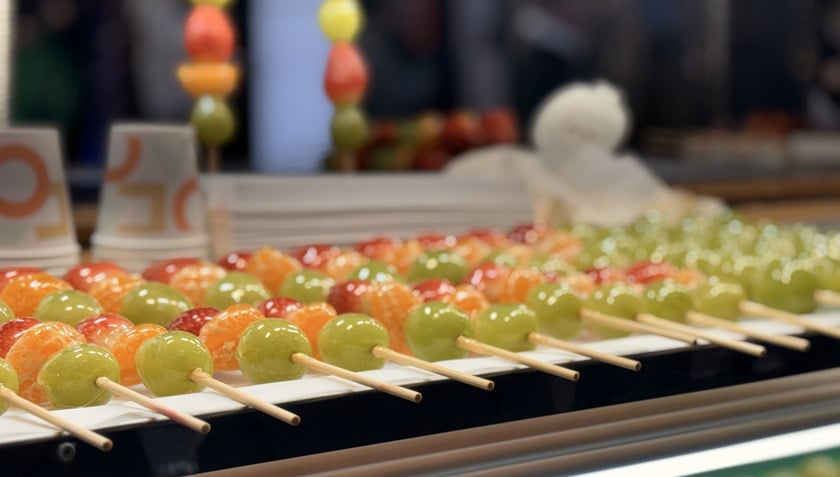
Meanwhile, 365iljang – located within Gwangjang Market – takes a more community-oriented approach, showcasing local brands from across Korea. Beyond food, it also sells souvenirs inspired by popular street food: tteokbokki-shaped magnets, bungeoppang (sweet fish-shaped) keychains, and even bindaetteok-patterned tape. Notably, these souvenirs also celebrate traditional crafts, such as exquisite mother-of-pearl inlaid wine openers and hanbok-style wine pouches made by local artisans, reflecting rich cultural and artistic value.
Korean cuisine is not just about spicy noodles or kimchi. It's a rich world of fermented seasonings, seasonal vegetables, and a diverse and sophisticated food culture. Whether it's a jar of meticulously brewed traditional doenjang, a bag of fragrant dried namul, or a few unique soy sauce caramel candies, all carry the essence of the Land of Kimchi – gifts that are not only refined and familiar but also full of flavor, ready for anyone to take home and share with loved ones.