VI
VI


Located in Pleiku City, Gia Lai Province, Minh Thanh Pagoda stands out as a precious gem in Vietnam's spiritual tourism landscape. Built in 1964 with the dedication of Venerable Thich Giac Dao, this pagoda boasts a beautiful architectural blend of refined Japanese style and Chinese influences.
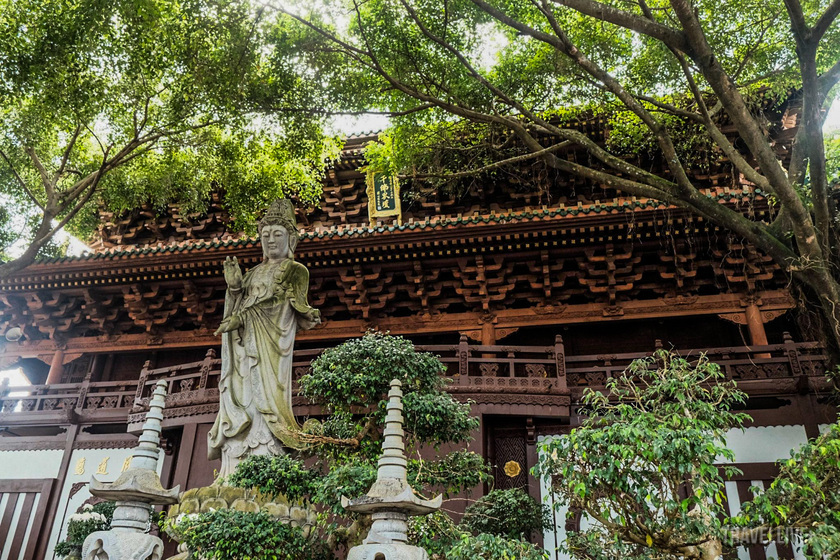
Located at 348 Nguyen Viet Xuan Street, Hoi Phu Ward, Minh Thanh Pagoda is influenced by Chinese and Japanese architectural styles.
The curved, pointed roof, adorned with embossed mythical creatures such as dragons, phoenixes, and clouds, adds to the ancient and impressive atmosphere of the place. According to Ms. Ngoc Minh (Gia Lai), the temple has undergone historical upheavals, with some of its structures deteriorating and being damaged. In 1997, the temple was renovated, and several additional structures were built within its grounds. After more than 10 years of renovation, Minh Thanh Temple has shed its old appearance and donned a completely new, more beautiful and spacious look. Not only is it an important spiritual site, but the temple is also a place where Buddhists and locals visit on full moon days or during holidays to pray for peace and find inner tranquility.

Minh Thanh Pagoda is a place where Buddhists and locals come to pray for peace on the full moon days or during Tet holidays.
The unique architecture of Minh Thanh Pagoda
The temple makes a strong impression on visitors with its unique blend of Japanese architecture and charming ancient beauty. Seen from afar, the temple stands out amidst the misty mountain town of Pleiku like a miniature palace.

Within the temple grounds, a statue of the Goddess of Mercy (Quan Am) is placed in the center, surrounded by trees and stone pillars. On the way to the main hall, visitors will encounter large paintings depicting Buddhist teachings for Buddhists and all sentient beings.
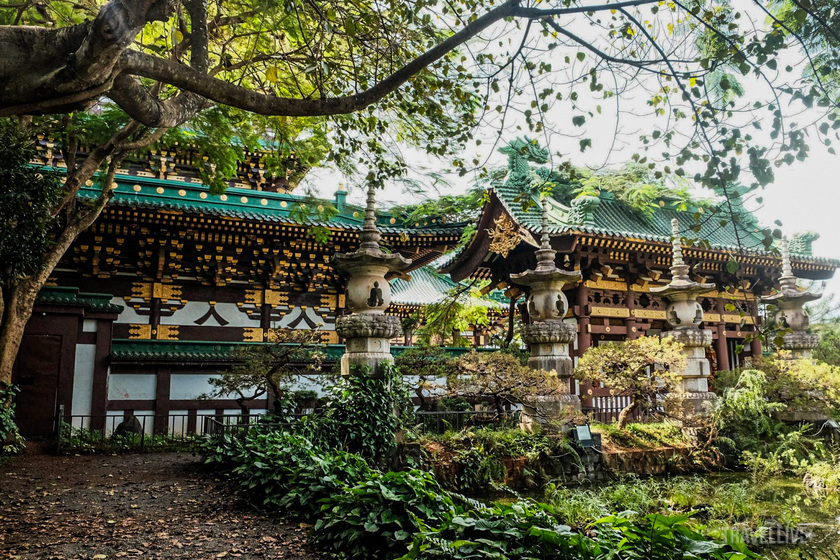
From a distance, this place looks like a royal palace.
The temple grounds are airy and spacious, with charming miniature landscapes, a pond, trees, and flowers creating a harmonious space befitting the solemnity of the temple. The temple's architecture follows a simple Mandala form, with the circle symbolizing a fully bloomed lotus flower – fundamental in the cosmology of Tantric Buddhism. The patterns and motifs carved here are all based on the principles of Tantric philosophy, creating a refined atmosphere.
In front of the main hall, visitors will see stone statues of the 18 Arhats. To the right is a nine-story stupa, with a unique reddish-brown color and a pointed spire, a distinctive feature of Minh Thanh Pagoda. This place houses over 10,000 precious Buddhist scriptures.
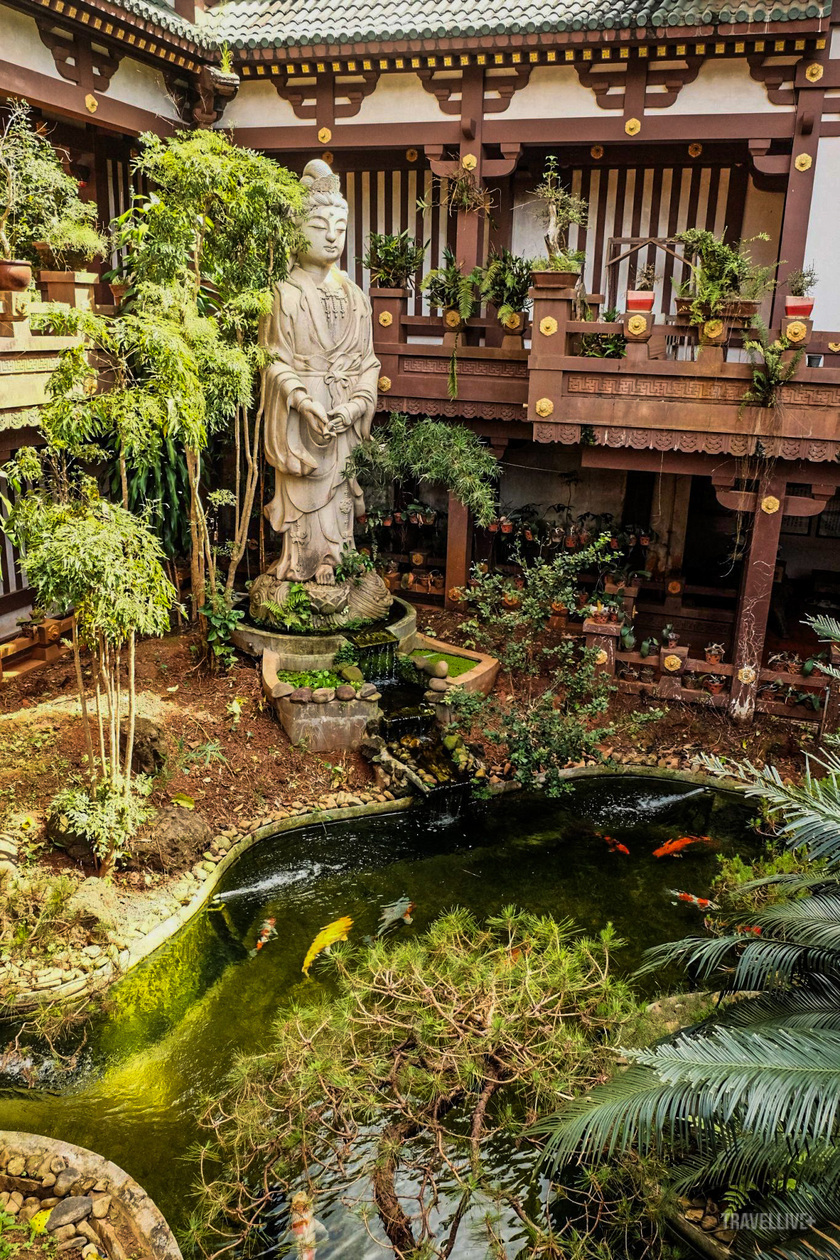
The statue of the Goddess of Mercy, along with the lush, harmonious landscaping, further enhances the beauty of the temple.
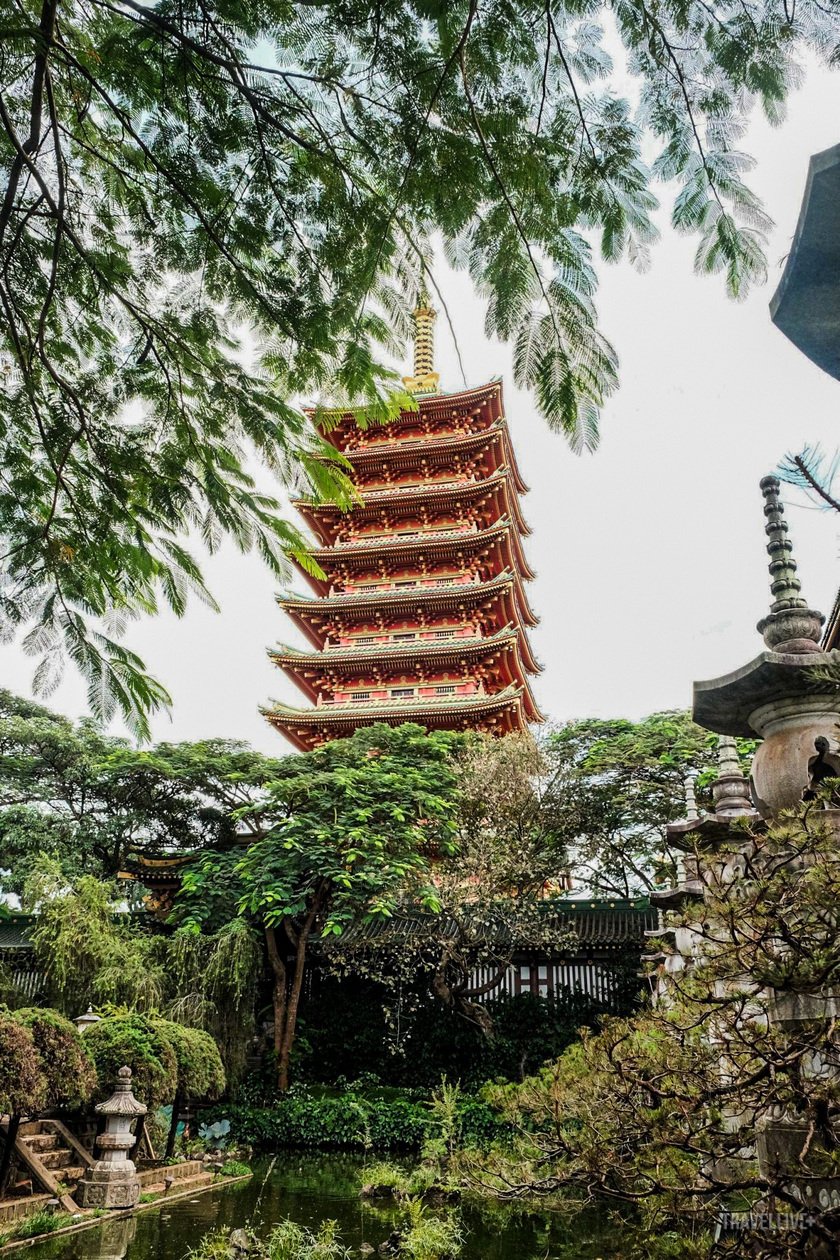
The pagoda, with its vibrant red and yellow color scheme, is very eye-catching.
In addition, there are other structures such as the abbot's residence, the guest house, and several others. The Tu An Pagoda, dedicated to the founding patriarch, is located to the left of the main hall. The pagoda has three tiered roofs covered with dragon-scale tiles, decorated with stylized dragons and lotus flowers. A finely carved stone statue of Amitabha Buddha, 7.5 meters high and weighing 40 tons, is majestically placed in the middle of the Lotus Pond, surrounded by weeping willows. The scene is both solemn and poetic, leaving a lasting impression on any visitor.
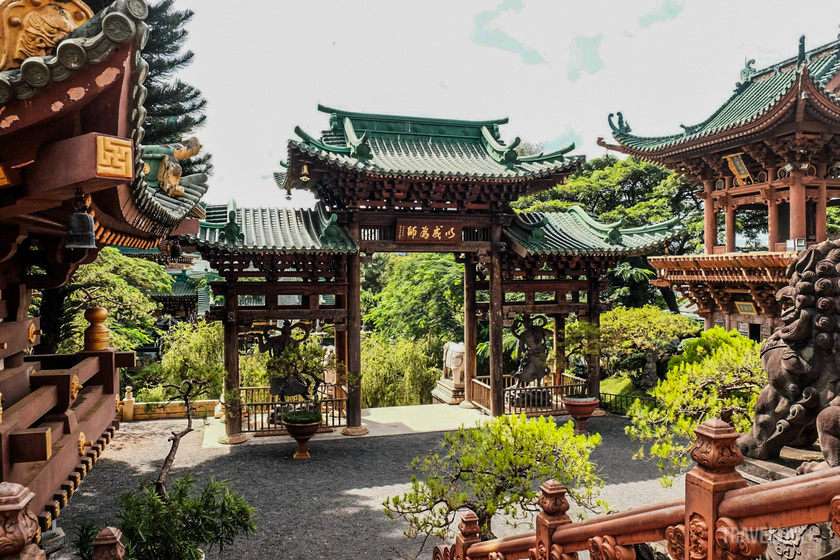
The gate leading down to Lien Tri Lake.
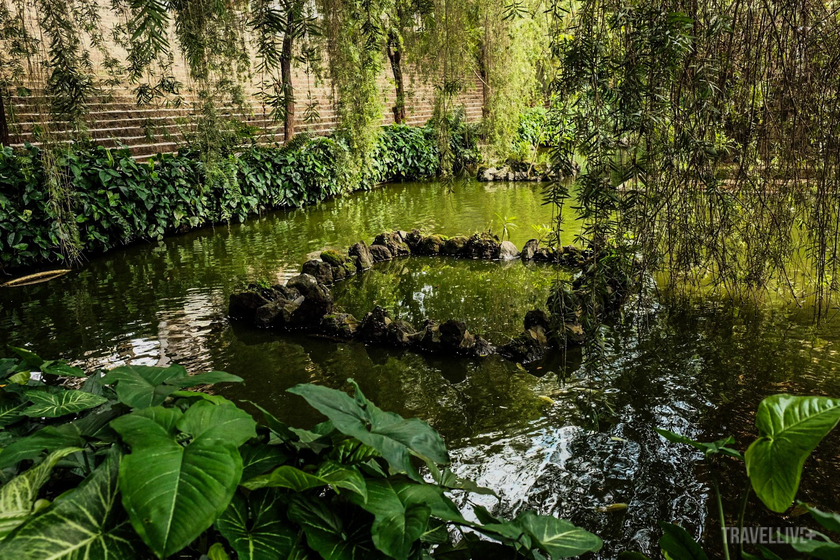
The small willow trees droop around the lake, and the sky is reflected on the water's surface, creating a very picturesque scene.
Tien Anh (a tourist from Ho Chi Minh City) shared: "This is my first time here and I'm truly overwhelmed by its grandeur and unique, eye-catching architecture. The temple is serene, and every nook and cranny amazes visitors with its exquisite craftsmanship. I enjoyed sitting by the pond amidst the drooping willow trees, watching the fish swim, and occasionally listening to the temple bell ringing – it felt very peaceful."
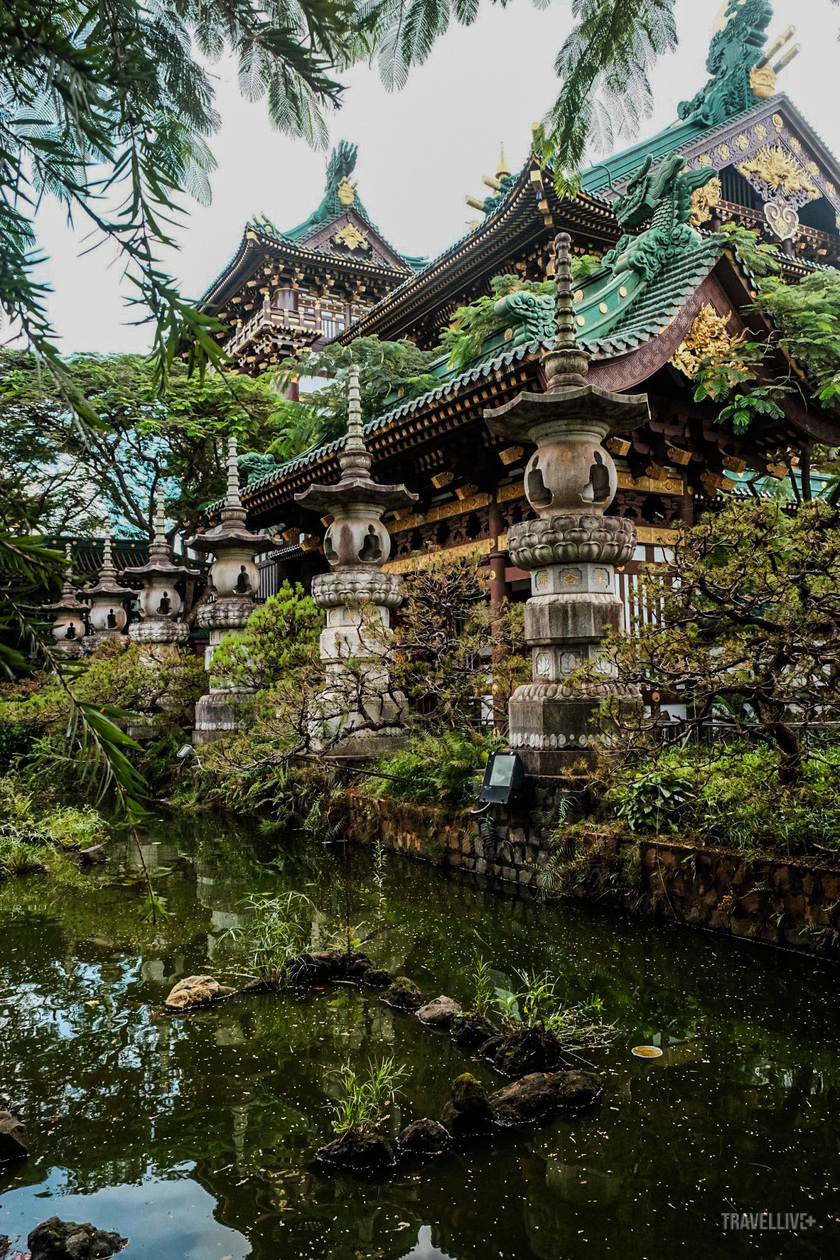
As you stroll through the temple grounds, you'll be surprised by the many miniature landscapes, stone statues, and exquisitely carved sculptures and reliefs.
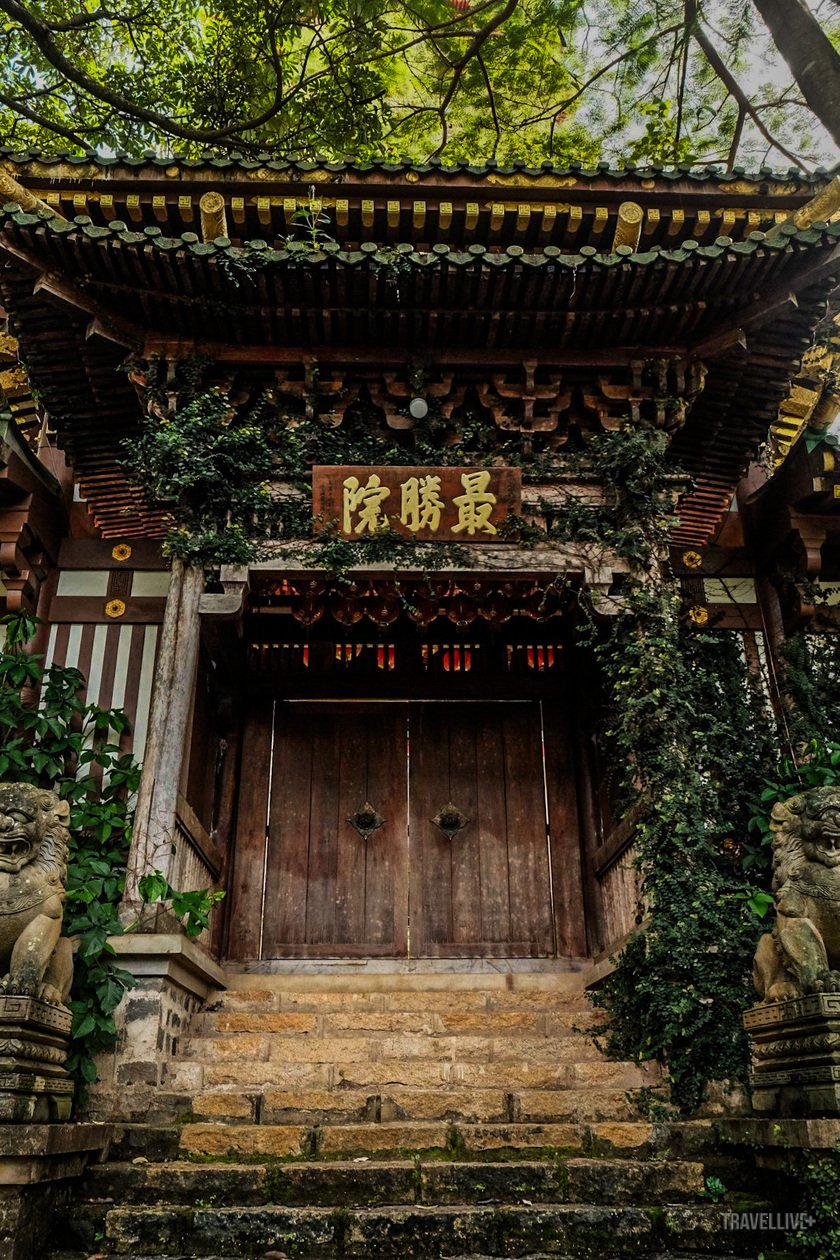
It felt like stepping back into some ancient place.
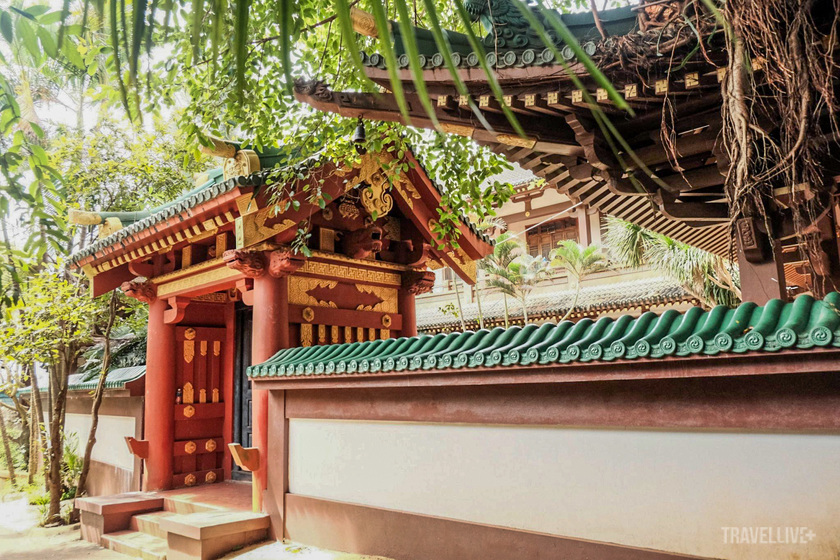
The gate and roof feature a blend of Japanese and Chinese architectural styles.
Things to note when visiting Minh Thanh Pagoda:
- Avoid making noise; walk and speak softly, and do not cause any disturbance within the temple grounds.
- Do not touch or alter any objects displayed in the temple without permission.
- When visiting, tourists should note that there are some areas that are off-limits. You can ask the monks at the temple for guidance.
- On weekdays, only the exterior area is accessible. The interior of the temple is only opened for visits on the 1st or 15th day of each lunar month.