VI
VI


Go home"
Amidst the vibrant energy of June's summer sun, a destination often associated with coastal areas, I chose a different path – returning "home," to Cuc Phuong National Park. Every three months or so, I return to "Motherland." The forest is like a second home to me, where, each time I step inside, I am greeted by the cool, gentle embrace of nature.
The road home
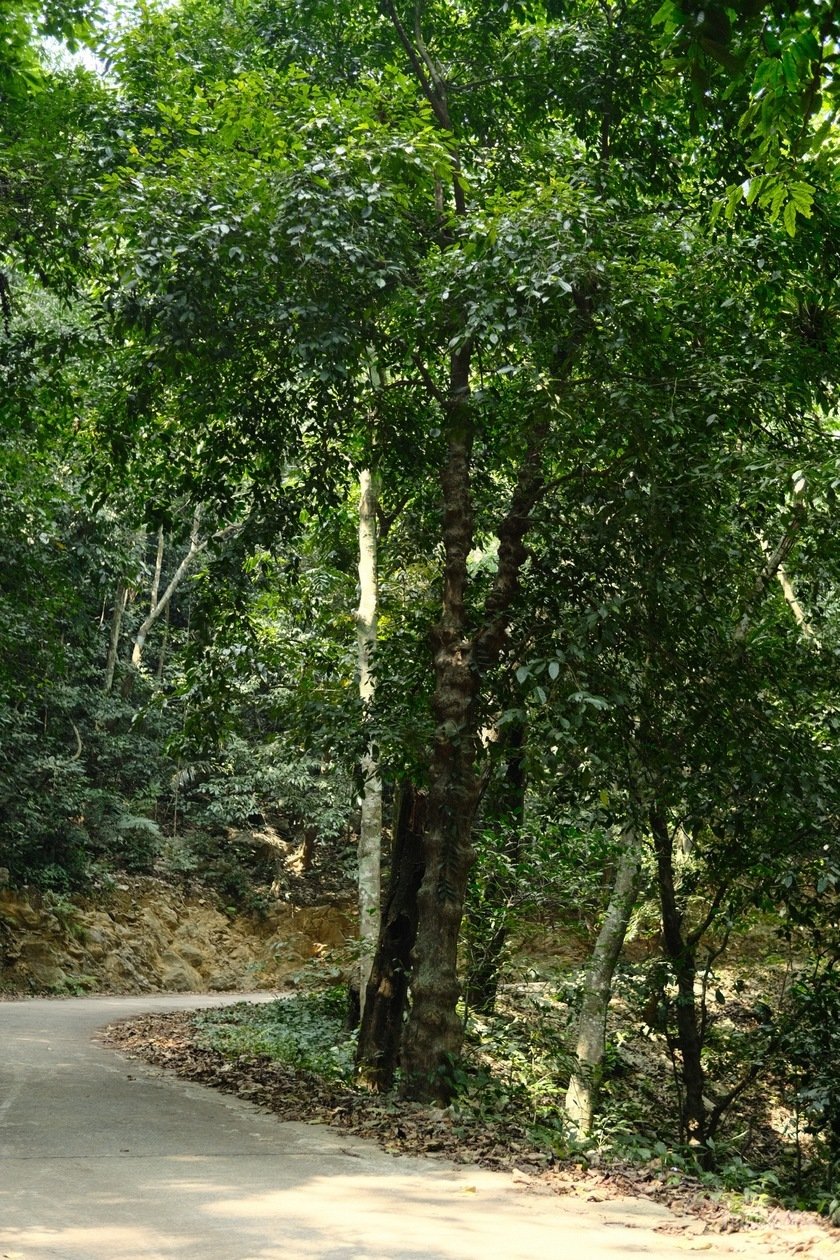
I stopped at the gate to buy tickets, then sped along the paved road on my motorbike, flanked by lush green forests. I couldn't quite picture where this road would lead me. Unlike previous trips, where I meticulously researched all the necessary information, this time it was just a fleeting idea that came to mind, a dream I'd always had: "I'll visit all the national parks, explore all the forests of Vietnam!" And so, Cuc Phuong National Park appeared, and the trip was planned as soon as I arrived in Ninh Binh. Excited like a child returning home, my eyes widened and my mouth dropped open in sheer delight, oblivious to the cold wind blowing against my face and filling my hair with its fragrant scent.
first national park
Nestled deep within the Tam Diep mountain range, Cuc Phuong National Park lies on the border of three special regions of Vietnam: Northwest Vietnam, the Red River Delta, and North Central Vietnam, spanning three provinces: Ninh Binh, Hoa Binh, and Thanh Hoa. As the first national park established in the country, Cuc Phuong has affirmed its special and important position in the nation's nature conservation system.
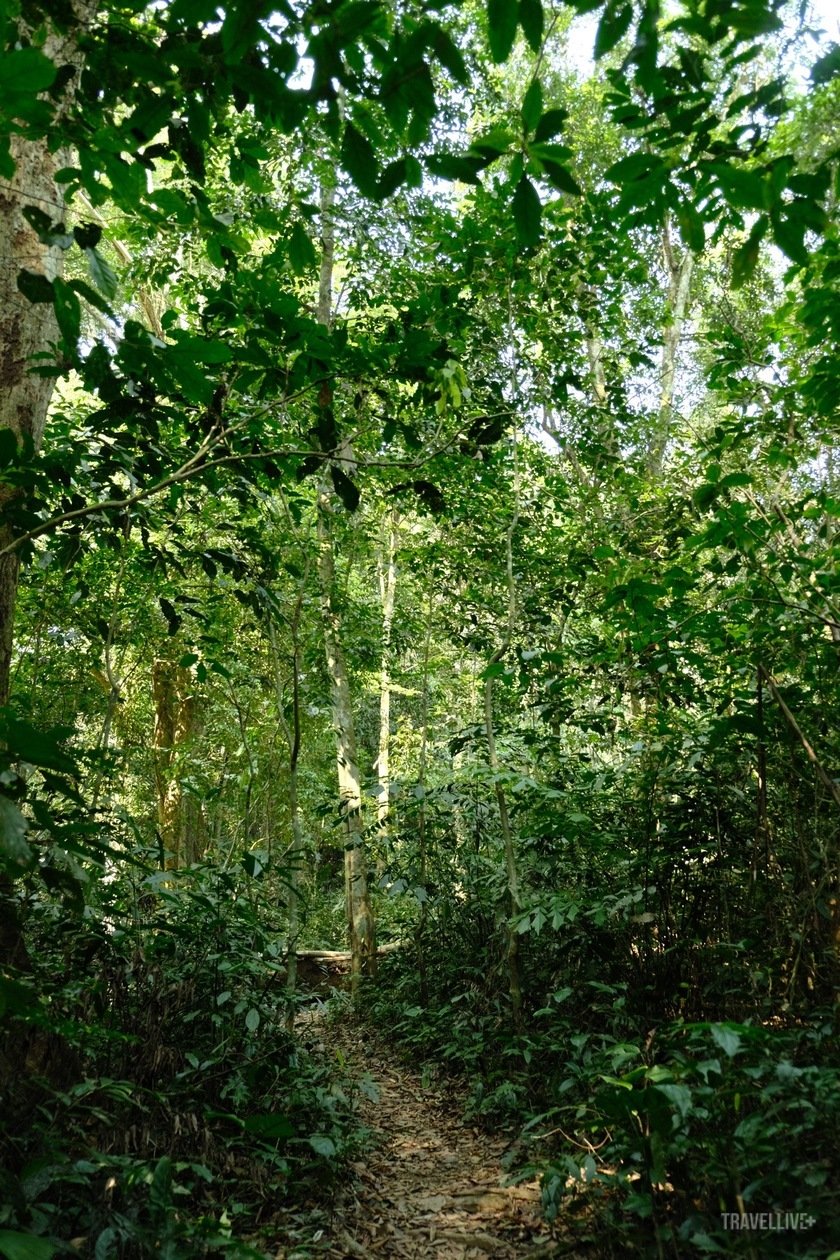
This is not only a place to explore the diversity of flora and fauna, but also a unique natural photo spot.
Spanning a vast forest area of 22,408 hectares, Cuc Phuong boasts a unique forest with stunning natural landscapes and a rich ecosystem. Here, visitors can immerse themselves in the majestic scenery of towering mountains and lush green valleys, creating a captivating and pristine natural landscape.
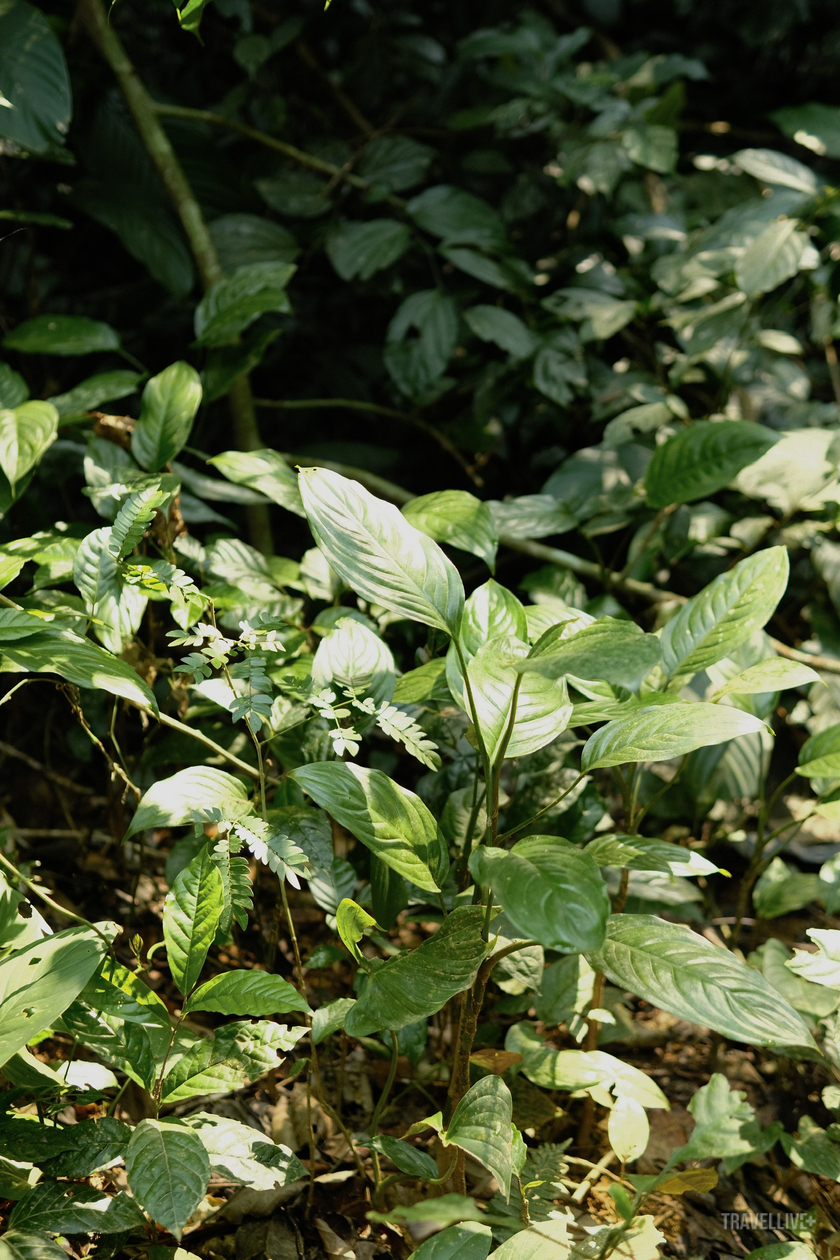
This is one of the national parks with an incredibly rich ecosystem of flora and fauna.
However, Cuc Phuong is not only beautiful in its natural setting but also possesses incredible cultural and historical values. This area was once inhabited by Vietnamese people thousands of years ago, evidenced by ancient skeletons discovered in the caves. The national park's museum showcases the diverse flora and fauna characteristic of Cuc Phuong, contributing to the uniqueness and value of this site. At the same time, Cuc Phuong plays a crucial role in the conservation and research of rare plant and animal species. With its extensive limestone cave system, the national park provides an ideal habitat for many animal species, including those at risk of extinction.

When is the best time to visit Cuc Phuong National Park?
According to the forest rangers, Cuc Phuong has the characteristics of a tropical rainforest, and the ideal time to explore it is usually during the dry season from December to April. Avoiding travel during the rainy season is a smart choice, as the humid air, mosquitoes, and leeches can make trekking and other recreational activities difficult and challenging.
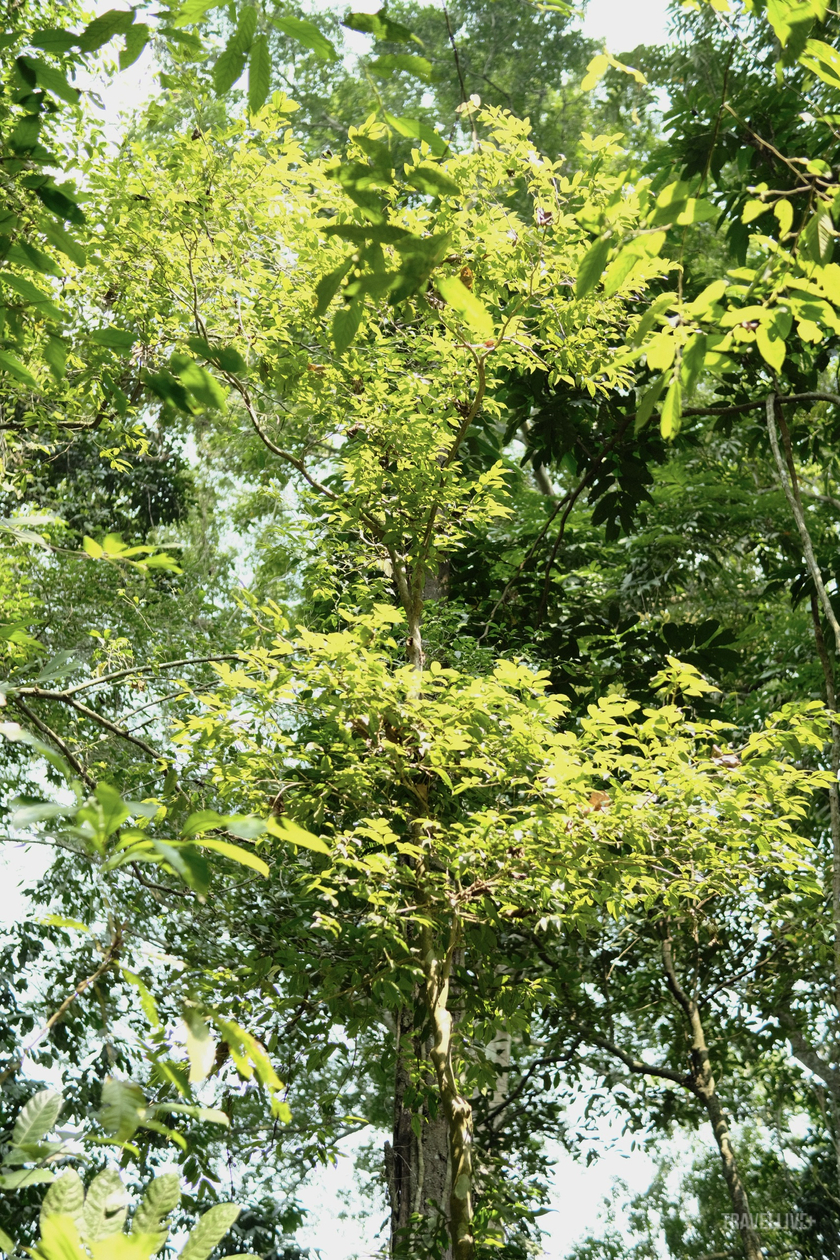
It's best to visit during the dry season to fully enjoy the natural beauty of Cuc Phuong National Park.
"Instead of visiting during the rainy season, choose a vacation during the dry season to further enjoy the stunning natural beauty of Cuc Phuong. The dry weather and fresh air will create favorable conditions for exploring trails, participating in outdoor activities, and enjoying the breathtaking scenery of the primeval forest," a park ranger shared.
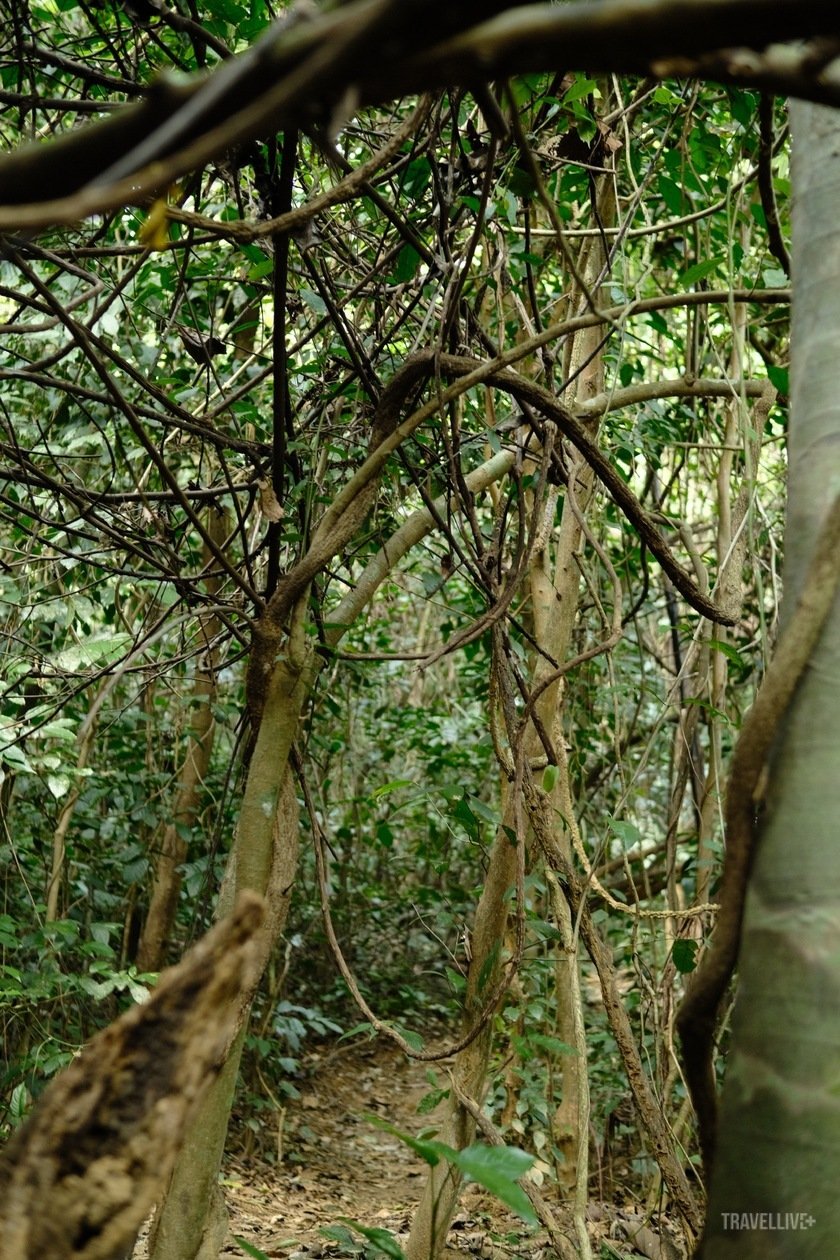
You will encounter countless strange and wondrous creatures of nature.
Walking amidst Mother Earth
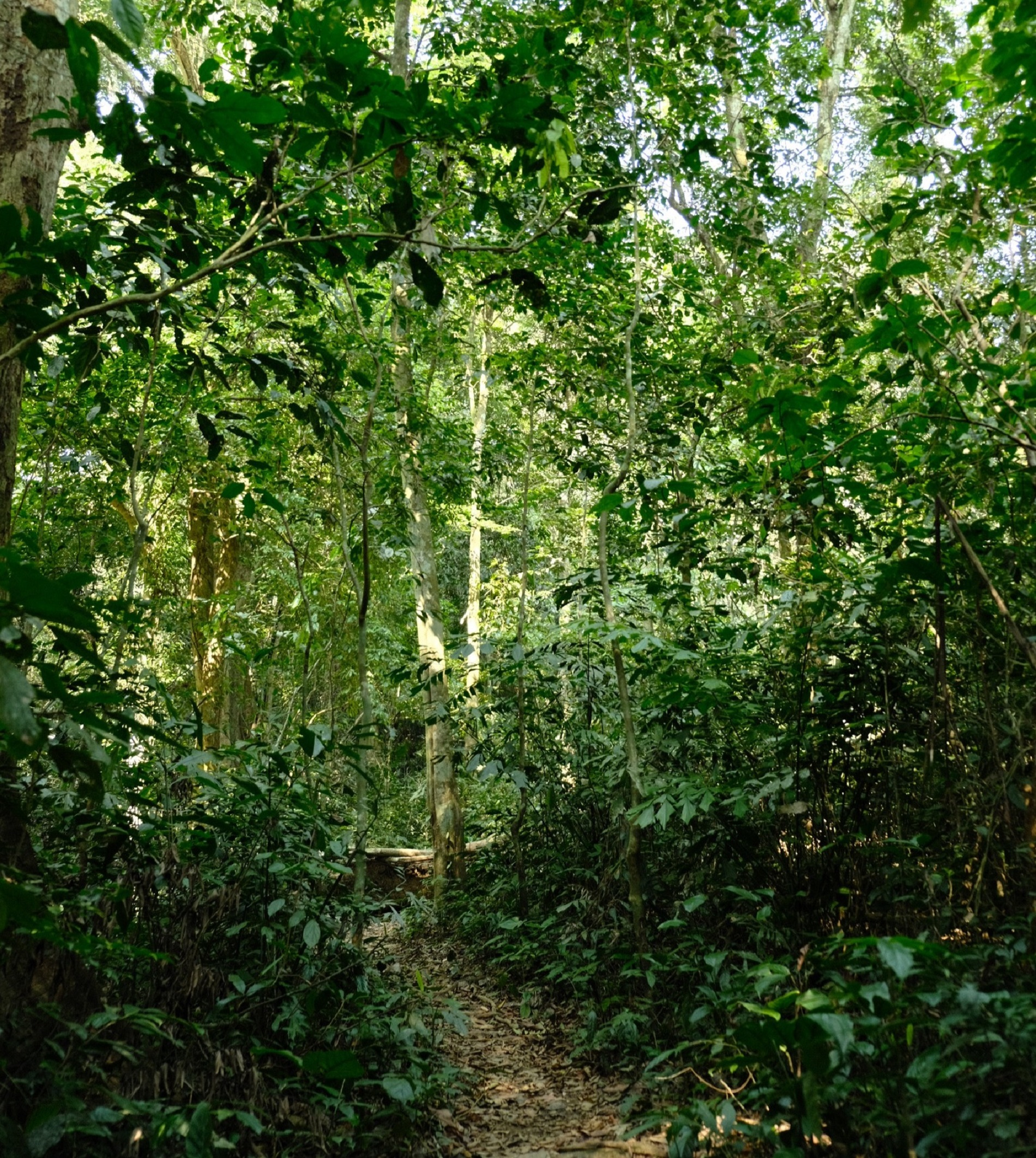
I walked along the small paths, feeling each step on the gently rustling dry leaves. Birdsong filled the air, like breathtaking natural music. Stopping to look up at the deep blue sky, enjoying the sunlight filtering through the trees, I felt the cool rays caress my face.
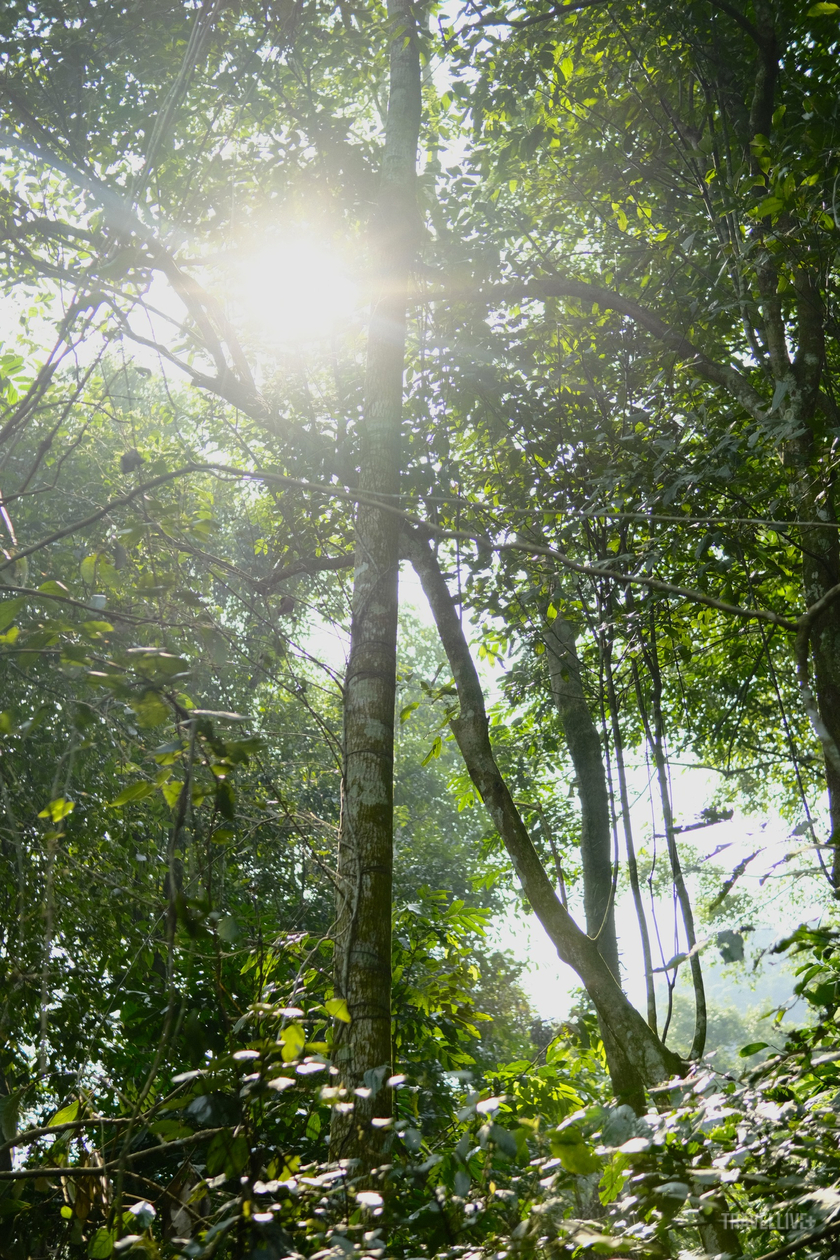
I stood before an ancient tree, wrapping my arms around its trunk, then placing my hand on its rough, brown bark. I felt the tree's strength and resilience, having endured countless springs and winters, receiving sunlight and wind for hundreds of years. The scars on its trunk were the marks of life, witnesses to its power and its ability to overcome all difficulties.

Each breath inhaled carries within it the freshness and purity of the forest.
Every breath I take is a part of the forest, an intermingling of the breath of the trees and my own. Freshness and purity fill each breath, like a powerful tonic for the soul. The vibrant green patches of moss covering the rocks, the branches swaying in the wind—all create a feeling of stepping into a magical realm.
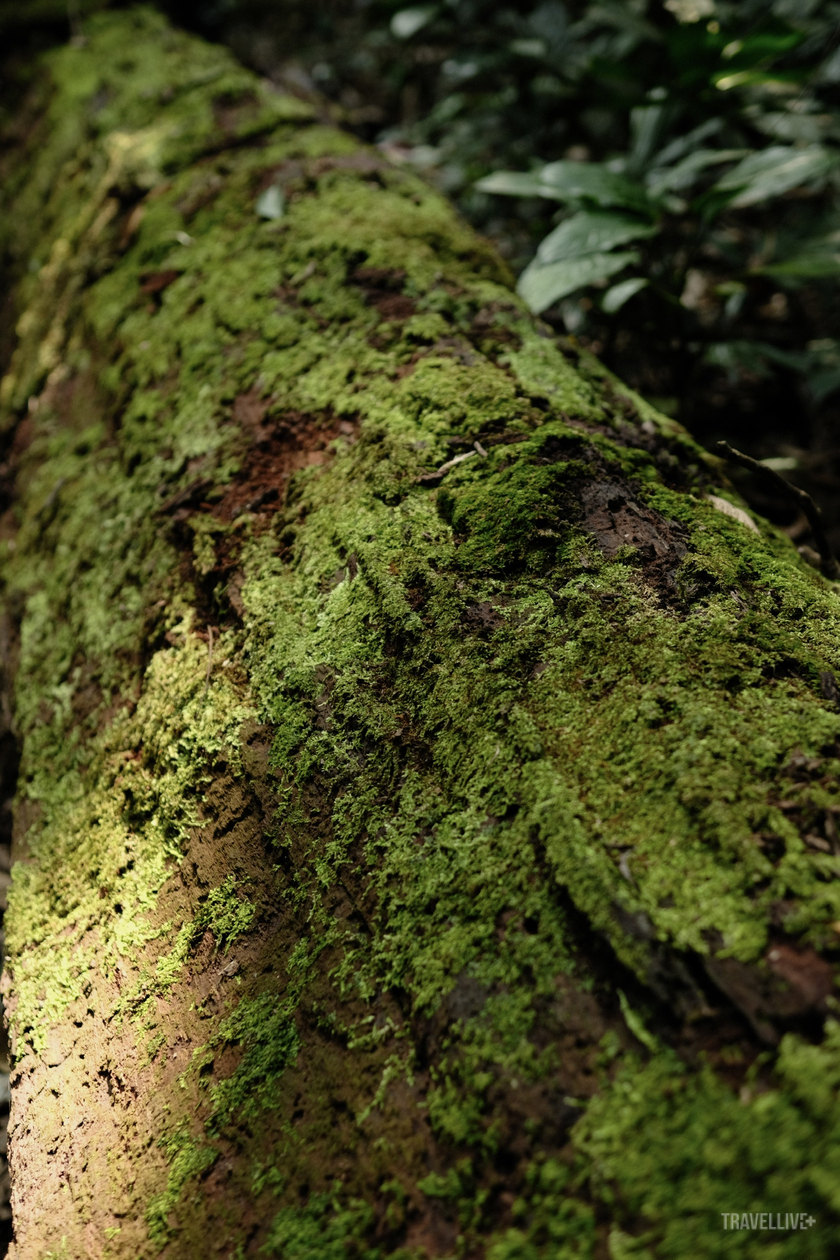
Patches of lush green moss
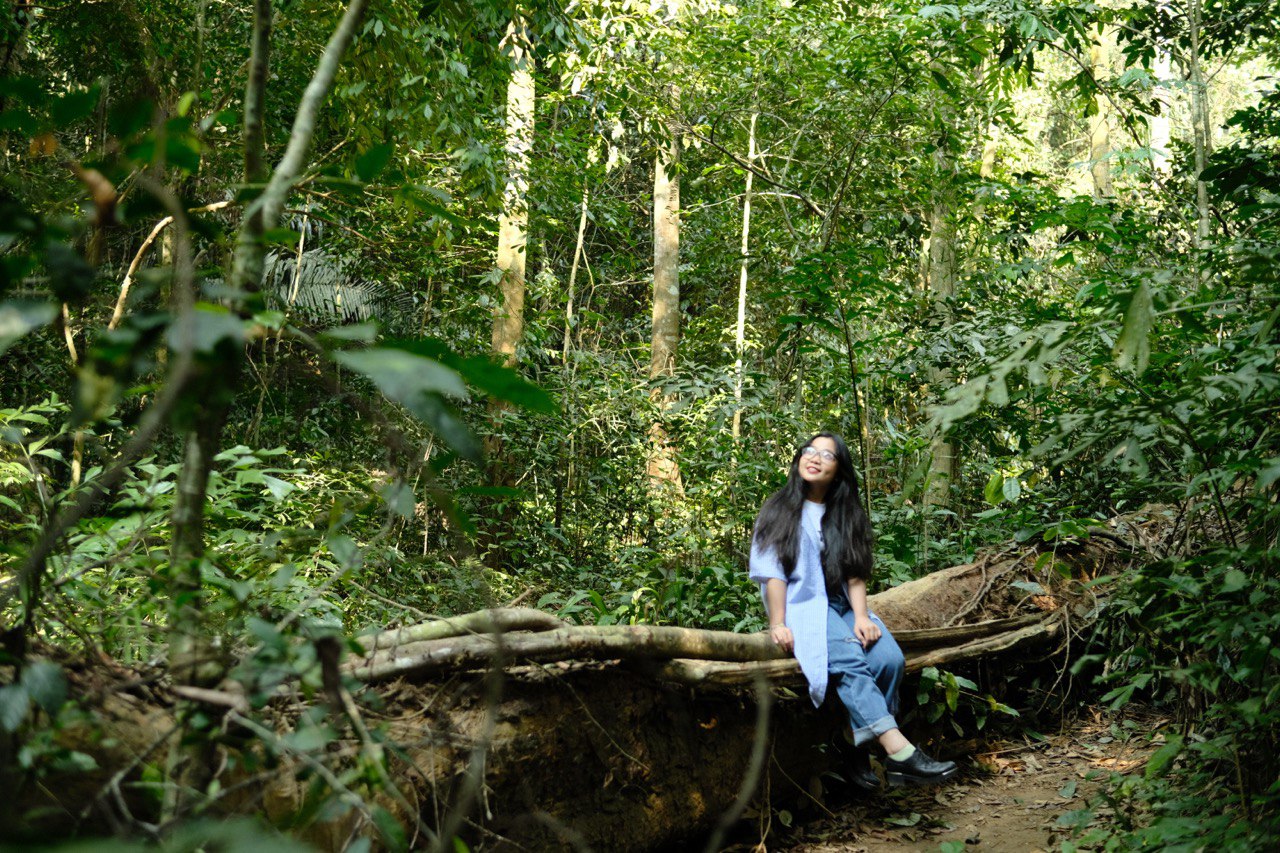
Taking a forest bath, I felt my mind calm down.
The Japanese have an interesting concept called "forest bathing." This term is "Shinrin yoku" in Japanese, and "forest bathing" in English. "Shinrin yoku" can be understood as allowing the body and soul to relax and cleanse in the forest atmosphere, engaging all the senses. When we go far enough away, detached from the daily grind, we find the necessary tranquility to calmly reflect and listen to what we truly want.
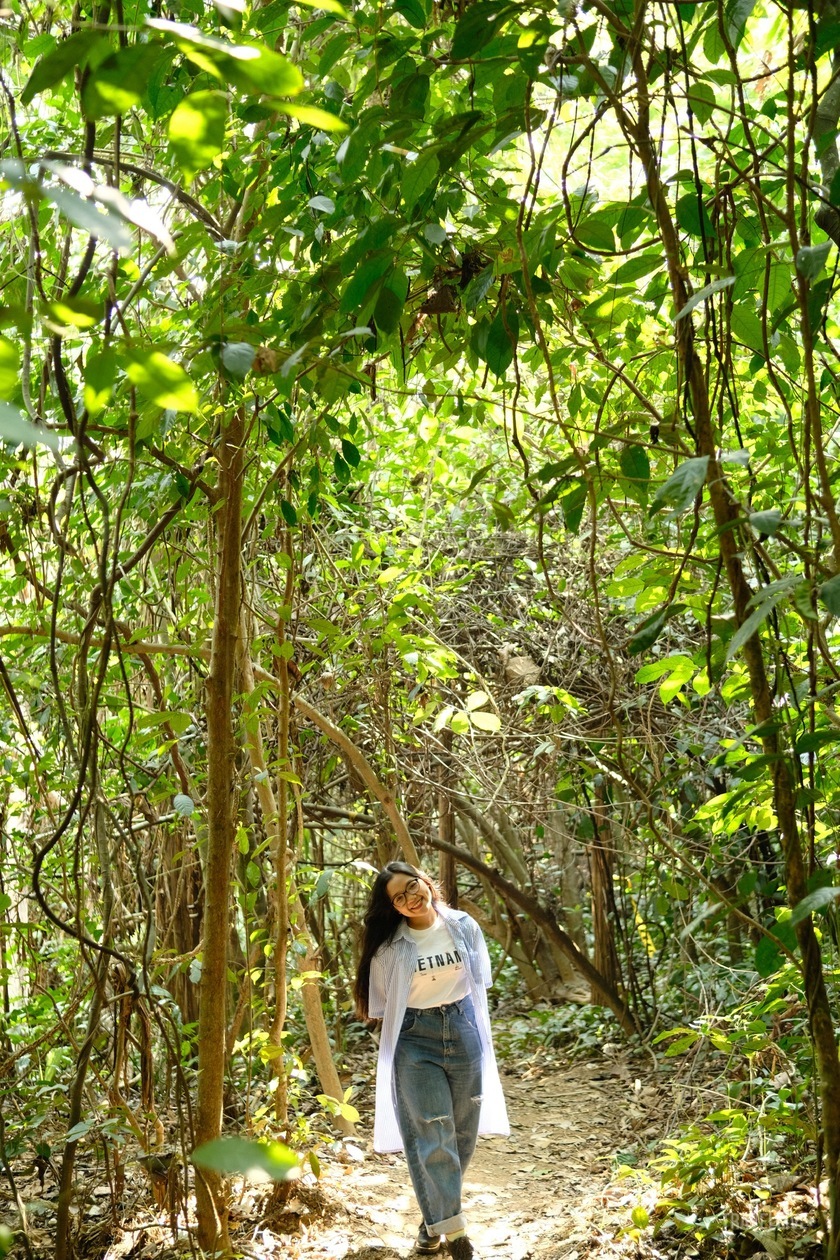
I feel refreshed every time I return to the forest.
Forest bathing is not just a stop to immerse myself in the beauty of nature, but also a journey to rediscover my true self. In that moment, my mind is liberated. Confused thoughts and petty anxieties gradually fade away. I become aware that I am also a part of nature, not just a passerby, but a true connection.
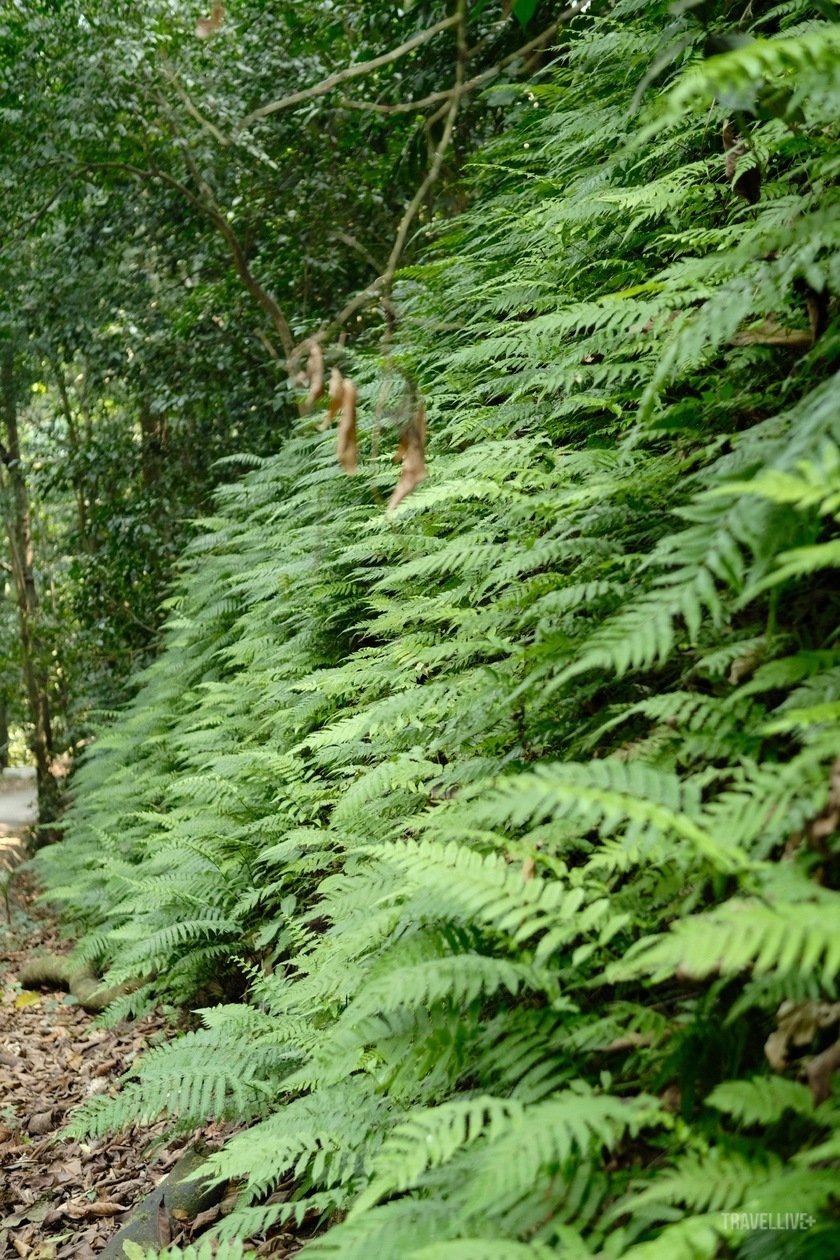
The wall covered in ferns resembled a soft, velvety carpet.
I continued walking, exploring deeper into the forest. Cuc Phuong was very different from the forests in the South I had visited: its flora and fauna were rich and diverse, possessing a beauty of ancientness and immeasurable vastness. It was a place I wanted to belong to, and to return to many more times.