VI
VI


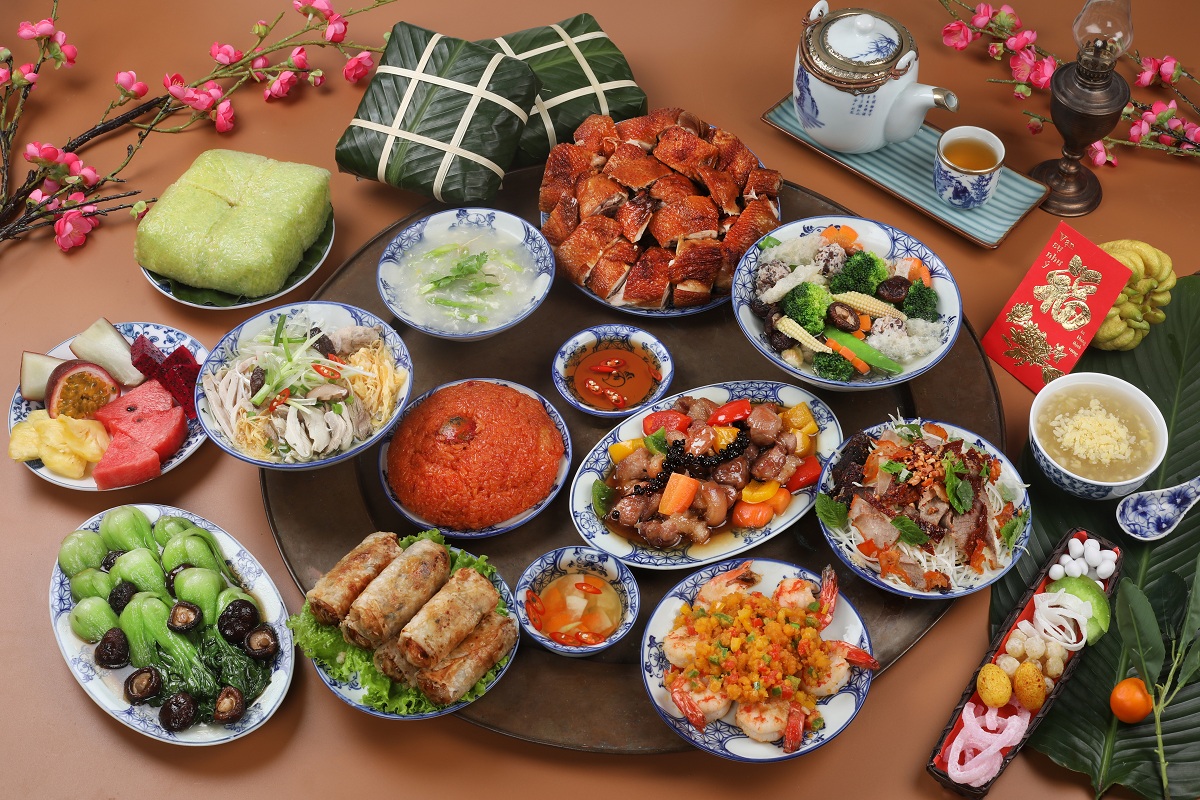
For Vietnamese people, the Tet feast always holds immense significance, so everyone strives to prepare the most elaborate and complete feast possible. However, each region across the country has its own unique Tet feast, creating a distinctive Vietnamese culinary culture unmatched anywhere else. Despite the significant differences in presentation, cooking, and beliefs surrounding the Tet feast across the three regions of North, Central, and South Vietnam, all share the desire to express reverence to their ancestors and wish for a prosperous, happy, healthy, and successful new year.
Northern Vietnamese Tet feast
Northern Vietnamese cuisine, especially Hanoi cuisine, has long been renowned for its sophistication and refinement, steeped in a thousand-year history of culture. Therefore, the traditional feasts of the people here are considered among the most elaborate and well-prepared in the country.
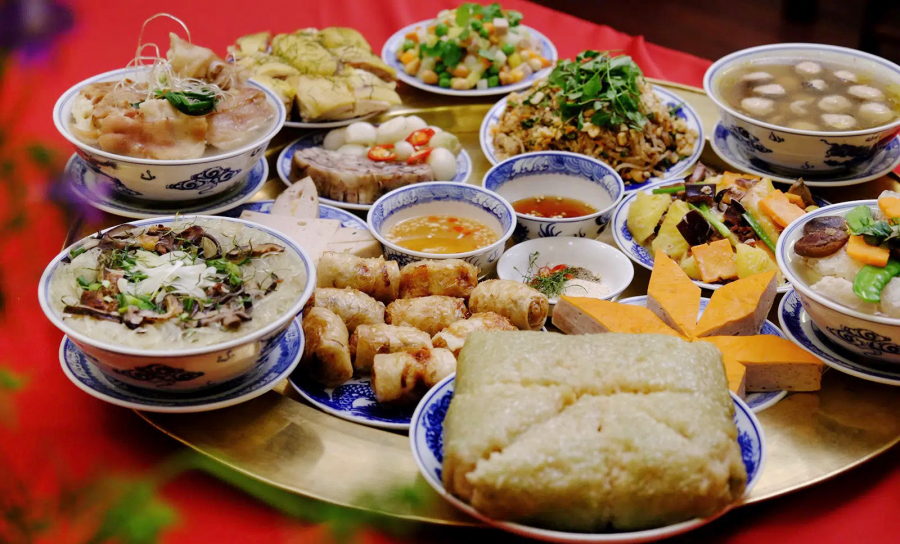
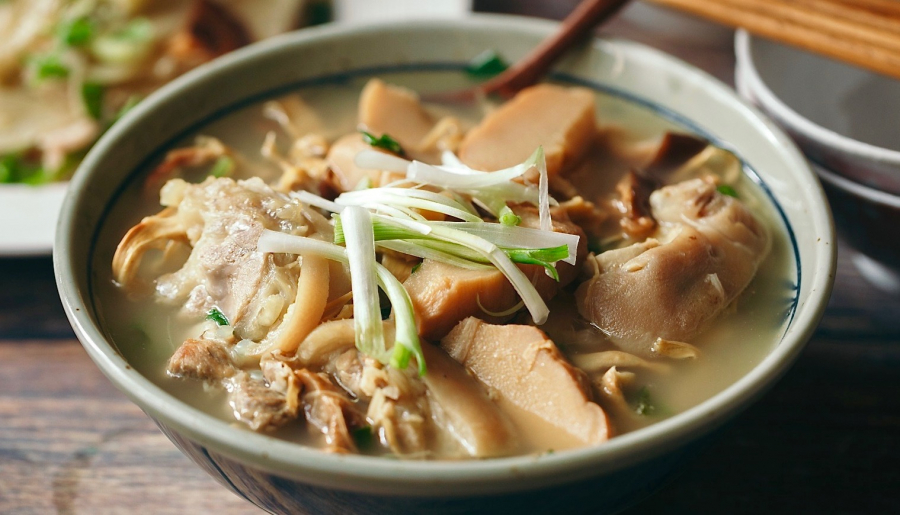
This meticulousness and adherence to standards is first and foremost reflected in the food preparation. Next is the arrangement of the dishes on the feast table. Typically, the Tet feast table here is arranged in even numbers, with each family preparing a table according to their needs. Wealthier families might set out 8 bowls and 8 plates, with the 8 bowls usually containing chicken offal vermicelli, shark fin soup, bamboo shoot stew with pork trotters, stewed bird, braised chicken, pork skin, and squid. The 8 plates might contain boiled chicken, banh chung (sticky rice cake), gio lua (pork sausage), cha que (cinnamon sausage), pickled onions, gio thu (pork head cheese), and jellied meat… More ordinary families might prepare a Tet feast with 4 bowls and 4 plates, or 6 bowls and 6 plates, or 6 bowls and 8 plates… symbolizing prosperity and good fortune.
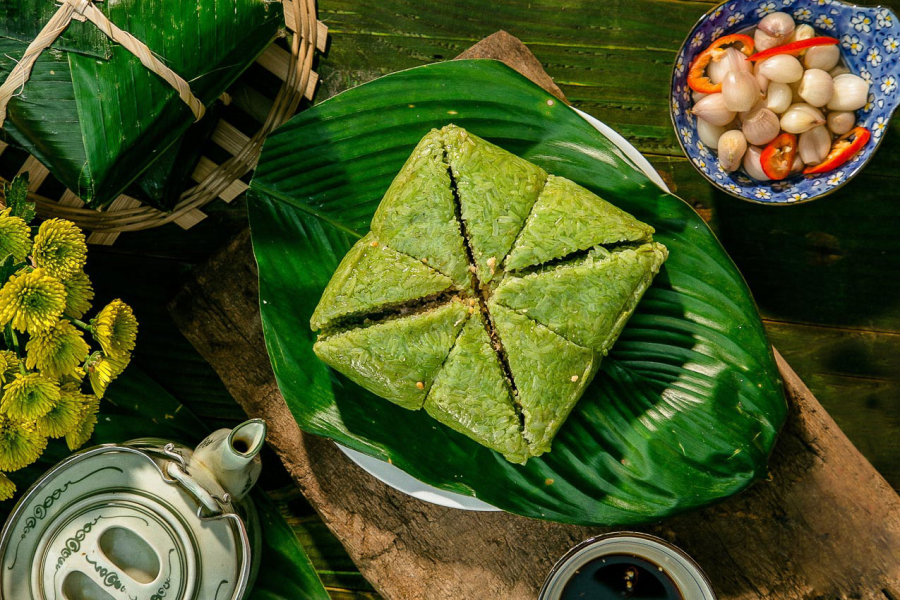
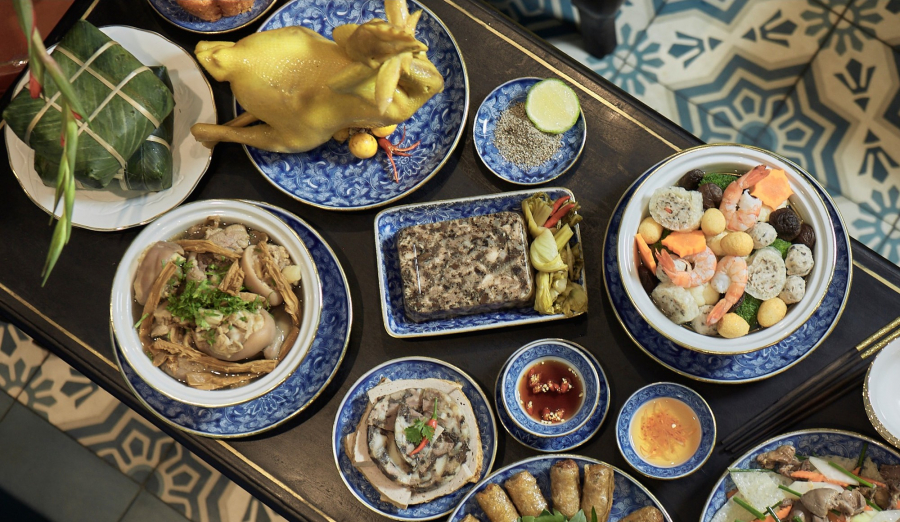
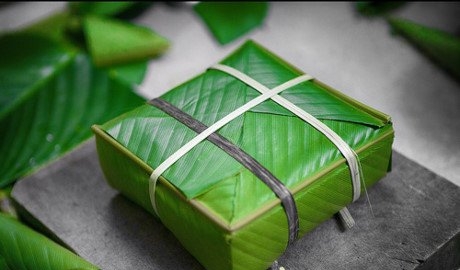
Furthermore, the dishes themselves must adhere to specific requirements. For example, sticky rice cakes (bánh chưng) must be cut into eight equal pieces, accompanied by a plate of pickled onions and cucumbers. Boiled chicken must be a whole rooster, arranged with its wings folded. Pork sausage (giò lụa) and other local sausages are usually cut into six pieces and arranged in a flower shape. In addition, other items such as lotus seed jam, ginger jam, and sweet soup can be added to make the Tet feast more diverse and complete. Importantly, the plates and bowls used in the feast must be uniform and not mixed together; only then will the Tet feast look clean and beautiful.
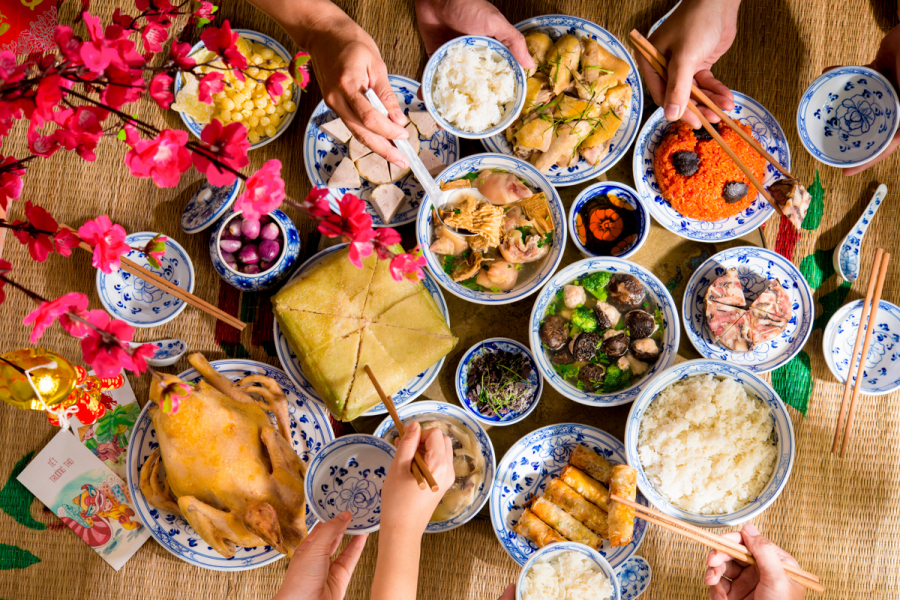
In the past, people in Northern Vietnam would arrange dishes on a single copper tray, then stack two or three such trays on top of each other. However, over time, the Tet feast in Northern Vietnam has undergone some changes to become simpler, but it must still maintain a refined and harmonious appearance.

Central Vietnamese Tet feast
The central region of Vietnam has always suffered from harsh natural conditions, so the Tet (Lunar New Year) feast there is usually simpler and less demanding than in the North. However, it is still necessary to prepare all the traditional local dishes. Typically, a particular local specialty will be included in the Tet feast. For example, in Binh Dinh, there will be fermented pork sausage (nem chua) or Bau Da rice wine, while in Hue, there will be fermented shrimp paste (mam tom chua) and Minh Mang rice wine...
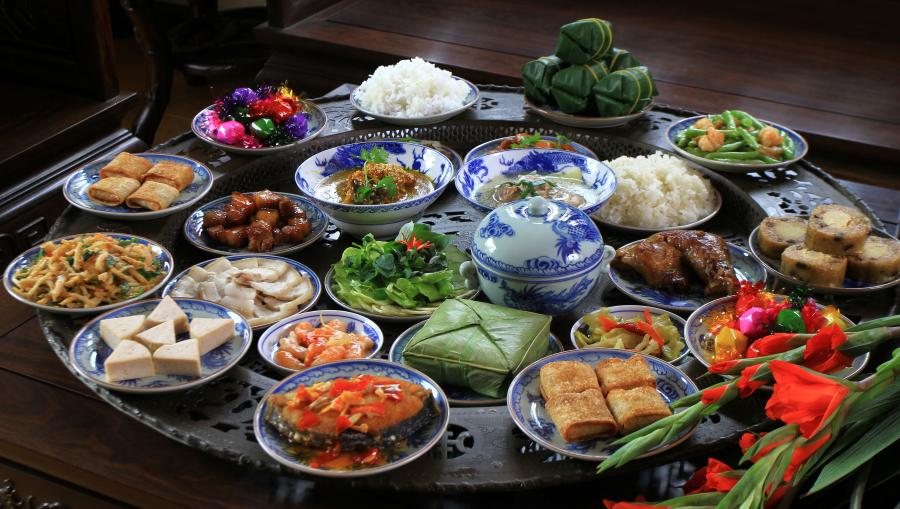
Tet feast in Hue
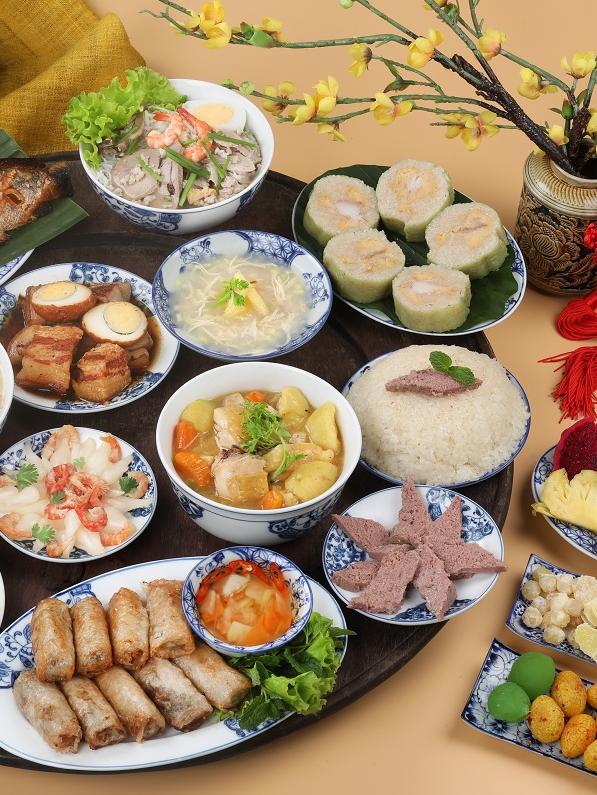
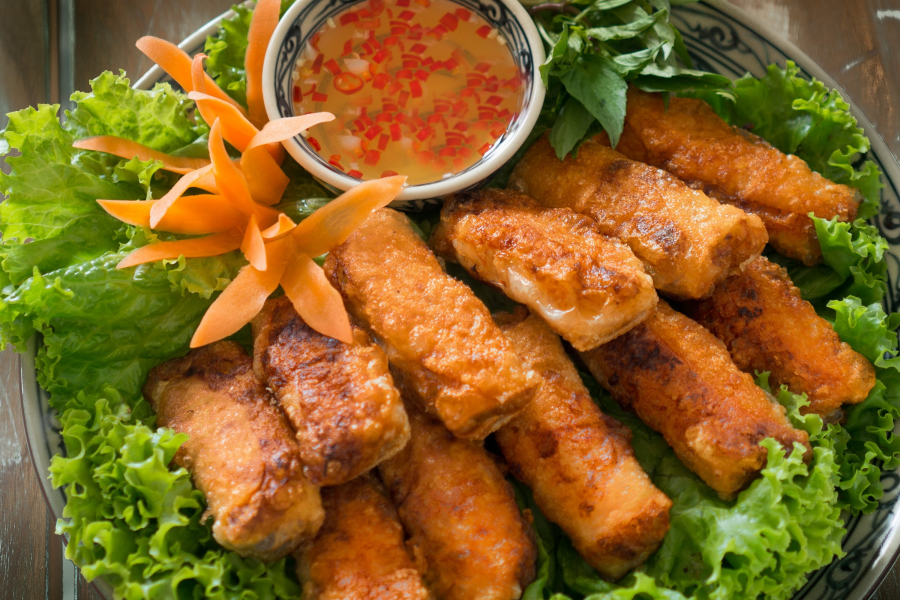
Besides that, there are indispensable dishes such as sticky rice cake with mung bean and pork filling, boiled chicken, fried eggs, stir-fried vegetables, spring rolls, white rice, pork marinated in fish sauce... and a plate of sweet and sour pickled vegetables made from carrots, shallots, and papaya. Especially, Central Vietnamese cuisine is famous for its rice paper rolls and dipping sauces, so the Tet feast will also include boiled pork, various types of spring rolls and sausages, and fresh vegetables.
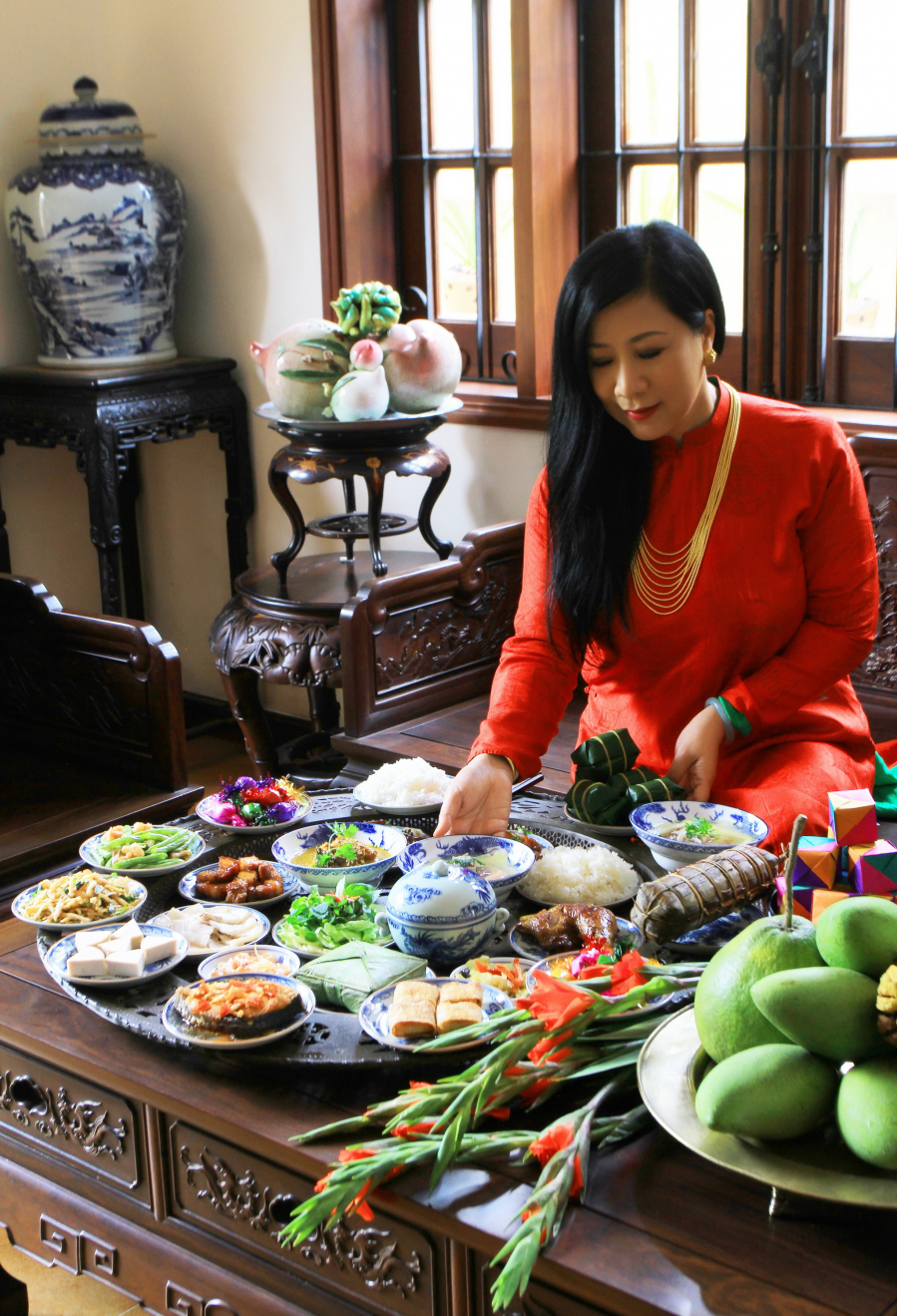
Culinary artist Ho Thi Hoang Anh is preparing a Tet feast in Hue.
In addition, the traditional Tet feast in Central Vietnam also includes specialty cakes such as banh it, banh thuan, banh to, banh in... These dishes are all served in small plates or bowls and arranged side by side in a circle, symbolizing frugality and sharing. All of this creates a lavish Tet feast that reflects the rich local culture.
Southern Vietnamese Tet feast
People in Southern Vietnam are generally easygoing and simple, so they aren't very particular about food. Because of this, the Tet feast in the South is much simpler than in the North, but it's far from sloppy; it still includes a full spread of traditional dishes, beautifully presented.
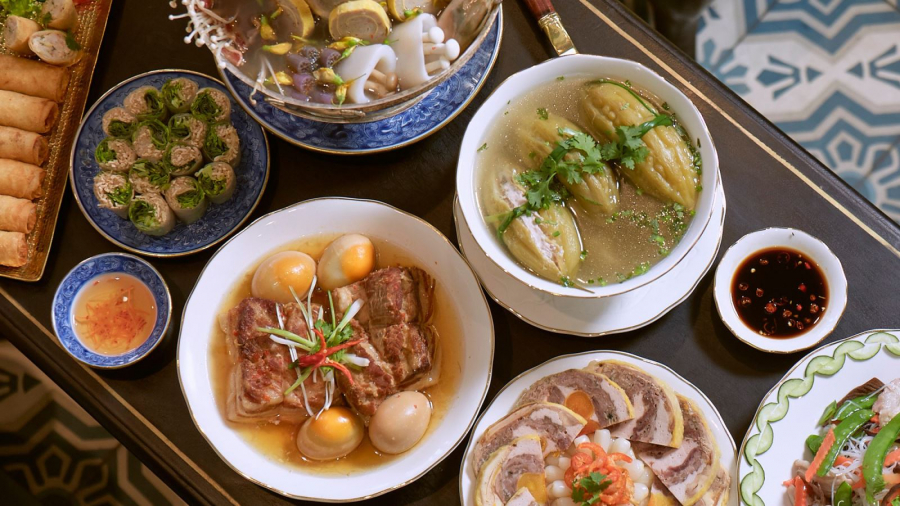
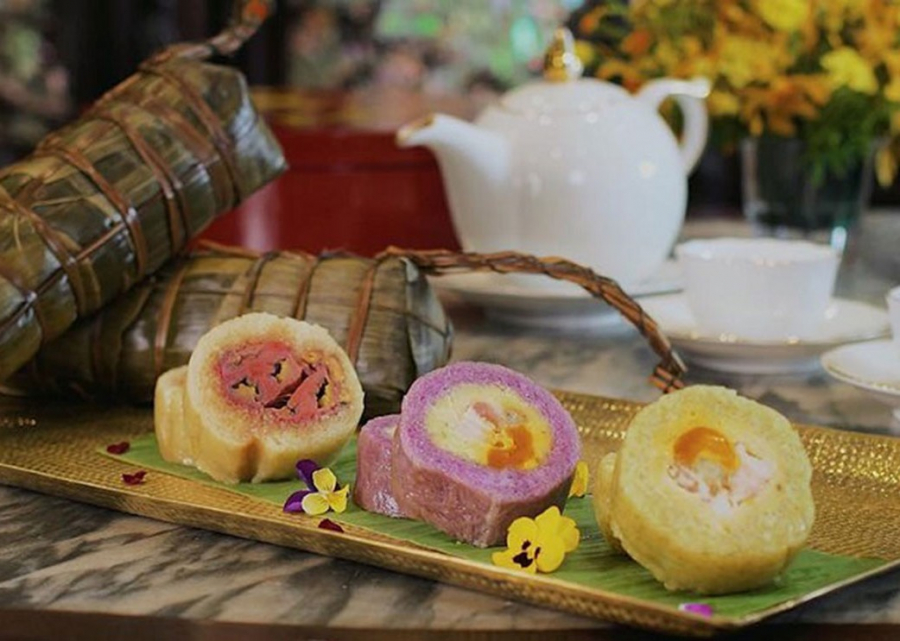
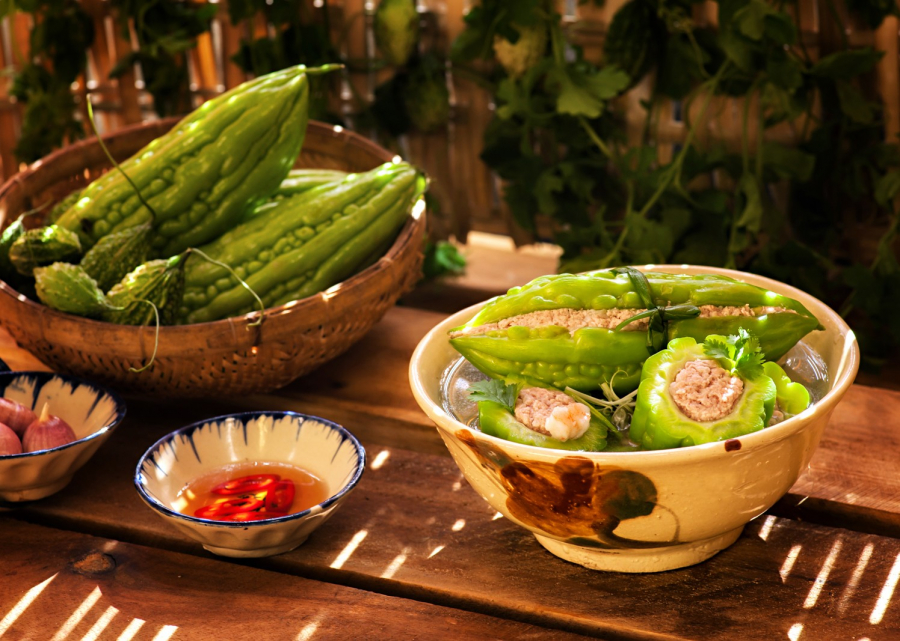
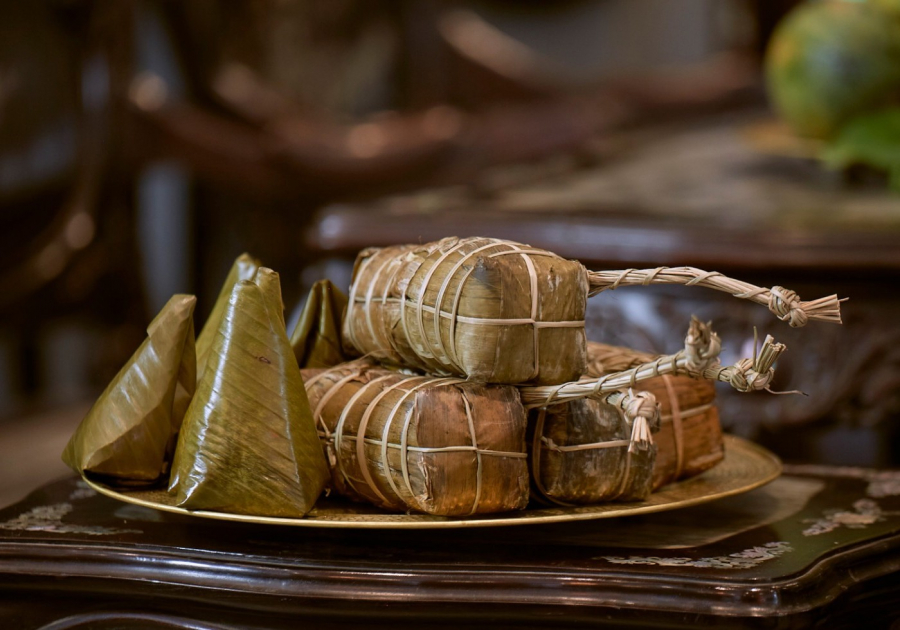
Dishes that are never absent from the Tet (Lunar New Year) feast in Southern Vietnam are banh tet (sticky rice cake), bitter melon soup stuffed with meat, and braised pork with eggs. Unlike banh tet from Central Vietnam, which only has mung bean or pork filling, banh tet from Southern Vietnam has a more diverse filling, which can be meat, banana, or red bean, depending on individual taste and preference. Southerners also believe that bitter melon soup stuffed with meat symbolizes bidding farewell to the misfortunes of the old year and welcoming good fortune in the new year. Braised pork with eggs, on the other hand, is considered auspicious in feng shui, symbolizing the harmony of yin and yang, and is believed to balance energy in the body.
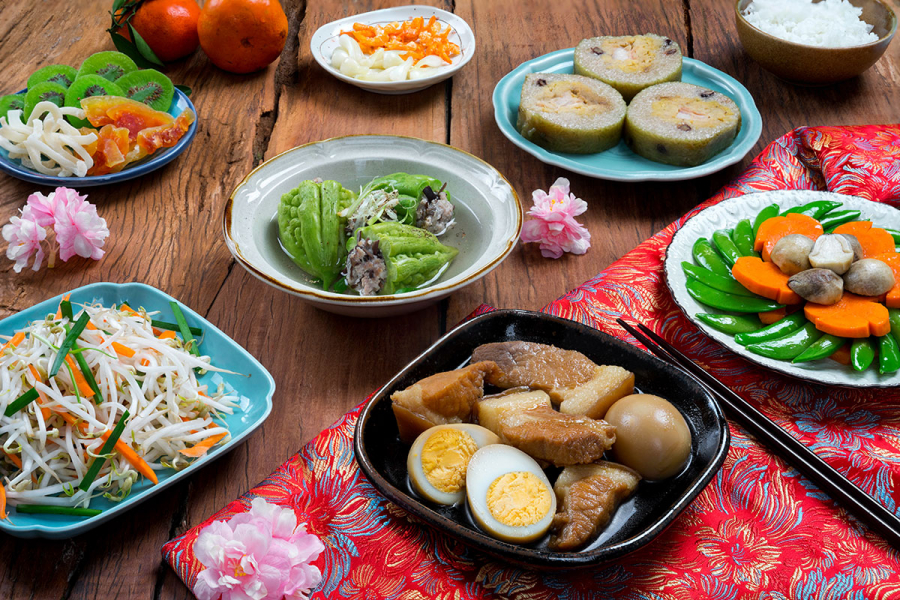
While people in Northern Vietnam enjoy pickled onions and those in Central Vietnam prefer pickled shallots, people in Southern Vietnam are addicted to pickled bean sprouts and pickled vegetables. As Tet (Lunar New Year) approaches, every household will stock up on a large jar of pickled bean sprouts to eat with other dishes, stimulating the taste buds and effectively preventing satiety.
Besides that, some families also prepare countless other delicious dishes such as spring rolls, sausages, shredded boiled chicken, flower-shaped meatballs... along with various sweets and preserves such as coconut jam, custard apple jam, pumpkin jam, tamarind jam... to make the Tet feast even more complete.