VI
VI


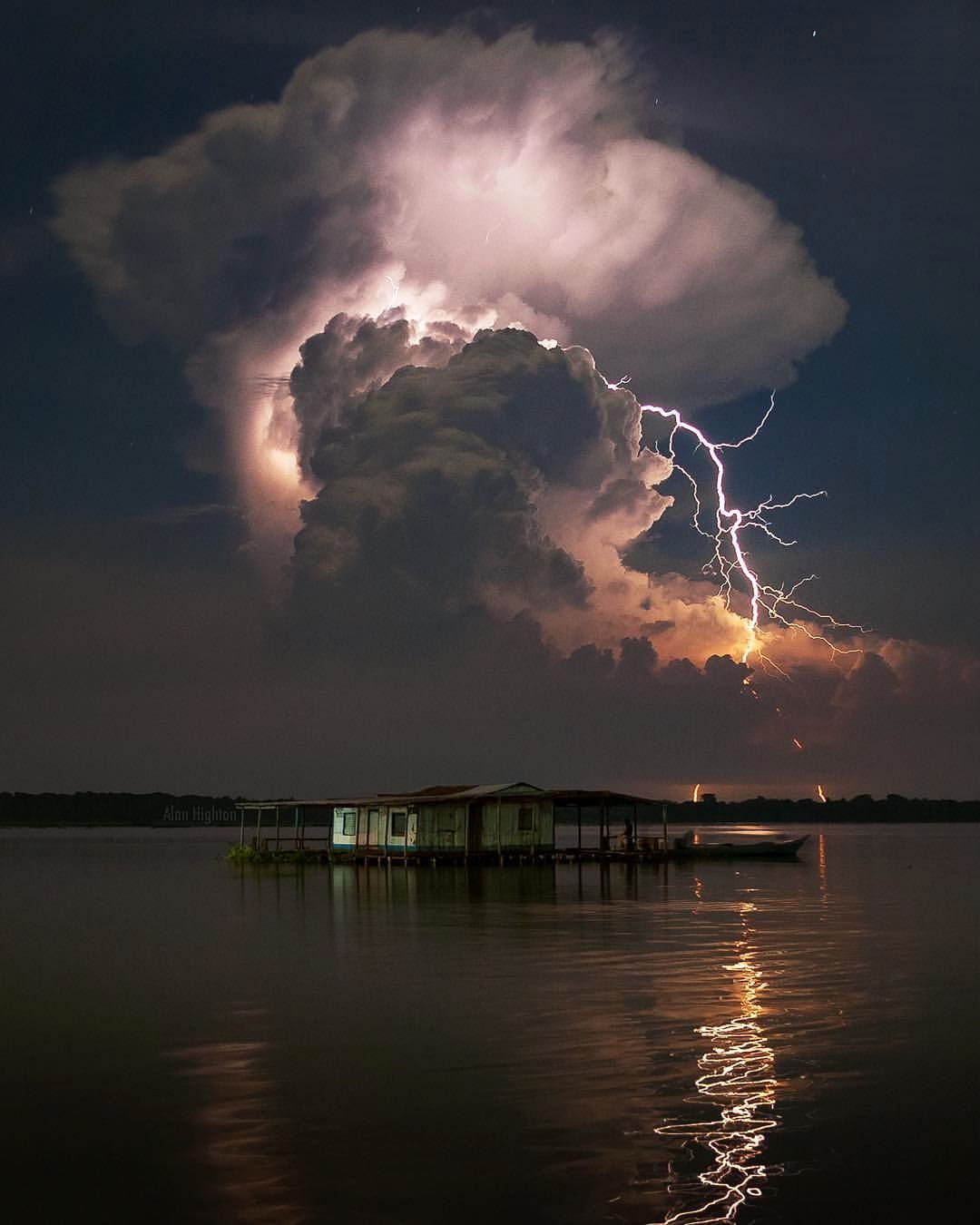
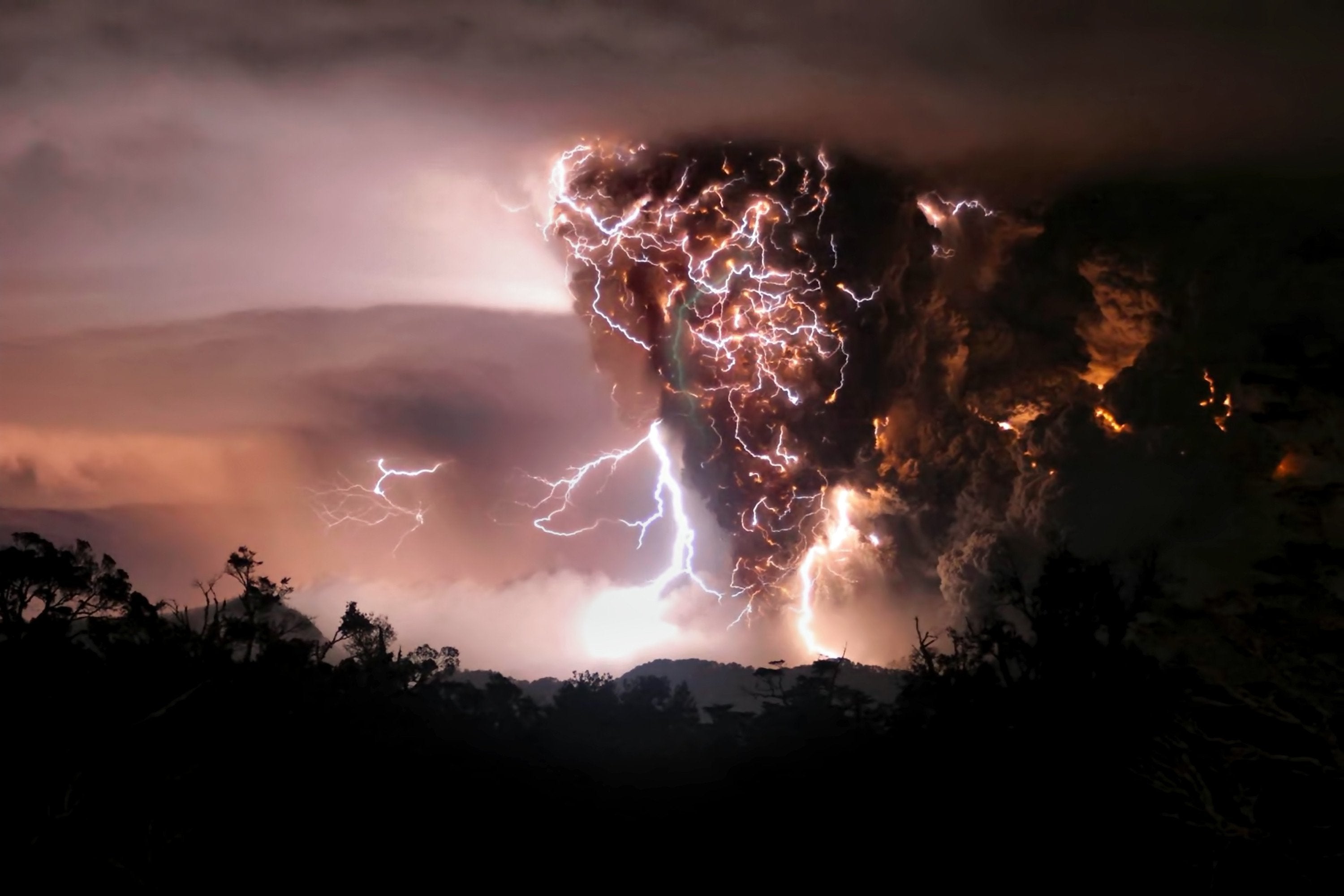
Catatumbo lightning is a unique atmospheric phenomenon in Venezuela. It occurs only at the mouth of the Catatumbo River – the area where it flows into Lake Maracaibo, Zulia State, northwestern Venezuela. This area records the highest number and frequency of lightning strikes in the world, averaging 140-160 nights per year, 10 hours per day, and 28 strikes per minute. This perpetual lightning phenomenon disappeared from January to April 2010 due to drought.
Thunderstorms have gradually become a part of life for the local people here. Visitors from afar, especially photographers, go to great lengths to capture the most beautiful lightning strikes. According to the Guinness Book of Records, the record for lightning strikes here was once recorded at 300 times per year.

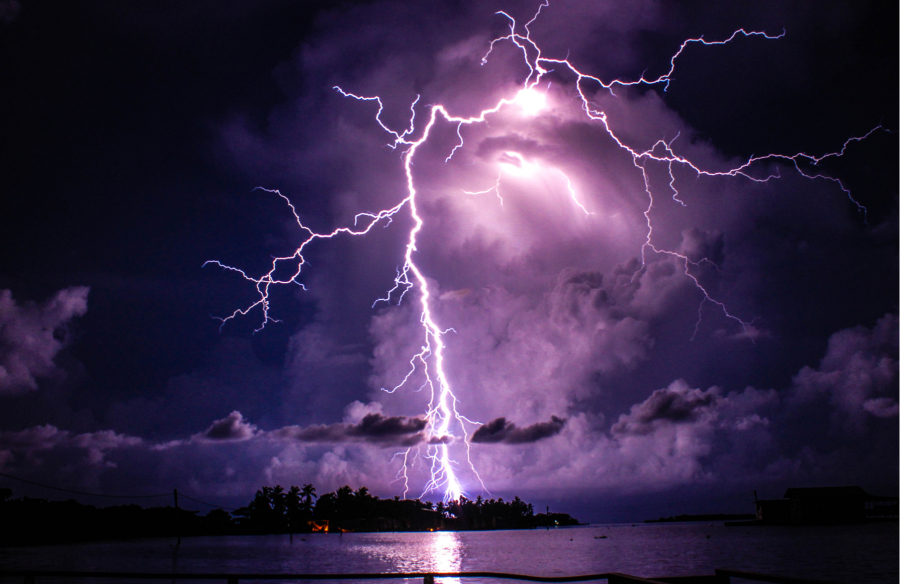
Catatumbo lightning originates from large storm clouds at altitudes above 5,000 meters. Depending on the humidity of the air at night, the lightning appears in different colors and can even change color overnight. When humidity is high, the water droplets in the air are very small. They act like prisms, scattering light and creating beautiful lightning flashes in a range of colors from bright red, pink, orange to purple. When humidity is low, the lightning flashes are white.
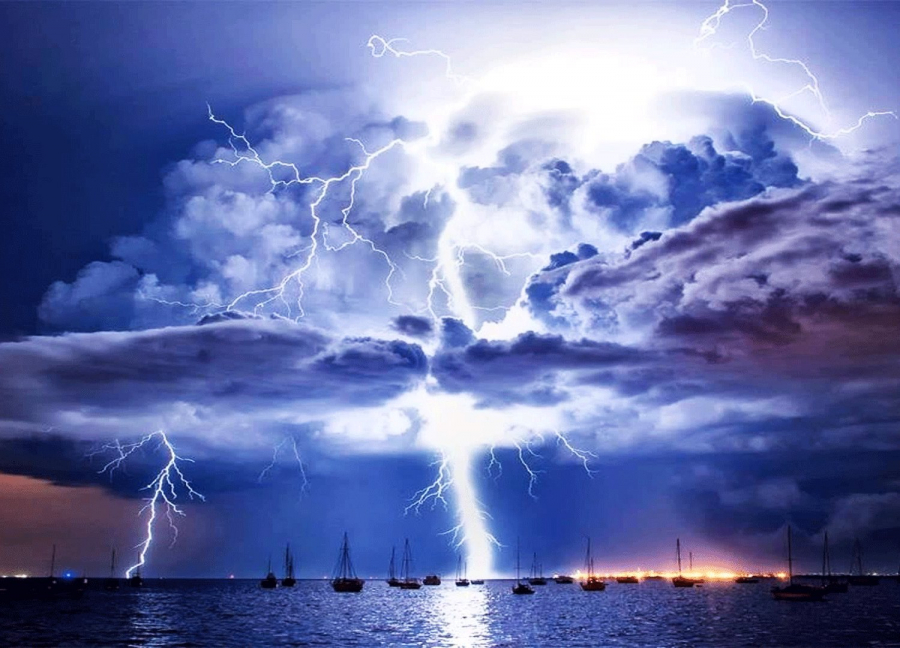
To date, both locals and scientists have offered numerous explanations for this fascinating natural phenomenon, but none have been definitively concluded. However, the most common explanation for this unique occurrence is that the combination of the topography of Lake Maracaibo and the regional atmosphere, such as wind and temperature, are responsible for the formation and development of large storms.