VI
VI


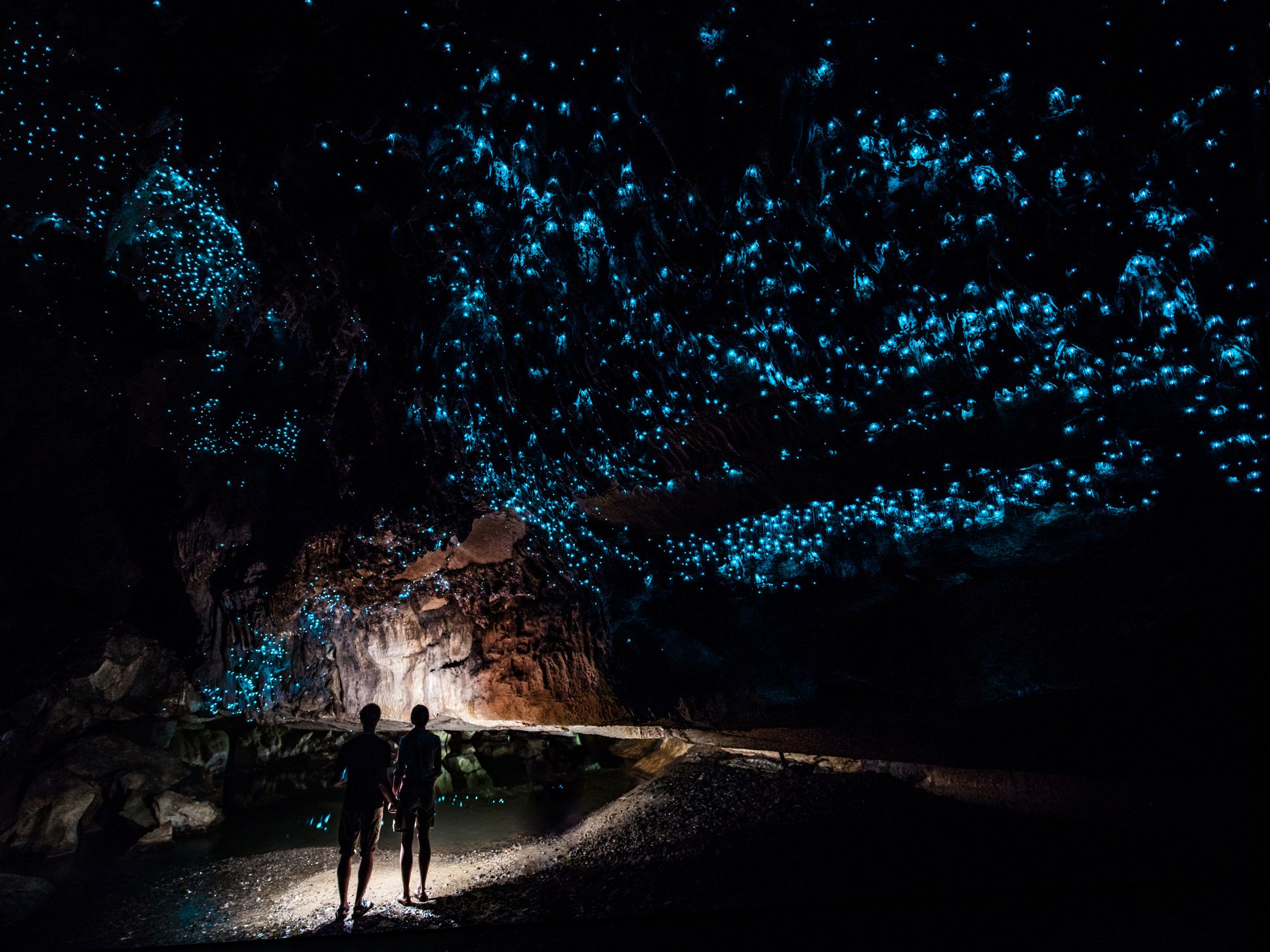
The Waitomo Caves are located just outside the town of Waitomo on New Zealand's North Island. "Wai" in Maori means water and "tomo" means hole or opening. The Waitomo cave system, which includes the Ruakuri and Aranui caves, is a popular destination for tourists worldwide who come to admire and explore its magical blue light.
Waitomo Caves was first discovered in 1887 by Maori chief Tane Tinorau and a British explorer, Fred Mace. The Maori had long known of the caves' existence, but the underground caverns had never been extensively explored until Fred and Tane set out to investigate. They built a raft from flax stalks and, armed with candles and torches, ventured into the caves. Inside, they were amazed by the shimmering light of fireflies emanating from the cave ceiling. Further into the caves, towards an embankment, they were even more astonished by the dense and intricate layers of limestone within. Excited by their discovery of such a magnificent cave, they returned several times to continue their exploration. During one solo trip, Chief Tane discovered the upper entrance to the caves, which is now the main entrance. In 1889, Tane Tinorau opened the cave to tourists. Since 1906, the New Zealand government has taken ownership of the cave, with Tane Tinorau and his wife receiving a percentage of the cave's revenue and participating in its management and development.

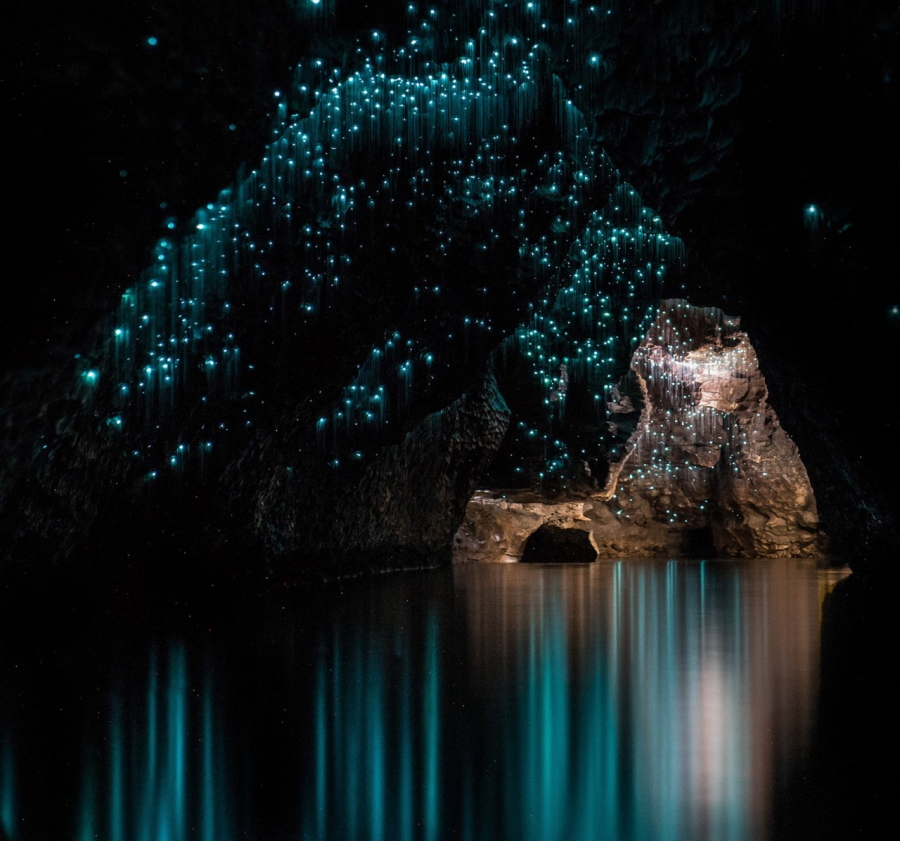
Over the years, under the influence of flowing water, the Waitomo Caves have formed millions of stalactites and stalagmites, creating an incredibly rich ecosystem within the caves. As visitors venture deeper inside, they are amazed by the majestic cave system, which is also home to hundreds of different species of organisms.
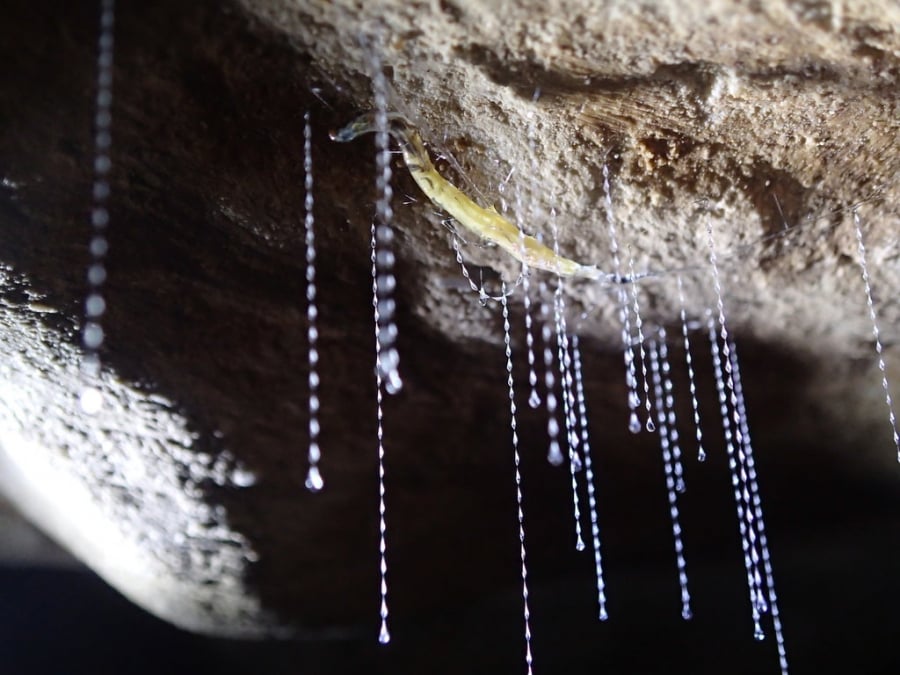
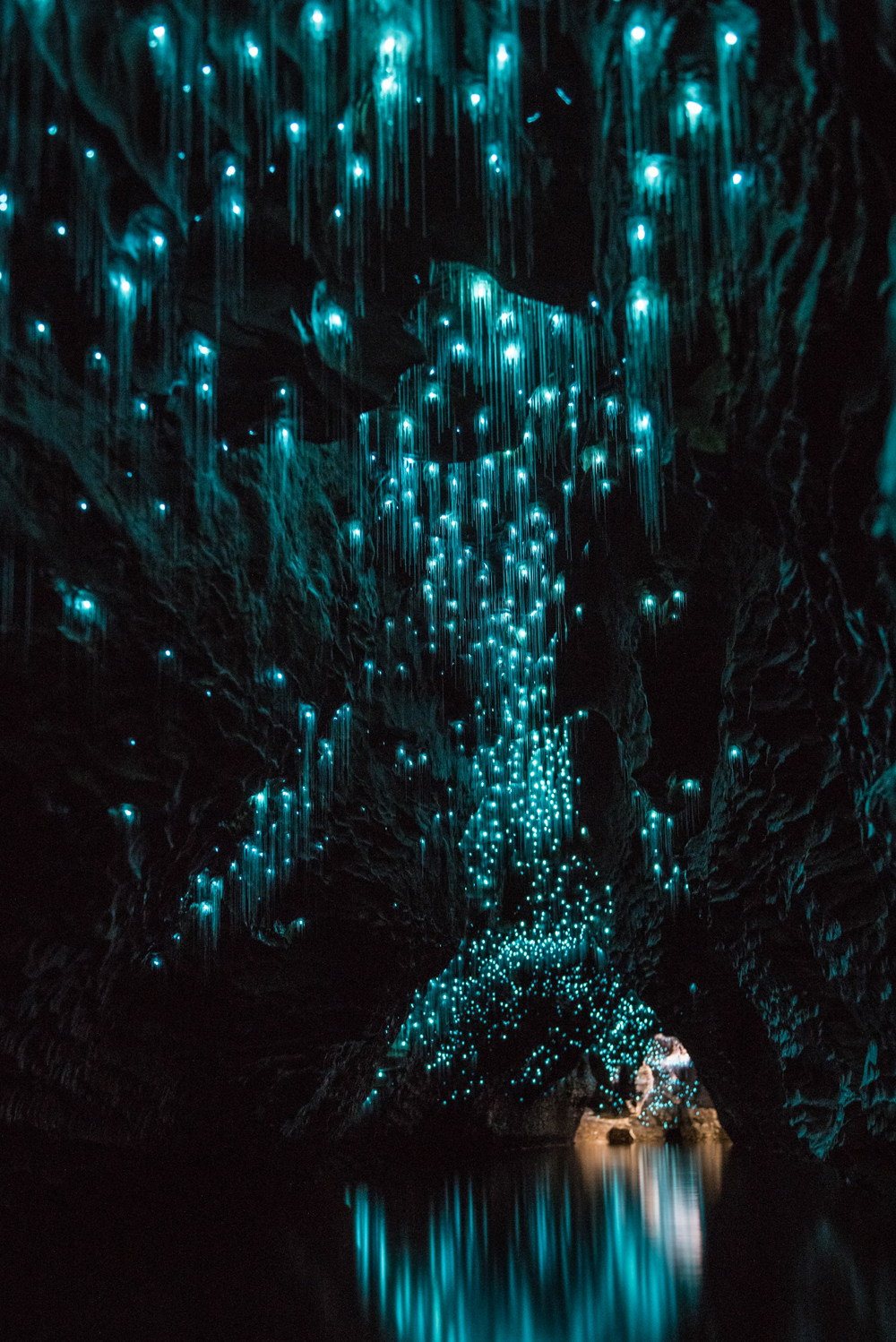
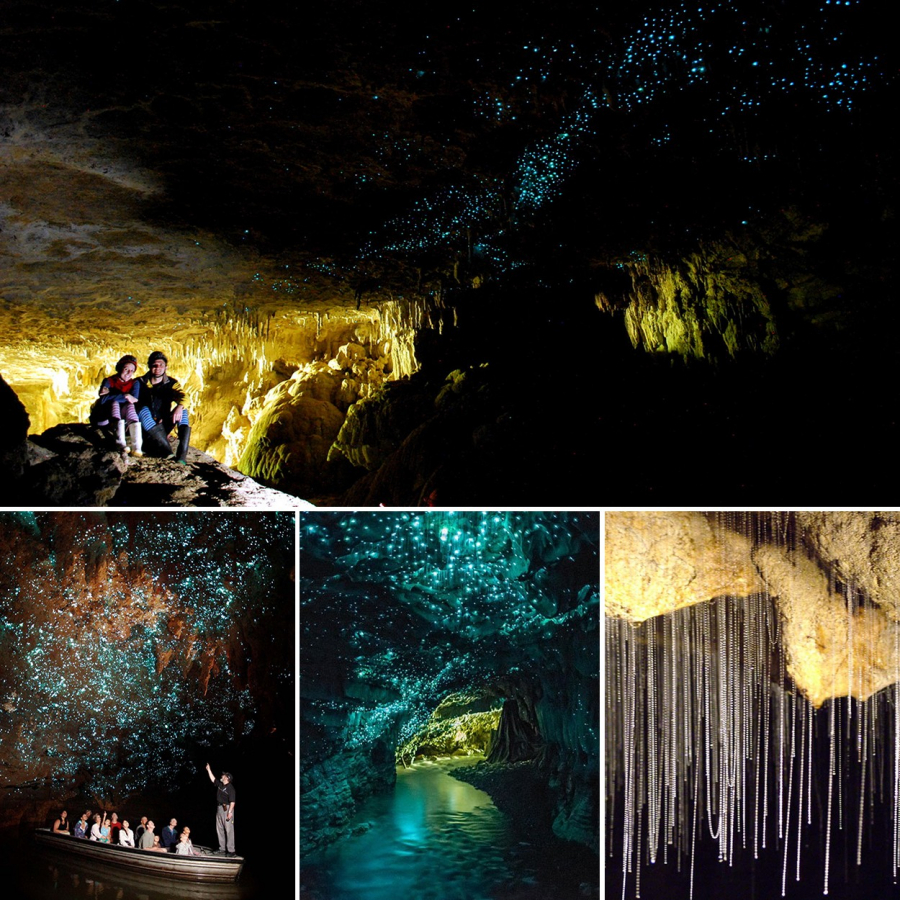
Firefly larvae hang suspended from the cave ceiling like strings of sparkling crystals.
Located more than 45 meters underground, with its unique cave structure and shape shaped by the effects of nature over time, the Waitomo Caves are home to the glowworm Arachnocampa luminosa, a species found only in New Zealand. The larvae of this glowworm hang suspended from the cave ceiling like strings of sparkling crystals. Adult glowworms use bioluminescent material produced from their tails to attract mates and lure other insects into their traps.
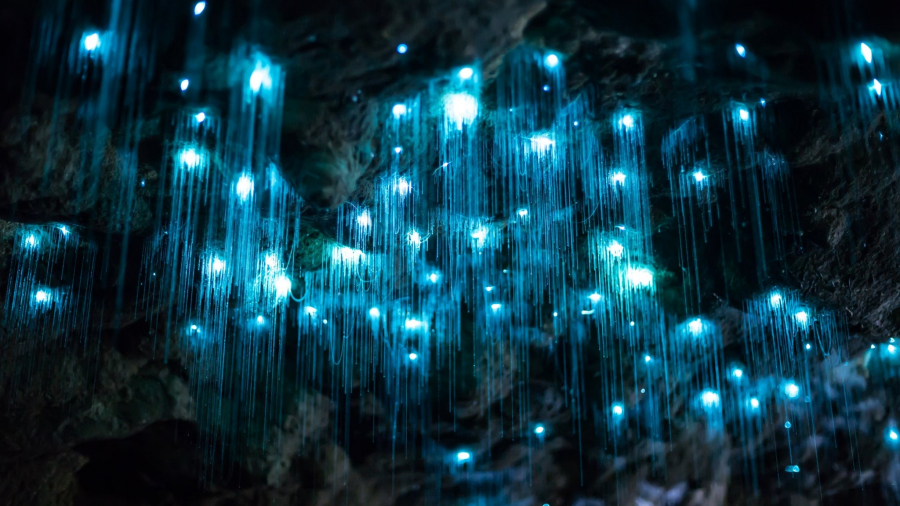
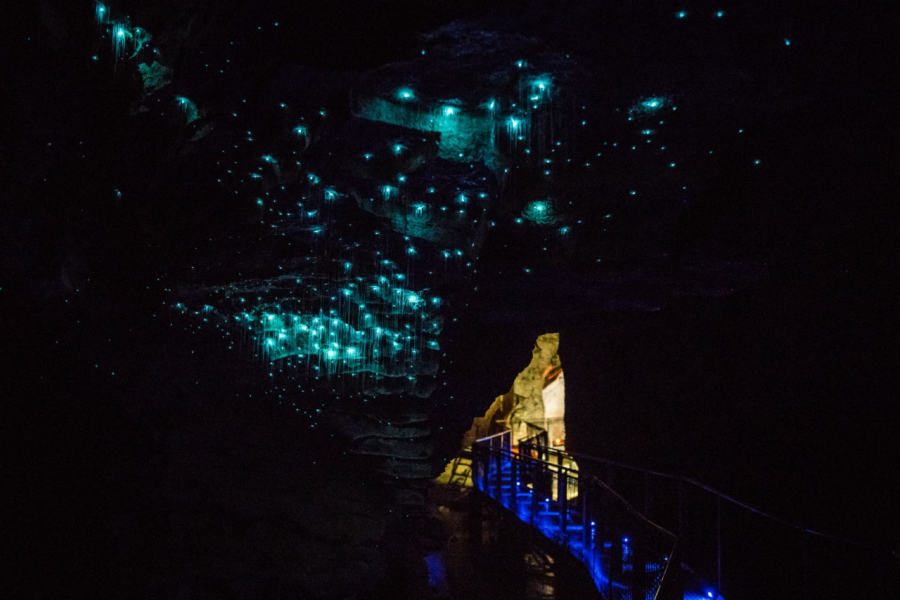
The magical light of Arachnocampa luminosa fireflies shimmers along the Waitomo River, as if you could reach out and touch a galaxy of countless twinkling stars, as if a fantastical world from the movie "Avatar" were unfolding before your eyes. This wondrous light flickers on and off with the sounds within the cave. As the boat slowly glides along, you'll be captivated by the rows of light hanging naturally like soft silk ribbons, extending to the very end of the cave like tiny lamps adorning the magnificent stalactites. This ethereal light blends with the clear, tinkling sound of dripping water, creating a fairytale scene on earth.
To preserve the "Milky Way on Earth" at the Waitomo Caves, New Zealand scientists constantly monitor and analyze air quality indices, humidity, temperature, and CO2 levels.2Inside the caves, meticulous attention is paid to monitoring the changes in Waitomo, and based on this, the number of visitors allowed each day is adjusted. These strict regulations are in place to protect and prevent humanity from losing such a magnificent and wondrous natural treasure.