VI
VI


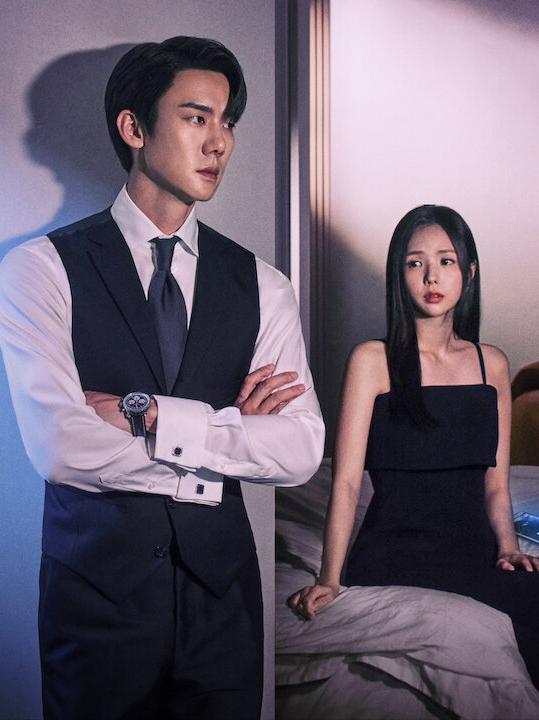
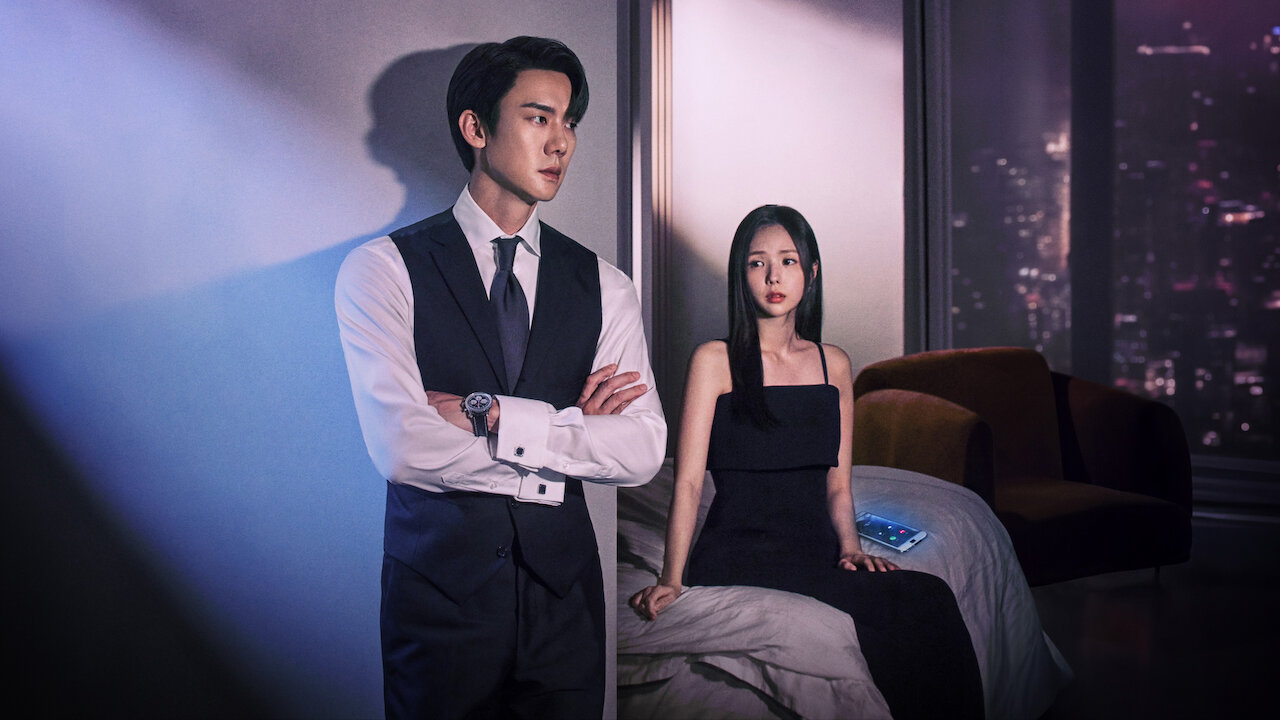
The television drama "When the Phone Rings," starring Yoon Yeon Seok and Chae Soo Bin, is attracting considerable attention from Asian audiences despite having only aired two episodes. The series goes against current Korean trends, incorporating elements often criticized, such as outdated tropes like the CEO and his delicate wife, family-based marriages, marriage before love, and a male lead who appears cold but is actually warm inside. Despite the controversies, "When the Phone Rings" continues to climb to the top of Netflix's most-watched charts.

A cheesy script, yet it consistently tops the discussion charts in many countries.
The film explores a captivating love story between a domineering, outwardly cold but inwardly warm CEO and his beautiful young wife. It begins with a tense situation where the female protagonist is kidnapped but secretly uses the kidnapper's phone to blackmail the male protagonist into divorcing her. The unique relationship between the male protagonist and his wife, who has the "selective" ability to speak, creates intense curiosity and intrigue.
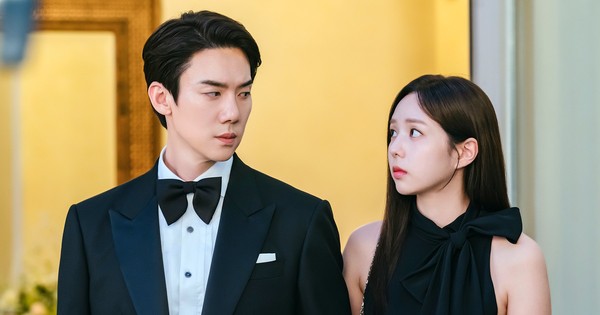
"When The Phone Rings" skillfully blends romantic and suspenseful elements to create a dramatic opening.
The male lead, Yoo Yeon Seok, perfectly embodies the image of a powerful CEO through his demeanor and charisma. Meanwhile, the female lead, Chae Soo Bin, with her innocent "white lotus" appearance but incredibly intelligent and strong personality, creates a fresh feeling for viewers. After only two episodes, the drama has created a sensation, becoming the focus of attention for audiences everywhere.
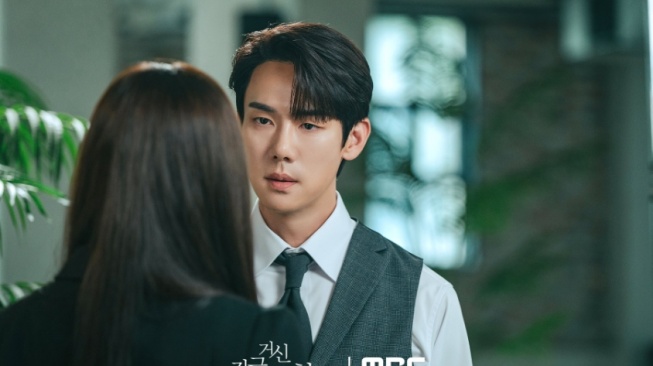
Besides, despite some opinions that the film uses "cliché" or "old wine in new bottles," "When the Phone Rings" still receives great love from the audience thanks to its creative storytelling.
Screenwriter Kim Ji Woon explained that although the main genre is romance, the drama seamlessly transitions between comedy, thriller, and even action, reflecting the characters' evolving emotions. Director Park Sang Woo added that what initially seems like a love-hate relationship within an arranged marriage is actually a story about true love that has existed for over 20 years.
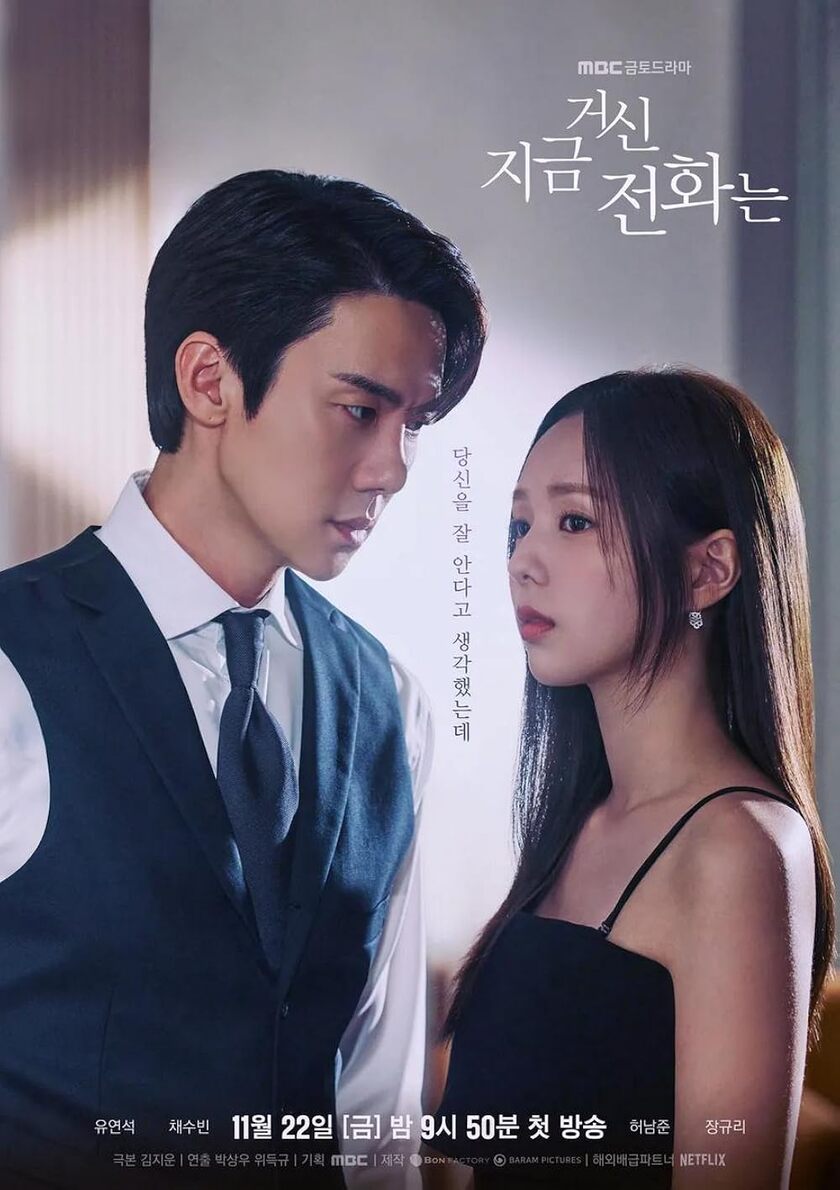
Not only did "When the Phone Rings" take the country by storm, it also captivated international audiences.
"Old wine in new bottles"
According to statistics following the airing of episode 2 on November 24th, "When the Phone Rings" ranked in the top 4 of Netflix's hottest TV series globally. The series also reached the top 10 in 69 countries, and ranked number 1 in 31 countries, including Vietnam, Thailand, Brazil, and Indonesia. In China, the birthplace of romantic dramas, "When the Phone Rings" generated significant discussion on Weibo, Xiaohongshu, and Douyin. The show was well-received by Chinese netizens for its cinematography and the actors' performances, which were deemed pleasant and engaging.

The "domineering CEO" archetype once dominated romance literature and film. Works with this motif often created a perfect world where love could overcome all material and social barriers. However, this excessive idealization made the archetype unrealistic and difficult to empathize with from the audience.
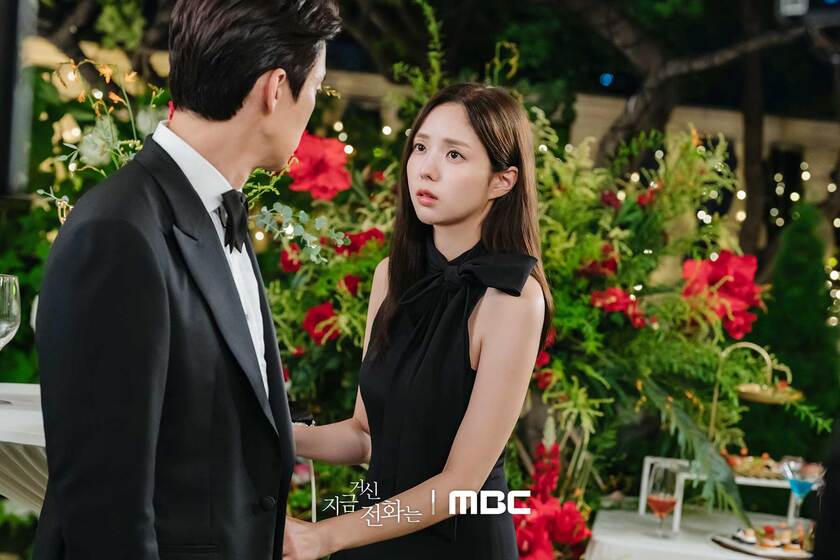
As a South Korean drama series that adopts the CEO trope from China, When the Phone Rings simultaneously pursues the "marriage first, love later" storyline, a theme that has been overused and saturated on Korean screens in the late 2000s and early 2010s.
The repetition of a motif has bored readers, making them seek out more novel stories. The success of romance novels featuring the "domineering CEO" archetype in the past also raises questions about whether this is a socio-cultural phenomenon worth reflecting upon.
Initially, with its unremarkable visuals, "When the Phones Rings" didn't receive much expectation from viewers. However, from the very first episode, the series became an unexpected hit, captivating viewers with a whirlwind of dramatic and suspenseful plot twists.
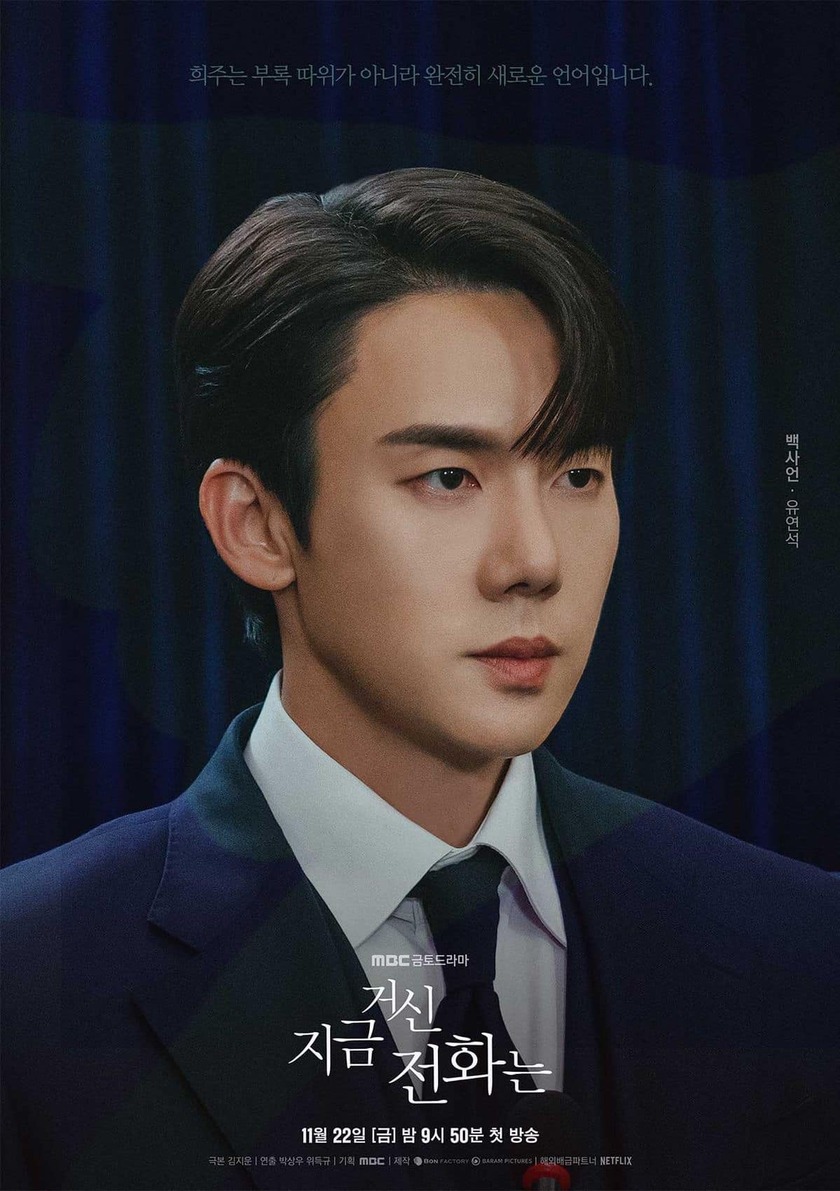
The charisma and acting skills of the male lead are what many viewers expect and look forward to.
Skillfully combining familiar elements of Chinese romance with the suspense and thrill characteristic of Korean psychological dramas, the film successfully transcends the shadow of similar films. With sophisticated cinematography and natural acting, the film not only captivated domestic audiences but also created a significant impact internationally, without making viewers feel forced or unnatural.
The interplay between thriller and romance is one of the key elements that keeps the film engaging and prevents it from falling into clichés. The story unfolds skillfully, blending the personal struggles of the characters with grand political intrigues. The clues are subtly interwoven, and every detail, however small, is tightly linked, delivering a dramatic and deeply emotional experience.
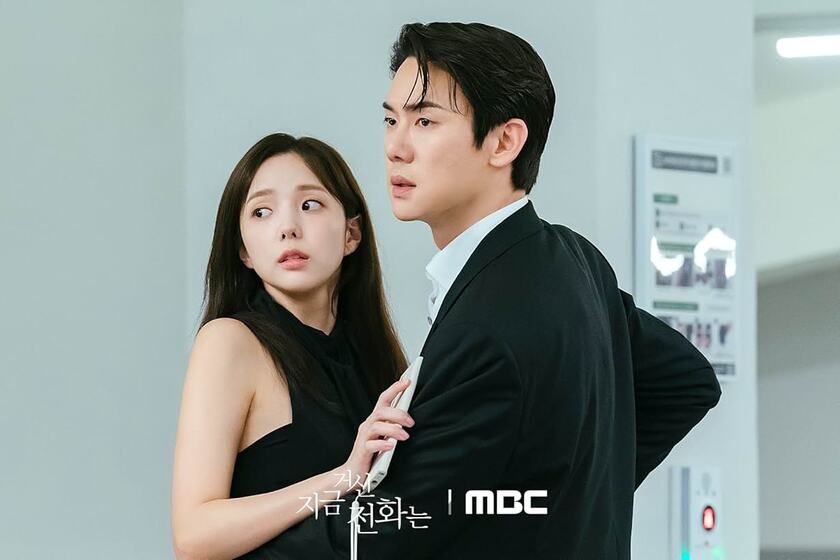
When The Phone Rings successfully breaks free from stereotypes by perfectly blending familiar elements of Chinese romance with the thrilling suspense of Korean psychological dramas.
Korean dramas often strive to stick closely to the original storyline. This not only pleases fans of the original work but also allows for a reasonable range of emotional development for the characters. In contrast, modern Chinese romance dramas often drastically alter the script, leading to rushed relationships and resulting in disjointed, illogical plotlines.
Overall, the drama "When the Phones Rings" is a wonderful treat for fans of the CEO type in romantic dramas. Baek Sa Eon's cool yet sophisticated demeanor, combined with Hong Hui Ju's strong yet gentle nature, will undoubtedly create romantic and engaging moments, keeping viewers glued to the screen.