VI
VI


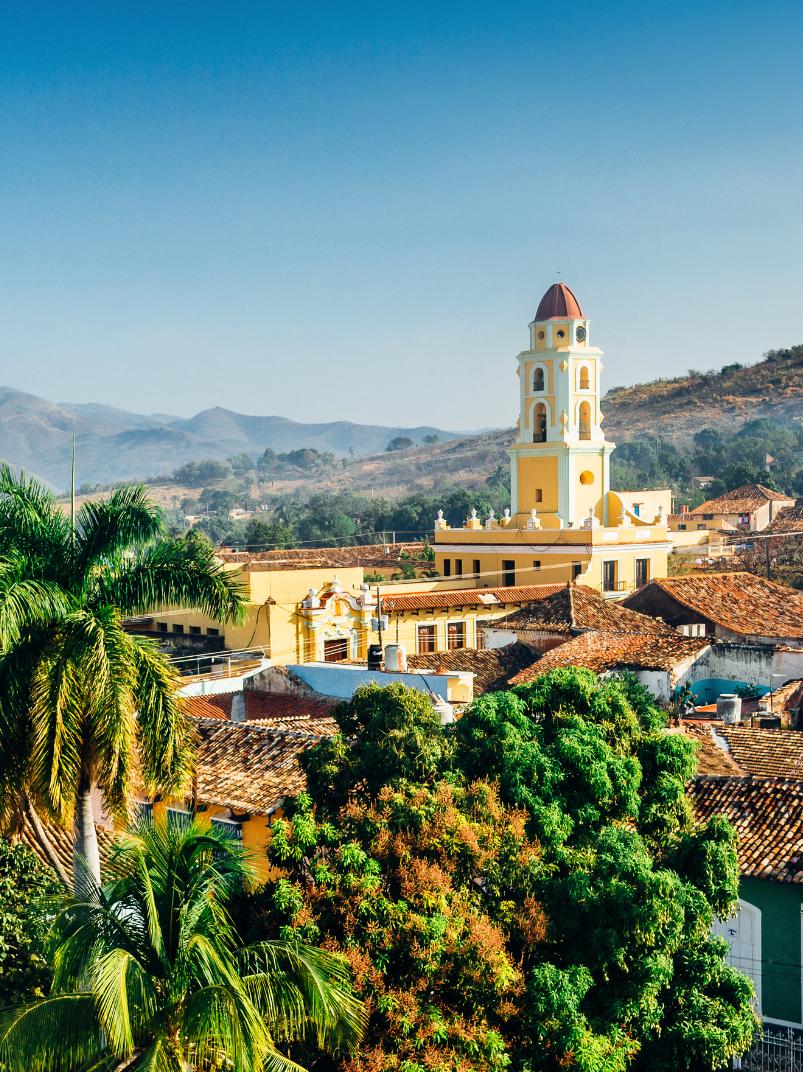
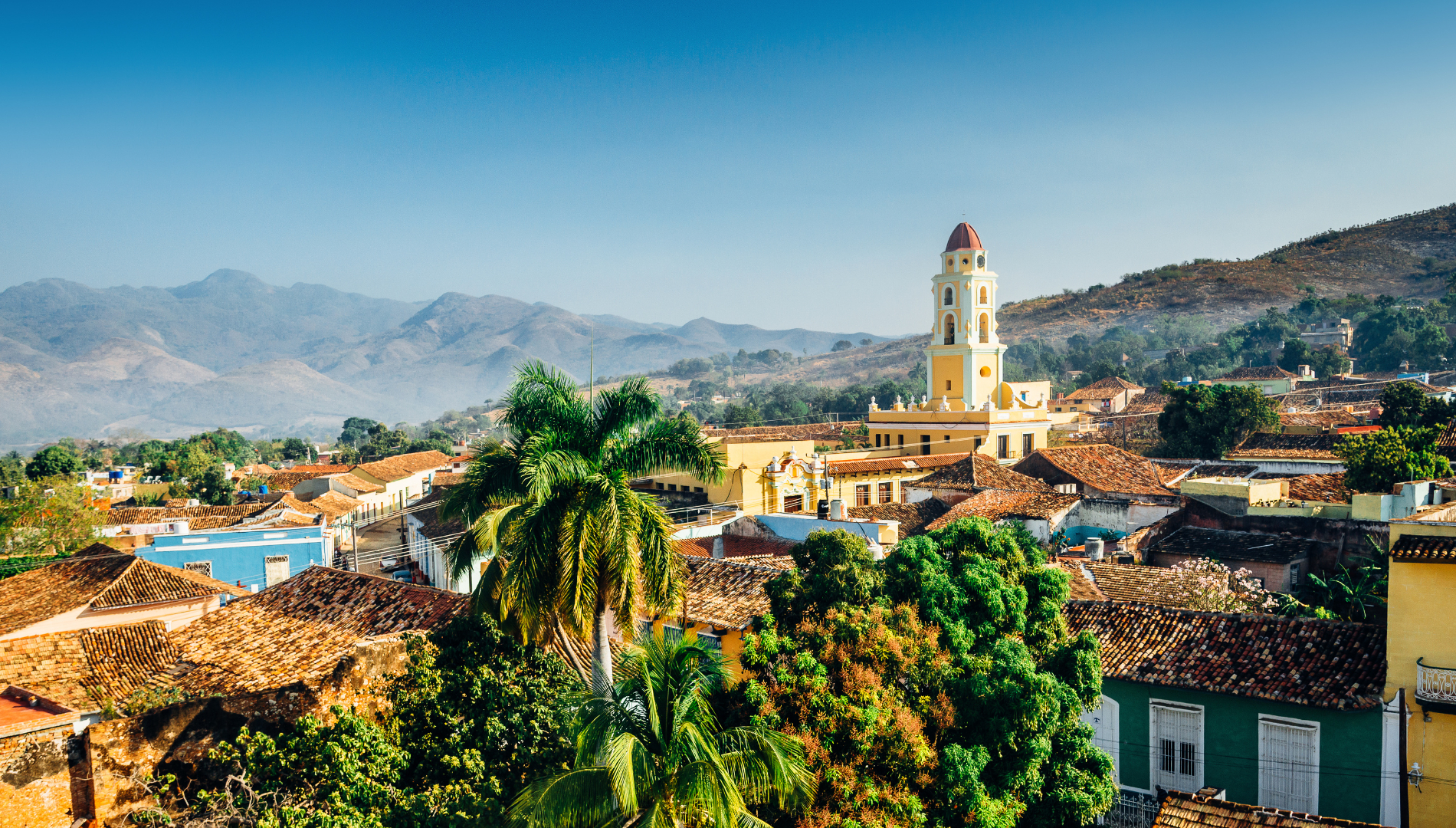
Cuban culture is a blend of many different cultures, including Spanish, African, and indigenous influences. This creates a vibrant and diverse culture, reflected in every aspect of life in Cuba.
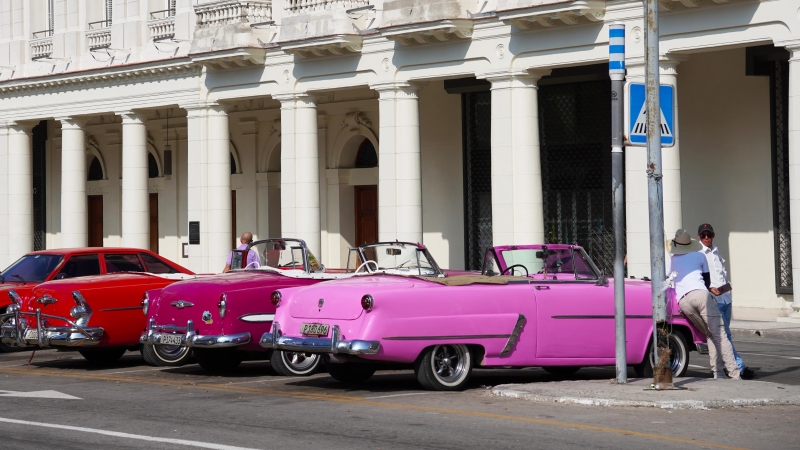
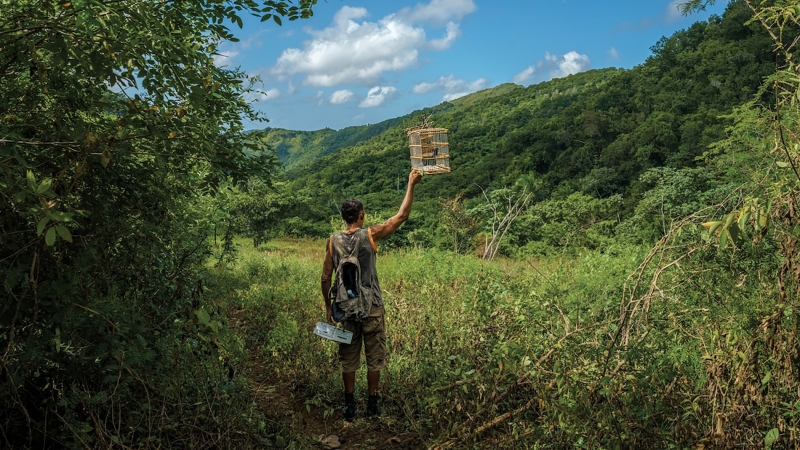
Cuba is world-renowned for its many cultural achievements. The Old Town of Havana and its system of fortifications protecting the city were recognized as a World Heritage Site by the United Nations Educational, Scientific and Cultural Organization (UNESCO) in 1982, along with many other famous sites on the island nation such as Trinidad and Valle de los Ingenios (1988), Castillo de San Pedro de la Roca in Santiago de Cuba (1997), Desembarco del Granma National Park (1999) and the Viñales Valley (1999).

Cuba is the most attractive cultural destination in the Caribbean.
Upon arriving in Cuba, visitors will be overwhelmed by the cultural landscape – a blend of rich Afro-Cuban heritage, Spanish influence, and contemporary creativity. Known as the "island of freedom," it's a place where music and dance echo through the streets, and art galleries and theaters are always vibrant, inspiring creativity in anyone who sets foot there.
Cuba is home to vibrant dance styles such as salsa, rumba, mambo, and son. Visitors can immerse themselves in the lively atmosphere of nightclubs, take dance classes, or simply enjoy street music.


This place is known as the "island of freedom".
This land boasts a rich artistic heritage with many impressive works of painting, sculpture, and photography. Visitors can explore art museums, galleries, and studios to admire the talent of Cuban artists.
Moreover, Cuba preserves many unique architectural structures bearing the distinct mark of the Spanish colonial period. Tourists can stroll through the ancient streets of Havana, Trinidad, or Santiago de Cuba to experience the nostalgic and romantic atmosphere.

Cuba - A beautiful island nation with many fascinating things to discover.
In addition, Cuba is famous for its vibrant festivals that take place throughout the year, including the Havana Carnival, the Habanos Festival, and the Viñales Festival. These are wonderful opportunities for visitors to immerse themselves in the local culture and experience the joy of life of the Cuban people.
ONEI reports that the occupancy rate of hotels in Cuba during the first few months of the year was 35.5%, an encouraging figure compared to the 32% recorded during the same period last year. The Cuban government aims to attract tourism to boost the industry's recovery towards pre-COVID-19 levels of approximately 4.5 million visitors.
Cuba expects the tourism industry to be the driving force of the national economy. According to official data, Cuba welcomed 2.4 million international tourists in 2023 and 1.6 million in 2022. These are relatively modest figures compared to the period before the COVID-19 pandemic.