VI
VI


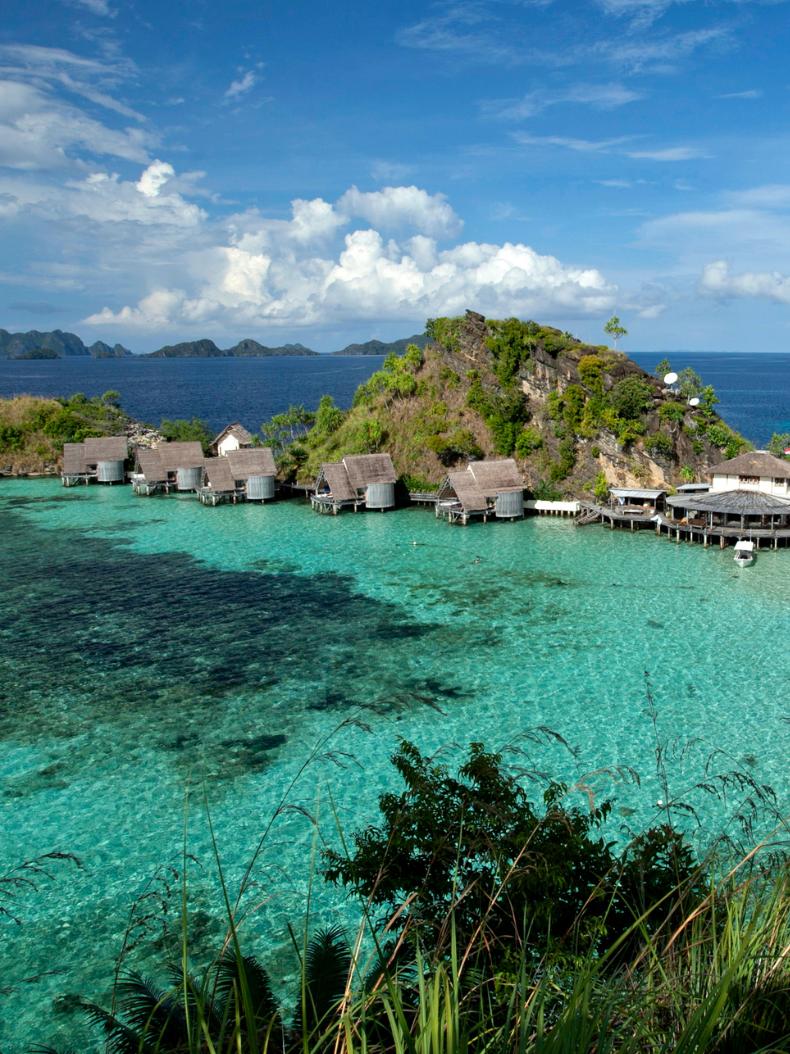

Medical tourism has been around for a long time and is now becoming a global trend, especially in the context of increasing epidemics and environmental pollution. Many experts worldwide have predicted that medical tourism will be the dominant trend in the near future, and several countries such as India, Japan, China, Thailand, and Indonesia have already implemented diverse tours focusing on this topic.
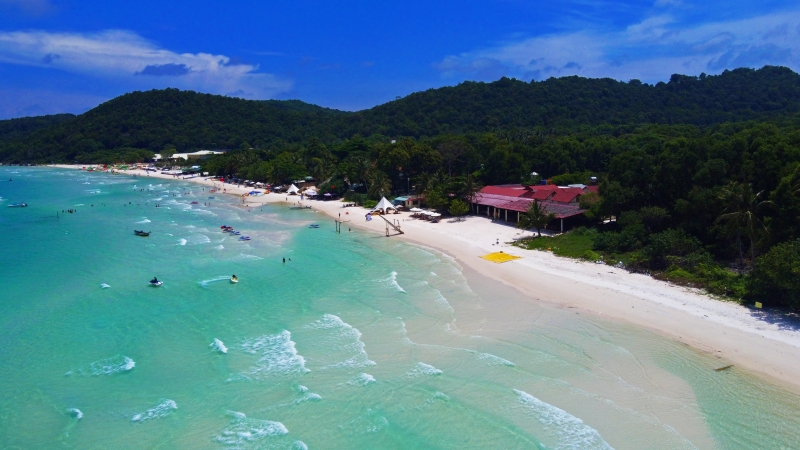

Indonesian Deputy Minister of Health, Dante Saksono Harbuwono, stated that the country will promote the development of medical tourism in the future, with funding and investment from domestic and international partners playing a strategic role in improving the quality of national healthcare services.
Indonesia aims to attract international tourists to popular destinations like Bali and Lake Toba, while also offering high-quality medical services. Tourists participating in medical tourism tend to stay longer than regular tourists, contributing to increased revenue for the local tourism industry.

With the specific goal of the national tourism development strategy being to develop resort models that combine the use of healthcare services to preserve and enhance the quality of tourism services in the country, information technology applications in management and operation, connecting the supply of tourism services and products for domestic and international tourists have also been designed to keep pace with the digital transformation trend in the tourism industry.

Indonesia aims to attract international tourists to popular destinations like Bali and Lake Toba, while also offering high-quality healthcare services.
Indonesia's long-term and attractive plans include building and upgrading high-quality hospitals, clinics, and medical facilities in popular tourist destinations. Simultaneously, it focuses on providing comprehensive training for medical staff, adopting advanced medical technologies, and ensuring medical services meet international standards. It also includes implementing medical tourism promotion programs, organizing international medical conferences, and collaborating with tourism companies to attract international tourists to Indonesia. In particular, it emphasizes providing diverse medical services to meet the needs of international tourists, such as traditional medicine and spa treatments.
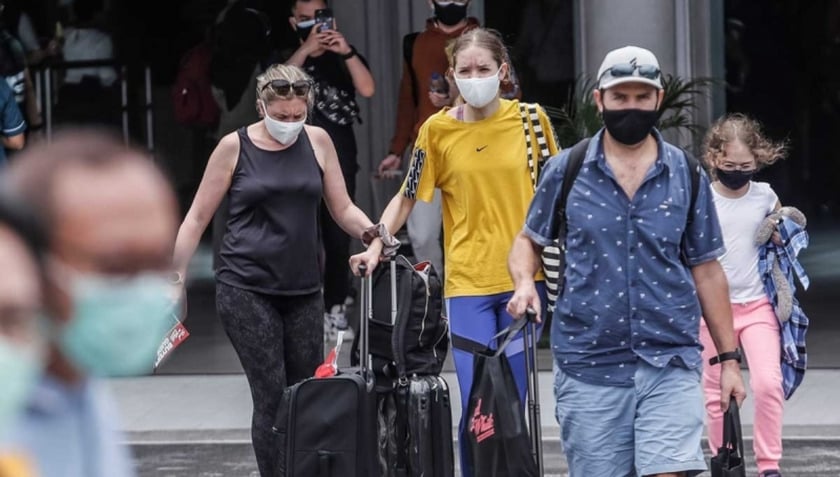
The government hopes that these reforms will open up new opportunities for cooperation and investment domestically for foreign businesses, especially in the supply of medical equipment and supplies.
With its immense potential and benefits, medical tourism is expected to become a key economic sector in Indonesia in the future. The Indonesian government and people need to continue their efforts to develop medical tourism sustainably, contributing to the benefit of the country and its people.
According to the Ministry's data, during the period 2021-2025, the country received $931.7 million in foreign financial assistance to upgrade and improve the quality of its national healthcare system. In 2023 alone, the funding amounted to approximately $276.2 million, of which nearly 48% ($131.8 million) was used in programs supporting community health and improving the quality of public health management. In addition, approximately $72.8 million (about 26.4%) was used to support training for medical professionals and upgrade medical equipment.