VI
VI


Uluru – also known as Ayers Rock – is recognized as an icon of Australia. Discovered in 1973 by explorer William Gosse, Uluru was named after former South Australian Premier Henry Ayers. Uluru has long been a sacred and revered place by many of Australia's Indigenous peoples in the region. To the Anangu Indigenous community, Uluru is considered the navel of the Earth.
Ayers Rock was formed over 600 million years ago. Once, this rock formation lay at the bottom of the sea, and incredibly, today it lies 348 meters below the surface. Even more surprising is that approximately 2.5 kilometers of this massive rock are currently underground.
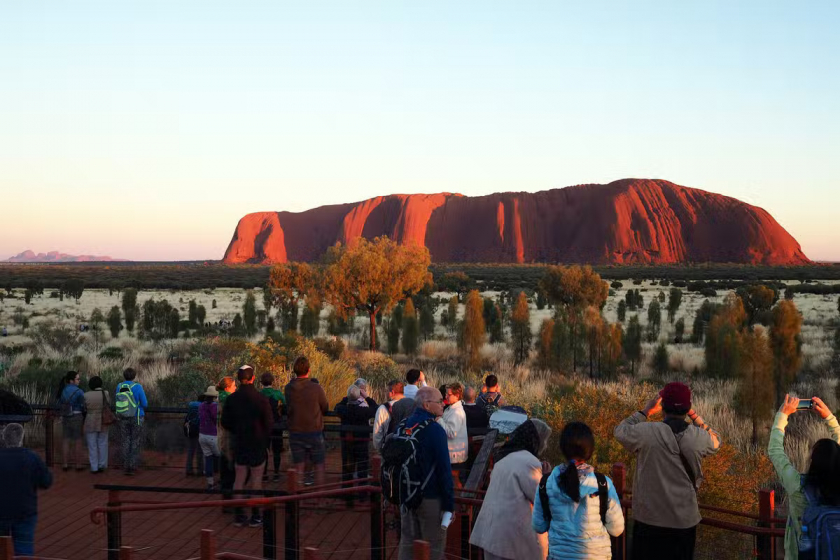
This unique rock formation is located in the heart of the Australian desert.
Ayers Rock is located in the western Simpson Desert, about 335km southwest of Alice Springs and 463km by road. It is one of the most impressive natural wonders on the planet, but not the largest, a title that belongs to Mount Augustus in Western Australia.
The highlight of Uluru rock formation is its ability to change color depending on weather conditions, climate, and different times of day. At sunset, the rocks here have a characteristic fiery red-orange sheen. The rugged, monolithic rocks, with their folds, indentations, and ancient drawings, depict the formation process, battles, and deaths of the ancestors of the Anangu people (the indigenous people who live here).

This rock formation is located within Uluru-Kata Tjuta National Park. The area was established in 1958 as Ayer Rocks-Mount Olga National Park and renamed in 1993. The national park, which includes Uluru and Kata Tjuta, was recognized as a UNESCO World Heritage Site in 1987.
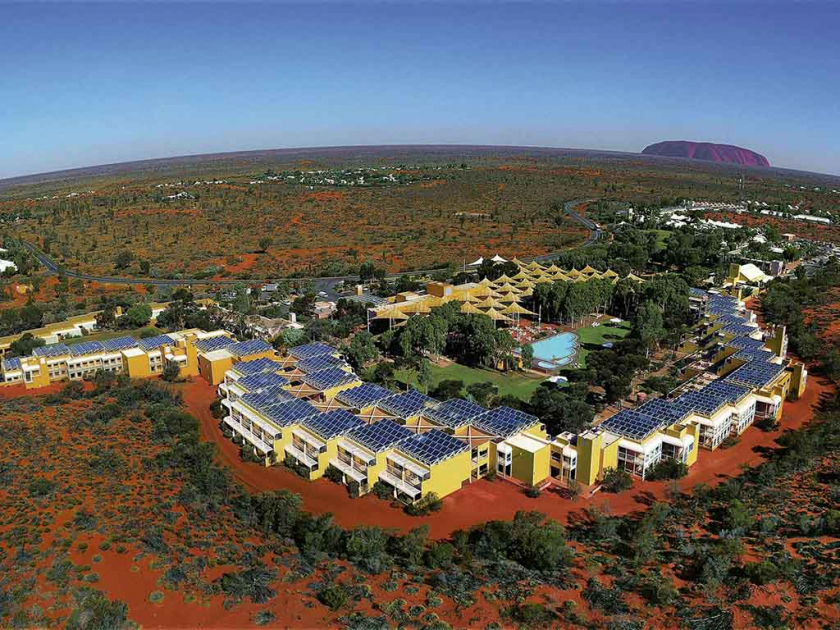
Ayers Rock Resort campsite.
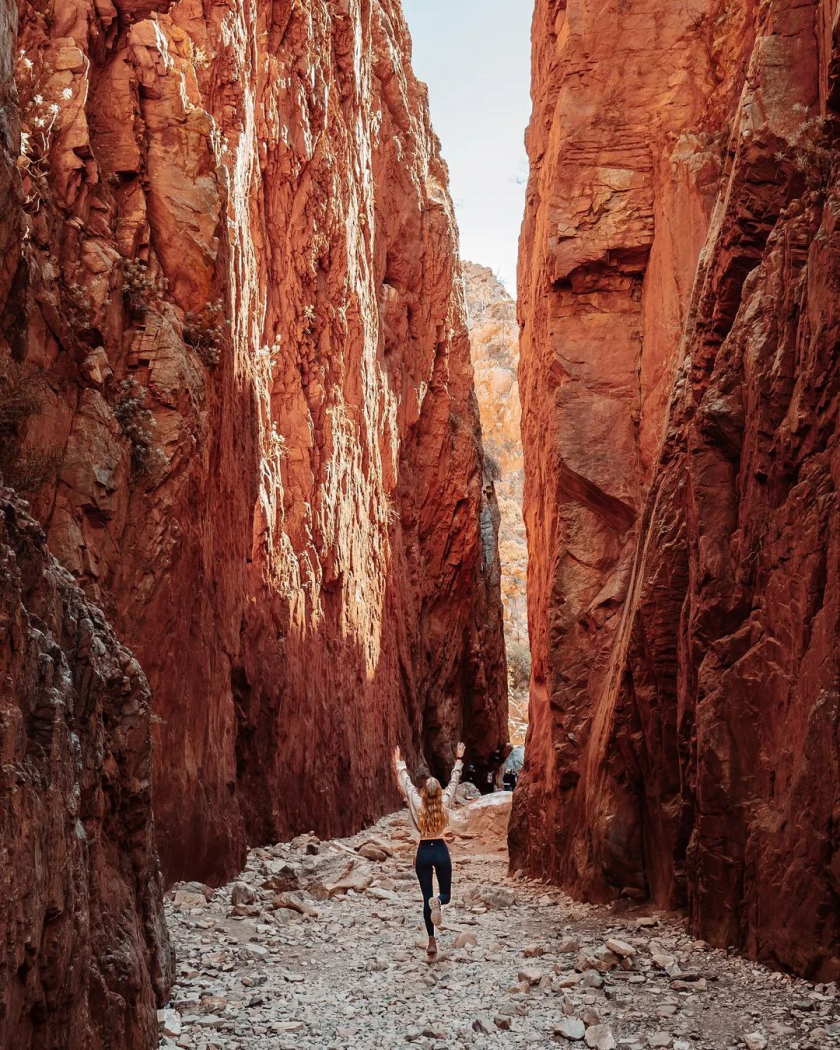
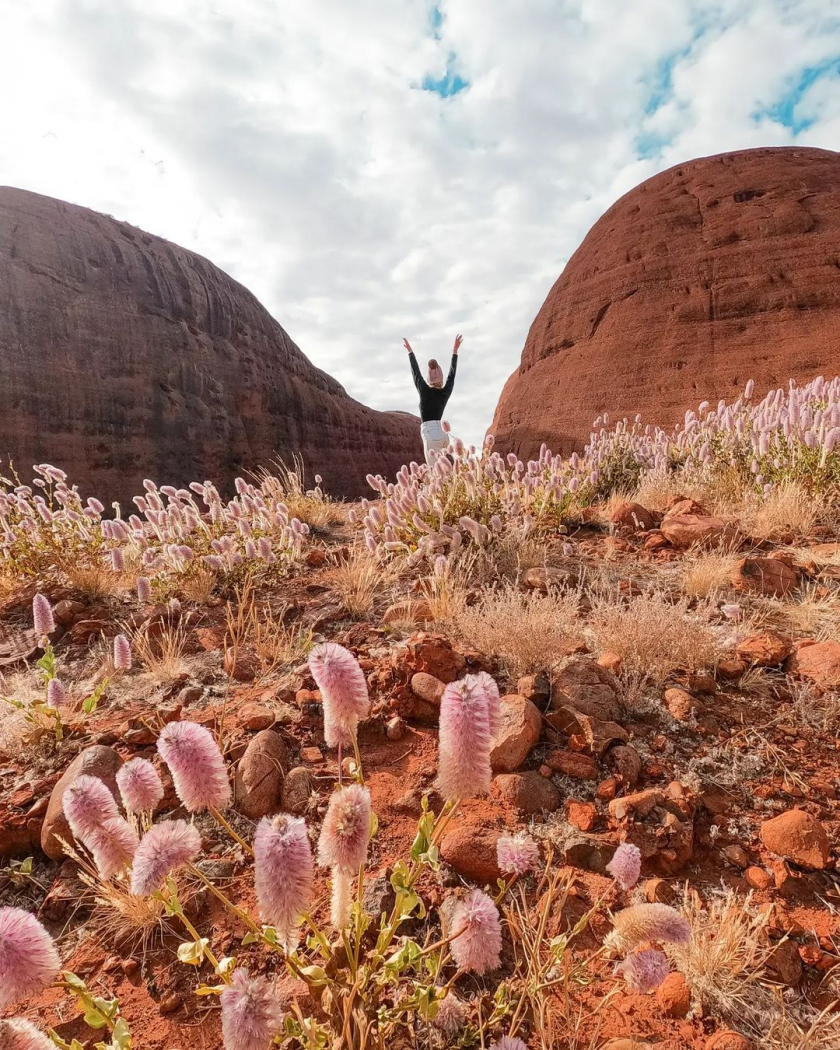
The ecosystem at Uluru-Kata Tjuta National Park is quite diverse. There are approximately 400 plant species in the park, including desert oaks, desert aspens, several eucalyptus species, and Grevillea species (a genus of shrubs and trees native primarily to Australia). Wildlife includes mammals such as red kangaroos, rodents, and many reptile and amphibian species such as geckos, lizards, and snakes. There are also over 175 bird species, notably falcons, eagles, and magpies.
The Anangu community – the owners of Uluru rock – will encourage you to walk around the rock instead of climbing it for its spiritual significance and your own safety. You can join the ranger-guided Mala hike, departing from the Mala car park every morning. The Uluru hike is a flat, strikingly red dirt path, 10km long, and takes 3.5 hours to complete.
Visitors can watch the sunrise and sunset casting their light on the changing colors of Uluru and Kata Tjuta while riding a camel. From the Ayers Rock Resort camel farm, you can enjoy panoramic views of the rock formations while sipping on some fresh beer.

Bruce Munro's Field of Light.
Ayers Rock Resort offers a variety of self-contained rooms and bungalows. You'll have surprising experiences visiting the dot painting workshop, taking scenic tours in quadcopters, and enjoying Bush Tucker – a traditional Australian dish with origins dating back to the time of the Aboriginal people. You can even learn how to prepare this dish and hear stories about the region from your local Anangu guide.
Another must-see attraction is Bruce Munro's Field of Lights, one of the largest art installations in Australian history. Over 50,000 rotating light shafts transform the desert landscape into a vibrant garden at night.