VI
VI


On Thursday evening, the musical Moulin Rouge starts at 8 PM, and viewers leave the theater after 10:30 PM. Previously, they could have a "after-dinner" at the Wo Hop Chinese restaurant a few train stations away at 11 PM or later, but now, by the time they arrive, the restaurant is already dark.
The subway has resumed overnight service, but Chinatown, which used to be open 24/7, is now closed from 10 p.m., according to The New York Times. Similarly, the French bar L'Express on Park Avenue South in Manhattan, which normally operates 24 hours a day, now closes at 2 a.m. on Fridays and Saturdays, and 11 p.m. on other days of the week.
In the same neighborhood, the coffee shop on Chelsea Street now closes at 1 a.m. instead of having an open hour. Whitestone Lanes, a bowling alley in Queens, is also no longer open 24/7 as it once was. New York, once known as the "city that never sleeps" for its vibrant pace of life, seems unable to return to its former glory after recovering from the pandemic. While the rest of America has regained its normal rhythm, New York is struggling more.
The sign says "Lights off 24/7".
There are many reasons behind this, but the most significant one is that many businesses are downsizing and struggling to hire staff. Many hotel and restaurant-related jobs have disappeared because fewer people are visiting the city or dining out. Existing jobs are difficult to fill, with late-night shifts and relatively low wages.
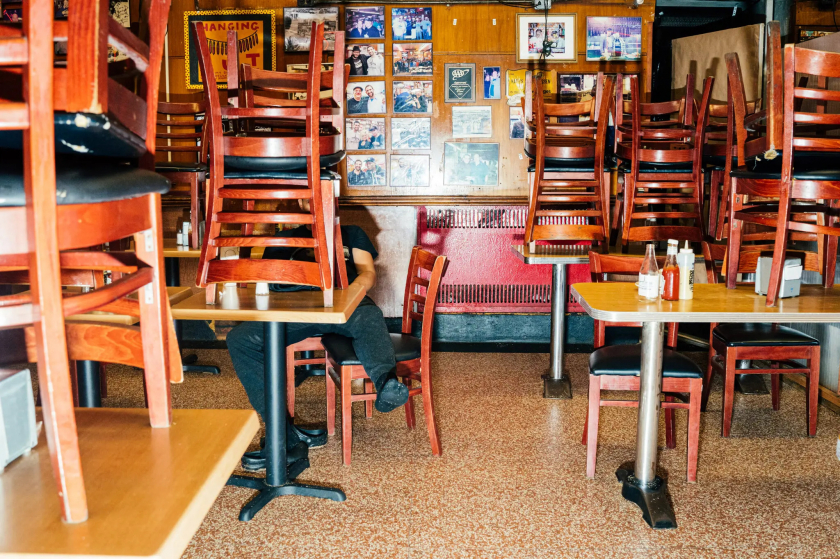
A restaurant that used to operate all night had to close early.
On Saturday night, Damon Crittendon couldn't believe his eyes when Wo Hop – his favorite late-night eatery – put up a sign saying it was closing early. He had planned to take his wife and children to the place that held so much special meaning for him during his younger years, to eat the roast duck he described as "giving him a nostalgic feeling."
Wo Hop restaurant opened in 1938, operating 24 hours a day for decades, then closing at 4:30 a.m. starting in the early 2000s. David Leung, the current owner, said: “Most of the staff here are older, and many decided to retire after the restaurant closed due to the pandemic.”

"I also don't want them working late anymore. Most of them live in Brooklyn or Queens and commute by public transport. With the attacks targeting Asians over the past few years, I'm worried about their safety," Leung added.
At 10:30 p.m., Shep Wahnon had just finished enjoying a pastry and meat soup at Veselka, a Ukrainian restaurant popular with residents of the East Village. Shep had been a regular there since 1981. What this diner noticed most was that the neon sign reading "open 24 hours" was no longer lit and the kitchen area was much quieter.
Starting as a candy stand in 1954, then transforming into a restaurant and operating all night from the 1990s until the pandemic, Veselka now closes at 11 p.m. like many other establishments. Jason Birchard, the third-generation owner, said, “I can’t find enough staff; it’s very difficult to recruit dishwashers or kitchen helpers.” The steady stream of customers from the nearby Broadway theater, such as actors and theater troupe members, has also dwindled as many have switched to working remotely.
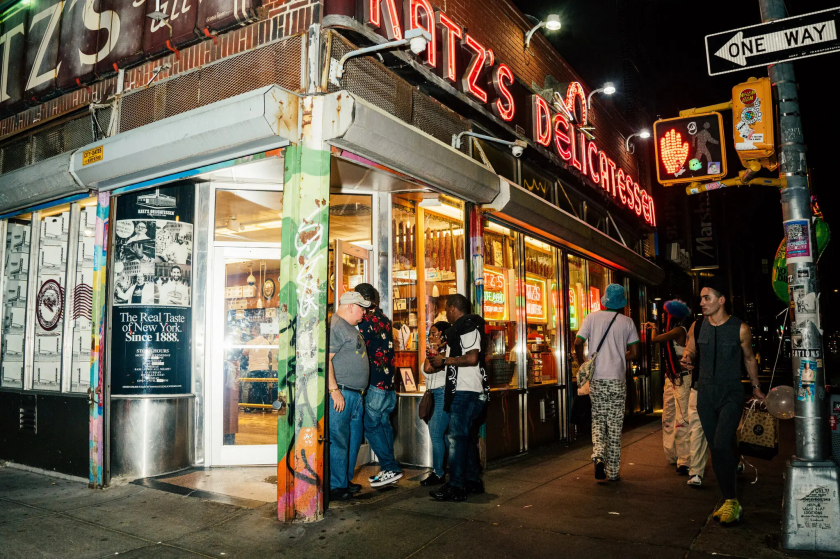
Many shops and restaurants no longer stay open all night like they used to.
Many customers have told Birchard that they miss the old atmosphere at Veselka, when they could visit the bar at midnight and still feel the hustle and bustle. Although sharing the same sentiment, the owner himself doesn't know when he'll be able to reopen for 24/7 service like before.
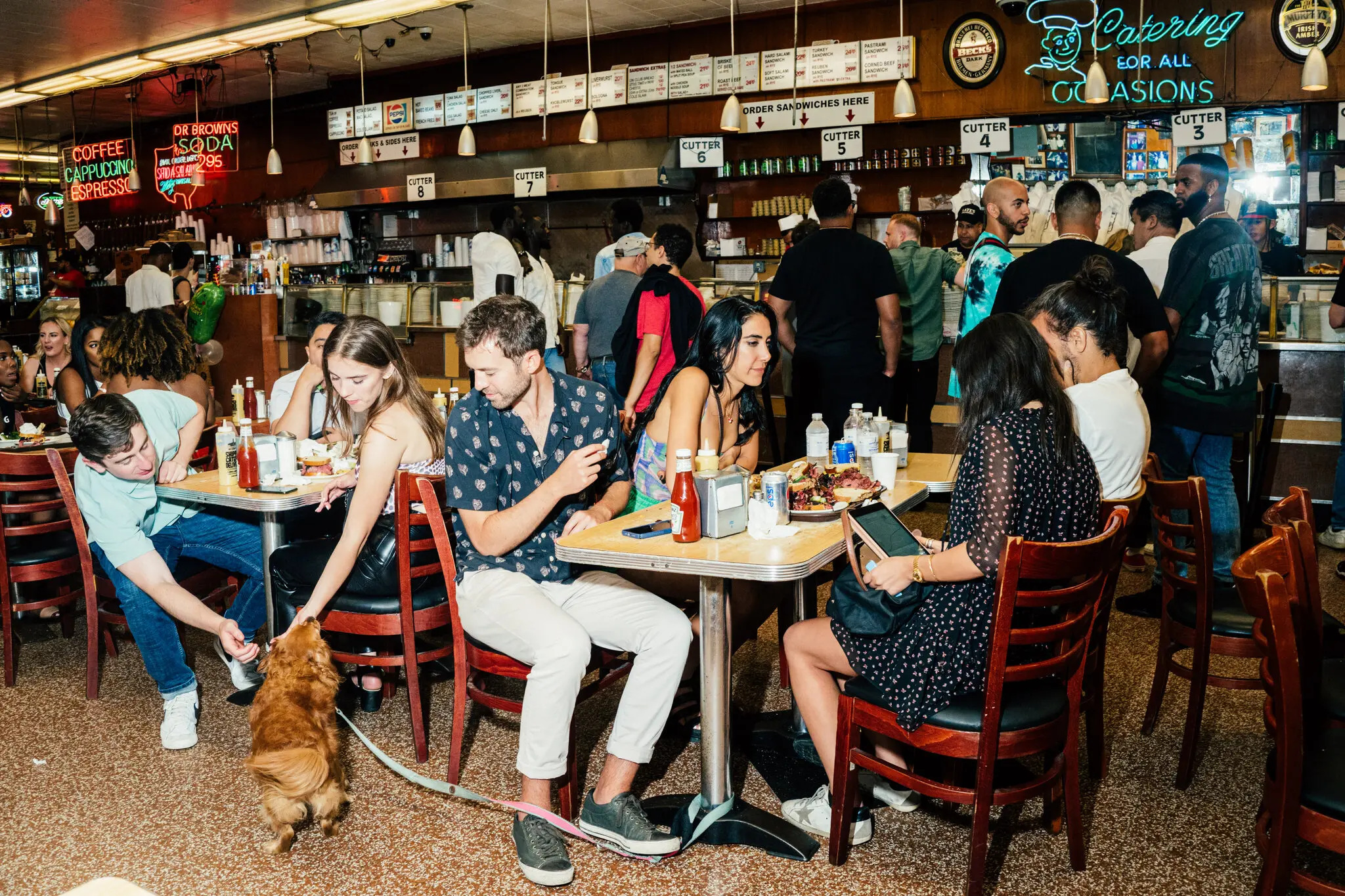
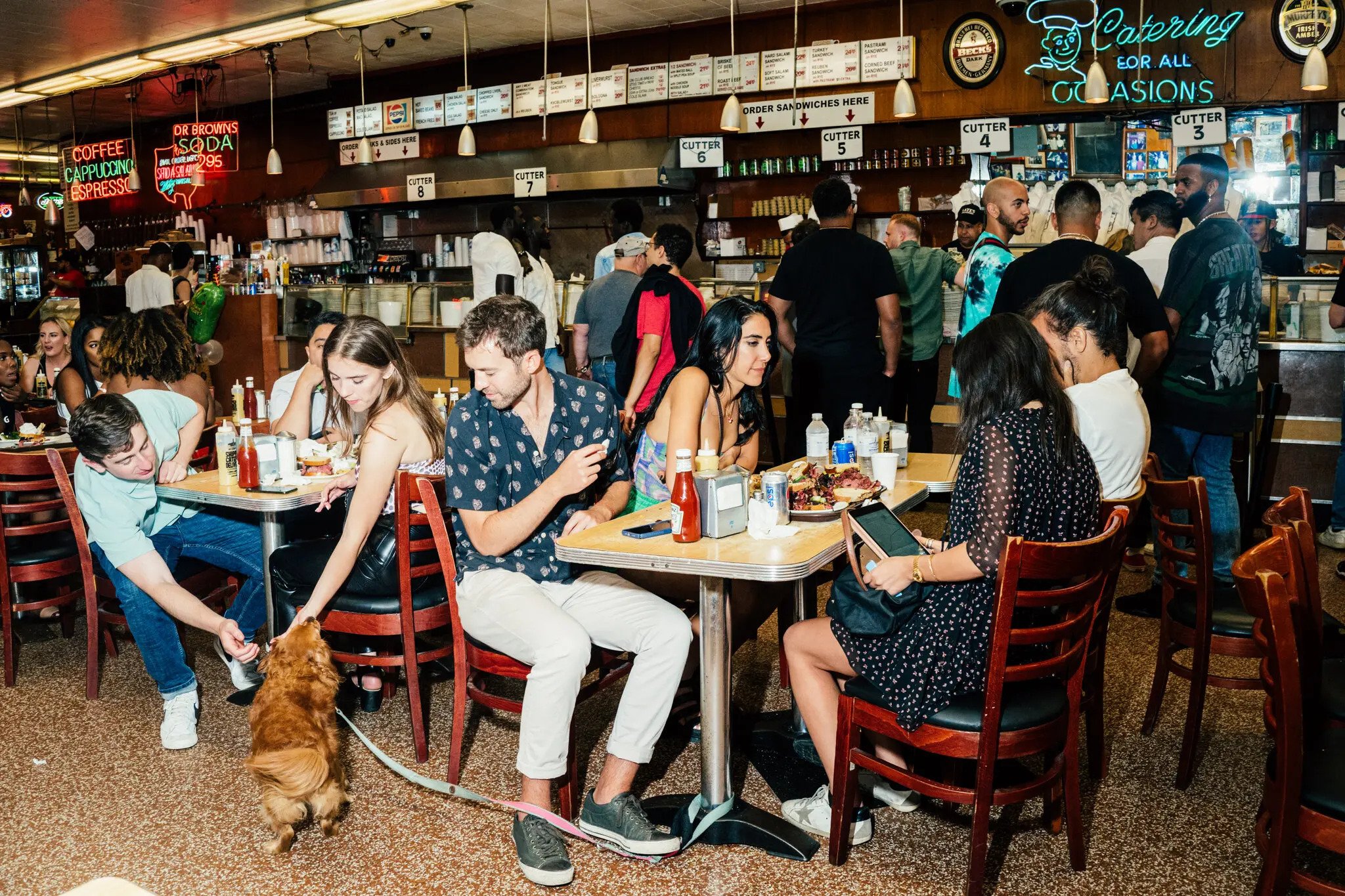
“This is the calm before the storm,” said the manager at Katz’s Delicatessen Jewish restaurant. It was past 3 a.m., and there were only four customers in the entire restaurant. Plates of pickles and half-eaten pastrami sandwiches lay scattered on the tables. They expected more customers to come in after the bars closed, usually from 4 a.m. onwards.
Some drawbacks of hosting guests at night.
For some other eatery and restaurant owners, staying open too late often leads to customers bringing trouble. Space Billiards, located on the 12th floor of the bustling K-Town on West 32nd Street, opened in 2007 but stopped operating continuously without closing hours in 2017, before Covid-19.
"The problem is that most customers who arrive after 1 a.m. to play billiards are often intoxicated and behave impolitely," said Harvey Shim, marketing manager of Space Billiards.
However, this entertainment spot is doing better, with crowds still flocking in. After midnight on Saturday and into Sunday morning, all tables are reserved, and those who arrive later have to wait an hour for their turn. In Brooklyn, a district with a large working-class population, the situation at bars and restaurants that stay open all night is even more bustling.
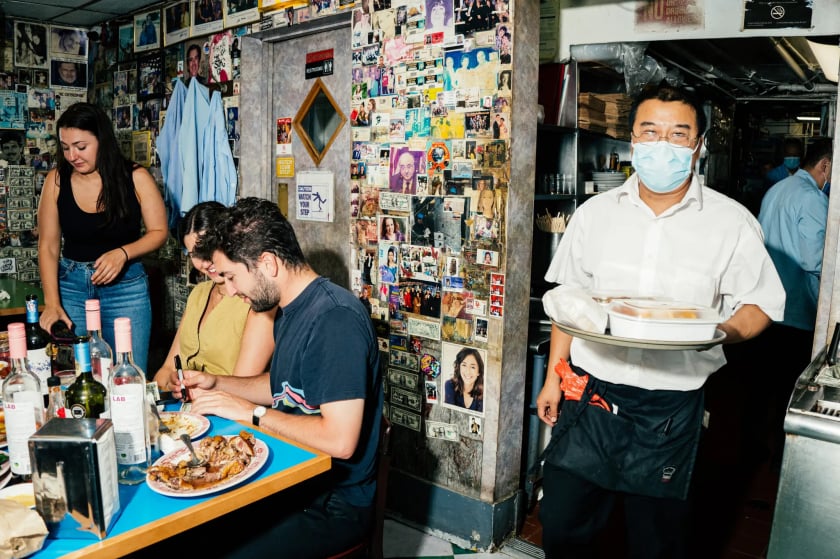
A long-standing restaurant in New York's Chinatown.
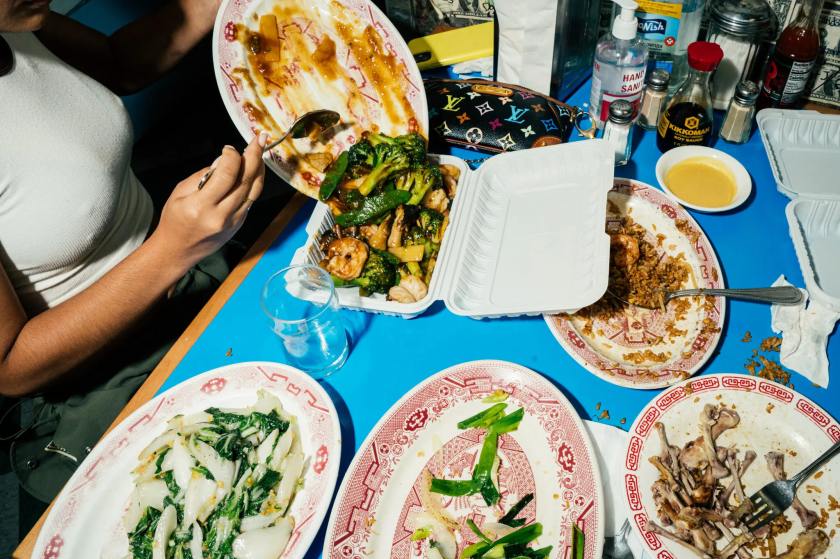
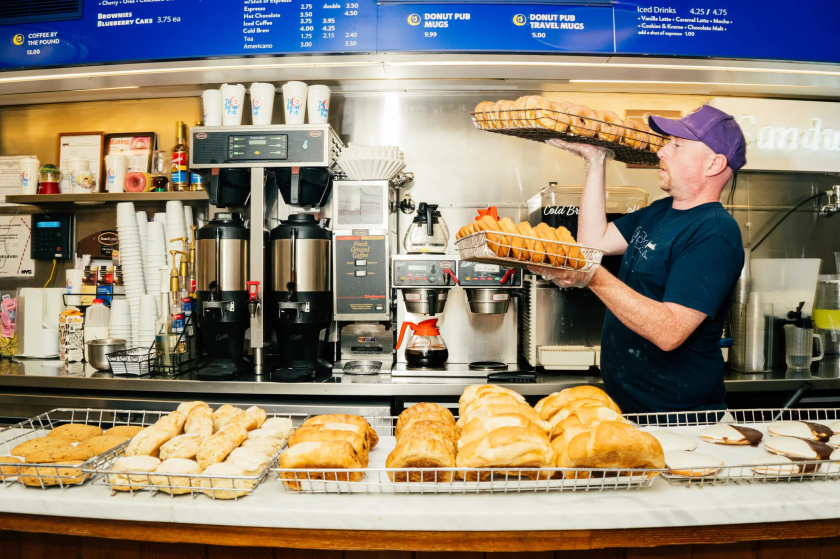
At the intersection of Jefferson and Wyckoff in Bushwick at 4 a.m., at least nine food trucks selling Mexican food lined the street with tables and chairs. Loudspeakers on the trucks repeatedly called out, inviting people to try their food.
Tia Butler, wearing high heels and a short dress, stepped out of a car with a group of friends. She had just attended a fashion show, then gone to a few clubs, and was now looking for something to eat to fill her hungry stomach. Femmie, another model in a mesh crop top, striped mini-skirt, and furry boots, lined up to buy tacos.
"New York is a city that never sleeps. Look at us, like a bunch of black cats out for a stroll," she asserted from the perspective of someone who enjoys late-night gatherings.