VI
VI


Among them, Tra River goby fish and don (a type of shellfish) are listed in the top 50 famous Vietnamese specialties. Mirror candy is one of the top 10 famous Vietnamese confectionery specialties. Tra Bong cinnamon is included in the Top 10 famous natural specialties of Vietnamese cuisine. This is a golden opportunity to promote Quang Ngai's culinary culture to domestic and international tourists.
According to culinary experts, the best time to catch gobies in the Tra River is in the summer. Fishermen usually catch gobies using a hollow tube (a long bamboo tube, about 1 meter long, open at both ends, with a pointed stake stuck into the water). The afternoon before, they plant the tube in the river, and early the next morning they dive down to "grab" both ends and release the fish inside the tube.
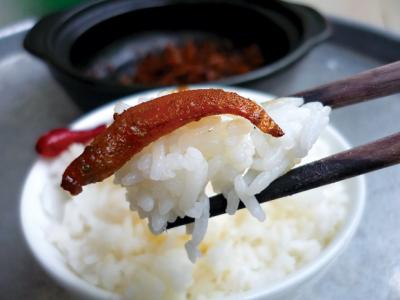
Quang Ngai goby fish
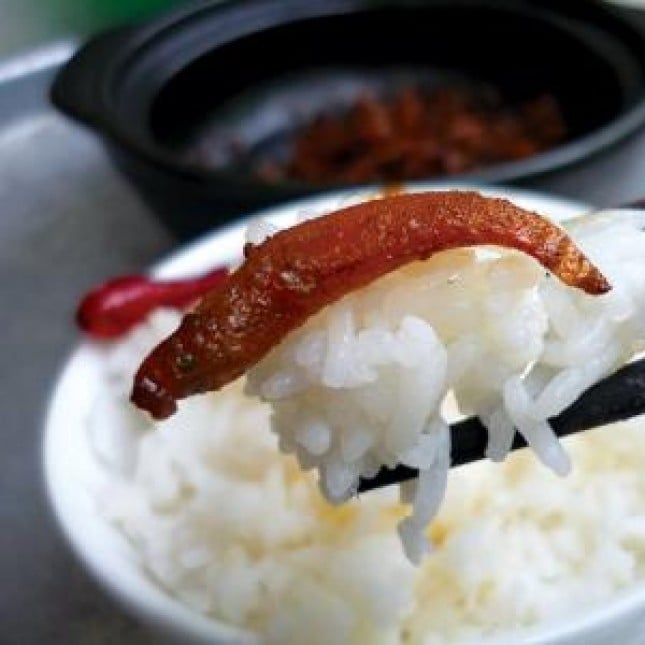
The goby fish were brought home still very fresh; put the fish in an earthenware pot with chili, onion, pepper, and just enough water to cover them, then simmer over low heat for more than an hour. The fish, firm, fragrant, and slightly salty, is delicious with white rice. The fish, cooked two or three times, has a spicy and salty flavor from the spices, and a fragrant, firm texture; once you've tasted it, you'll never forget it.
Another specialty, mirror candy, is appealing right from its name because it looks like crystal, as beautiful as a still-life painting. The candy has a golden yellow color from peanuts, a white-yellow from sesame seeds, and is so delicate and fragile that it needs to be handled with care.

Following in the footsteps of some Chinese immigrants from Chaozhou, Guangdong, who settled and established businesses in Thu Xa, Nghia Hoa commune, Tu Nghia district, the craft of making mirror candy spread and developed, and has now become a traditional craft preserved through many generations of local people.
Taking a bite of the sesame seed candy, you hear a delightful crunch, the sweet, rich, and nutty flavor tingling on your tongue. Chewing gently, the soft rustling of sesame seeds blends with the richness of peanuts, captivating the hearts of many. On crisp, cool mornings, enjoying this candy with a few sips of lotus-infused tea is an unparalleled culinary delight.
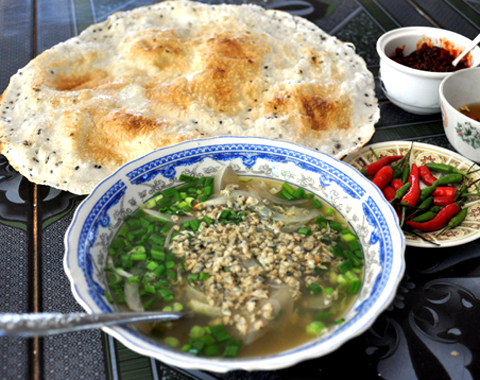
Don Song Tra
For a long time, the people of Quang Ngai have considered don (a type of shellfish) a rustic dish, rich in the flavors of their homeland, delicious and nutritious.
From the first lunar month until the end of summer, people in eastern Quang Ngai, where the Tra River flows into the sea (Dai Co Luy estuary), gather to collect and harvest clams. The clams are delicious not because they are fancy or associated with any past memories... but because of the soil and the "tea-like" water that gives them a special, authentic flavor.
With its specialty cinnamon, the cinnamon tree has been intimately connected to the lives of the Cor ethnic people in the mountainous district of Tra Bong for generations.
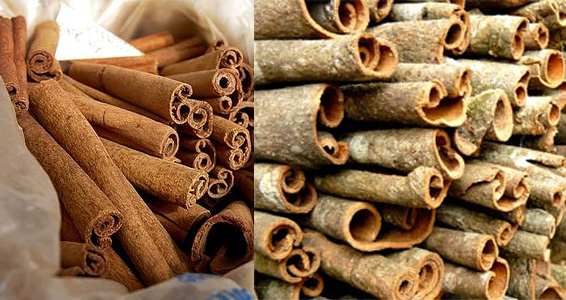
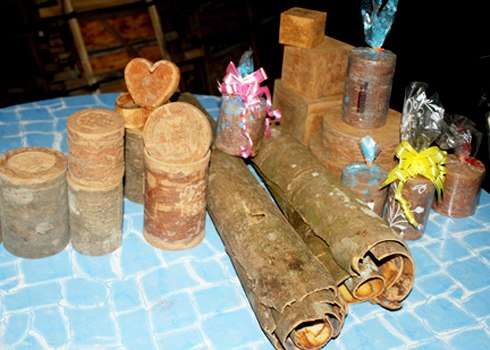
"Phủ biên tạp lục," compiled in 1776 by Lê Quý Đôn, quotes Trần Tân Tùng, a merchant from Guangdong (China) who visited Hội An in 1577: "In Hội An, there are many goods. Even a hundred large ships carrying them at once couldn't hold them all. These include medicinal herbs such as agarwood, kyara, coix, cinnamon, precious herbs, cardamom, sappan wood..."
Tra Bong cinnamon trees have a high essential oil content and a distinctive aroma. Scientific documents prove the high medicinal value of Tra Bong cinnamon. Cinnamon is used as a spice, flavoring, or extracted to obtain essential oil, which is used in many traditional medicine remedies. In particular, the bark, wood, and leaves of the cinnamon tree can all be used to create popular products such as handicrafts, vases, cups, tea boxes, toothpick holders, and cinnamon incense with a gentle fragrance.