VI
VI


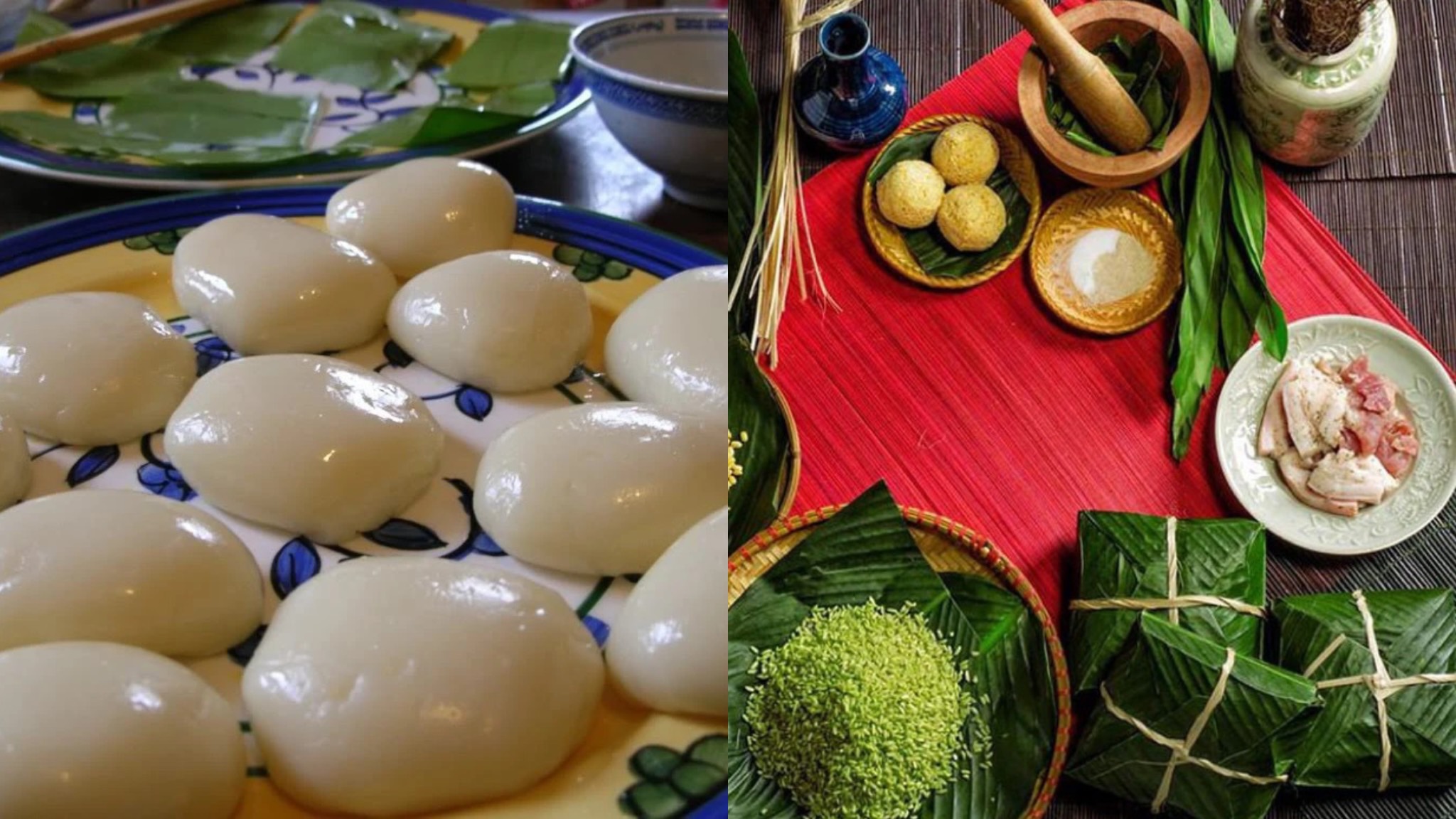
Hung Kings Commemoration Day is one of the most important national holidays in Vietnam, expressing gratitude for the contributions of the Hung Kings in founding and defending the nation. Besides the solemn rituals, the offering tray for the Hung Kings Commemoration Day is an indispensable part of this celebration. The offering tray not only demonstrates reverence but also preserves the long-standing traditional cultural values of the nation.
Typical dishes for Hung Kings Commemoration Day
Chung cake
This type of cake, symbolic of the earth, is made from glutinous rice, mung beans, pork, and dong leaves, representing abundance and prosperity. The vibrant green wrapper, like the color of trees, symbolizes the flourishing of all living things on earth. The filling is a harmonious blend of the rich flavor of pork, the nutty taste of mung beans, and the chewy aroma of glutinous rice, symbolizing the harmony between humanity and nature.
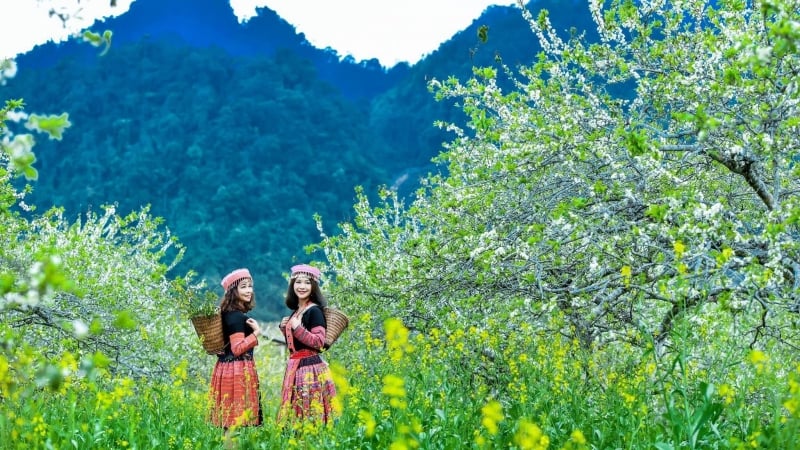

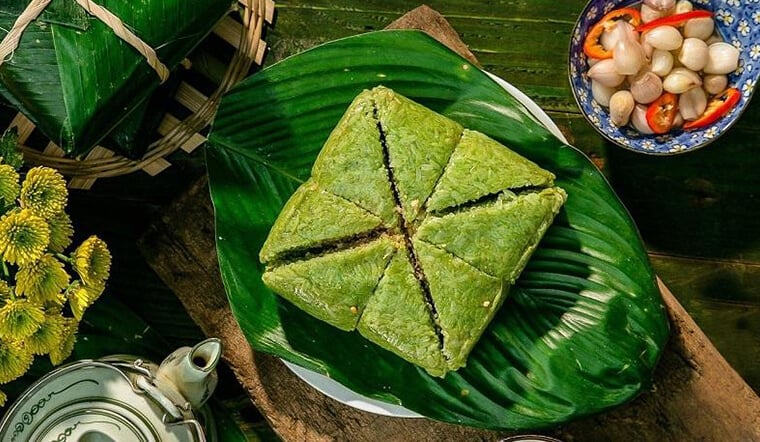
Banh chung is a traditional dish that has existed since ancient times and is still considered a symbol of the Hung Kings' Commemoration Day.
Rice cakes
Along with banh chung (square sticky rice cake), banh giay (round sticky rice cake) is a characteristic dish of the Hung Kings' Commemoration Day, an indispensable component of the offering tray to the ancestors. - symbolizing heaven, made from sticky rice, representing elegance and simplicity. The cake is round, symbolizing completeness and family reunion. The chewy texture and fragrant aroma of the cake blend with the light sweetness of honey, creating an elegant and refined flavor.
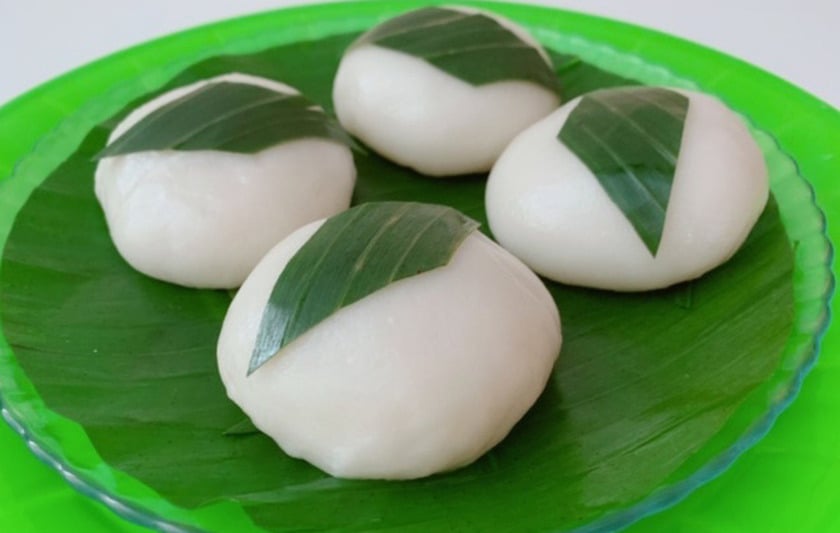
The round, white rice cake, symbolizing Heaven, is made from finely ground glutinous rice and is very visually appealing.
The presence of banh chung and banh day (traditional Vietnamese rice cakes) on the Hung Kings' Commemoration Day feast table not only expresses gratitude to the Hung Kings but also represents a prayer for favorable weather, national peace and prosperity, and the continued existence and flourishing of the nation.
Boiled chicken
Boiled chicken is a familiar dish during holidays, festivals, and ancestral worship ceremonies, symbolizing completeness and family reunion. A whole boiled chicken, beautifully arranged on the offering tray, represents abundance and prosperity, wishing for the family to always be together and happy. The tender, sweet, and slightly chewy chicken meat, combined with the spicy flavor of ginger and the aroma of scallions, creates an appealing taste, making the offering tray even more solemn and meaningful.

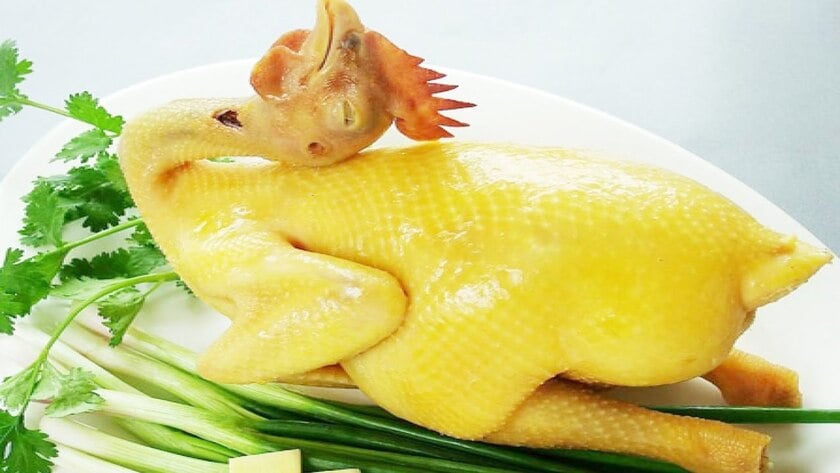
The rooster symbolizes strength and integrity, representing the qualities and character of a virtuous person, and embodying truth, goodness, and beauty.
Gac sticky rice
Distinguished by its vibrant red color, gac sticky rice symbolizes good fortune, wealth, and prosperity. The bright red hue of gac sticky rice is believed to bring positive energy, wishing the family good luck and success in life. The sweet, chewy, and fragrant taste of gac sticky rice, combined with the rich creaminess of shredded coconut, creates an irresistible flavor that lingers in the memory of anyone who tries it. Offering gac sticky rice as a sacrifice is considered a way to show respect and honor to ancestors, expressing gratitude from descendants.
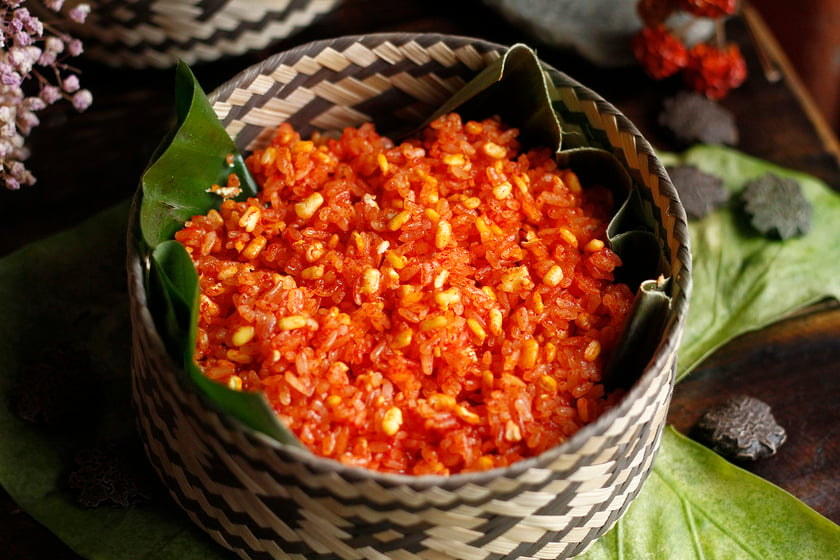
Sticky rice with gac fruit is one of the indispensable dishes in the offering tray for the Hung Kings' Commemoration Day.
Fried spring rolls
Fried spring rolls (Nem rán) are not only a familiar dish in the Hung Kings Commemoration Day feast but also a traditional dish in Vietnamese feasts. Depending on the region, the ingredients for fried spring rolls can vary, creating unique and distinctive flavors.
The recipe for fried spring rolls is very flexible and can be changed according to the taste, preferences of each family, or the availability of ingredients. You can use pork, shrimp, crab, fish, vegetables, mushrooms, onions, and various spices to create diverse and flavorful fried spring rolls.
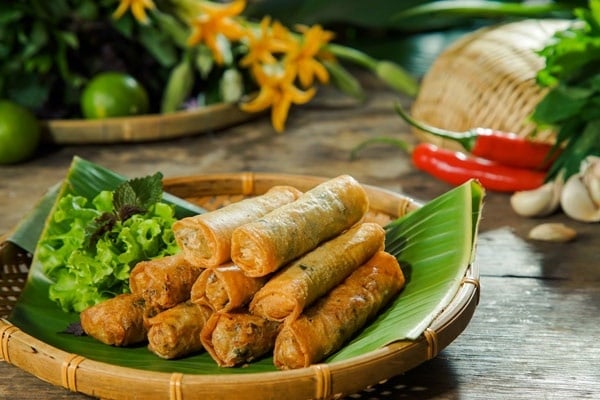
The ingredients for making fried spring rolls vary depending on the region.
The diversity and richness of fried spring rolls have contributed to the richness of the Hung Kings Commemoration Day feast, showcasing the creativity and culinary excellence of the Vietnamese people.
Oan cakes
Oản cakes, also known as cộ cakes or in some places as in-shaped cakes, are a type of cake that has long been associated with Vietnamese culinary culture. Oản cakes are usually made from glutinous rice flour, sugar, malt syrup, and natural food coloring, creating cakes with eye-catching colors such as green, red, purple, and yellow.
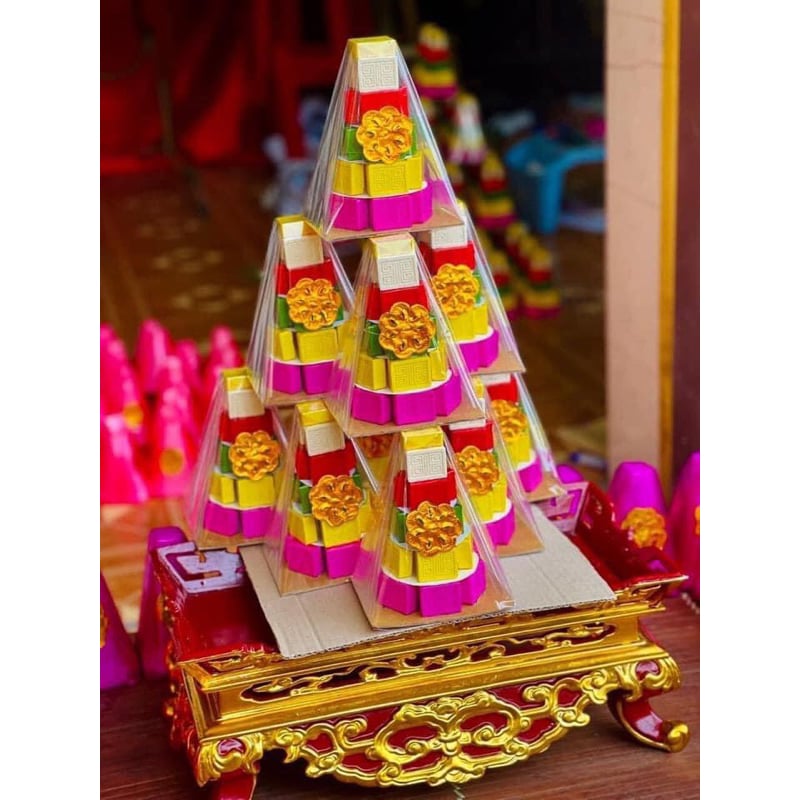
Oản cakes are usually placed in the center of the offering tray, signifying reverence and respect for the Hung Kings.
The tower-like shape of the oản cake symbolizes longevity, stability, and a wish for the family to always be healthy and prosperous. Oản cakes are usually placed in the center of the offering tray, showing respect and reverence for the Hung Kings.
Banh Khao
With its pristine white color and golden yellow mung bean filling, subtly flavored with vanilla, the Khao cake is incredibly appealing. When you taste it, you'll experience the delicate sweetness of the cake combined with the nutty flavor of peanuts and sesame seeds, and a hint of richness from the pork fat, creating an irresistible taste.
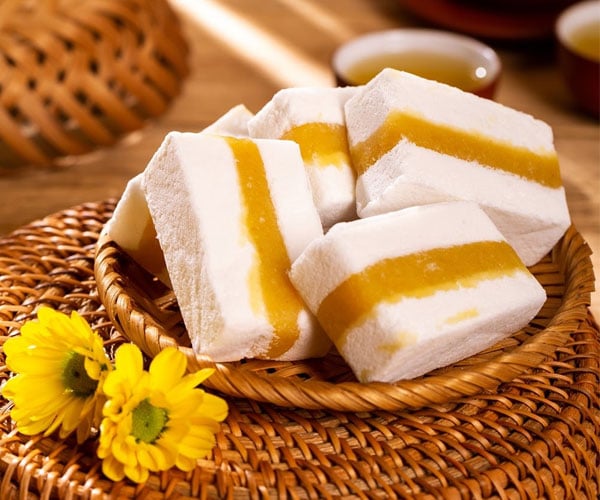
The cake, with its white exterior and yellow filling, looks very appealing.
Banh khao is not only delicious but also carries a profound meaning. The white color of the cake symbolizes purity and nobility, while the yellow color of the mung bean filling symbolizes abundance and prosperity.