VI
VI


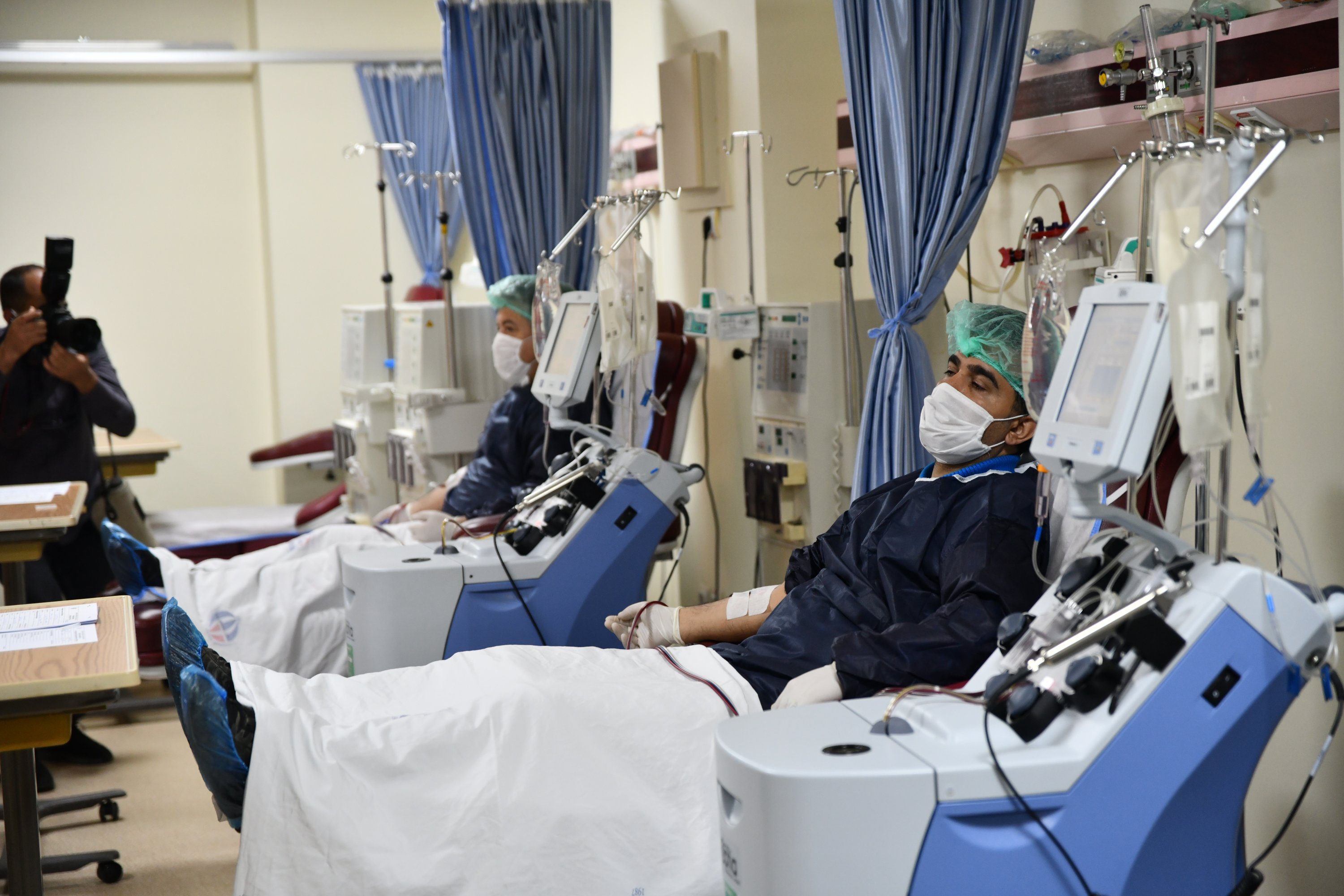
For the 11th consecutive day, Vietnam has reported no new community-transmitted COVID-19 cases.
The National Steering Committee for COVID-19 Prevention and Control announced that no new cases were recorded this morning. The number of cases remains at 270. Thus, since April 17th, Vietnam has gone 11 days without recording any new cases of community transmission.
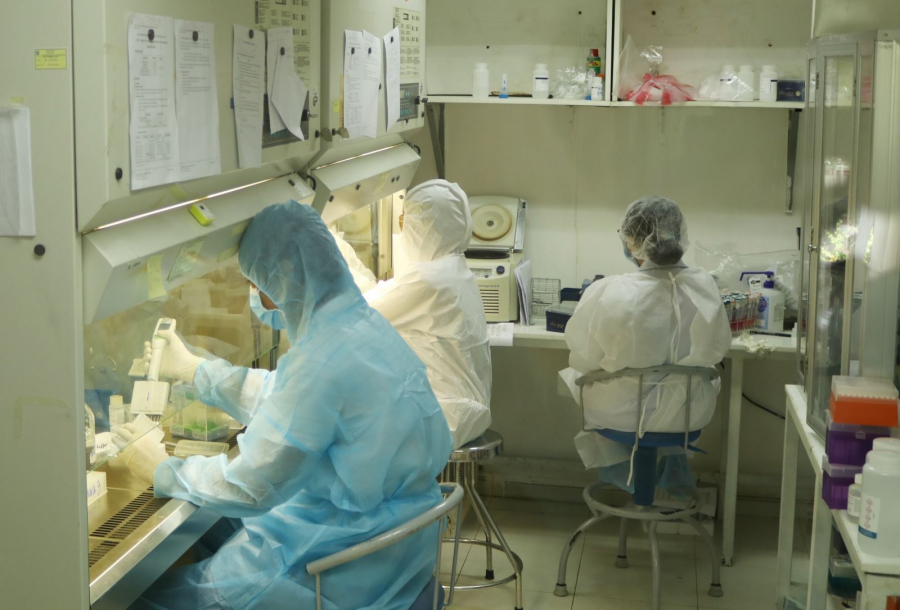
The Treatment Subcommittee of the National Steering Committee for COVID-19 Prevention and Control announced that among the remaining cases under treatment, 13 have tested negative for SARS-CoV-2 once, and 3 have tested negative for SARS-CoV-2 two or more times.
Vietnam repatriates over 100 citizens from Indonesia.
On April 26, Vietnamese authorities, the Vietnamese Embassy in Jakarta, Vietjet Air, and Indonesian authorities repatriated over 100 Vietnamese citizens. These included individuals in difficult circumstances such as children under 18, elderly people, students without accommodation due to dormitory closures, and those whose visas had expired but were stranded due to the COVID-19 pandemic.
On the outbound leg, the Vietjet Air flight also brought a number of Indonesian citizens back home. The flight was strictly secured in terms of safety, security, and epidemiological hygiene. After landing in Can Tho, all passengers will undergo health checks and be quarantined in accordance with regulations.
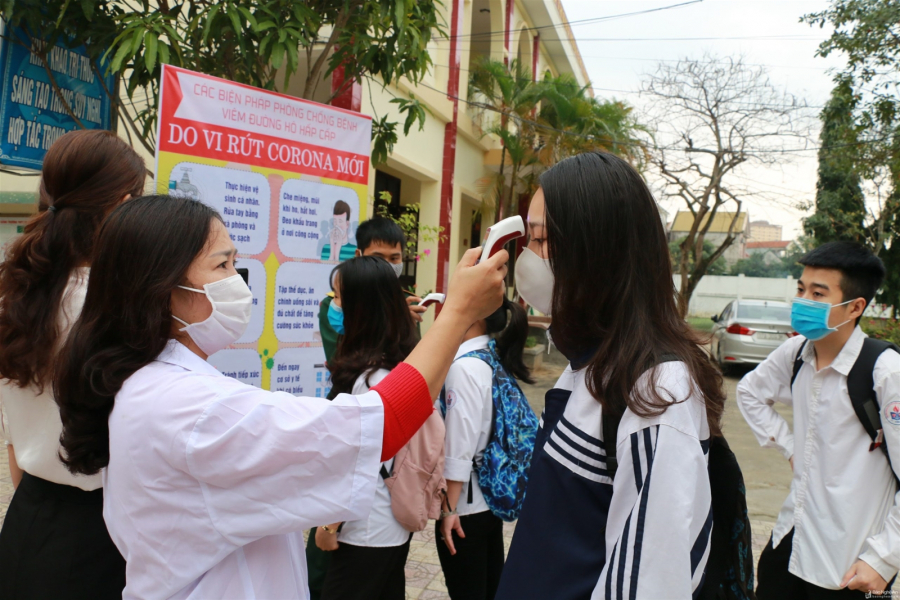
37 provinces and cities have officially allowed students to return to school.
Today, April 27th, numerous localities have allowed students to return to school after weeks of school closures due to the Covid-19 pandemic. Following the first eight localities that resumed classes last week (including Ca Mau, Thai Binh, Thanh Hoa, Gia Lai, Yen Bai, Hai Duong, Hai Phong, and Phu Tho), this week, 29 provinces and cities have continued to allow students to return to school, including An Giang, Bac Lieu, Ba Ria Vung Tau, Bac Kan, Binh Dinh, Dien Bien, Dong Thap, Gia Lai, Ha Tinh, Hai Duong, and others.
The COVID-19 pandemic situation in Southeast Asia
The pandemic continues to spread in several Southeast Asian countries such as Singapore (+931 cases), the Philippines (+285 cases and 7 deaths), Indonesia (+275 cases and 23 deaths), and Malaysia (+38 cases). However, Thailand recorded a decrease in the daily number of new COVID-19 cases with 15 new infections and no additional deaths.
The Philippine Department of Health announced on April 26 that the country had recorded 501 deaths and 285 new cases of Covid-19, bringing the total number of cases to 7,579.
To date, Malaysia has recorded a total of 5,780 COVID-19 cases, including 98 deaths. Indonesia has reported 8,882 cases, with 743 deaths. Thailand has recorded a total of 2,922 cases to date, with 51 deaths.
Singapore sets up field hospitals at exhibition centers.
The Singapore Ministry of Health announced on April 26th that the island nation had recorded an additional 931 cases of SARS-CoV-2 virus infection, bringing the total number of cases to 13,624. This makes Singapore one of the most severely affected countries in Asia and the leading country in Southeast Asia in terms of the number of patients. Singapore is urgently setting up additional field hospitals at exhibition centers amid a sharp increase in COVID-19 cases.
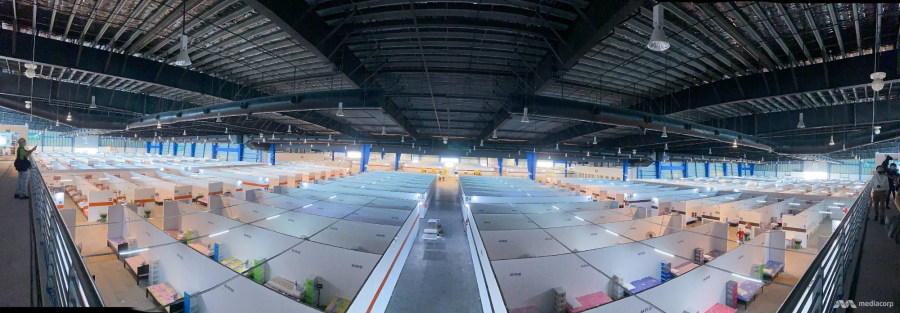
One such facility is the Changi Exhibition Centre, which regularly hosts the Singapore Airshow – Asia's largest airshow – and can accommodate more than 4,000 patients with mild symptoms and those recovering. On April 25, the first patients, mostly Bangladeshi and Indian workers, were transferred to this vast exhibition centre. There, remotely controlled robots help deliver food and provide telegraph services to minimize contact with patients.

China reports that all COVID-19 patients in Wuhan have recovered.
On April 26, Mi Feng, spokesperson for China's National Health Commission (NHC), announced that Wuhan, the epicenter of the COVID-19 outbreak, currently has no active cases in its hospitals. Prior to this, Wuhan had recorded a total of 46,452 infections, accounting for 56% of China's total cases.
India deploys mobile COVID-19 testing vehicles.
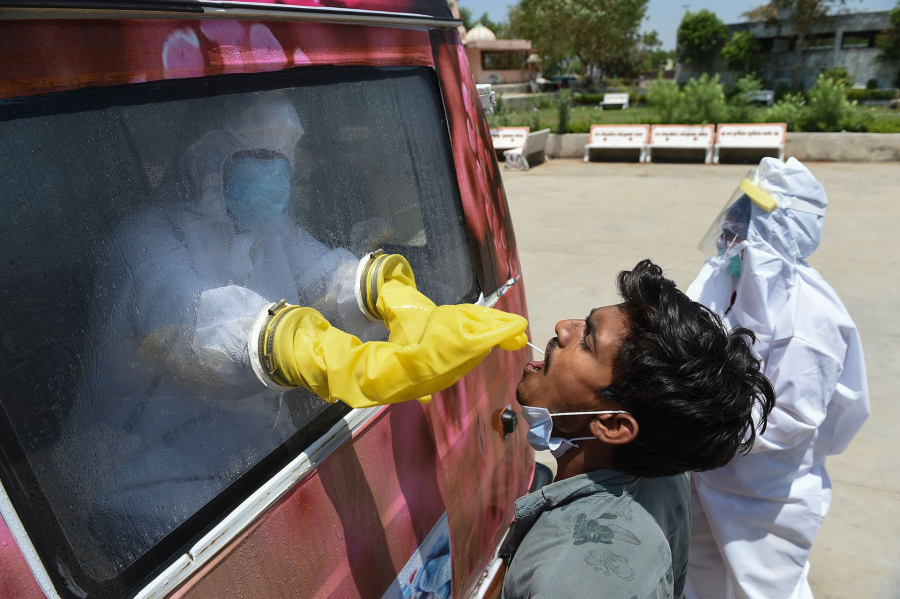
Indian authorities have begun coordinating with several businesses to deploy mobile COVID-19 testing teams nationwide. India has a relatively low rate of COVID-19 testing, and this move will help increase the number of people tested, reducing the risk of community transmission. To date, India has detected over 26,000 cases of COVID-19 with more than 800 deaths.
The number of SARS-CoV-2 infections in the Middle East continues to rise.
In the past 24 hours, Iran recorded 60 additional deaths from COVID-19, bringing the total number of fatalities in the country to 5,710, out of a total of 90,481 confirmed cases. Iran is in the process of gradually easing restrictions on its citizens, after the number of daily deaths dropped below 100 since April 14th. Iran is currently one of the Middle Eastern countries most severely affected by the COVID-19 pandemic.
On April 26, Egyptian state media, citing an announcement from the Ministry of Health, reported that the country had detected 215 new cases of the novel coronavirus (SARS-CoV-2) causing COVID-19. The total number of COVID-19 cases in Egypt has now reached 4,534.
The Turkish Ministry of Health announced figures showing that in the past 24 hours, an additional 2,357 cases of SARS-CoV-2 infection were detected, and 99 more people died from this dangerous disease. The total number of COVID-19 cases in Türkiye is now 110,130, including 2,805 deaths and 29,140 recoveries.
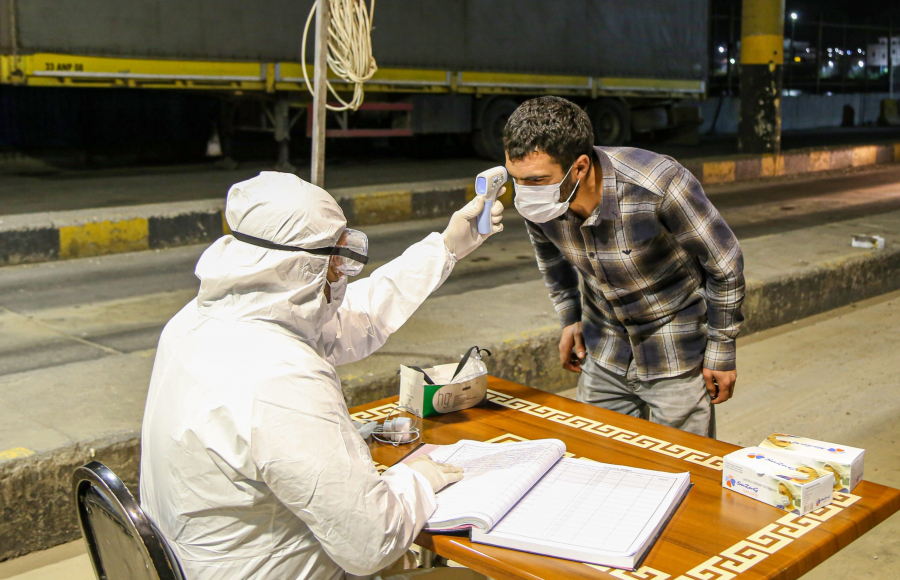
Also on April 26, Qatar reported 929 new cases of SARS-CoV-2 infection, bringing the total number of COVID-19 cases in the country to 10,287. The United Arab Emirates (UAE) also reported 536 new cases, raising the total to 10,349. Meanwhile, Kuwait's COVID-19 count stands at 3,075 after 183 new cases were detected. Lebanon also recorded 3 new cases on the same day, bringing the total number of infected people to 707.
The COVID-19 pandemic situation in Europe is developing positively.
The Italian Civil Protection Agency reported on April 26 that the country had recorded 260 additional deaths from COVID-19, the lowest increase since March 15, bringing the total number of deaths in the Southern European nation to 26,644. In the past 24 hours, Italy also recorded 2,324 new cases of SARS-CoV-2 infection, raising the total number of COVID-19 cases in Italy to 197,675, of which 64,928 have recovered (an increase of 1,808).
In Paris, the number of deaths in the past 24 hours was 242, a decrease of more than one-third compared to the previous day, bringing the total number of deaths from COVID-19 in France to 22,856. To date, a total of 44,903 COVID-19 patients in France have recovered, and the number of critically ill patients requiring intensive care has decreased for 18 consecutive days.
The UK also recorded its lowest increase in COVID-19 deaths in nearly four weeks amid the government's continued refusal to ease social distancing restrictions. According to UK officials, the number of deaths from the SARS-CoV-2 virus in the past 24 hours rose by 413 to 20,732, the lowest daily figure in April.
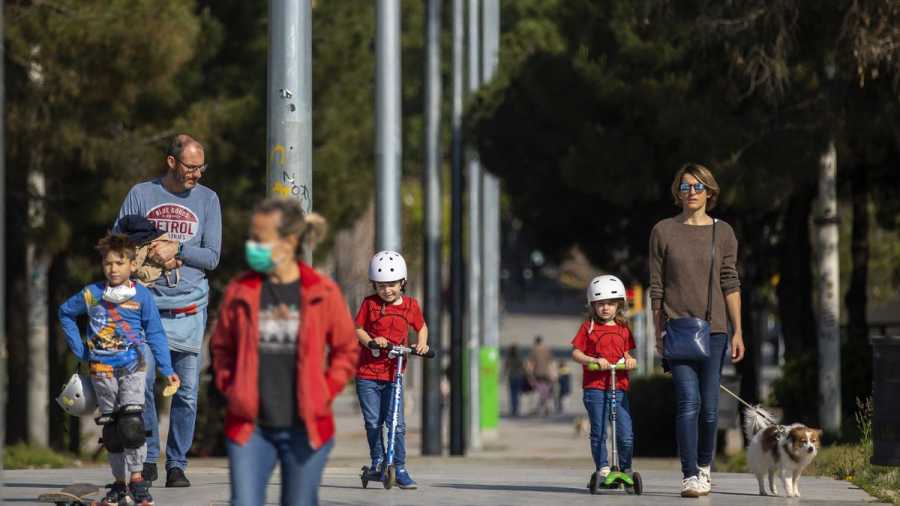
Today, April 27th, Spanish children were allowed to leave their homes for the first time in six weeks.
On April 26, Spain recorded its lowest daily death toll from COVID-19 in over a month. The Spanish Ministry of Health reported that the total number of COVID-19 deaths in the country as of April 26 was 23,190, an increase of 288 from the previous day. The total number of COVID-19 patients in Spain is now 207,634, an increase of 1,729 from the previous day.
Over 80,000 COVID-19 patients in Russia
The Russian Task Force for Combating the Novel Coronavirus (SARS-CoV-2) announced that as of noon on April 26, the country had recorded an additional 6,361 cases of SARS-CoV-2 infection across 83 federal entities, bringing the total number of infected people to 80,949. In the past 24 hours, 517 people recovered, raising the total number of recovered patients to 6,767, and there were 66 deaths, bringing the total number of fatalities to 747.
Moscow remains the region with the highest number of SARS-CoV-2 infections today, with 2,971 cases, bringing the total number of infections in the Russian capital to 42,480. The Russian Ministry of Defense stated that continuous testing within the Russian armed forces from March to April 26th detected 874 soldiers testing positive for the SARS-CoV-2 virus.
Italy to reopen schools in September
Regarding the easing of social distancing measures, on April 26, Italian Prime Minister Giuseppe Conte announced that the government would allow a large number of companies operating in certain sectors such as manufacturing and construction to resume operations from May 4 as part of a plan to ease the lockdown, while schools would reopen in September.
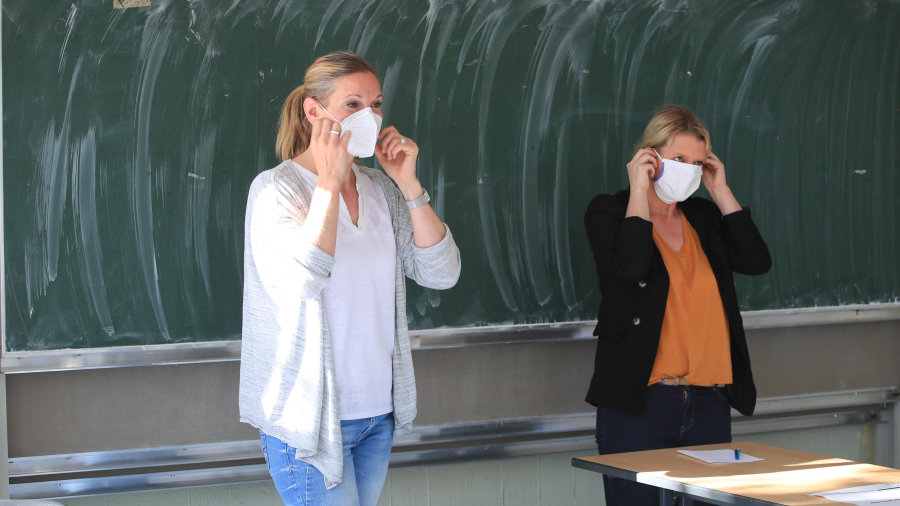
Prime Minister Conte said these companies would have to implement maximum safety measures before being allowed to officially resume operations.
Tunisia develops new technology for detecting the SARS-CoV-2 virus.
A group of university professors and engineering students in Tunisia have applied artificial intelligence and X-rays to develop a tool for detecting the SARS-CoV-2 virus that causes COVID-19. Through chest X-rays, the tool assesses whether the person being scanned is likely to be infected with the virus. Although still under development, this online-based tool has shown promising initial results, with an accuracy rate of up to 90%.
This tool was developed with the support of the German Development Agency (GIZ), the Italian Medical Radiology Association, and the American technology company IMB. The new tool is currently being tested in numerous hospitals and COVID-19 treatment centers across Tunisia.
The COVID-19 pandemic in Latin America is developing in a complex manner.
In Latin America, on April 26, Argentine President Alberto Fernandez announced that the mandatory social distancing measures aimed at preventing the spread of COVID-19 would be extended until May 10, although some activities would be eased in areas with a low risk of infection.
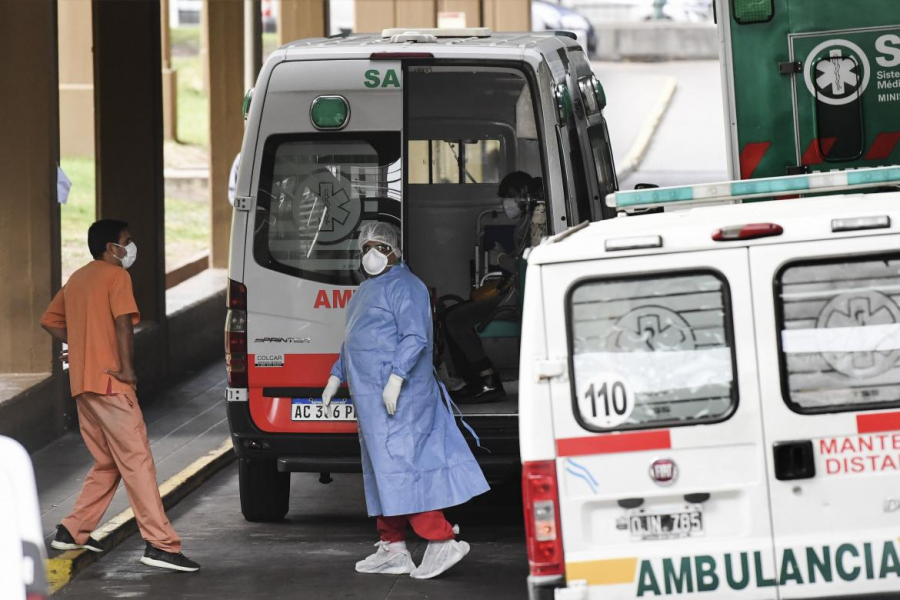
The Honduran Ministry of Security announced on the same day that, due to the high number of cases and to prevent the spread of COVID-19, the government has decided to extend the curfew until May 3rd. During the curfew, Honduran citizens are only allowed to leave their homes to buy essential items on weekdays and between 9:00 AM and 5:00 PM, based on the last digit of their identity card.