VI
VI


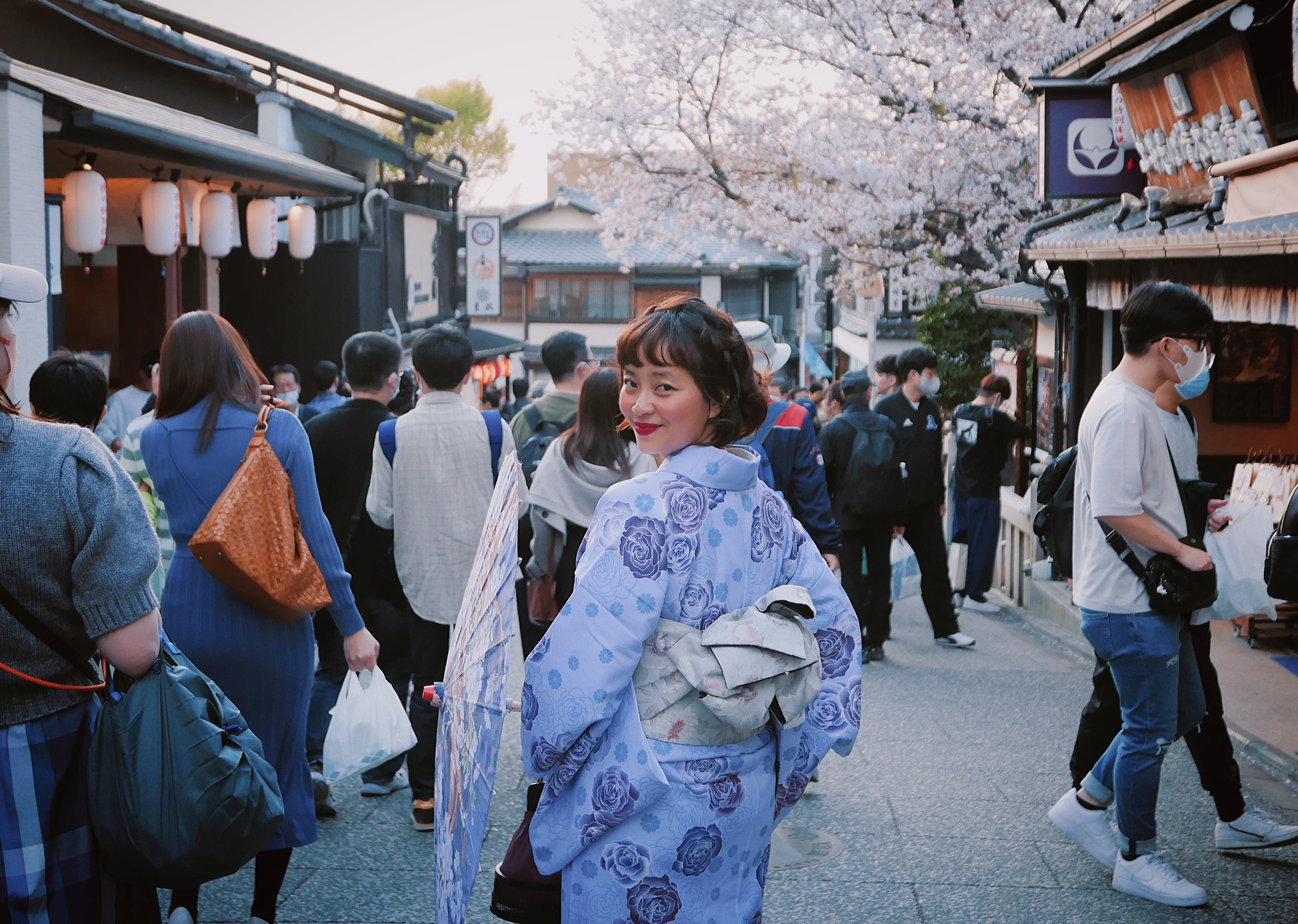
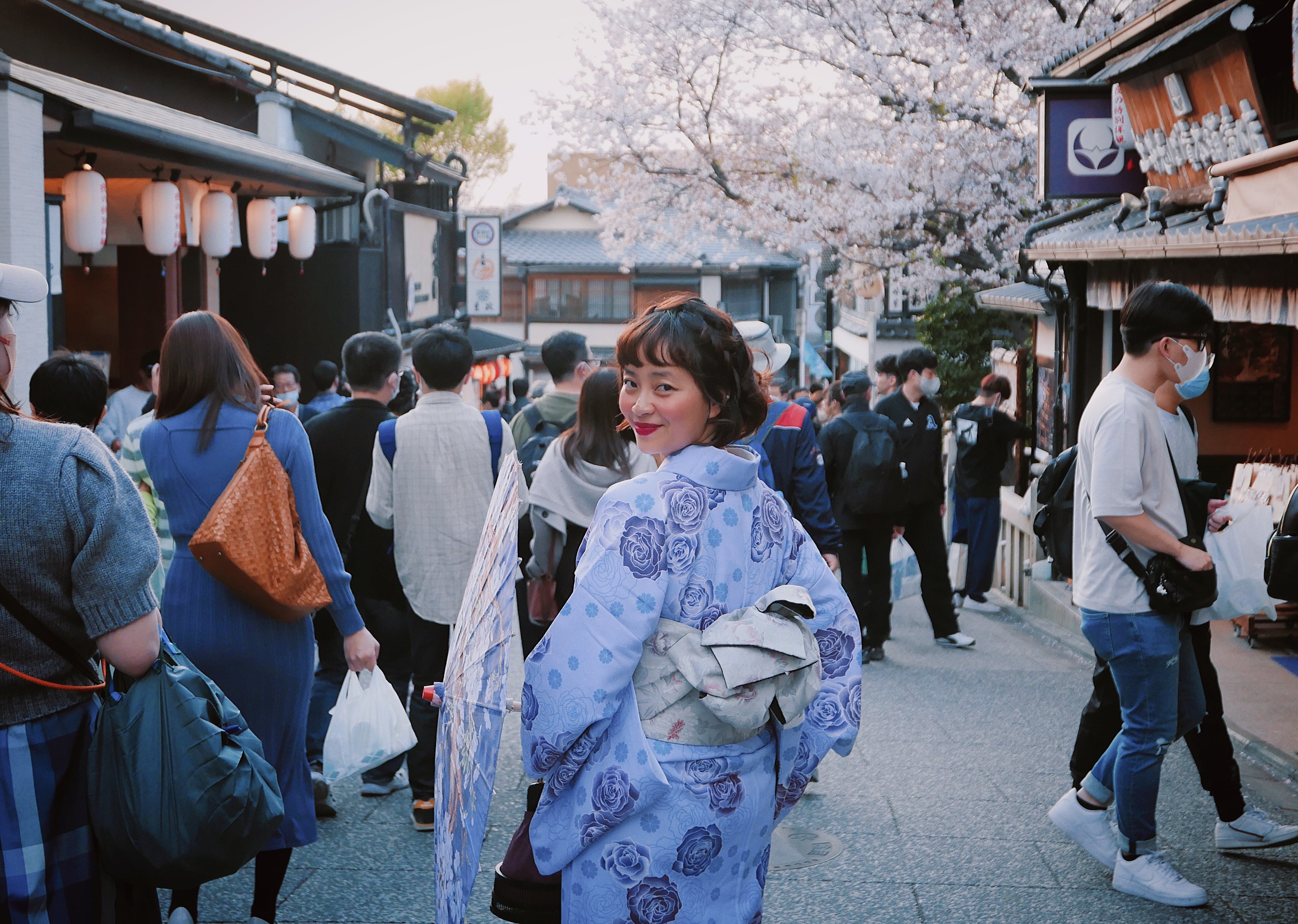
Upon arriving in Kyoto, Japan, tourists certainly cannot miss the incredibly enjoyable experience of strolling through the beautiful old streets wearing a kimono.
Located on the island of Honshu, the ancient capital of Kyoto attracts visitors with its beautiful scenery, famous cherry blossoms, and many serene temples and shrines unlike anywhere else in Japan. Every year, thousands of international tourists visit Kyoto – the former capital of Japan. Kyoto embodies ancient, legendary Japan with its slow, peaceful pace of life.
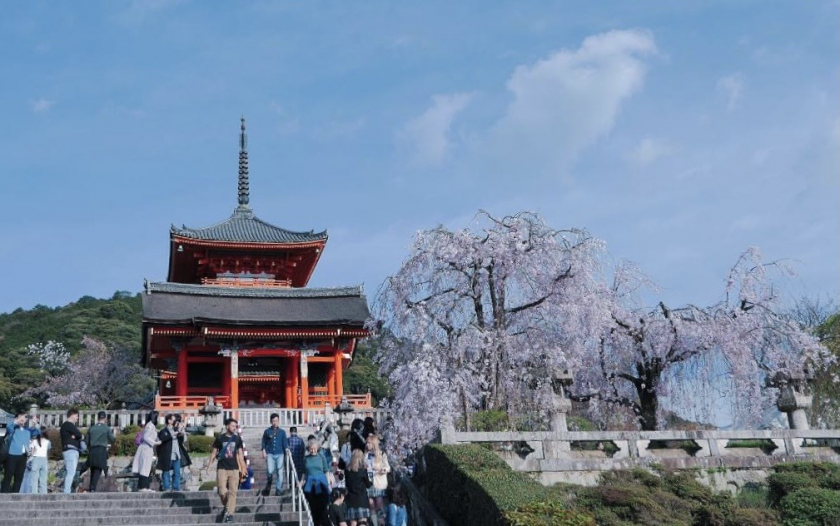
Kyoto is a city renowned for its cuisine, natural scenery, and rich history.
Hoang Thuy Duong (Duong Duong Blog) recently traveled to Japan and visited Kiyomizu-dera in Gion, Kyoto. With only one afternoon, she traveled from Gion-shijo station towards Kiyomizu-dera and rented a kimono in the Gojobashihigashi area of Higashiyam, Kyoto.
Kiyomizu-dera (Kiyomizu-dera Temple), meaning "Pure Water by Mount Otowa," is considered one of the most beautiful and sacred temples in the ancient capital of Kyoto. Japanese people believe that the cool, refreshing water flowing past the temple brings good fortune.
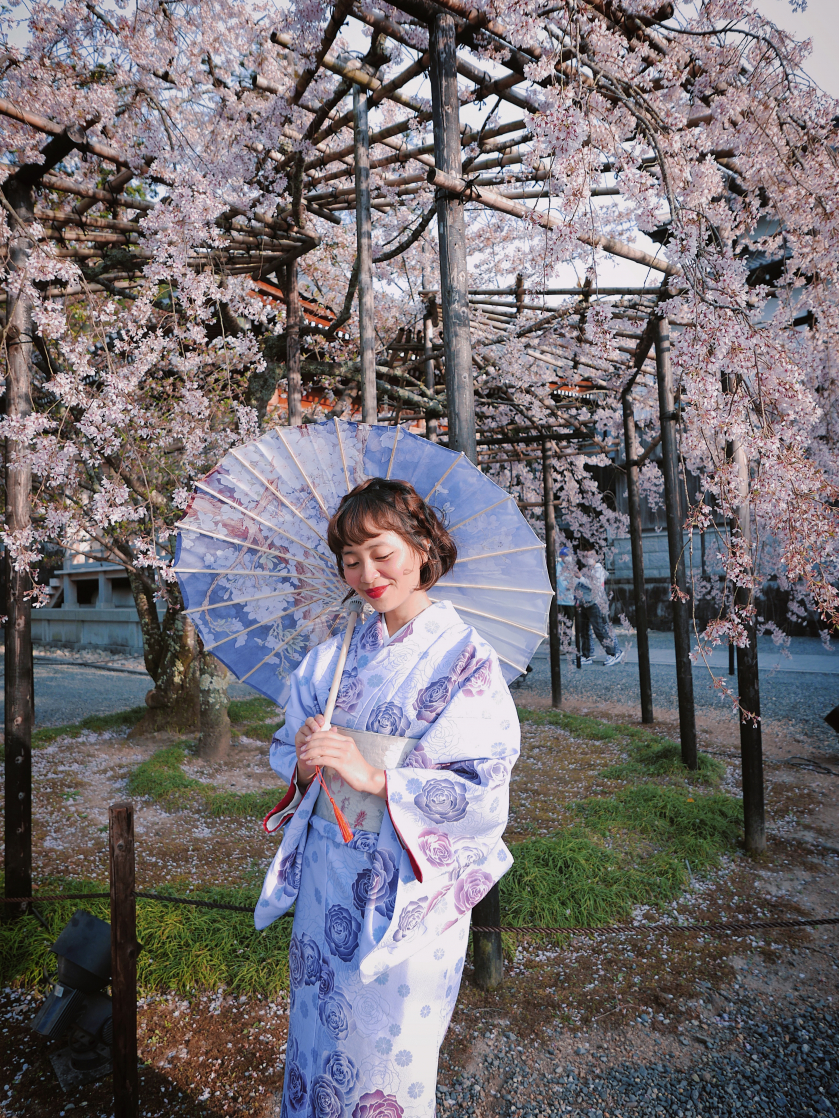
Hoang Thuy Duong recently had the experience of wearing a kimono – the national costume of Japan – during her visit to the ancient capital of Kyoto.
If you continue east, towards Kiyomizu-dera Temple, you'll reach Higashiyama District. Be sure to stop at the beautiful temples and souvenir shops in Higashiyama. Here, traditional houses have been converted into souvenir shops and cafes, lined up side by side. Don't miss streets like Ninenzaka or Sanneizaka, Kodai-ji, Chion-in Temple, and Seiren-in if you have more time to travel in Japan.

"Wearing a kimono and strolling around the ancient capital, it feels like being immersed in the lives of the people here. From Tokyo, through Osaka and then to Kyoto, just setting foot in Gion is incredibly different. People wear kimonos everywhere, beautiful, elegant, and strangely graceful. Each person has a different color, no two are alike. I am extremely fascinated by this attire," Thuy Duong said.
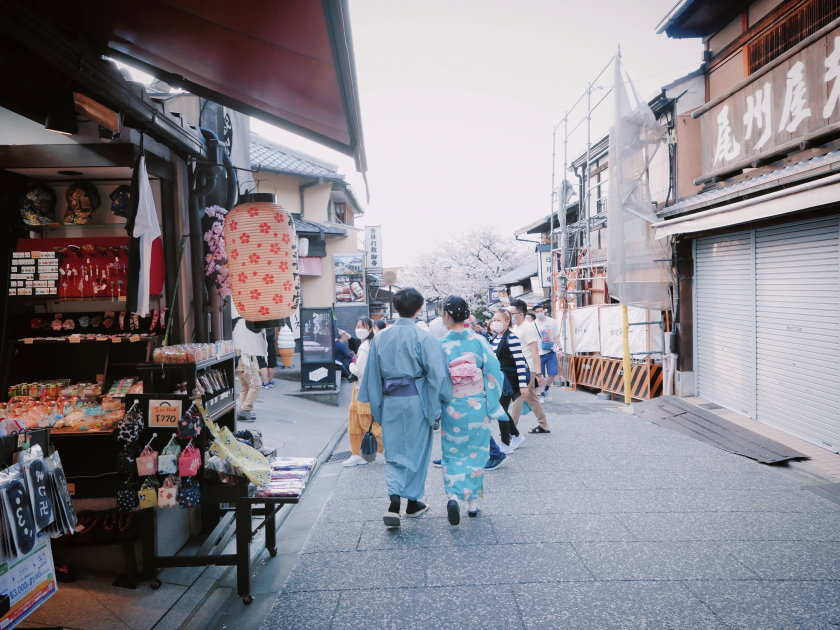
When visiting Kyoto, tourists can also enjoy a very special experience: renting a kimono and taking photos in the old streets.
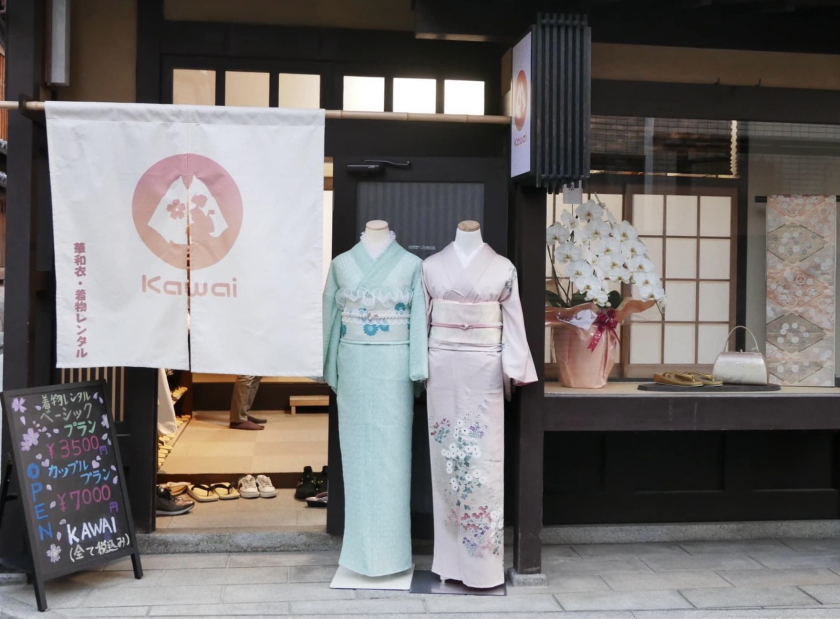
There are many types of kimonos on display and available for rent at shops in Kyoto.
In Japanese, kimono simply means clothing. In its broader sense, it is considered the traditional national costume of Japan. There are many types of kimono: long-sleeved kimonos, geisha kimonos, young women's kimonos, men's kimonos, children's kimonos, and formal kimonos worn by family members on special occasions (such as weddings, traditional festivals, etc.).
Having gone through historical ups and downs with changes in color, shape, and name, the kimono has become familiar and famous worldwide when talking about Japanese clothing. It can be said that the kimono has long been a source of pride for the Japanese people.
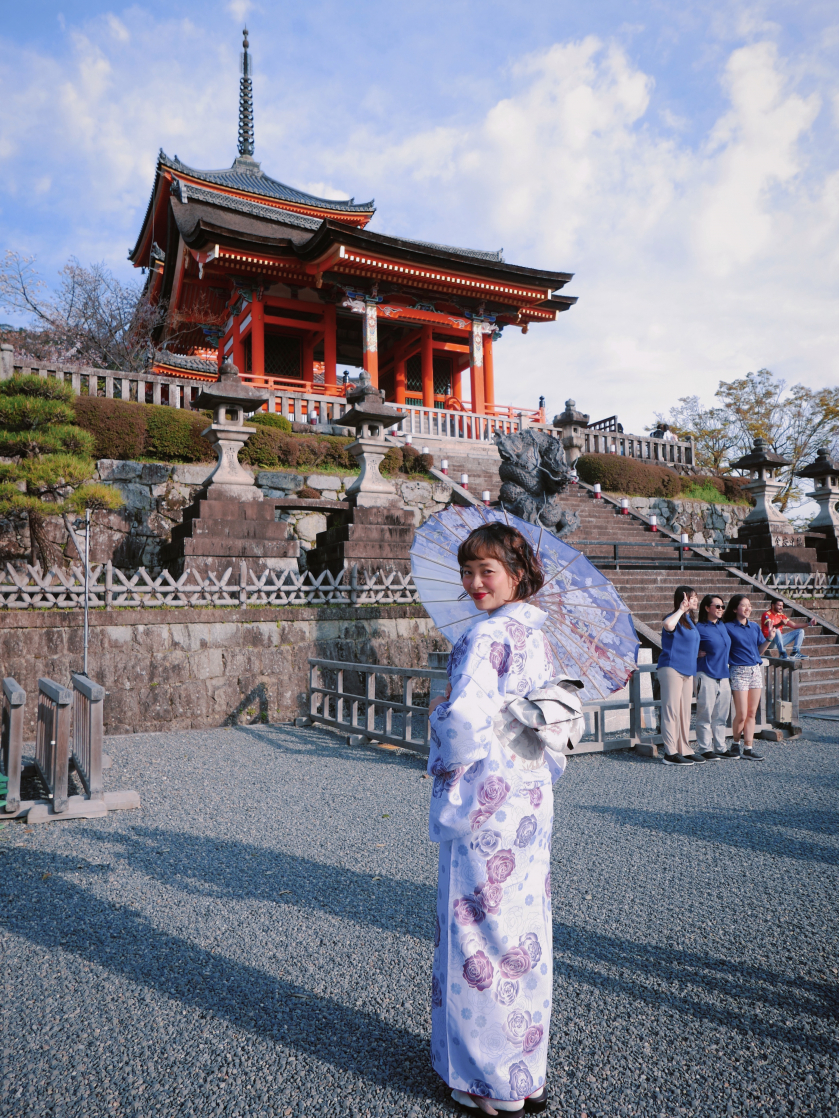
Wearing a kimono, you'll get some beautiful photos to commemorate your visit to the historic city of Kyoto.
Thuy Duong said: "Kimono rental prices in Japan are quite high. A set including a kimono, hairstyle, and accessories to match the style costs from 3,000 yen (approximately 536,000 VND) upwards, depending on the material, color, style, and rental location. The kimono I'm wearing cost 3,800 yen (679,000 VND) to rent, not including makeup and hairstyling. Getting dressed and having makeup done takes about an hour, and you have to return it before 5 PM. Therefore, everyone should dedicate a whole day to fully experience it."
When wearing a kimono – Japan's national costume – Thuy Duong truly appreciated the meticulousness and craftsmanship of the Japanese people. The outfit has many layers, belts, and straps, and it takes up to 30 minutes to put it on; only knowledgeable "teachers" can do it. And even after walking for hours, she didn't feel any discomfort.
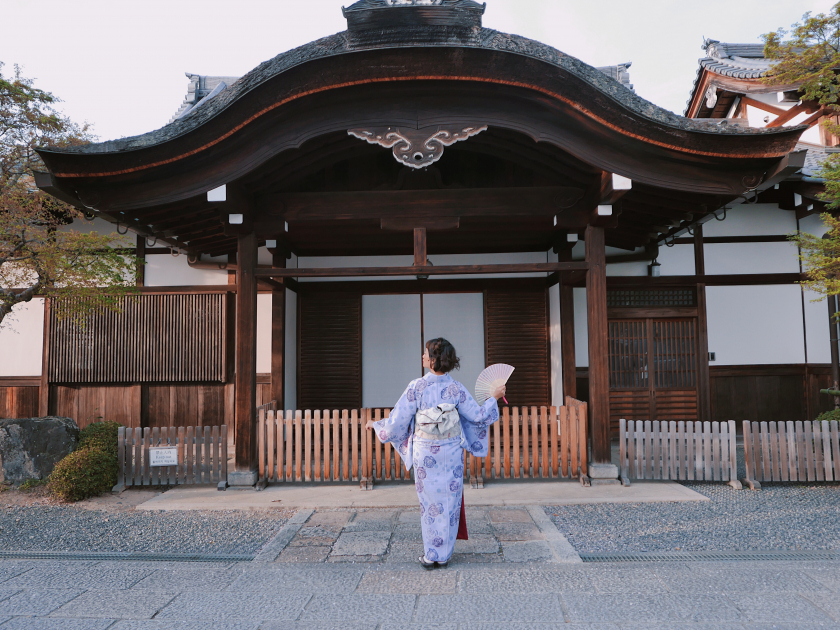
In Japanese, kimono simply means clothing. In its broader sense, the word is considered the traditional national costume of Japan.
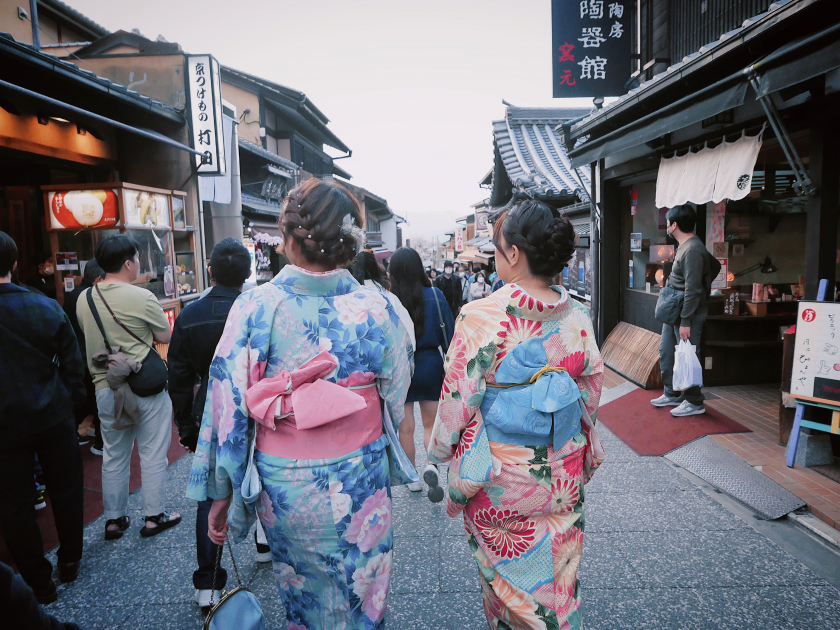
Kimono rentals in Japan are quite expensive; a set including a kimono, hairstyle, and accessories can cost from 3,000 yen (approximately 536,000 VND) upwards, depending on the material, color, style, and rental location.
In addition, Thuy Duong also offered some tips for experiencing wearing a kimono in Kyoto. "You should take the time to check prices and try on the outfits beforehand. Japanese shops are not difficult to rent from; you can communicate in English or using Google Translate. The Japanese are very enthusiastic and friendly; you only pay when you return the items, and the rental shop even prints a commemorative photo for you. This is currently the tourist season, so there are many visitors. It's best to hire a local photographer if you can't take pictures yourself, and you should book a photographer 1-2 weeks in advance. Photographers living in Kyoto are familiar with the terrain and know the best angles, so they can avoid crowded times and find unexpected beautiful spots," Thuy Duong added.
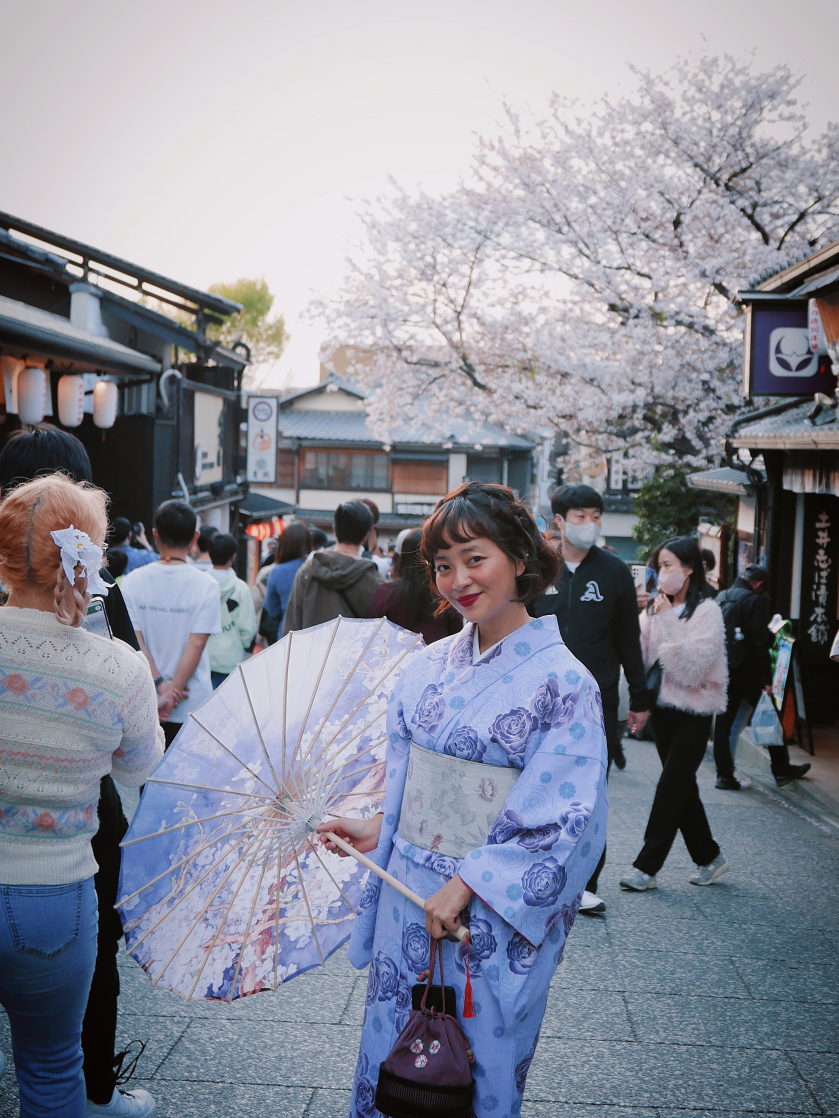
This is peak tourist season, so Kyoto is very crowded with visitors. It's best to hire a local photographer to capture beautiful moments.
When wearing a kimono in Japan, walking softly and smiling gracefully is one of the things you should do to "adapt to local customs." Traditional Japanese kimonos are often made from high-quality materials, so you need to be very careful when wearing them. Furthermore, kimonos represent the soul and spirit of the Japanese people. Therefore, when wearing one, you should maintain a polite, refined, and proper demeanor.
Whether you're wearing a kimono to admire cherry blossoms, visiting a temple to pray, attending a tea ceremony, enjoying sushi, or simply taking a leisurely bus ride around the city... it's sure to be a memorable experience for any traveler visiting Japan.