VI
VI


Post:Nhung Nguyen.Image :Fortuna Hotel offers

The common recipe for dim sum is a thin layer of dough encasing a meat or seafood filling, steamed in small bamboo trays or fried. However, with creativity and skillful hands, chefs can create around 100 different types of dim sum, such as steamed buns, dumplings, shumai, and spring rolls... It's a culinary treasure trove that you can hardly explore completely in one visit.


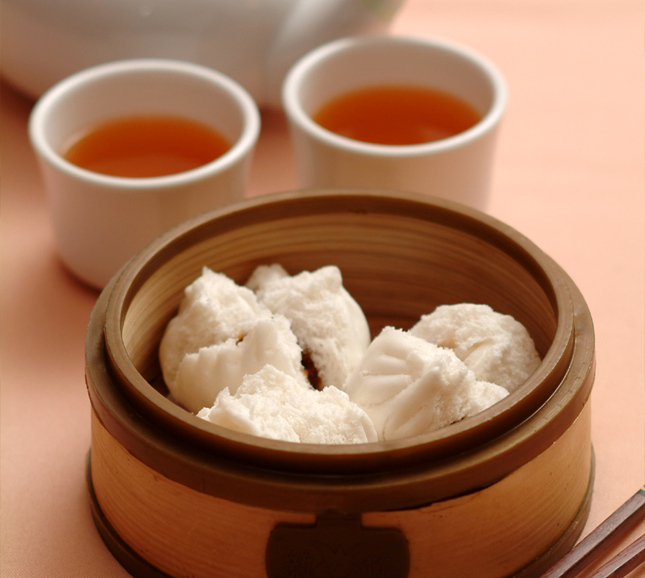
Dimsum is believed to have originated in small tea houses along the Silk Road through China, where merchants would stop to rest during their long journeys. In Hong Kong and small towns in Guangdong province, tea houses serve dimsum early in the morning, a popular spot for people returning from their morning exercise to enjoy breakfast and chat. In the southern provinces of China, such tea houses are often where families gather on weekends. Now, you can enjoy dimsum at any convenient time. However, this low-carbohydrate, high-protein dish is best enjoyed with tea in the morning.


To pave the way for a dim sum feast, dumplings in shark fin soup are a perfect choice. Savoring the rich, sweet soup and the fragrant dumplings melting in your mouth reveals the chef's skill, as the dumplings are so tender yet retain their shape in the small bowl of soup.
But when it comes to Dimsum, dumplings are the most well-known. Wheat flour and tapioca flour are mixed with water, oil, and salt in a strict ratio, then kneaded by hand until the mixture is soft, pliable, and shiny, a sign that the dough has reached the necessary smoothness. During the filling process, this mixture must be carefully wrapped to prevent it from drying out. The main ingredient of the dumpling filling is finely minced shrimp mixed with many other seasonings such as rice wine, sherry (a type of wine made from white grapes from Spain), pepper, sesame oil, sweet bamboo shoots, and green onions, then refrigerated for about an hour.


 Shaping and molding dumplings is also a meticulous and elaborate process. A "Dimsum artisan" must measure the right amount of dough, roll it out, spread the filling evenly, and roll it skillfully so that the dumpling resembles a beautiful seashell. The remaining step is steaming the dumplings until the wrapper is translucent and the filling inside turns golden. Looking at the tiny bamboo steamer with three pretty dumplings inside, few people can imagine the chef's painstaking effort. Hot dumplings eaten with chili sauce and soy sauce are simply delightful.
Shrimp spring rolls are also a culinary gem of Dimsum; the wrappers are soft but not mushy, with a chewy texture and a rich, sweet shrimp filling. Meanwhile, char siu buns look like white flowers with three open petals; the fluffy, fragrant bun is slightly sweet, while the rich char siu filling has a hint of soy sauce and oyster sauce. If you prefer savory fried dishes, you can try shrimp-filled tofu skin rolls, and sweet fried dishes like mung bean paste donuts can be enjoyed as dessert…
Chef Alex Zheng of May Mắn restaurant, a native of Guangzhou with 30 years of experience in major restaurants in Hong Kong and Singapore, says he is fascinated by Dimsum because of its diversity, sophistication, and high aesthetic demands. The ingredients are all very familiar, easily found in everyday life, but they require the skilled hands and imaginative spirit of a chef to transform them into unique "works of art" found only in Dimsum.
You can enjoy Dimsum at:
Lucky Restaurant
Fortuna Hotel – 6B Lang Ha Street, Ba Dinh District, Hanoi.