VI
VI


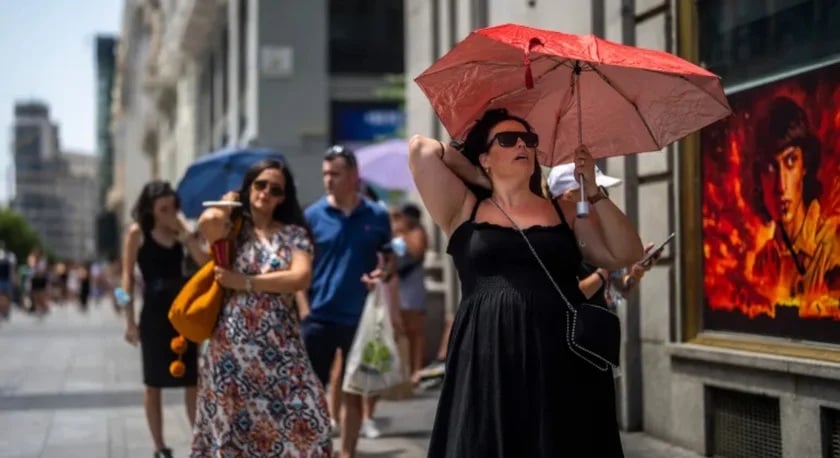
Europe is entering its peak summer tourist season but is also experiencing one of the most intense heatwaves in history. Not in mid-August, but as early as the end of June, temperatures in many major Western European cities have already exceeded 40°C due to the effects of a "heat dome"—a mass of hot air that accumulates and is trapped in the lower atmosphere, unable to escape.
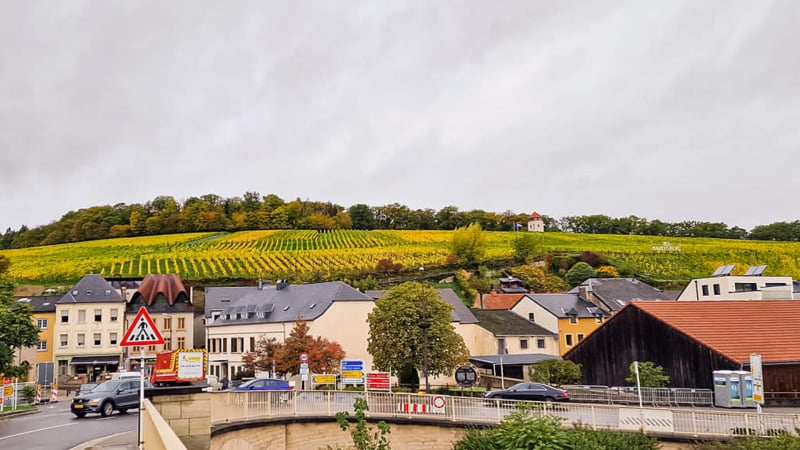

This is a clear sign that the European summer is undergoing a structural change, and travelers need to rethink how they plan their trips.
In France, the night of June 22nd recorded the highest nighttime temperature since 1947 at 37.8°C, meaning that even after sunset, the city remained cool. On June 23rd, the southwestern part of the country recorded 44.3°C. Authorities activated a red alert in 54 provinces and planned to expand it to 58 provinces.
In Italy, the Ministry of Health issued the highest level of red alert in 15 cities, requiring a reduction in outdoor working hours and advising tourists to stay in air-conditioned spaces for at least three hours each day to avoid heatstroke.
In the UK, the Met Office issued an extreme heat warning for four consecutive days from June 22nd to 25th, with temperatures potentially reaching 38°C – a record high for a country lacking the infrastructure to combat the heat.

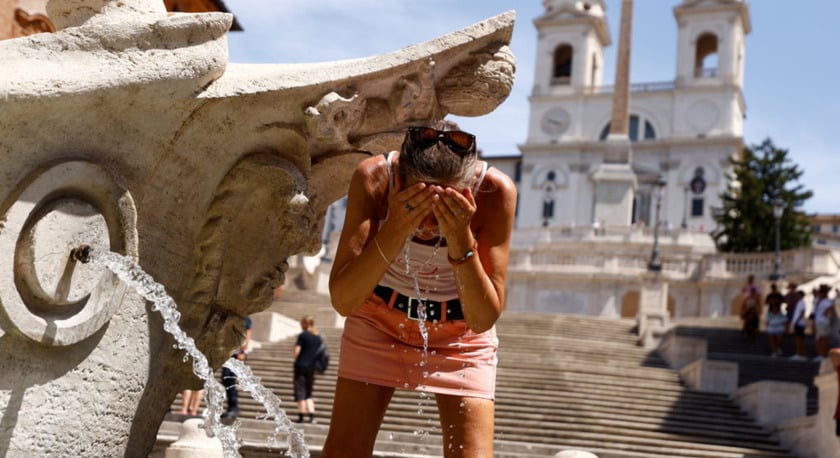
Tourists seek ways to cool off as outdoor temperatures consistently remain above 40 degrees Celsius.
It's noteworthy that heatwaves like these are appearing earlier in the year. Climate scientists confirm that as the Earth continues to warm, extreme heatwaves that previously only occurred in mid- or late summer are now tending to start in June, becoming more intense and lasting longer. This means the "ideal" window for traveling to Europe is shrinking, and without adjustments, both tourists and travel businesses will be caught off guard.
At European tourist destinations, the pressure from heatwaves is not only a health issue but also directly impacts the experience. Famous outdoor landmarks such as the Eiffel Tower, the Colosseum, or ancient squares in Spain are almost inaccessible during peak hours of sunshine, from 11 am to 4 pm.
Tourists are forced to adjust their schedules, consolidating outdoor activities into early mornings or late evenings. This puts pressure on public transportation, restaurants, and indoor spaces in major cities during certain hours.
For Vietnamese tourists, accustomed to the hot and humid tropical climate, many mistakenly assume that 40°C in Europe is no different from summer in Hanoi or Ho Chi Minh City. However, this is a significant misconception. The intense heat in Western Europe is often accompanied by low humidity and very strong direct radiation due to the high latitude, causing rapid dehydration and making it difficult to recognize the symptoms of heatstroke in time.
Furthermore, much of Europe's infrastructure—including subways, budget hotels, and historic buildings—is not equipped with air conditioning. This is a real health risk, not just a temporary inconvenience.
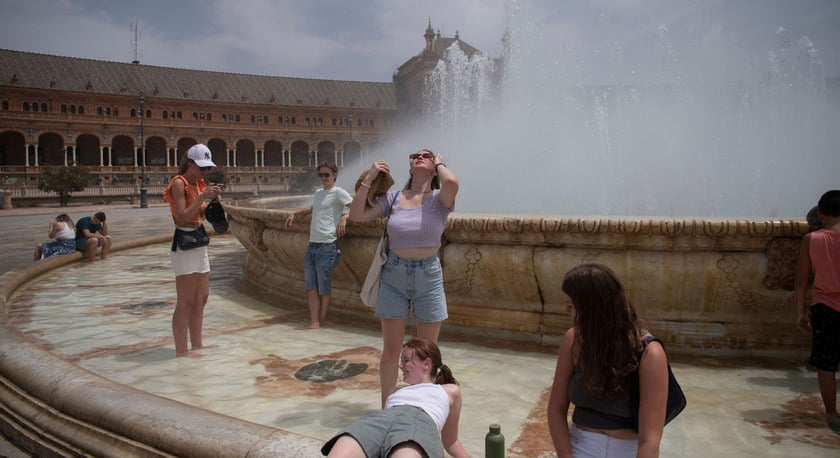
Scientists say that as the Earth continues to warm, extreme heatwaves, which previously only occurred in mid-summer, will become more frequent, intense, and longer-lasting right from the beginning of the season.
Here are some practical tips for those planning a trip to Europe this summer: First, it's essential to monitor weather warnings from national meteorological agencies such as the Met Office (UK), Météo-France (France), and Arpae (Italy) instead of relying solely on regular weather apps, as these agencies publish health warnings with specific action recommendations.
Secondly, book a hotel room with air conditioning and double-check this before paying – this is a must-consider criterion when traveling to Europe in the summer, not an option. Thirdly, outdoor sightseeing schedules should be arranged before 10 am or after 5 pm; lunchtime should be reserved for museums, shopping malls, or indoor spaces.
Fourth, bring your own water bottle – many European cities have free public drinking fountains, but during heatwaves, these water dispensers are often overloaded.
Heatwaves are not a new phenomenon in Europe, but their frequency and intensity are changing enough to redefine the summer travel season on the continent. Wise travelers prepare for the actual weather conditions to ensure a safe and healthy trip.