VI
VI


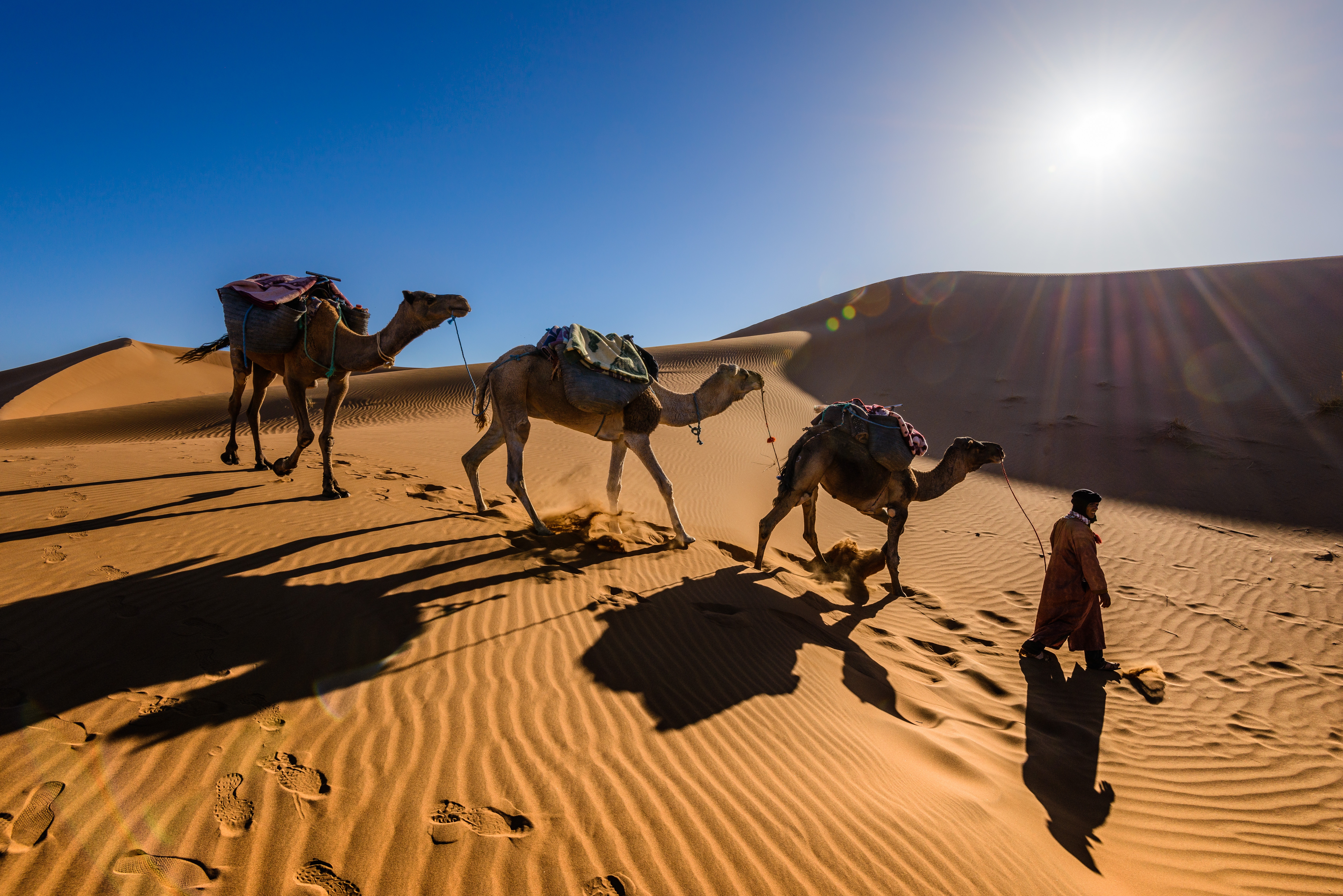
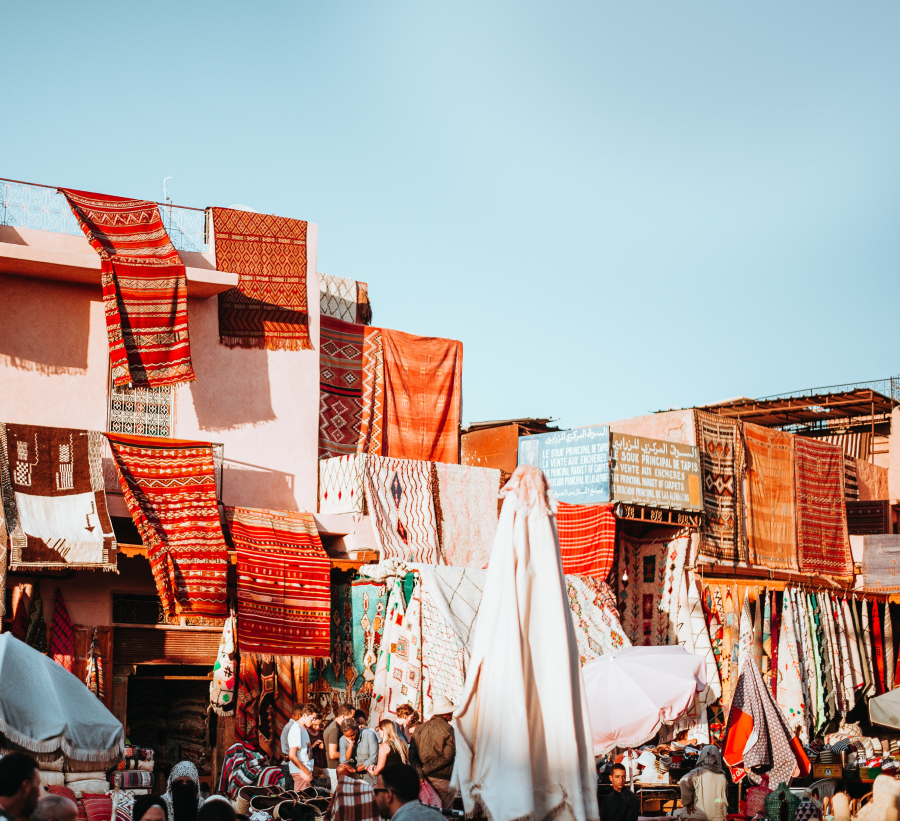
Morocco, officially the Kingdom of Morocco, and known to the Persians as "Marrakech," is a country located in North Africa, famous for the Sahara Desert. Morocco holds a very important strategic position, controlling the Strait of Gibraltar and facing both the Atlantic and Mediterranean Seas. It is the only country not in the African Union but is in the Arab League.
The right time
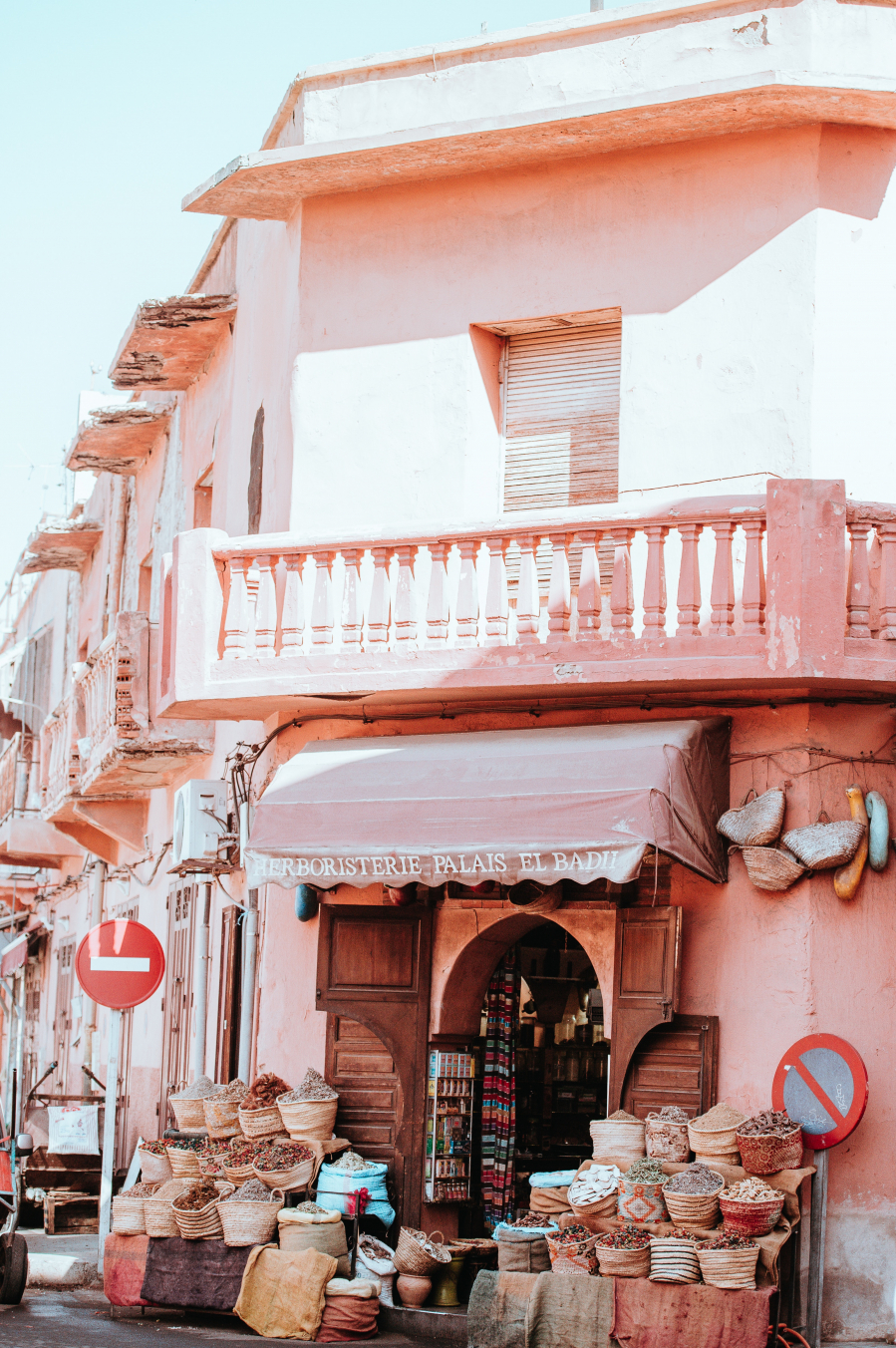
Located on the coast bordering the Atlantic and Mediterranean Seas, the best months to visit Morocco are from June to September. During this time, although slightly humid, the weather is quite warm, with little rain and a maximum temperature of around 20°C. Inland areas experience scattered rain throughout the year and are quite hot. In the central region, the months from March to June and September to December are the most pleasant. Meanwhile, in the high mountain areas, the weather is much colder than elsewhere. Some mountain peaks are even covered in snow from November until June.
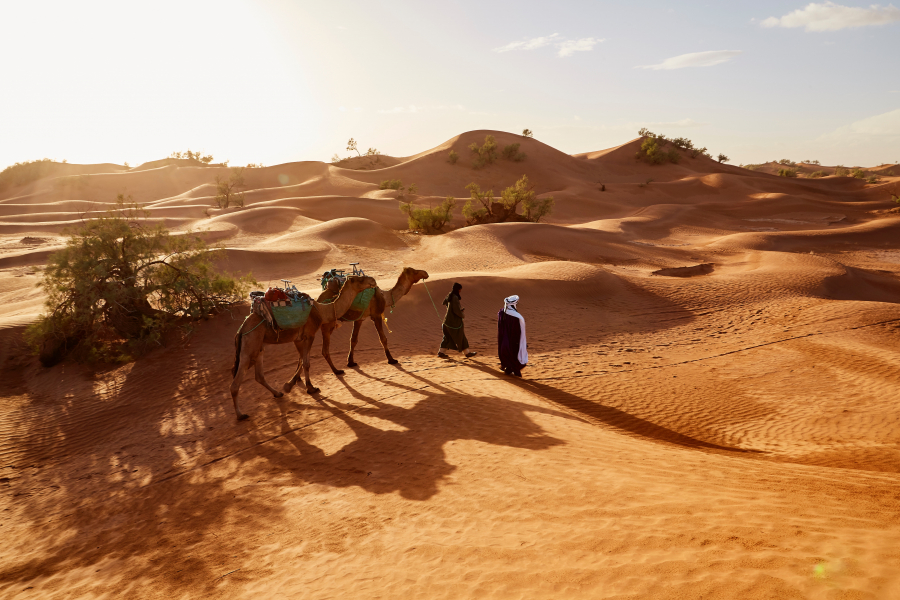
Don't go alone.
A trip to Morocco is safer when traveling with a friend or group of friends. It's best to stay together as much as possible, everywhere you go. Remember to have a means of communication with family, your travel companions, and other members of your group. One thing to note is that international phone calls can be very expensive. If you plan to stay longer than a week, consider buying a cheap prepaid mobile phone as soon as you arrive at the airport.
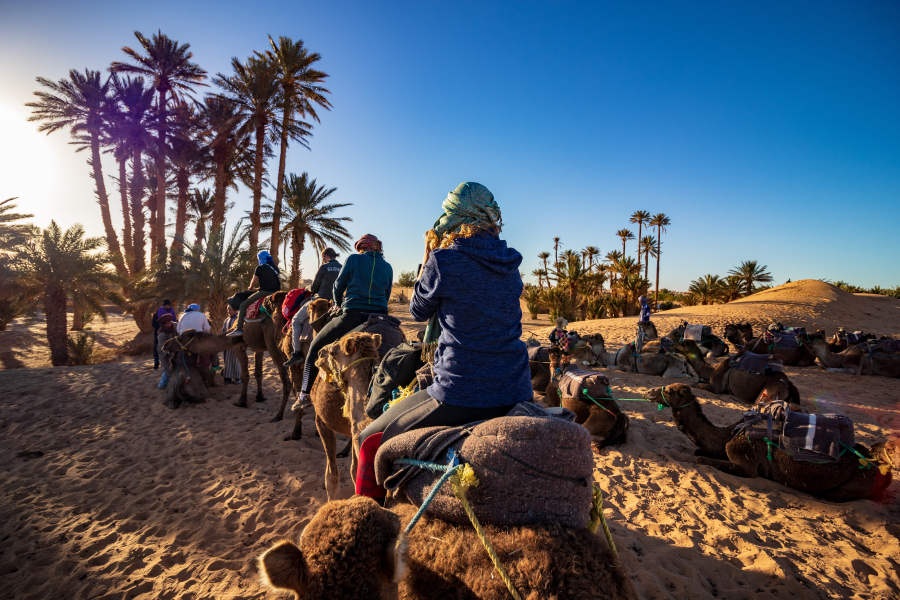
Regardless, going out at night is unsafe in a remote and unfamiliar place, even though Morocco has been declared safe. You should plan your time to finish everything before dark. If it's absolutely necessary, you should ask your driver or tour staff to escort you through difficult roads.

Appropriate attire
If you're going to Morocco, one of the most important things to pay attention to is your clothing. You should dress carefully to avoid attracting unwanted attention. The best way is to dress like the locals. This is also a way to show respect for the local culture. In particular, you should choose comfortable, flat shoes so you can walk around, sightsee, and admire the beauty of Morocco.
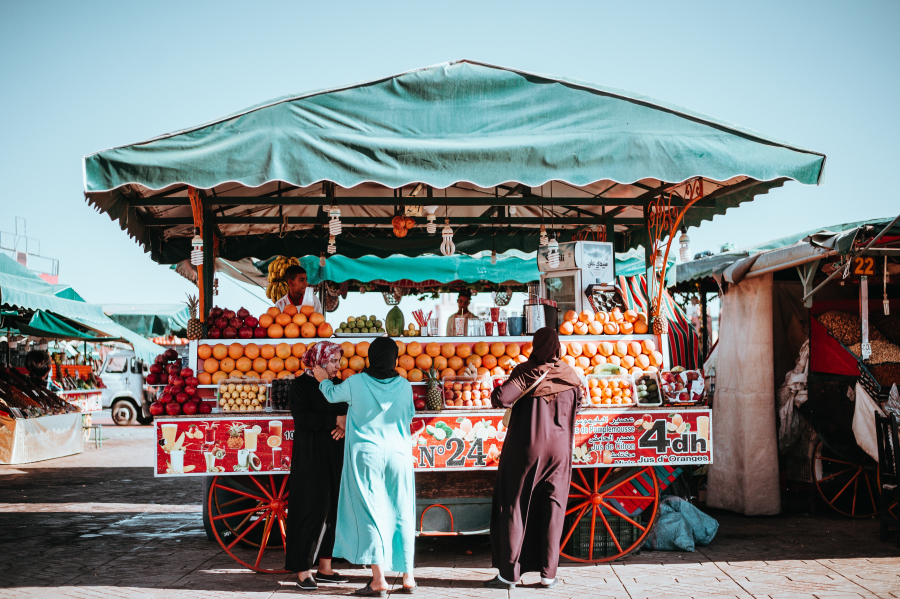
When visiting mosques, women must cover their arms and legs and wear a headscarf. Men must also wear trousers that cover their knees. It's best to wear loose-fitting clothing like Muslim women and add a headscarf when entering a mosque. In hot weather, many tourists choose to wear local clothing as it helps keep them cooler.
Phrases to watch out for
Besides the official language, Arabic, people here can also speak many other languages such as French, Spanish, and several dialects like Tashelhit, Tamazight, and Tarifit. English is also common in tourism and business discussions.
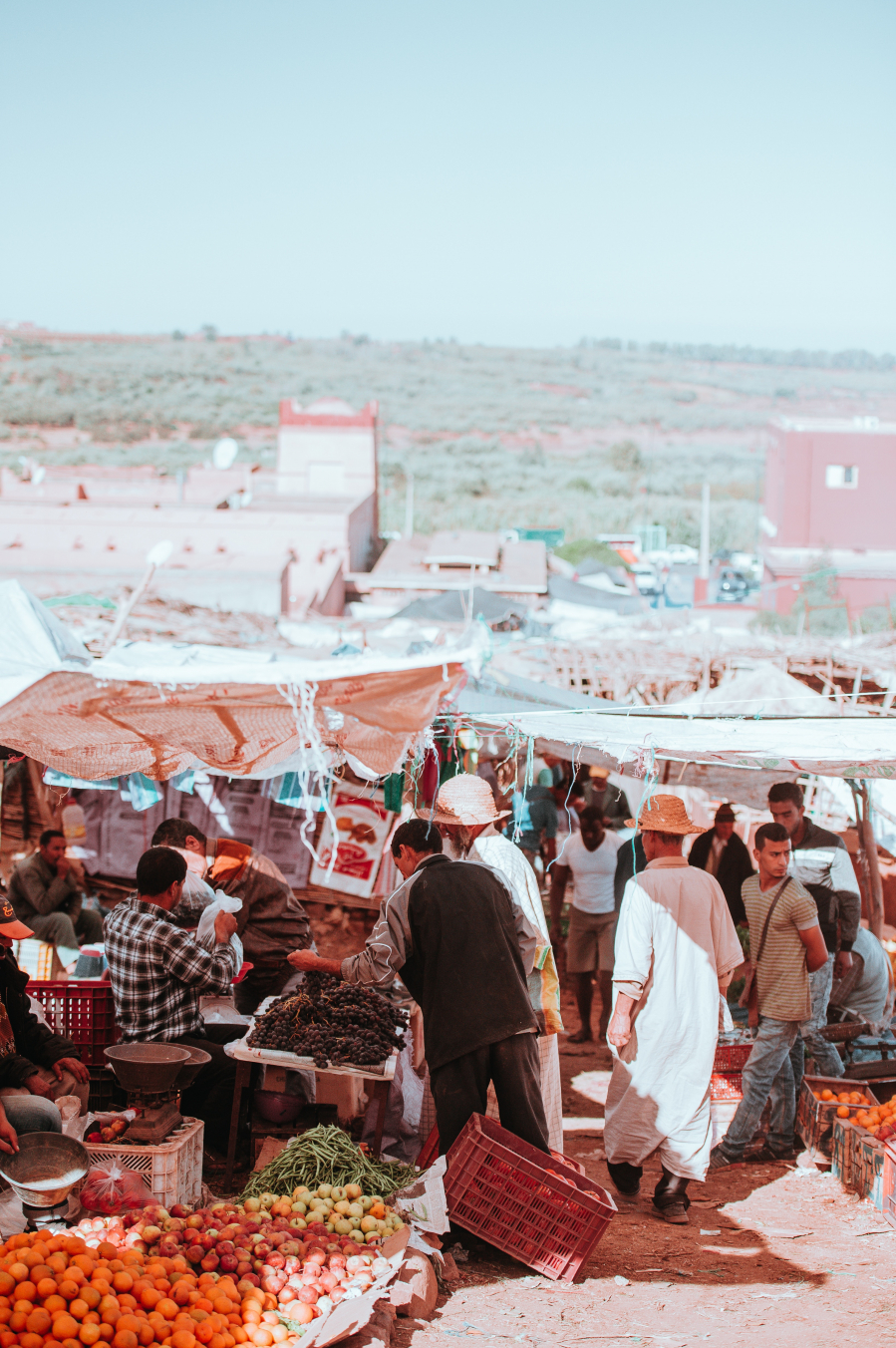
However, three Arabic words that might be useful for your trip are Choukran (Thank you); La Choukran (No, thank you); Feen (Where); and a friendly greeting (Salam Alikome). Additionally, you should be mindful when hearing someone shout "balak" in the crowded and cramped markets of Morocco. This word means "get out of the way."
Be careful when taking photos.
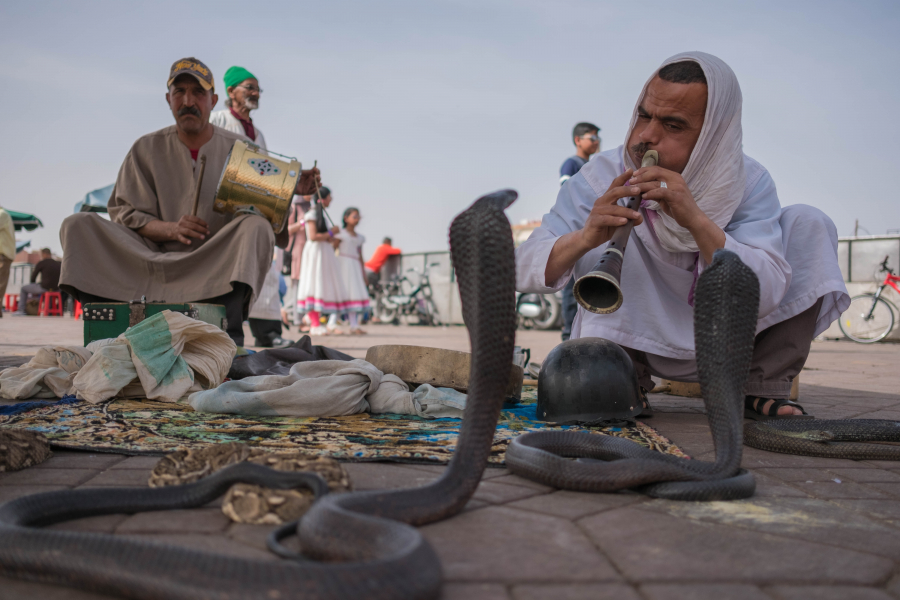
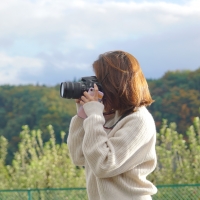
According to Moroccan culture, every photograph taken reflects the soul of the person, and therefore, you are only allowed to take pictures with the permission of the locals. You are also not allowed to photograph monkeys and snakes in the main square unless you are willing to pay a fee for permission to do so.
Coffee culture
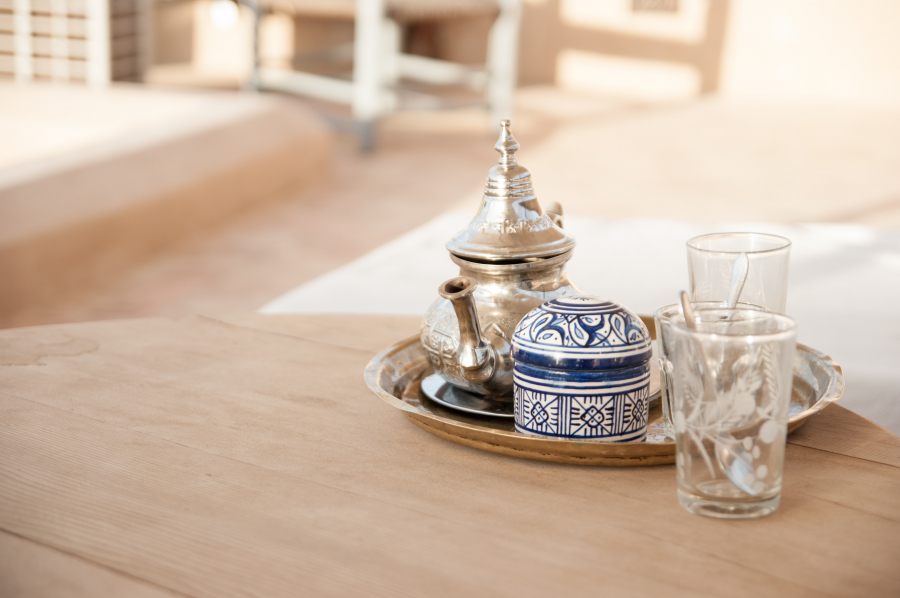
For Moroccans, especially men, coffee houses are considered the most familiar places. They frequently gather there to enjoy fragrant cups of coffee or refreshing traditional mint tea and discuss life. Hafa and Baba are considered two of the most popular coffee houses among tourists. This could be a great suggestion for travelers who love both travel and coffee.