VI
VI


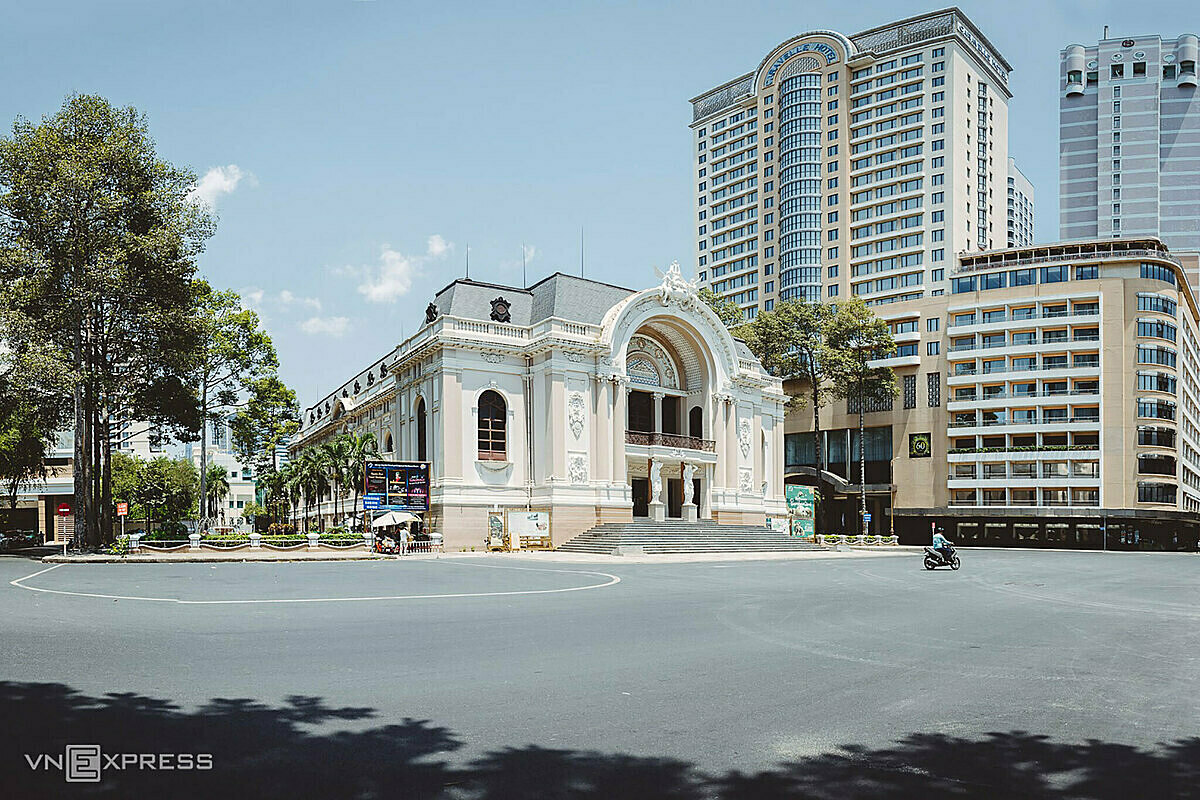
On April 3rd, the Department of Tourism announced that the total revenue of the city's tourism industry in March 2020 was estimated at 3,496 billion VND, a decrease of 65.26% compared to the same period in 2019. This brings the total revenue for the first three months of 2020 to only 25,591 billion VND, equivalent to 18.28% of the 2020 plan and a decrease of 26% compared to the same period.
In March, tourism revenue reached only 554 billion VND, a decrease of 64% compared to February and a decrease of 77.4% compared to the same period last year. Compared to the decline in other industries, tourism is one of the sectors that suffered the heaviest losses from the COVID-19 pandemic.

Since the outbreak of the pandemic in late January 2020, the number of customers for travel companies has decreased significantly, from a 50-60% drop in February to a 95-100% decrease in March due to the unexpected developments of the pandemic, compared to the same period last year.
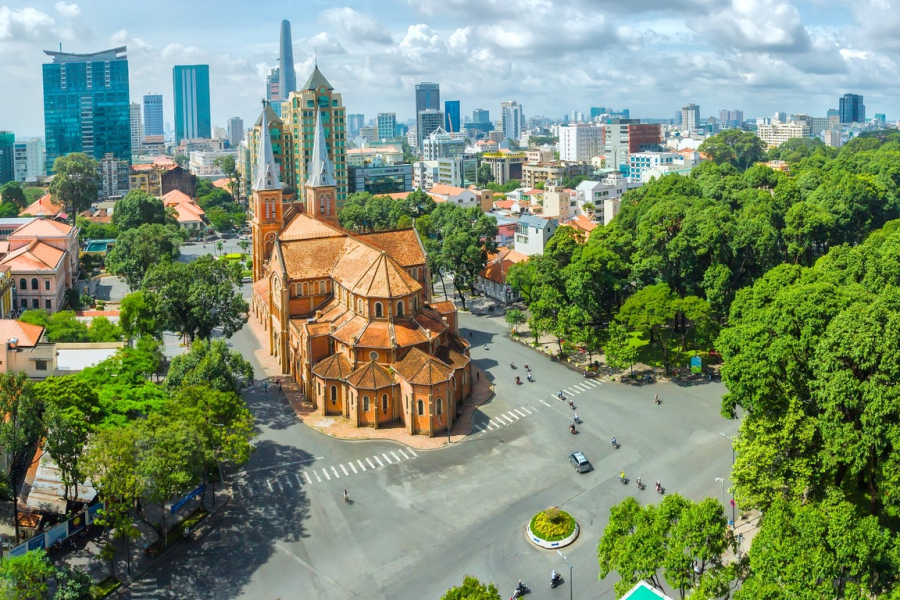
Currently, Vietnam's tourism industry is practically in "hibernation," with no new visitors. Many travel businesses have ceased operations for several months, waiting for the pandemic to pass before resuming market activities.
According to the Department of Tourism, almost all travel agencies and tour operators in the area have switched to online work. Only a few units remain open to work with customers, handle cancellations, and settle accounts with partners, with fewer than 10 people and not accepting new tour bookings. Businesses that no longer have transactions with customers or accounts receivable have closed their offices to save costs and arranged for employees to work remotely from home.
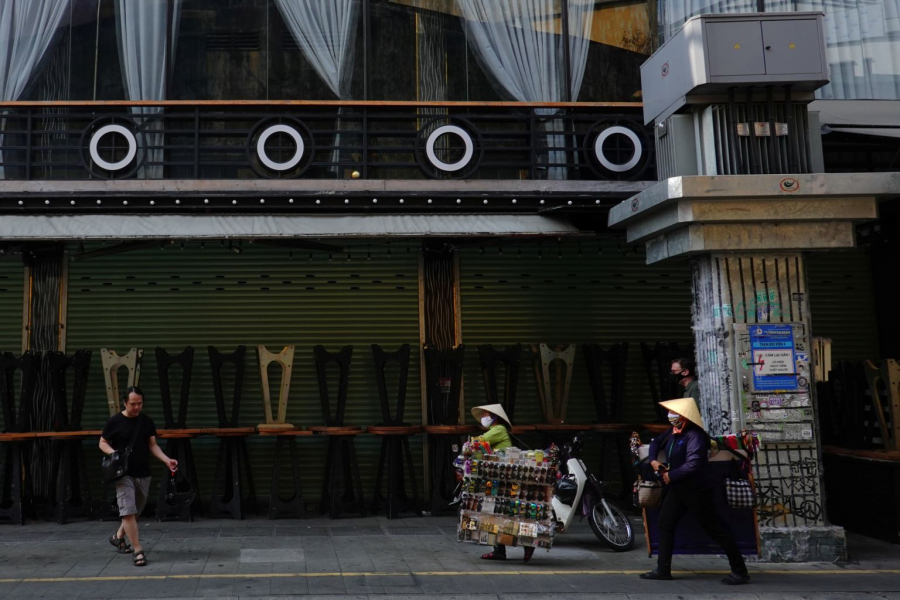
Affected by the tourism industry, the accommodation and food service sector also saw a 30.3% decrease in revenue in the first quarter of 2020 compared to the same period last year, estimated at 19,793 billion VND.
Currently, hotels are experiencing a situation where there are more staff than guests; at night, some hotels only have 1-2 rooms lit up, with occupancy rates plummeting, whereas in previous years this was the peak season for receiving guests. Restaurants and eateries have also closed since the end of March as part of the nationwide effort to combat the pandemic.