VI
VI


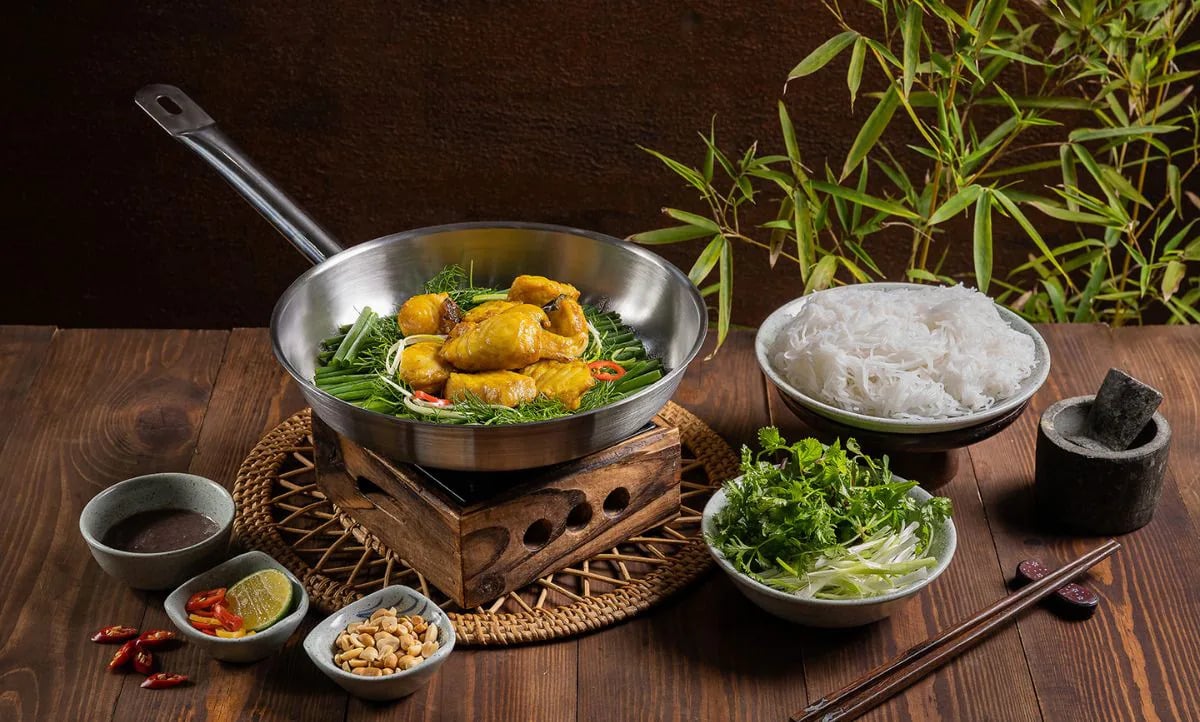
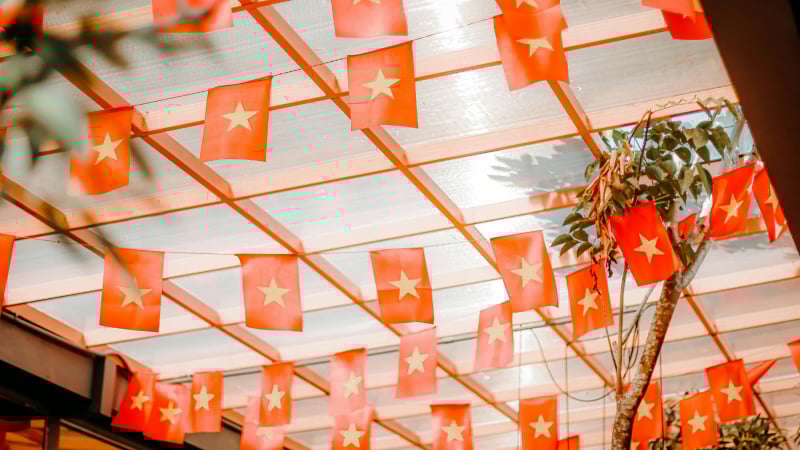
In the heart of the bustling capital, the ancient streets and traditional food districts still retain their unique charm. Visiting Hanoi during National Day, tourists can not only admire the architectural and historical heritage but also enjoy dishes that have been recognized as National Intangible Cultural Heritage – each dish a slice of culture, a culinary essence of Hanoi.

Hanoi Pho: The Soul of Vietnamese Cuisine
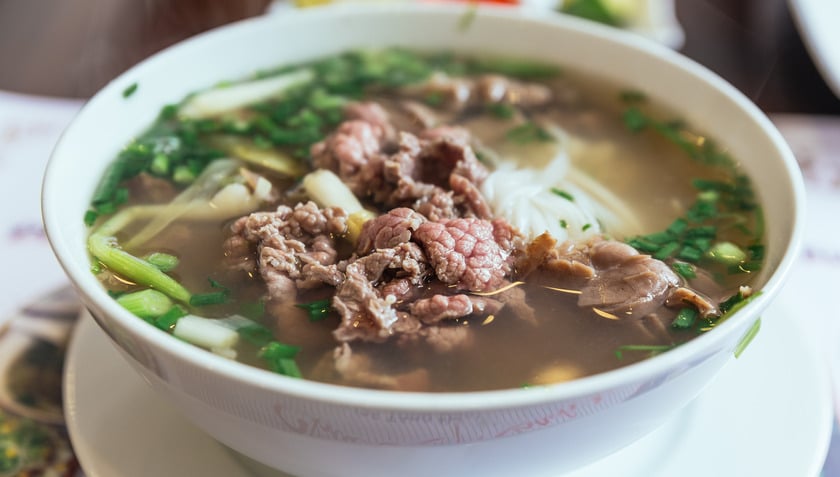
When talking about Hanoi cuisine, pho is an absolute must-mention. This dish transcended its origins as a street food from the early 20th century to become an iconic Vietnamese culinary symbol on the world map. The distinctive feature of Hanoi pho lies in its clear, subtly sweet broth, simmered from beef bones and seasoned with traditional spices such as cinnamon, star anise, and cardamom.
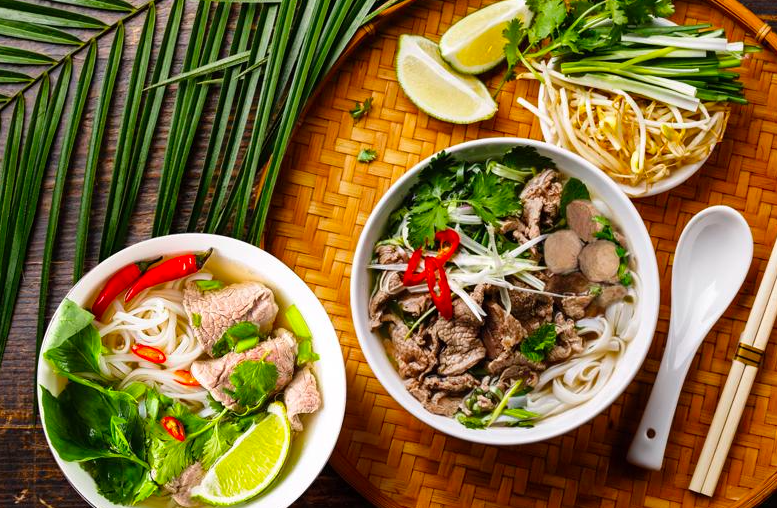
When talking about Hanoi's cuisine, pho is an absolute must-mention.
In 2024, Hanoi Pho was officially recognized by the Ministry of Culture, Sports and Tourism as a National Intangible Cultural Heritage. This recognition not only affirms the status of a dish but also honors the culinary essence, meticulousness, and love that Hanoians have for this dish. Enjoying a steaming hot bowl of pho amidst the cool autumn weather is an experience not to be missed when visiting the capital city.
Thanh Tri Rice Rolls: The epitome of refined elegance.
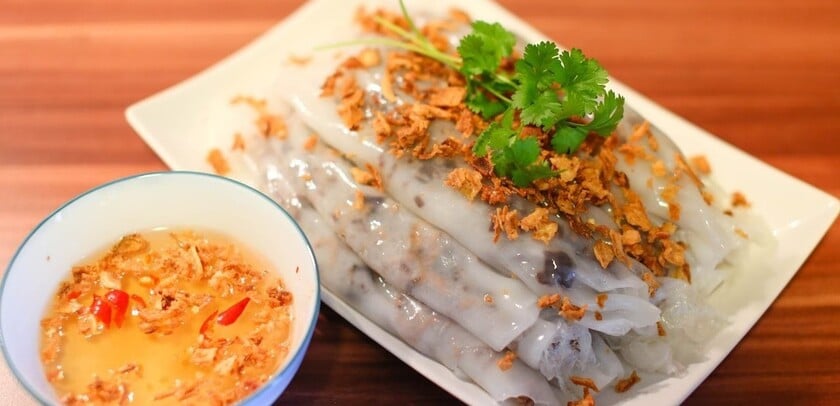
The craft of making rice rolls in Thanh Tri village (Hoang Mai district) dates back to the 18th century. Unlike rice rolls in many places, which often have fillings of minced meat and wood ear mushrooms, Thanh Tri rice rolls are famous for their simplicity and elegance. The thin, almost transparent layers of rice rolls are made from finely ground rice flour and sprinkled with crispy fried onions. They are usually eaten cold with a lightly dipped sauce, creating a pure and unforgettable flavor.
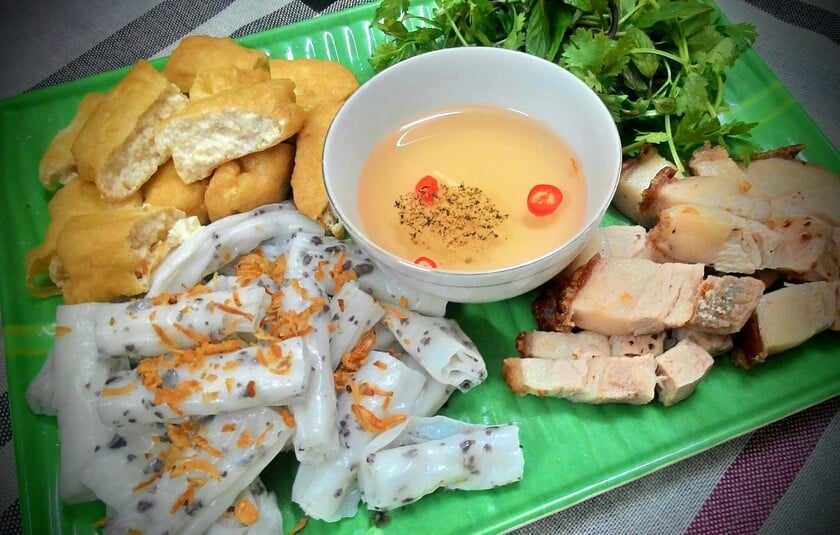
Thanh Tri rice rolls are one of the must-try specialties when visiting Hanoi. This dish has become a famous culinary brand in the capital city.
On August 18, 2024, the Thanh Tri rice roll making craft was recognized as a National Intangible Cultural Heritage. This is well-deserved recognition for a traditional craft, showcasing culinary sophistication and the skill of the artisans.

Cha Ca La Vong: A unique culinary experience.
On the same day as Thanh Tri rice rolls, the culinary knowledge of preparing and enjoying La Vong fish cakes was also officially recognized as a national heritage. This dish originated from the Doan family in 1871, using fresh catfish marinated with galangal, turmeric, and fermented rice paste, then grilled over charcoal. What makes La Vong fish cakes special is the experience of enjoying them at the table. Diners will personally stir-fry the fish in a hot pan with plenty of dill and scallions, then enjoy it with vermicelli noodles and shrimp paste.
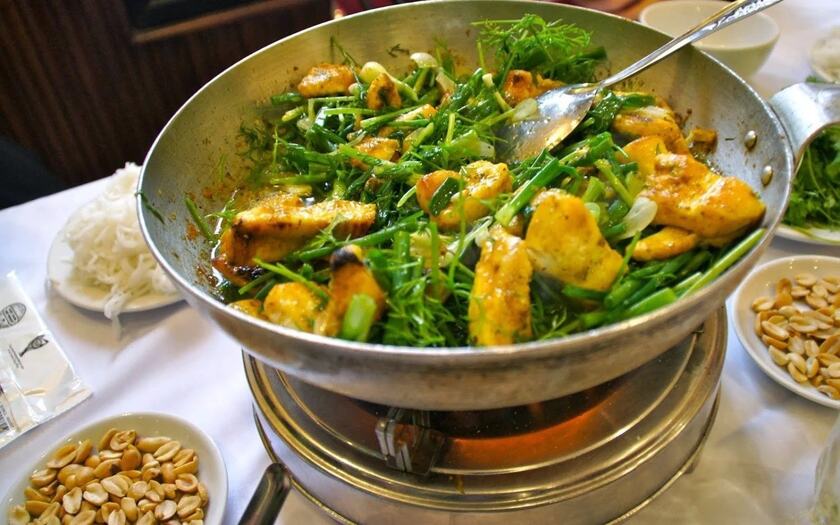
Specialties of Hanoi
This is not just a dish, but a unique cultural experience. The distinctive flavors of fish, dill, and shrimp paste blend together to create an unforgettable culinary symphony.
Bat Trang Feast: Rediscovering Traditional Values
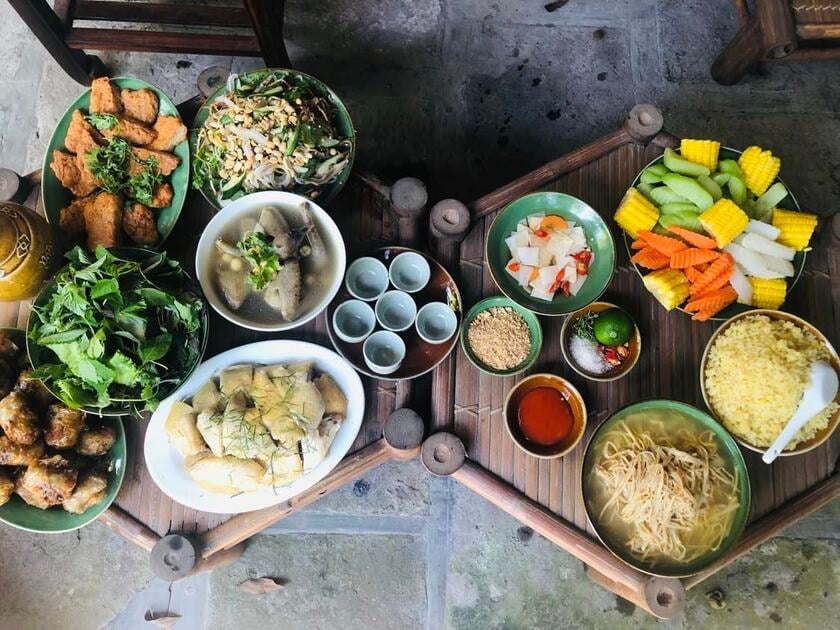
Famous for its long history as a pottery village, Bat Trang also boasts a unique culinary heritage: the Bat Trang feast. This feast is not simply a collection of dishes, but a harmonious blend of beliefs, art, and the life philosophy of the villagers. A traditional feast typically includes familiar dishes such as gac sticky rice, Bat Trang spring rolls, and chicken boiled with lime leaves…
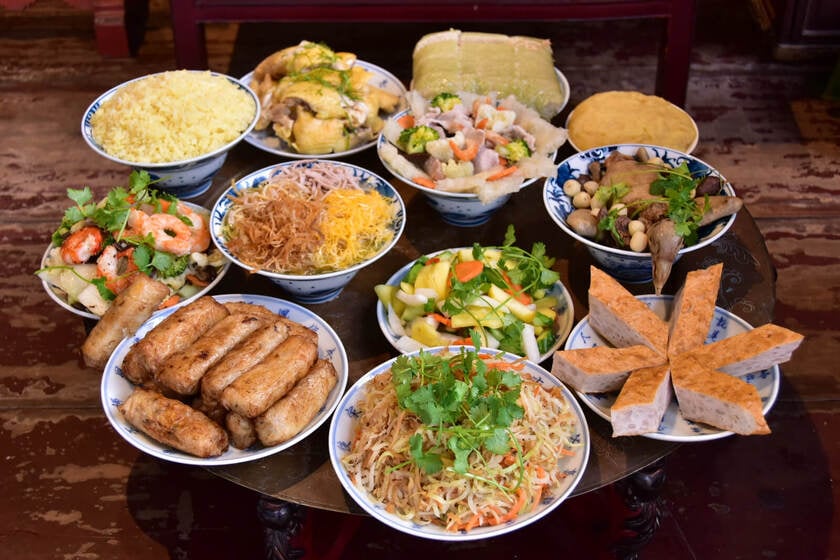
The Bat Trang feast is a traditional meal that embodies the culinary and cultural essence of the Bat Trang pottery village from centuries ago.
Enjoying the Bat Trang Feast, which was recognized as a National Intangible Cultural Heritage on August 13, 2024, is a way to travel back in time and rediscover the family values of the people of Northern Vietnam in the past. Each dish in the feast carries its own meaning, expressing respect for tradition and a wish for a prosperous and peaceful life.
Phu Thuong sticky rice: A simple, heartwarming dish for Hanoians.
Phu Thuong village (Tay Ho district) has long been famous for its traditional sticky rice making. With over 600 households still cooking daily, supplying tons of sticky rice to all over Hanoi, Phu Thuong sticky rice has become an indispensable part of breakfast for the capital's residents. Phu Thuong sticky rice stands out because of its soft yet fluffy glutinous rice grains, subtly fragrant with the aroma of fresh rice, and steamed using traditional firewood.
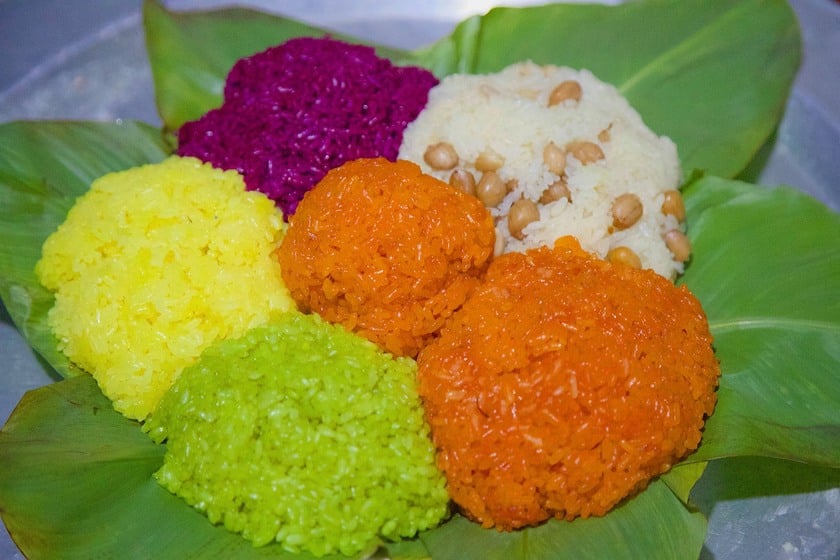
In February 2024, the craft of making sticky rice in Phu Thuong was honored as a National Intangible Cultural Heritage, a well-deserved recognition for this simple yet heartwarming dish. This sticky rice not only nourishes the body but also the soul, and is closely associated with countless generations of Hanoians.
Me Tri Green Rice Flakes: The taste of the countryside in the heart of the city.
With a history spanning over a century, Me Tri green rice flakes are renowned for their quality and distinctive flavor. Made from young glutinous rice, without added coloring, they retain their natural sweetness and richness. The green color comes from freshly harvested rice grains, and when wrapped in lotus leaves and tied with green straw, they offer a refreshing and delicate taste.

Me Tri sticky rice flakes are famous for being "natural," without added coloring, preserving the sweet and nutty flavor of young sticky rice grains.
In 2019, the craft of making Me Tri rice flakes was recognized as a National Intangible Cultural Heritage. Enjoying Me Tri rice flakes is not just about savoring a dish, but also about experiencing a cultural aspect, a taste of Hanoi's autumn. It is a precious spiritual gift, evoking childhood memories and traditional values.
When visiting Hanoi to watch the parade, tourists not only get to immerse themselves in the heroic atmosphere of National Day but also have the opportunity to explore a unique culinary world. These national heritage dishes are not only specialties but also stories about the culture, history, and people of Hanoi, sure to leave a lasting impression on every visitor.