VI
VI


Vietnam is a tropical country with an extremely diverse and rich system of national parks. The pristine beauty of the old-growth forests and the mystery of the rare animals in the deep forests are what attract tourists to the vast wilderness.
1. Ba Be National Park - Bac Kan
Ba Be National Park is an ideal summer tourist destination, and a special highlight alongside the pristine forests is Ao Tien (Fairy Pond). Located in the third part of Ba Be Lake, Ao Tien is a small lake nestled in a valley, offering a cool, relaxing, and extremely romantic atmosphere. Ba Be National Park is located in Bac Kan province, about 250 km from Hanoi, and boasts a unique ecosystem, especially its incredibly diverse and abundant aquatic species. Ba Be National Park is a biodiversity hotspot with typical characteristics of evergreen forest ecosystems on limestone mountains.
Located in Bac Kan province, Ba Be National Park is home to many ethnic minority groups, including the Tay, Dao, and Hmong. Visiting Ba Be National Park, tourists not only enjoy nature but also have the opportunity to experience life in traditional homestays.
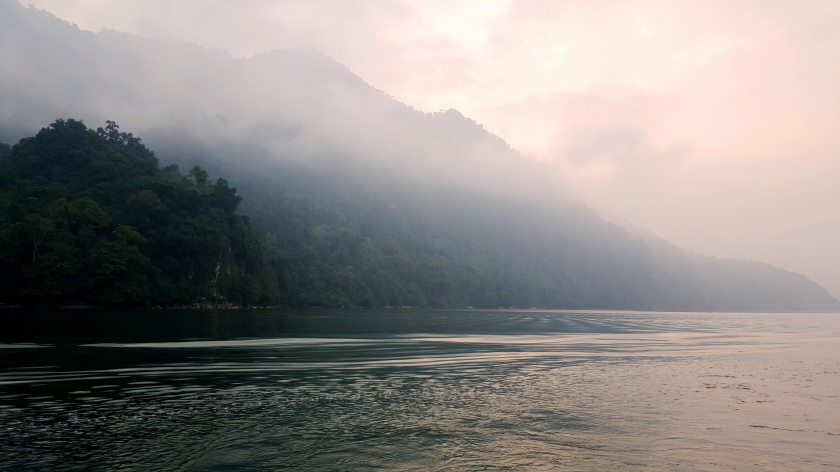
Ba Be National Park is an ideal summer tourist destination, and a special highlight alongside the pristine forests is Ao Tien (Fairy Pond).
Ba Be National Park is formed by towering limestone mountains that create cascading waterfalls before flowing into Ba Be Lake, Vietnam's largest natural freshwater lake. Hiking through the national park is a delightful experience. Visitors can also take a boat trip to explore hidden limestone caves along the water's edge.
Besides the mountain lake, Ba Be National Park also boasts incredibly unique stalactite caves, which can be called masterpieces of art that nature has bestowed upon this beautiful land. Popular caves visited by many tourists include Puong Cave, Ba Cua Cave, Na Phong Cave, and Hua Ma Cave.
2. Bach Ma National Park
Located approximately 40 km from the city center of Hue, Bach Ma National Park is Vietnam's only stretch of pristine forest that runs across the country from the East Sea to the Vietnam-Laos border. The park still retains traces of dilapidated French-style villas hidden among the pine forests, along the trails – remnants of a golden age and a place once renowned as the Sapa, Tam Dao, and Da Lat of Central Vietnam.
Nestled beside the Truong Son mountain range, Bach Ma Mountain resembles a white horse stretching its legs towards the vast ocean. This area is home to many rare tropical animal and plant species in its expansive primeval forest, with spectacular streams and waterfalls.

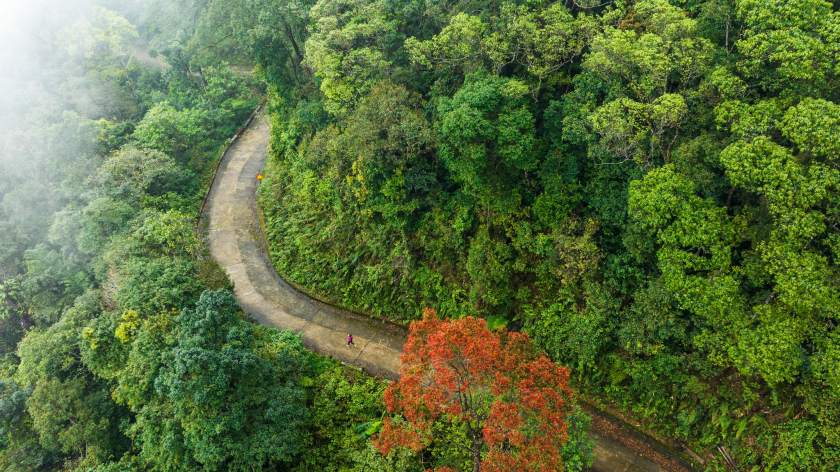
Bach Ma National Park is Vietnam's only strip of primeval forest that stretches across the country from the East Sea to the Vietnam-Laos border. (Photo: Le Huy Hoang Hai)
Bach Ma National Forest is a highly diverse forest with 2,147 plant species, including the very rare false cypress and agarwood, along with 1,493 animal species, including the rare saola.
This is one of the famous tourist and exploration destinations in Hue, with beautiful and majestic natural scenery such as Do Quyen Waterfall, Vong Hai Dai (Sea View Tower), Ngu Ho (Five Lakes)... these landscapes make Bach Ma appear like a harmonious ink painting in terms of color. From the top of Vong Hai Dai - the highest point in Bach Ma - visitors will see the majestic mountain range, broadening their horizons to the vastness of nature.
3. Pu Mat National Park – Nghe An
Pù Mát National Park is a special-use forest in Nghe An province. The name sounds quite unusual compared to other national parks in Vietnam. In the Thai language, "Pù" means mountain peak, so Pù Mát refers to the highest mountain peak in the area.
This forest covers a total area of 194,000 hectares, with a conservation zone of 94,000 hectares and a buffer zone of 100,000 hectares. Here, visitors can also admire the highest peak, reaching 1,184 meters, observe many rare animal species, and experience some of the most diverse ecosystems.
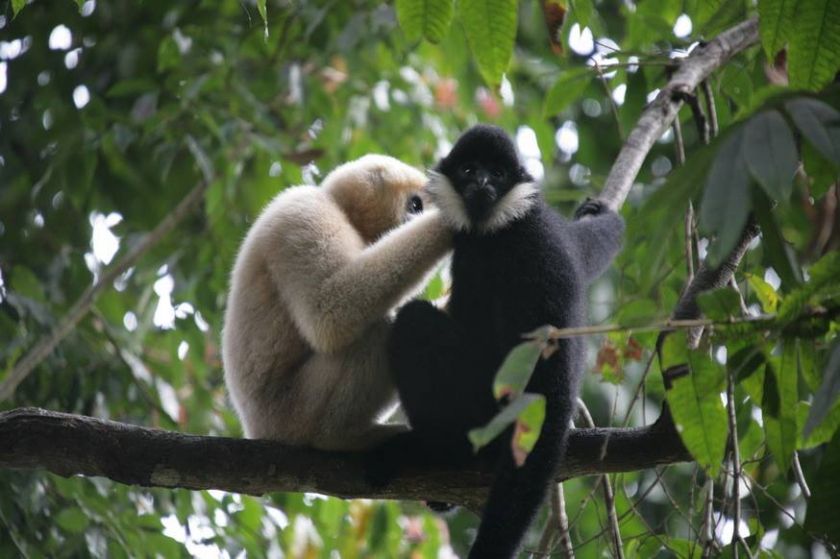
Pu Mat National Park is home to 455 rare black-cheeked gibbons.
Pu Mat National Park not only attracts tourists with its stunning natural scenery, but also offers a variety of experiences and activities such as: fishing boat trips, admiring majestic waterfalls, discovering rare animals, and more.
Here, you can also spend the night in the villages and participate in the daily life with the ethnic people, enjoying specialties such as: sticky rice cooked in bamboo tubes, banana porridge, catfish, grilled chicken, and enjoying rice wine…
4. Cat Tien National Park (Dong Nai - Lam Dong - Binh Phuoc)
As one of the world's largest "green lungs" and biosphere reserves, Cat Tien National Park is the largest national park in Vietnam, spanning three provinces: Dong Nai, Lam Dong, and Binh Phuoc. No matter where you are, visiting this park requires traveling by boat across the river, as if reaching a small island in the ocean.
To explore this magnificent old-growth forest, you'll need about 2 to 3 days, and it's best to go in a group of 3 to 4 people or more, as it's also considered a location for adventurous activities. Inside the national park, there are plenty of recreational activities, accommodation, food, and sightseeing options. All dangerous areas where wild animals might be present are guarded, so you can explore the forest with peace of mind.
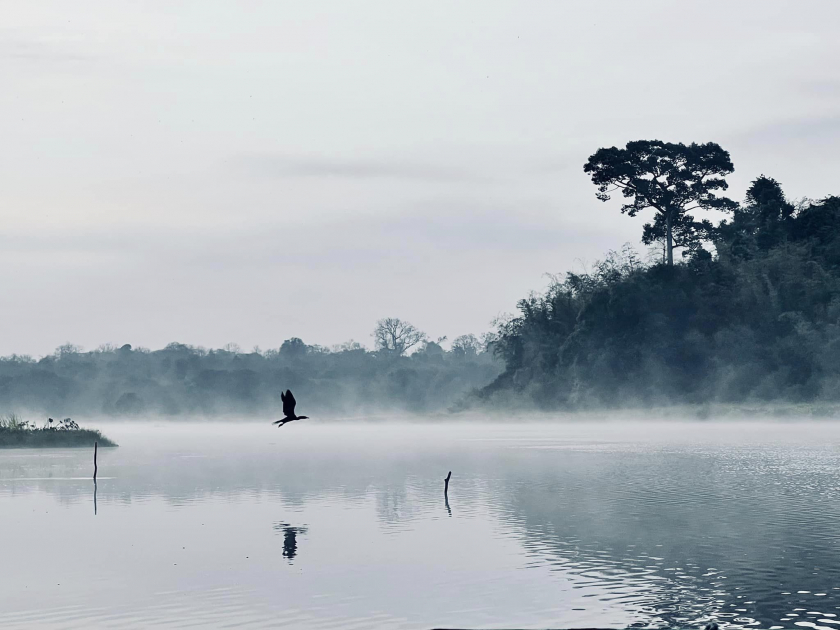
Cat Tien National Park boasts the Ban Sau area, home to 600 freshwater crocodiles. (Image source: collected)
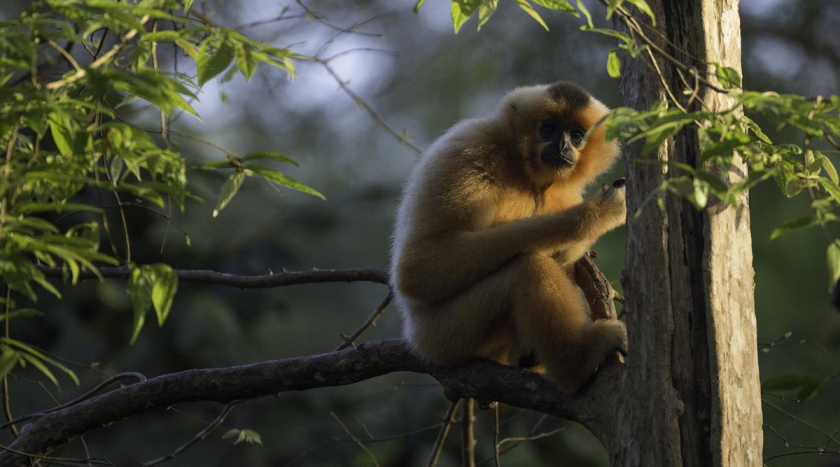
Here, visitors can admire many rare animal species and some of the most diverse ecosystems.
In Cat Tien National Park, you can almost return to a pristine life surrounded by majestic ancient trees, vines as thick as small tree trunks, and wild animals of the lush green forest. This is also one of the locations where director Victor Vu filmed part 1 of "Colors of Destiny" - "The Leaf Boat," and when watching the film, visitors are always amazed by the beauty of this forest.
5. Tram Chim National Park, Dong Thap
Returning to the Mekong Delta, you'll be captivated by the floating markets, the boat trips through the lush green mangrove forests, or the mesmerizing sight of vibrant pink lotus flowers on the lake's surface. After these simple, heartwarming experiences of the rustic Mekong Delta, don't miss a visit to Tram Chim National Park in Tam Nong, Dong Thap province, where flocks of birds blanket the sky in white.
Tram Chim National Park in Tam Nong is home to over 100 species of vertebrates, 147 species of waterbirds (including 13 rare species in the world, especially the red-crowned crane), and 40 different species of fish. Visiting Tram Chim National Park, tourists will be immersed in the vast expanse of Dong Thap province, admiring the lush green forests and the breathtaking sight of white birds soaring overhead.
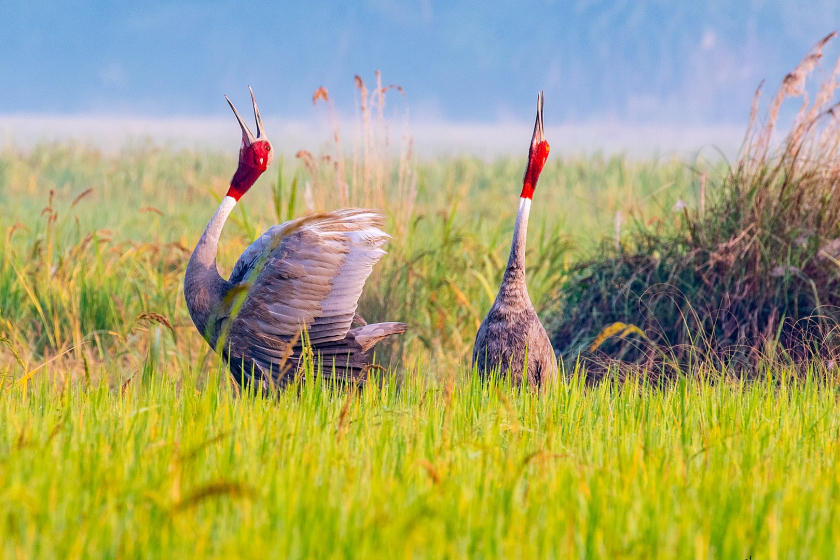
February and March are the best months to visit Tram Chim National Park to see rare bird species. (Image source: collected)
February and March are the best times to visit Tram Chim National Park to see rare bird species. (Image collected) Although the months towards the end of the year are the ideal time to visit Tram Chim National Park in Dong Thap, Vietnam, you can still come here during the summer months to escape the heat thanks to the lush, green vegetation. From January to June each year, you can admire the mesmerizing dances of the red-crowned cranes.
Tram Chim National Park is a peaceful and relaxing place, especially for those who want to escape the hustle and bustle of everyday life.