VI
VI



WHAT IS CARBON FOOTPRINT?
A carbon footprint is the total amount of greenhouse gas emissions generated during the production and consumption of industrial products or services by individuals, organizations, etc., and also represents the final life cycle of such a product or service.
Defining the carbon footprint in tourism, Dr. Dang Thi Phuong Anh, Lecturer at the Faculty of Tourism Studies, Hanoi University of Social Sciences and Humanities, stated that it is the total amount of carbon emissions released into the environment from tourism activities, on a global scale. At a smaller level, it originates from the tourism activities of a country, even smaller, from the tourism activities of a business or a hotel, and at the very smallest level, from the tourism activities of a single tourist.

Dr. Dang Thi Phuong Anh is also a project expert for the "Swiss Tourism for Sustainable Development in Vietnam" project.
There are many causes of carbon footprint. "Based on the activities involved in a travel cycle, these include: transportation (by various means: trains, boats, airplanes, cars, bicycles, etc.), food and beverage activities, accommodation, and the use of other services such as entertainment... Each type of activity generates a different amount of carbon, therefore the carbon footprint of each tourist, each tourism business, etc., is also different," she explained.
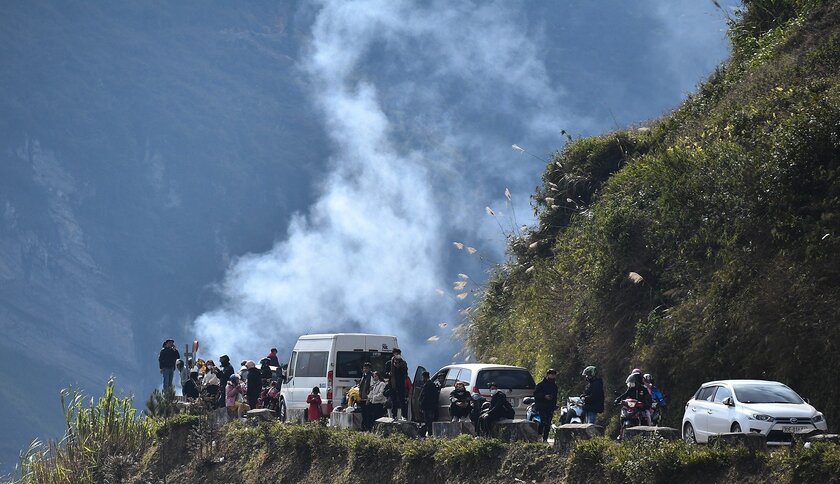
The amount of carbon footprint each individual contributes to the environment comes from a variety of everyday activities.
Therefore, minimizing the carbon footprint is of great significance. "First, it is necessary to reduce carbon emissions into the natural environment, then to help individuals and organizations save costs and reduce environmental pollution, and maintain the regeneration of finite natural resources. This ensures ecological balance for both the present and the future," she emphasized.
MACRO-PERSPECTIVE SOLUTIONS
Dr. Phuong Anh noted that, from the perspective of state management at all levels, from central to local, policies and management mechanisms are needed that closely adhere to sustainable development goals, taking sustainable development principles, including environmental protection and carbon footprint reduction, as pillars. Tourism does not exist in isolation but is part of a supply chain and creates an overall value chain. Sustainable tourism requires vision and placement within the overall development picture, and this requires the participation of all relevant ministries and agencies.
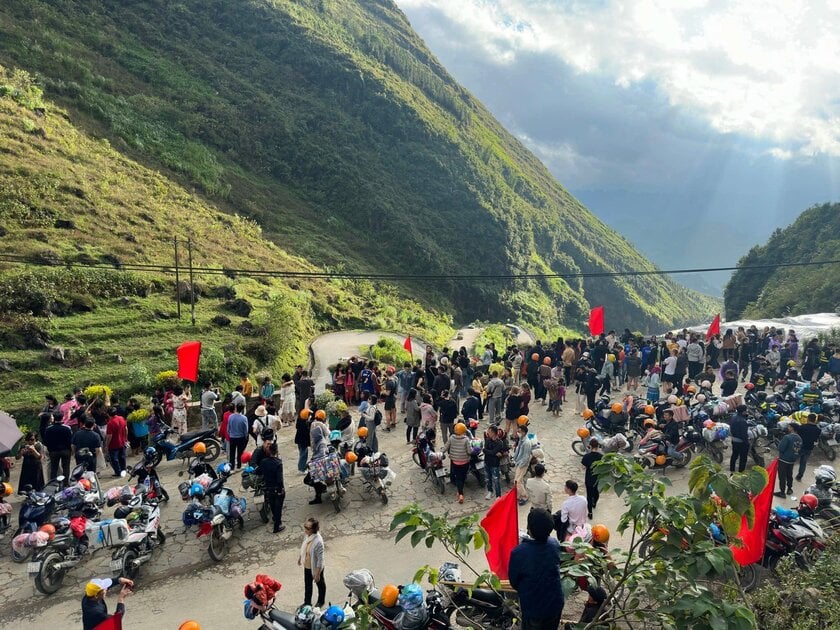
The principles of sustainable development, including environmental protection and carbon footprint reduction, should be the cornerstone of development.
"Specifically regarding state management in the tourism sector, our observations show that many localities still report annual tourism development achievements through figures showing increases in visitor numbers and revenue, without paying attention to parameters such as the increase in the carbon footprint from tourism. And of course, there are many other social and environmental impacts that tourism causes. Changes in management mechanisms, stemming from changes in awareness and approach of state management officials, are extremely necessary to move towards sustainable development at destinations," she shared.

Furthermore, from a destination management perspective, a comprehensive master plan adhering to sustainable development principles is necessary. "Each destination has its own unique geographical features, habitats, and socio-cultural context, so it also needs a set of principles for environmental and social behavior specific to each destination. Destination management mechanisms also require regular monitoring and evaluation so that phrases like 'sustainable development,' 'responsible tourism,' and 'minimizing carbon footprint' are not just slogans, trends, or fads for a short period," she stated.
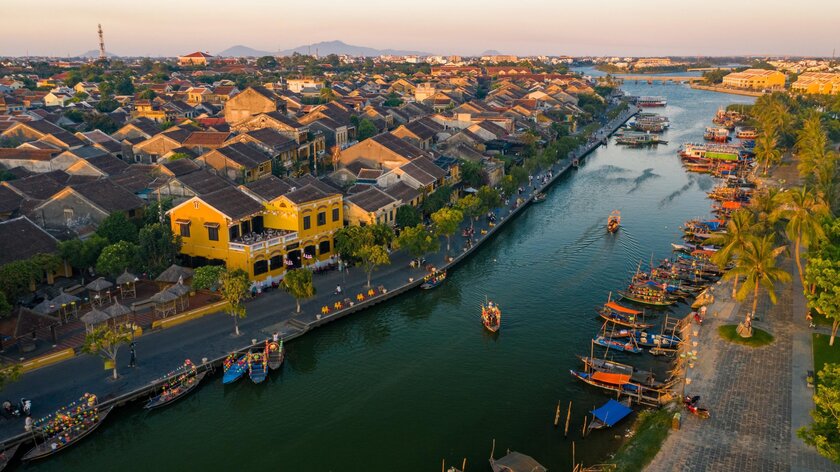
From a destination management perspective, a master plan that adheres to the principles of sustainable development is necessary.
Dr. Phuong Anh added: "To develop sustainable tourism in general and minimize the carbon footprint in particular, a lot of work needs to be done and many stakeholders need to participate in the current phase. However, I want to emphasize two main factors: 'state management' and 'destination management,' because if these two factors operate in a unified and synchronized manner, then the decision will lead to the active participation of other stakeholders such as tourism businesses, tourists, and local people."
It should be added that any development requires the crucial role of education, training, and science and technology. To enhance the role of state management and destination management as mentioned above, it is essential to have the support of education in increasing understanding and awareness; training in developing skills and behavior; and science and technology in advising on planning and establishing operational systems.
WHAT CAN BE DONE TO MINIMIZE CARBON FOOTPRINT?
From an expert's perspective, Dr. Phuong Anh believes that tourists first need to raise their own awareness of the harmful effects of carbon emissions and carbon emission sources. Once they understand these negative impacts, they need to seriously practice lifestyles that help reduce carbon emissions.

Tourists need to understand and seriously take actions that can reduce their carbon footprint.
In terms of transportation, we should choose public transport, simple means of transport such as bicycles, rickshaws, or walking to reduce carbon emissions, and avoid using private vehicles as much as possible.
Regarding accommodation, choose community-based lodging facilities that are close to nature, use minimal artificial materials, and have a management and operation approach that ensures sustainable development. Enhance individual awareness in the use and consumption of resources at the accommodation, always practicing energy conservation and saving energy during your stay…
Regarding diet, choose natural foods according to the principles of: local, seasonal, and plant-based foods rather than animal products. Locally produced foods reduce carbon emissions during transportation, while imported or locally sourced products (vehicles require fuel, a finite resource; operation directly emits carbon through exhaust pipes; carbon emissions from drivers' food and drink on the go...) are less common. Seasonal foods are more abundant and require less chemical fertilizers, reducing the use of off-season plant care technologies (electricity, greenhouses, etc.).
Travel blogger Buu Vi Vu, a former student of the tourism department at the University of Social Sciences and Humanities in Ho Chi Minh City, shared: "At the present time, we have clearly seen the consequences of climate change, so the carbon footprint is no longer vague. This means we are forced to act and change our habits a little, starting with the smallest things."

Travel blogger Buu Vi Vu.
From a traveler's perspective, Buu offers several simple solutions: start using public transportation instead of private vehicles. Under suitable conditions, prioritize walking or cycling to breathe fresh air and reduce emissions. Limit the use of plastic bags, replacing them with tote bags or paper bags. At accommodation, turn off electrical devices when leaving the room, and request room cleaning every two days if not necessary. Furthermore, he prioritizes products and services that use clean energy and prioritize environmental protection.
"Our development and need for convenience are legitimate, however, we can be selective, choose, and make alternatives to ensure sustainable environmental health – and our own health remains good over time," Buu said.






.jpg.jpg)


.jpg.jpg)