VI
VI


If you do some research, you'll find that the southern and western regions of Pakistan, bordering Iran or Afghanistan, are the less safe; while the northern part, along the Karakoram Highway and especially the Hunza Valley, is completely safe. In fact, it's even被称为 a paradise on earth because of its natural beauty and its hospitable, friendly, and enthusiastic people.
Land of paradise
"Paradise lies in the north of Pakistan," is a phrase often used by travelers to describe the Hunza Valley. This region, part of Gilgit-Baltistan under Pakistani government control, is home to three world-renowned mountain ranges: the Karakolam, Hindu Kush, and Himalayas. The Hunza Valley is a fertile land enriched by the alluvial deposits of the Hunza River and is divided into three parts: Lower Hunza, Central Hunza, and Upper Hunza. The town of Karimabad (formerly Baltit) is the capital and most popular tourist destination in Hunza, known for its beauty, and its people are renowned for their friendliness and hospitality.
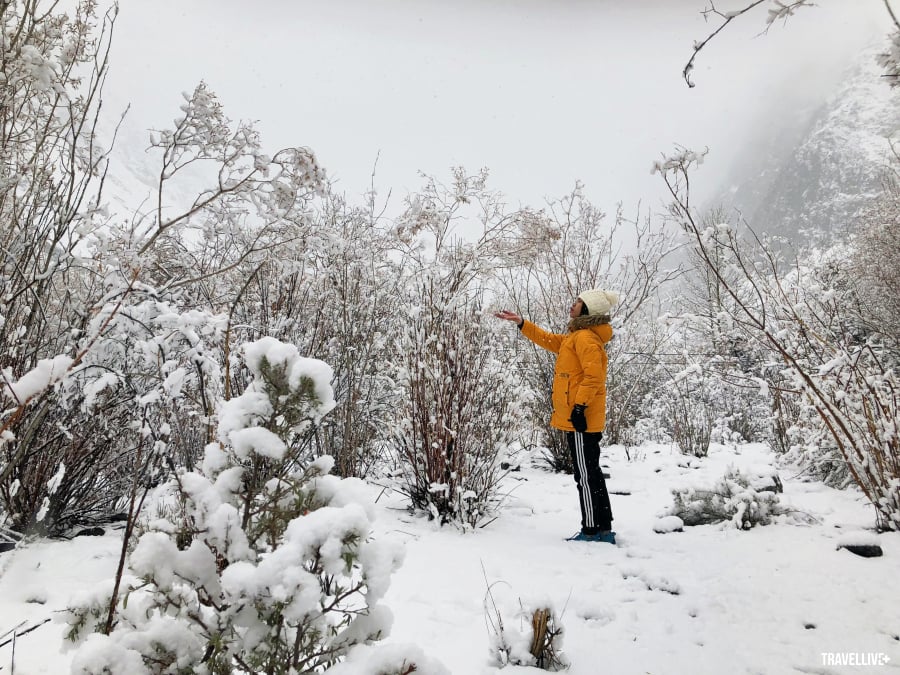
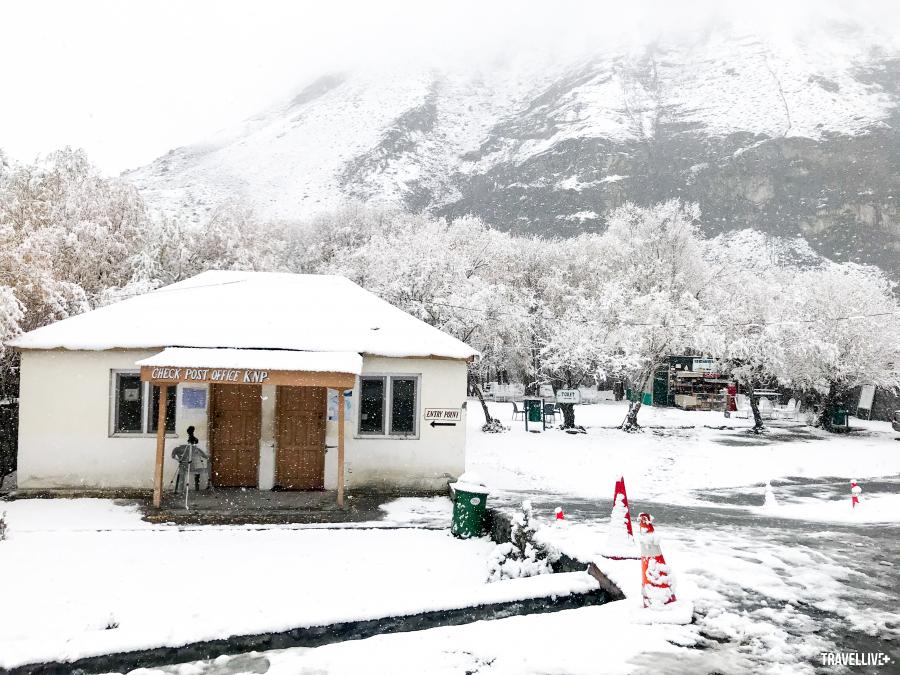
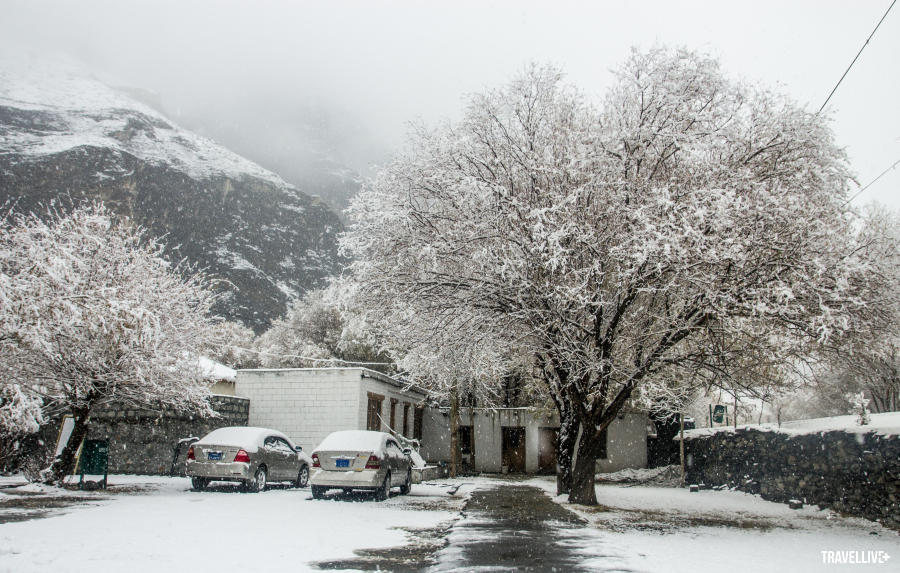
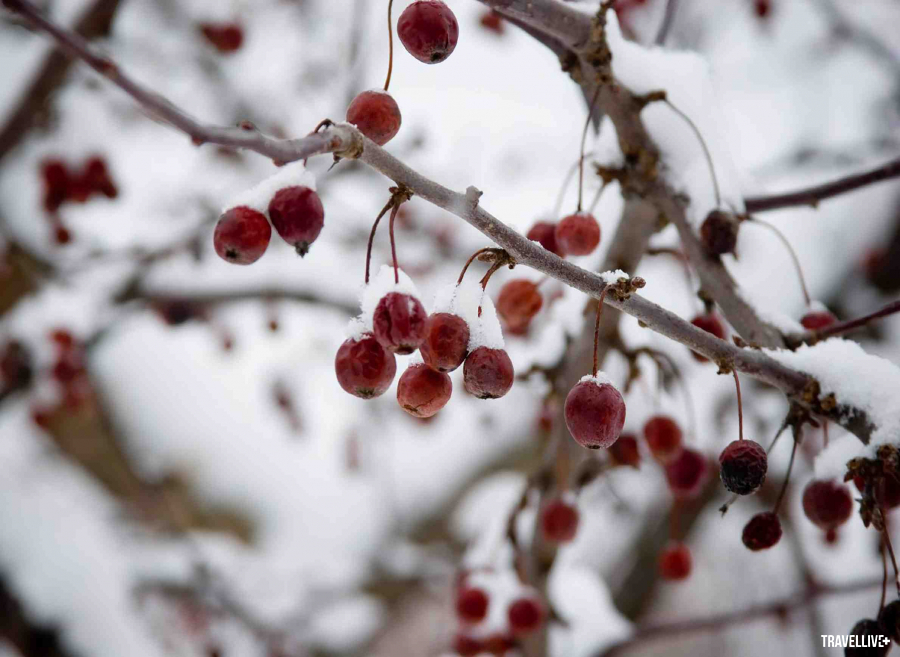
I arrived in Hunza on a late autumn, early winter day when the polar trees were ablaze with golden sunlight. But the next morning, upon waking and looking out the window, I found the courtyard covered in snow, the snowflakes clinging to the branches, crisp and fluffy. The entire scene transformed from yellow and red into a beautiful picture dominated by pure white and black. Dressed in warm clothes, hats, and gloves, we rushed outside to play in the snow, build snowmen, laugh and chatter, and shake the snowdrift vigorously to make the snowflakes fall. We fully enjoyed this unexpected, fairytale-like scene. I felt like I was celebrating Christmas early in this South Asian country.
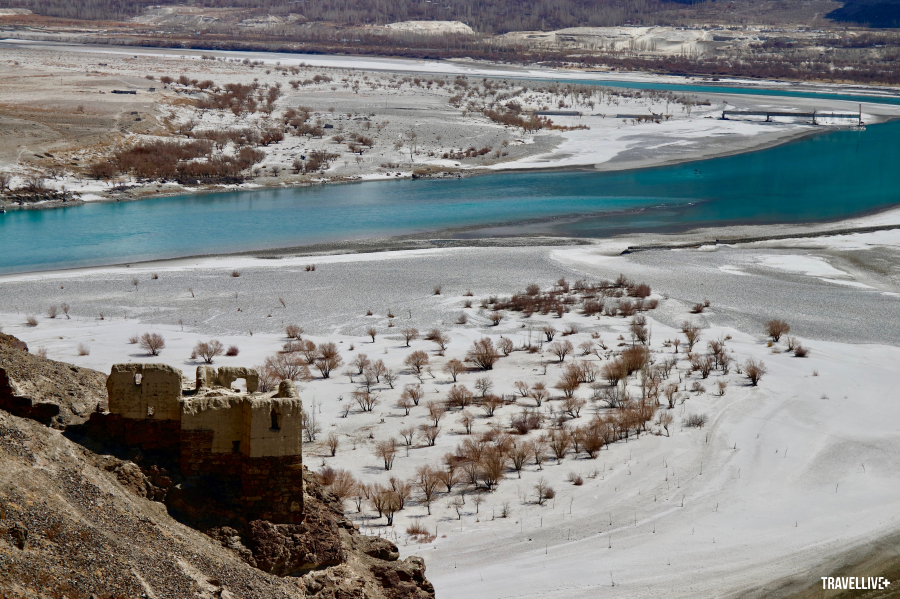
From Karimabad, I traveled over 100 km further along the Karakoram Highway, passing Lake Attabad, the Passu mountain range, and many villages of Sost and Khyber, heading up towards the Khunjerab Pass bordering China.


Lake Attabad only formed in 2010 after a devastating landslide occurred in the village of Attabad. The landslide killed 20 people and blocked the flow of the Hunza River for five months. More than 19 km of the Karakoram Highway was submerged, creating Lake Attabad, which is 21 km long and over 100 m deep. Even now, the poplar trees of Attabad village can still be seen faintly on the surface of the lake. The water of Lake Attabad has a magical turquoise color; I've never seen water this blue anywhere else. Because it's only the beginning of winter, the lake hasn't frozen yet. Around December or January, when winter truly arrives, Lake Attabad will freeze completely, and you can ski and ride a motorcycle right on the lake's surface.
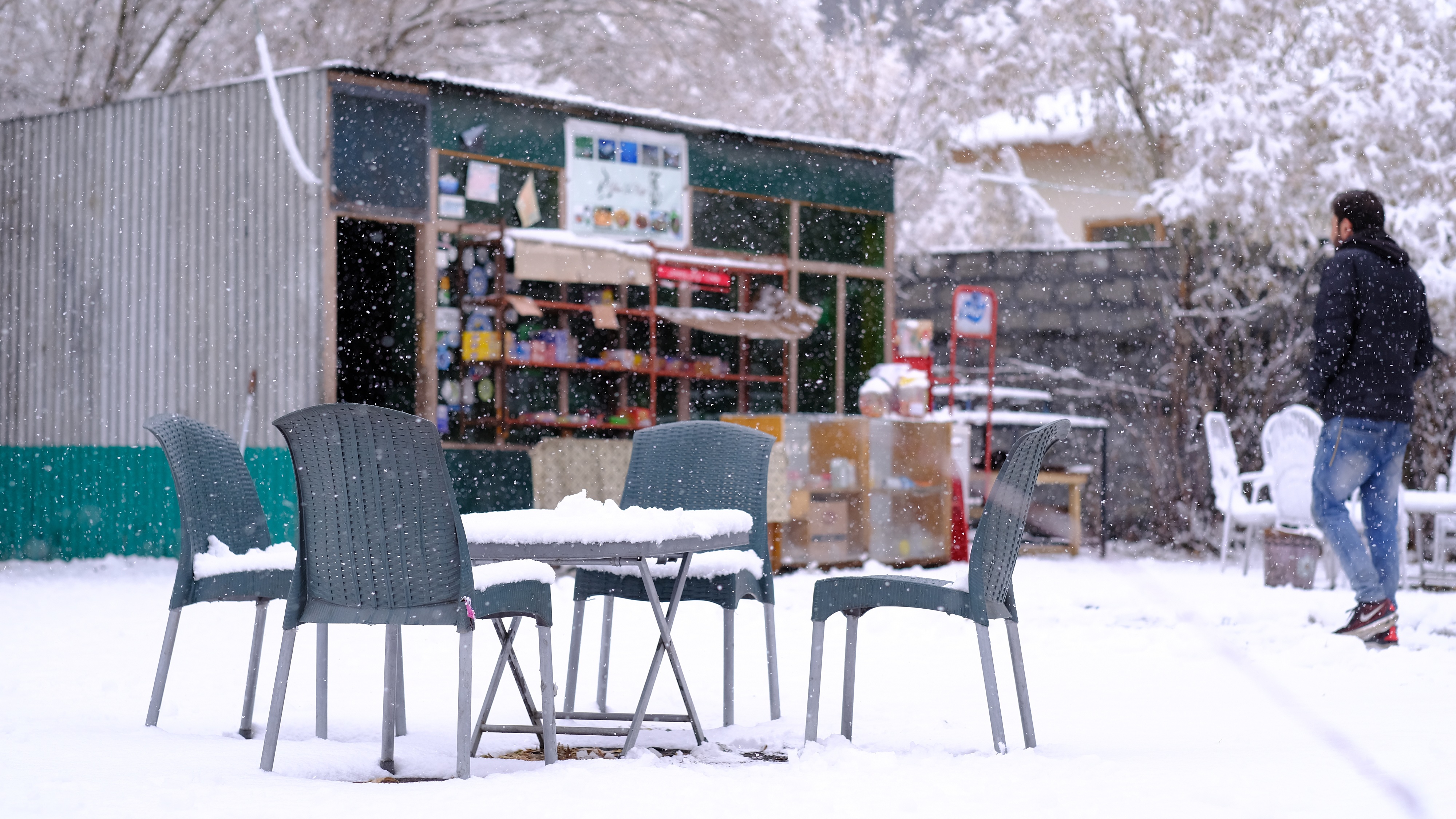
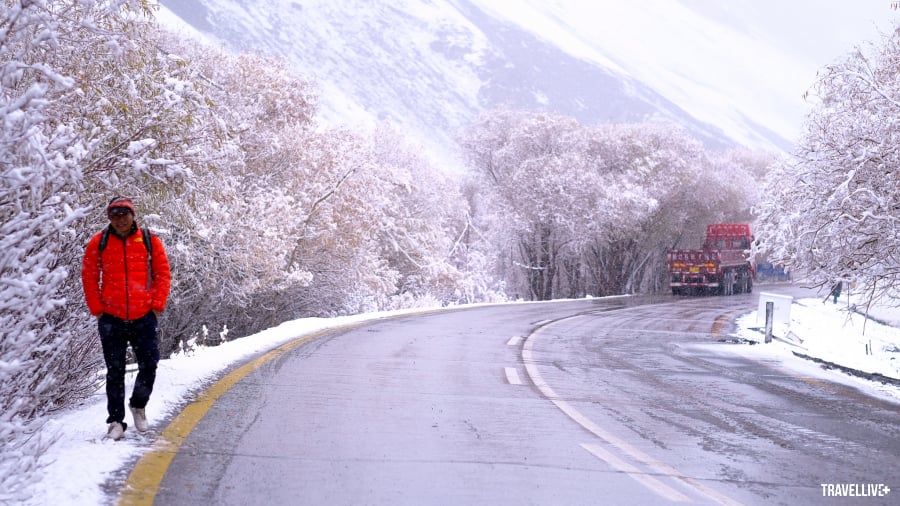
The next stop on our early Christmas journey in Pakistan was Khunjerab Pass. At approximately 4700 meters, Khunjerab Pass is the highest national border crossing with a road. The road up the pass was a pristine white, a vast expanse of snow, and temperatures around -15 degrees Celsius. The majestic snow-capped mountains, the expansive white landscape, and the clear blue sky created a breathtaking and unforgettable scene. The scenery was so beautiful that even a roadside grocery store or an ordinary table used for coffee or tea became poetic and soulful when the snow fell.
And hospitable people
Hunza is beautiful! Hunza is majestic! But for me, the best thing here is meeting the incredibly hospitable people. The people of Hunza are extraordinarily beautiful, with deep brown eyes, healthy skin, and charming smiles. The children are like angels, with rosy cheeks and charming smiles.
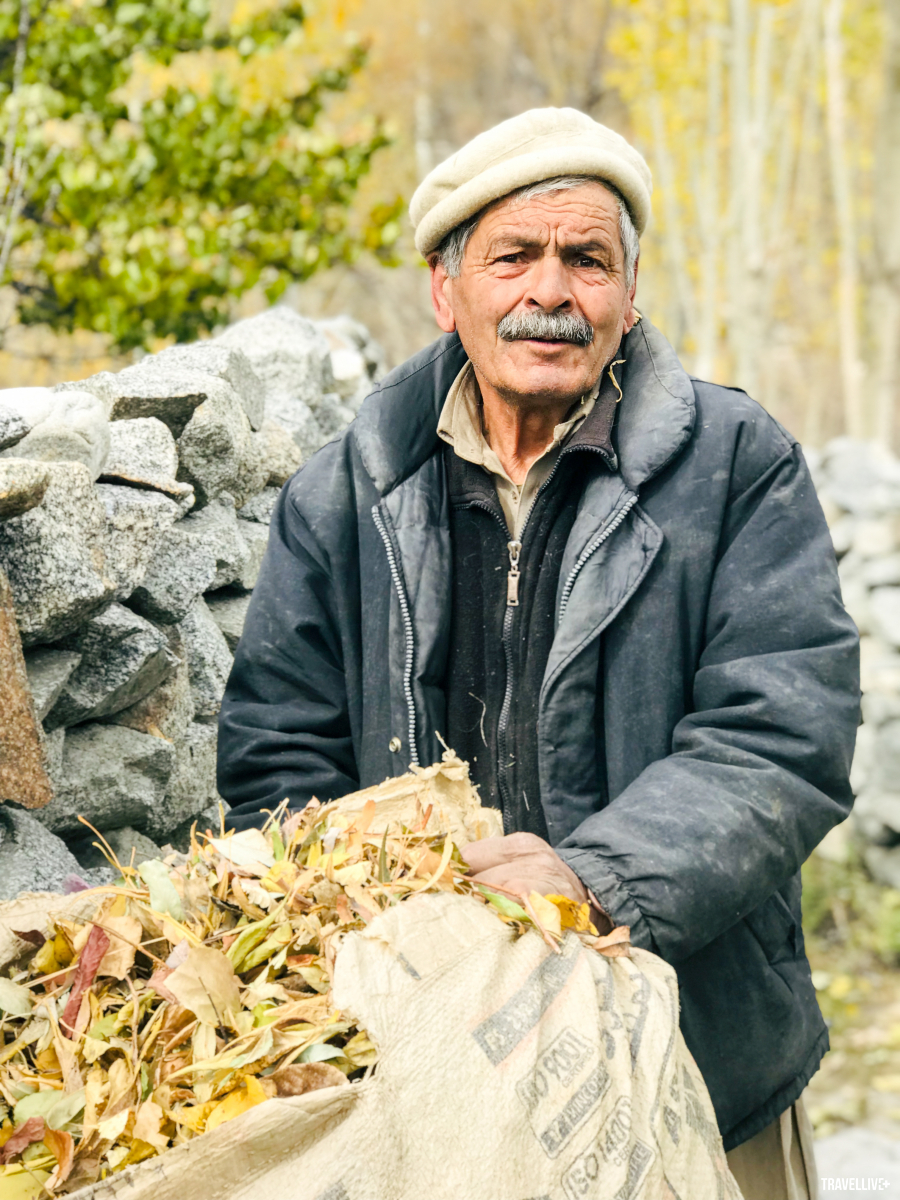
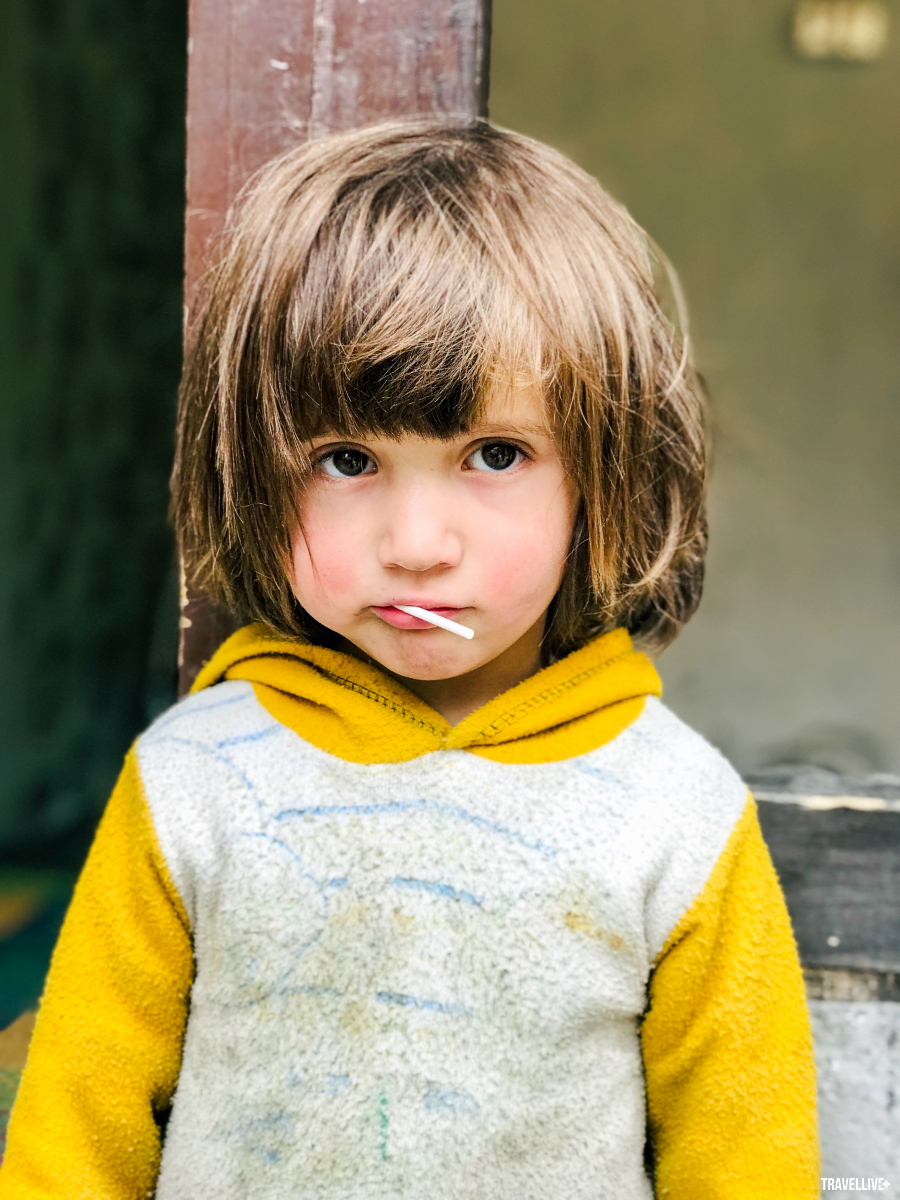
They readily invited me into their homes, brewed me hot cups of tea, and let me pick ripe red apples in their gardens. When I left, they even gave me a large bag full of them. Everyone I met along the way greeted me with a friendly and radiant smile, readily engaging in conversation or offering guidance on any questions I might have. My hotel owner always inquired about my day, whether the food suited my taste, and thoughtfully shared local customs and traditions. My guide during my stay in Hunza was constantly concerned about my eating and sleeping habits. Even on the day of departure, he kept reminding me to update him on my progress. This warmth and kindness made my trip far more meaningful and memorable than any other.
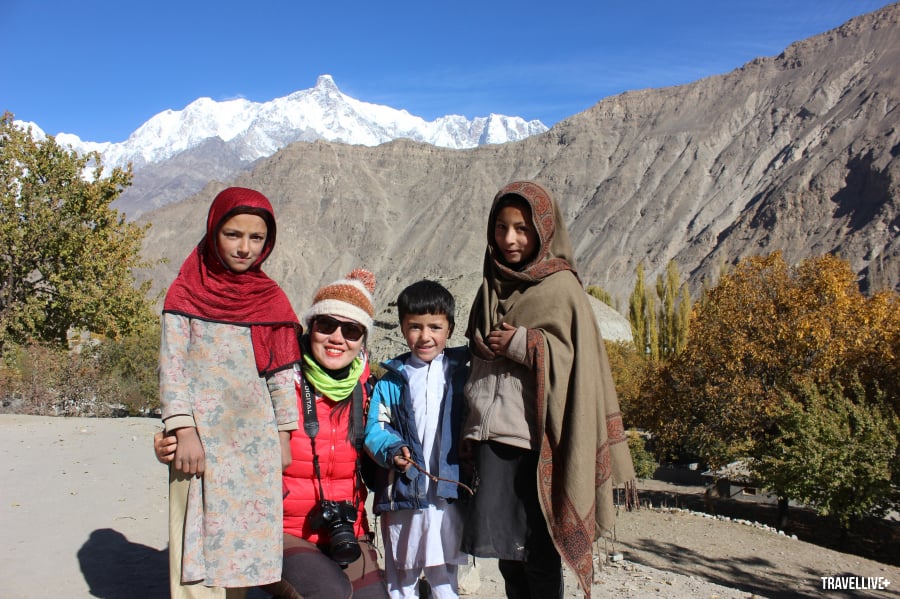
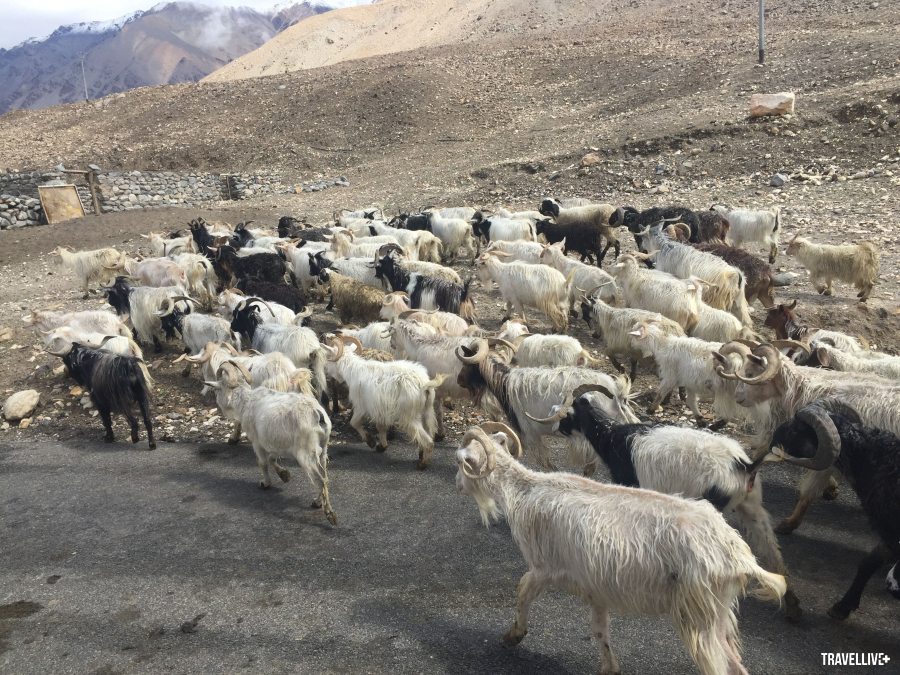
On my last day in the village of Hussaini, gazing at the majestic snow-capped mountains and the gently falling snowflakes, I stood silently, watching the villagers herd their sheep into their pens, the rows of clothes drying among the vibrant yellow trees, and the small, charming houses nestled quietly beside ancient apricot trees silently nestled in the snow. Looking at the Passu Cones mountain range still standing proudly, the silence was broken only by the occasional calls from people in the village. I think this land will haunt me for a long time to come.
ADDITIONAL INFORMATION
Visa:A tourist visa issued by the Pakistani Embassy in Hanoi is valid for 30 days and costs 30 USD. You can also apply for a multiple-entry tourist visa.
Trip:There are no direct flights from Vietnam to Pakistan; you will have to transit through a third country such as Malaysia, Thailand, or China. The shortest and most convenient route is from Hanoi or Saigon, flying with Thai Airways to Islamabad, the capital of Pakistan, with a 6-hour layover in Bangkok. Round-trip tickets cost approximately 500-800 USD, depending on the time of year.
Means of transportation:Public buses, taxis, and rickshaws are quite common in large cities like Islamabad, Karachi, and Lahore. However, most do not have meters, so you will have to negotiate the fare with the driver depending on the distance. For inter-provincial travel, there are long-distance buses and airplanes. If you are traveling in a group, the best option is to rent a 12-24 seater vehicle with a private guide to ensure your health and safety.
Currency and prices:
- The currency in Pakistan is the Pakistani Rupee (PKR), with an exchange rate of approximately 1 USD = 100 KR, making it quite easy to remember. For convenience, you should bring USD and exchange it in Pakistan.
- You can easily travel in Pakistan for under $20 a day, sleeping in a private room and eating three meals out. However, there aren't many places in Pakistan where you can withdraw cash from your credit card, so the best option is to carry cash.
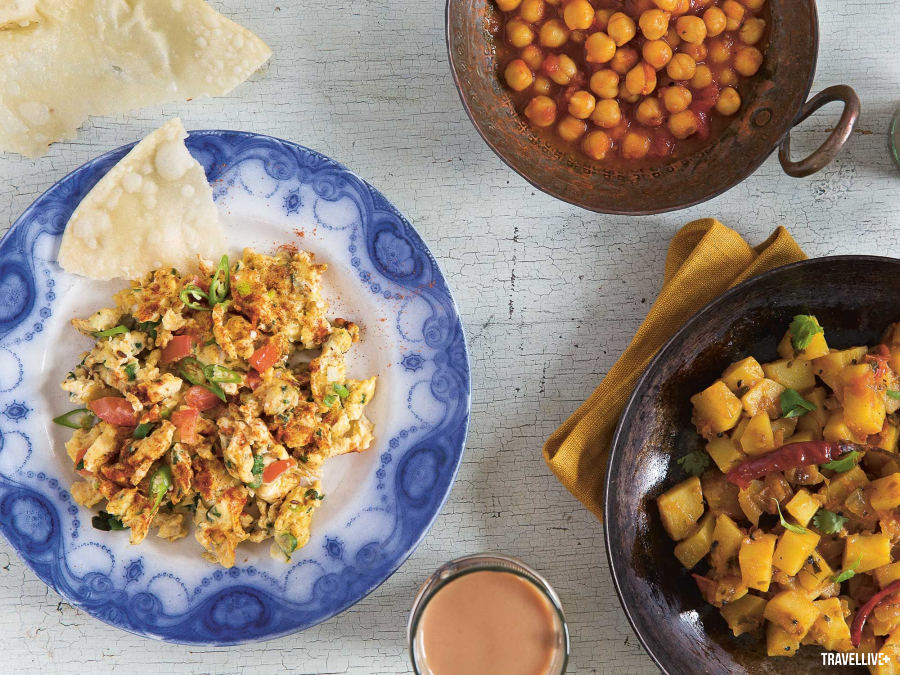
Cuisine:Pakistani cuisine shares many similarities with Indian and other South Asian cuisines, using a lot of spices, curry, and oil. Most dishes are made with lamb, beef, and chicken. You'll find many places selling Chai – a familiar milk tea similar to Vietnamese iced or hot tea. In particular, Pakistan is a paradise for delicious fruits like apricots, apples, persimmons, and pomegranates, all at very affordable prices.
Some other notes:
- There will be many checkpoints along the way, and you will have to stop to register, so when traveling to Pakistan, always carry your passport, several copies of your passport, and visa with you.
Pakistani people are very hospitable and friendly; however, in some areas, women and children do not want to be photographed. Therefore, before taking a picture, please ask the person you intend to photograph first.





.jpg.jpg)