VI
VI


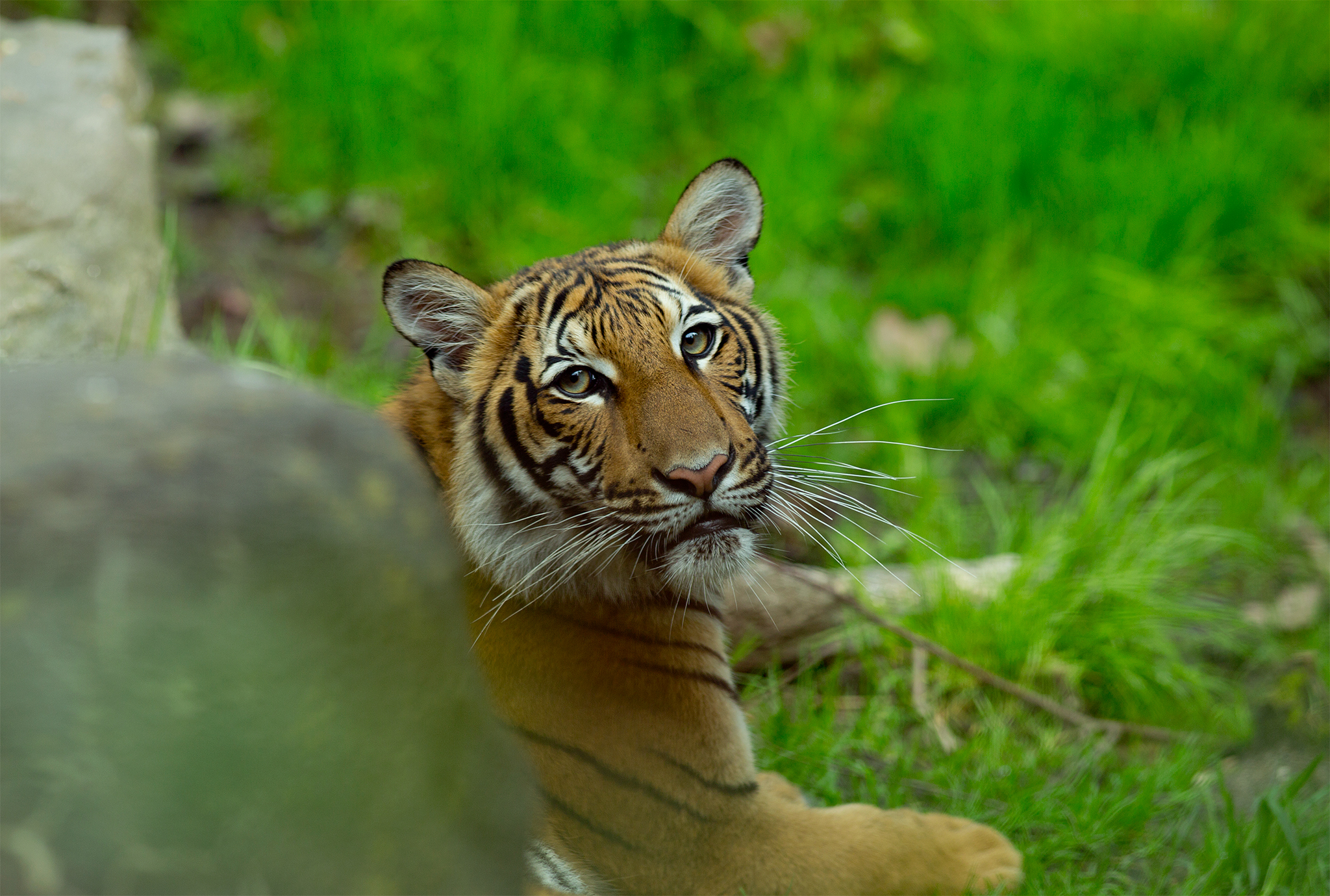
A four-year-old Malayan female tiger named Nadia may have contracted Covid-19 from a zoo employee who was "asymptomatically infected." After experiencing a dry cough in late March, Nadia was tested for the virus on April 2nd. Following testing, the USDA National Veterinary Services Laboratory (Ames, Iowa) confirmed that the female tiger had Covid-19. Nadia is currently eating poorly but is otherwise healthy. Nadia's sister, Azul, two Siberian tigers, and three African lions are also experiencing persistent dry coughs and poor appetite, although they have not yet been tested.
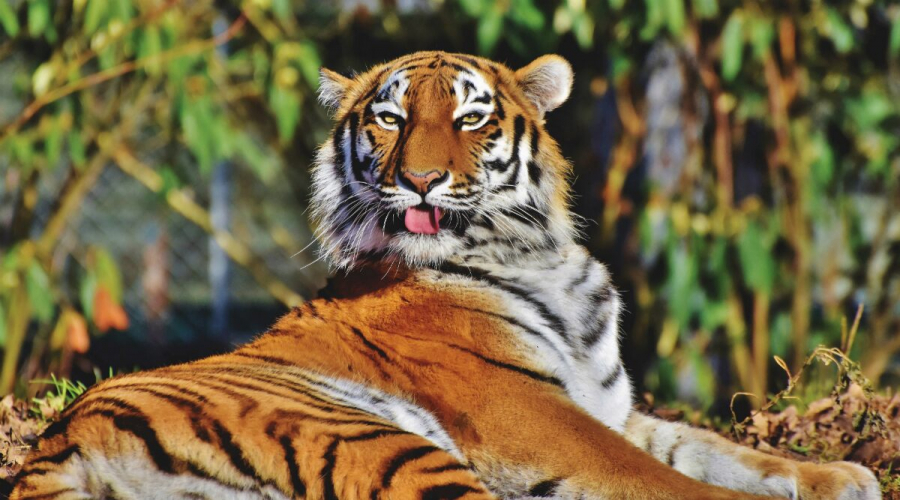
According to the Wildlife Conservation Society (WCS) – the agency that manages zoos – Nadia the tiger is expected to recover after contracting Covid-19.
Previously, scientists had discovered that both wild and domestic cats are susceptible to Covid-19. Furthermore, according to the latest research, cats can infect each other. However, Paul Calle, chief veterinarian at the Bronx Zoo, stated that this is the first time wild animals have been infected with Covid-19 from humans. The current concern is that no one knows how the disease will develop and cause complications in tigers, as different species may react differently to new infections. John Goodrich, Chief Scientist and Tiger Program Director at Panthera, a global tiger conservation organization, expressed his concern: “If Covid-19 spreads to wild tiger populations and becomes a significant cause of death, the virus could develop into a very serious concern for the future of these animals.”

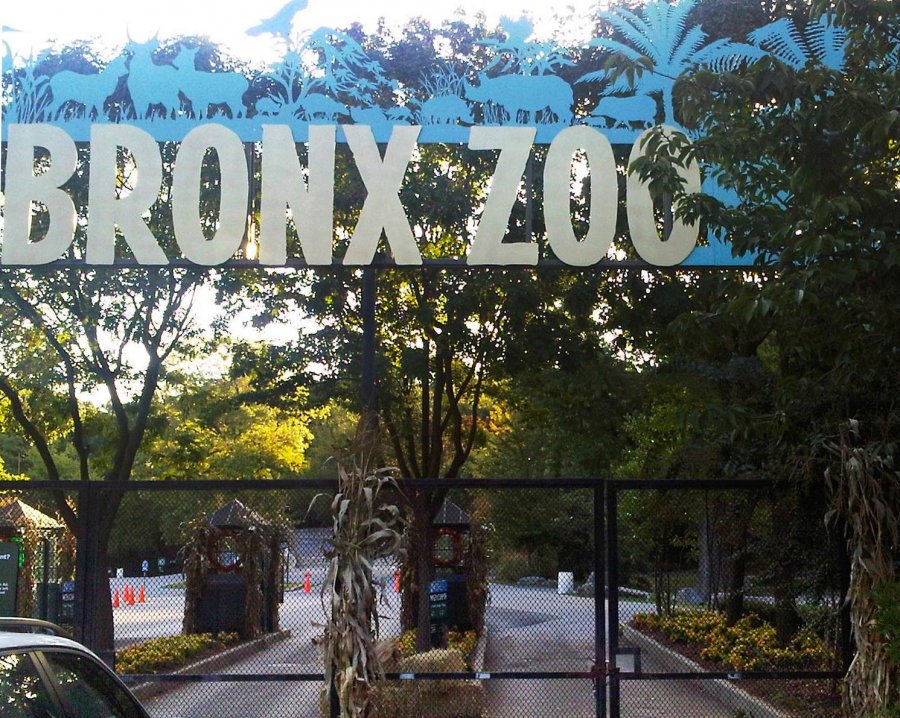
Currently, the Bronx Zoo, as well as all four zoos and one aquarium in New York, have been closed since March 16th due to the worsening pandemic situation in the city.
This also raises new questions about the transmission of the Covid-19 virus in animals. The U.S. Department of Agriculture says there have been no known cases of infection in pets or livestock in the United States.
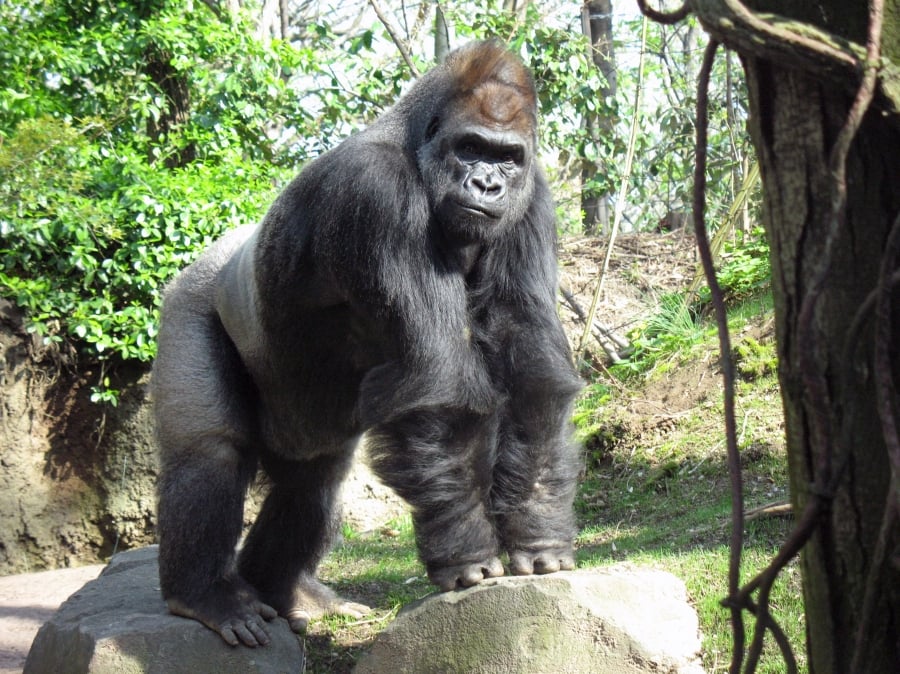
Besides tigers, zoos are making efforts to protect gibbons because these animals can easily contract respiratory illnesses from humans, especially the coronavirus.
Previously, Chinese disease control officials identified wild animals sold at a seafood market in Wuhan as the source of the global Covid-19 outbreak. They believed that the virus infecting humans likely evolved from a virus found in bats.
The world has also recorded several cases of animals infected with Covid-19, including two dogs in Hong Kong in late February and a cat in Belgium in late March. These pets were believed to have contracted the disease from their owners. Subsequently, the South China Morning Post quoted the Hong Kong Agriculture Department as urging people not to kill dogs and cats because there was no evidence that the virus could be transmitted from pets to humans, while conversely, they could be infected by their owners. The USDA and the US Centers for Disease Control and Prevention also confirmed that there is currently no evidence that domesticated or captive wild animals can infect humans.