VI
VI


Mountain climbing time
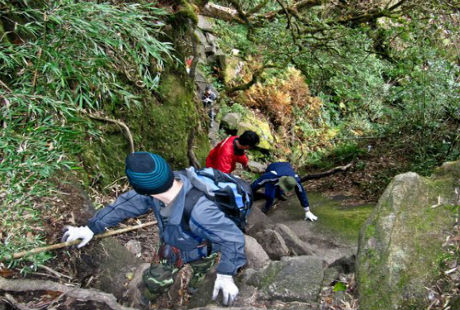
In Vietnam, the dry season, from November to April, is ideal for mountain climbing and trekking. Studying the terrain is crucial to determining the most suitable travel time to achieve the ultimate goal.
You should plan carefully for long and challenging trips. For shorter and simpler trips, you can take them at a more convenient time of year.
Good weather has a significant impact (50-60%) on the enjoyment of the trip, the quality of photos, your health, and the level of danger. You should also research the route, terrain, length, etc., to plan your time accordingly and suit your preferences.
Training before mountain climbing
Doctors have advised that people with cardiovascular disease, high blood pressure, respiratory failure, and pregnant women should not climb mountains. In the days leading up to a climb, it is recommended to eat nutritious food, ensure sufficient vitamin C intake, drink plenty of water, limit alcohol and tobacco, and most importantly, get at least 7 hours of sleep per day.
You can practice walking, jogging, climbing stairs, swimming, holding your breath for 90 seconds, doing 400-1000 squats continuously, practicing balancing on one leg, closing your eyes for 90 seconds… a week to a month before mountain climbing to increase your endurance and flexibility.
Mountain climbing gear
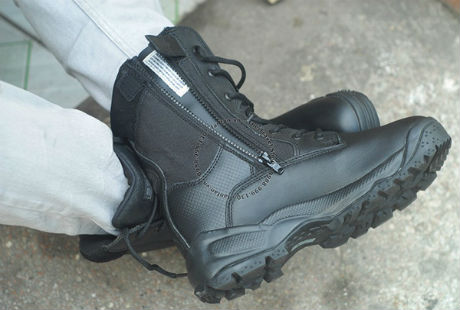
Mountain climbing is a very tiring and strenuous journey, so your luggage should be light and contain only the essentials. Clothing should be loose-fitting, and shoes should be spiked with good traction. You should also use knee and elbow pads and a thick jacket to protect against the cold and prevent injuries during the trip.

In addition, other equipment depends on the planned route: whether there is an existing trail or a path needs to be forged, whether there are porters and guides, and the duration of the trip. A knife and flashlight are also essential items.
Water and food
When you sweat a lot while climbing, you'll need to drink water frequently. You should drink in small sips, letting the water slowly flow down your throat.
To be able to drink continuously while still being able to walk, you should hang your water bottle right in front of your chest. Drinking water properly helps you conserve energy and replenish it at the right time.
In addition to the food needed for the entire journey, it's essential to always carry high-energy snacks (chocolate, chips).
Essential items
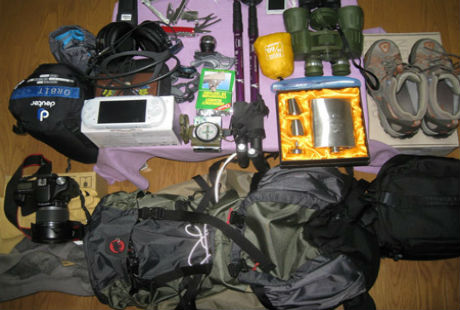
Stick: There is aWhether it's a professional climbing pole or just a sturdy tree branch, a pole will significantly support your body weight, especially when descending.
Lighter: A lighter can help you avoid many risks while mountain climbing, such as cold weather and getting lost.
Smartwatches and phones: These two items are definitely essential. When hiking abroad, you should use roaming for your phone.
Warm, waterproof hats and gloves: There are many high mountain peaks, and when climbing you will face cold, rain, etc., so hats and gloves should be waterproof. Choose a hat that completely covers your nose, mouth, and ears.
A few notes
In mountainous forest areas, mosquitoes, leeches, and snakes are problems you need to be aware of. Before you go, visit a pharmacy and buy some mosquito and leech repellent.
During your trip, you should dress in protective clothing, especially covering your feet, and wear shoes. Choose bright, clean resting places to avoid forest snakes. You should also avoid eating wild fruits or vegetables without knowing their properties, as you might encounter poisonous or dangerous produce.