VI
VI


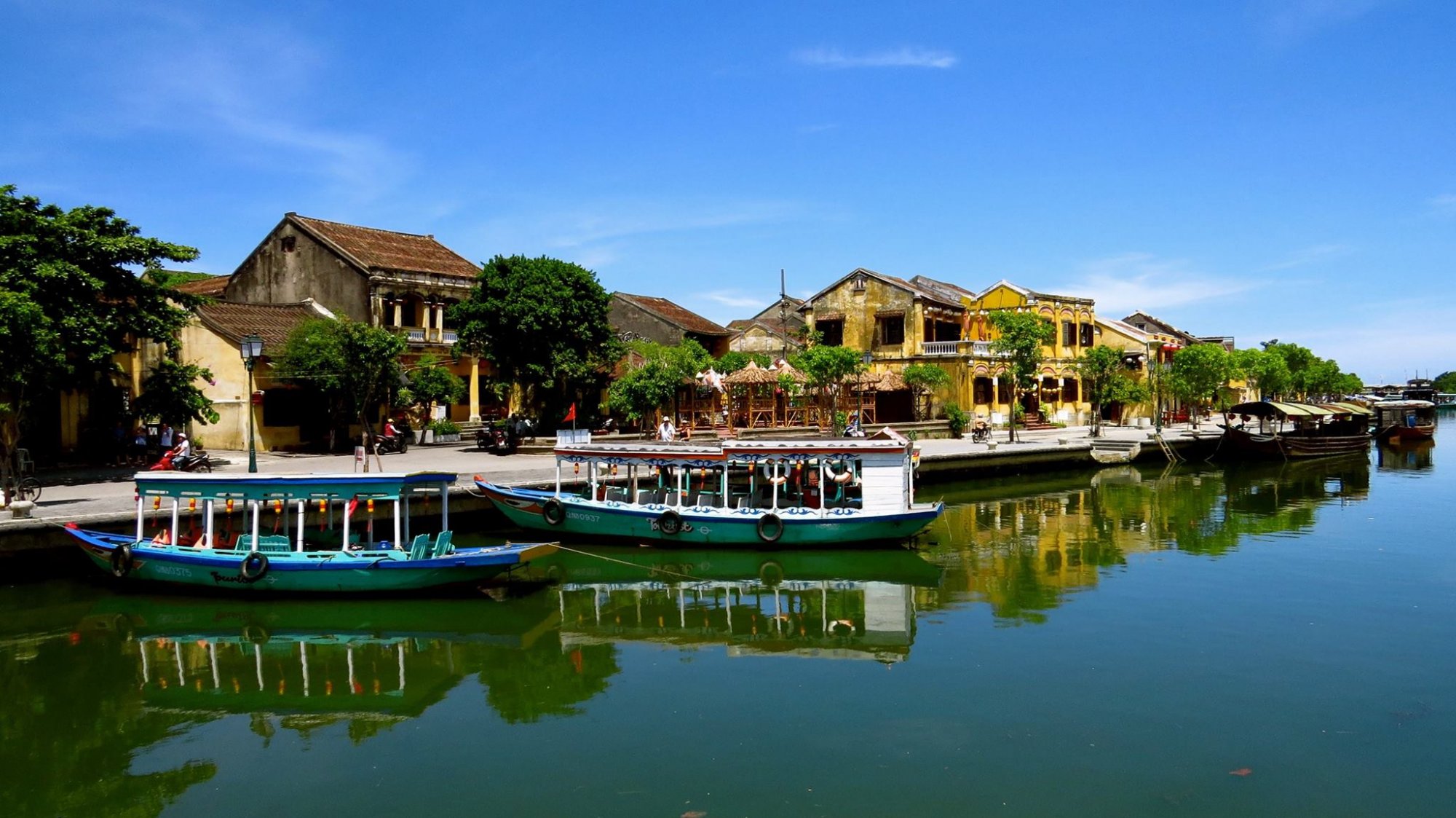
In the heart of the legendary Da River lake
Those who have read "The Ferryman of the Da River" will surely remember the image of the river, both fierce and poetic, as depicted by Nguyen Tuan. Today, the Da River has become a vast lake with three of the country's largest hydroelectric power plants. During the hydroelectric power plant's water storage season, the lake's surface is over 5 km wide in some places, with hundreds of large and small islands hidden beneath the clear water, covered by abundant natural vegetation, creating a lush green landscape year-round, likened to a miniature Ha Long Bay in the mountains of Northwest Vietnam.
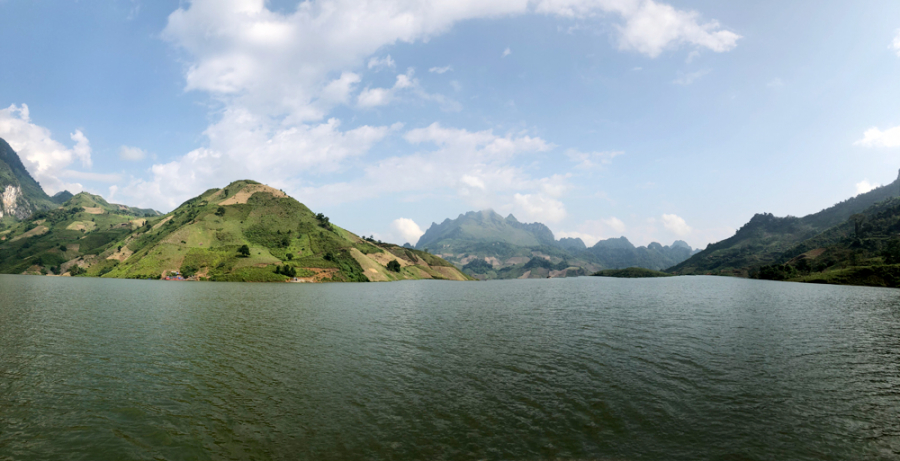
Along the lake, the natural scenery is absolutely breathtaking.
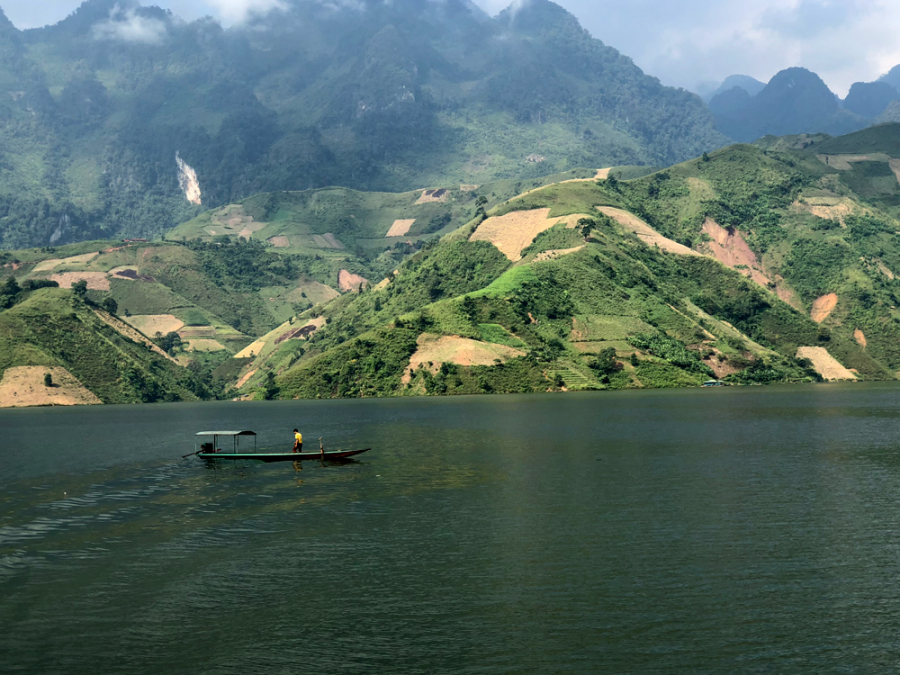
In some areas, people cultivate vegetables and fruit trees, creating swathes of green in various shades.
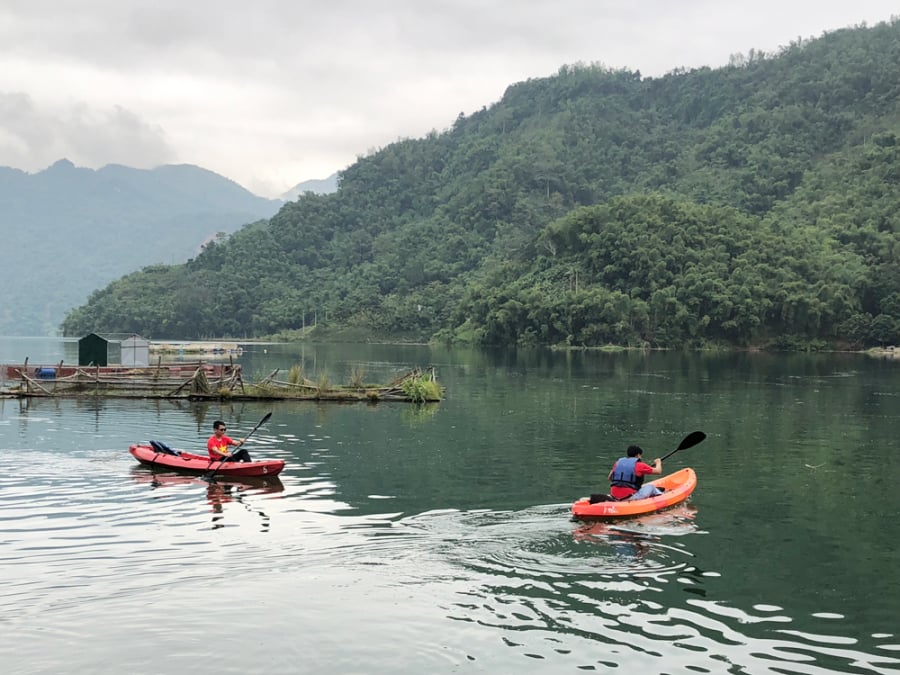
Riverside resorts along the Da River in Son La and Hoa Binh offer a variety of activities such as boat trips, raft rides, kayaking, and trekking.
Many tourists enjoy strolling along the lake in the summer, drawn by the vibrant and refreshing natural scenery and the cool, clean air. However, many also prefer boat trips in the autumn or early winter. The late autumn sun is more golden, the green foliage is more subdued, and the lake's surface is clearer. Amidst the golden sunlight, the green forests, and the prominent limestone islands rising from the lake under a clear, azure sky, the scene is truly breathtaking for anyone who visits.
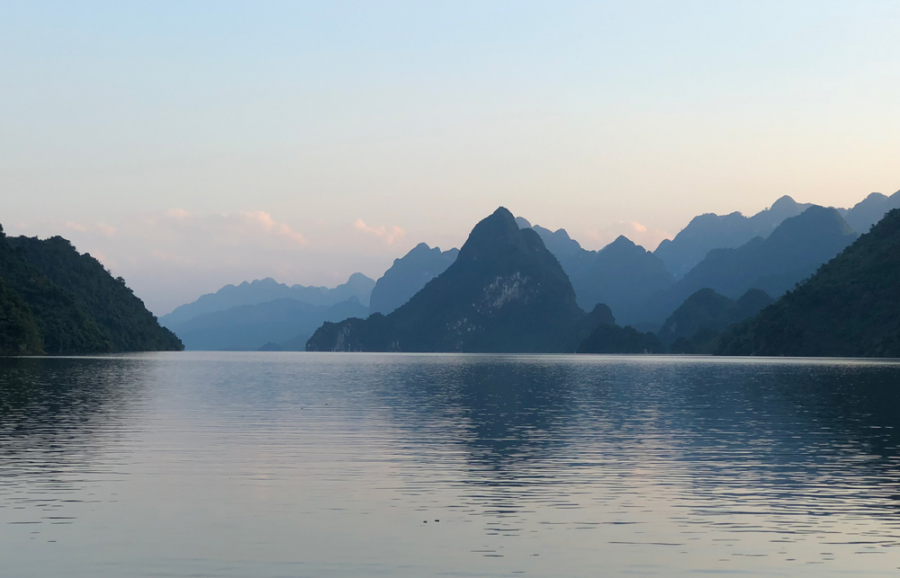
As evening falls on the Da River, it evokes the picturesque scenery of Ha Long Bay.
Sitting on a boat gliding across the clear blue lake, you can let your mind wander as you gaze at the rolling limestone mountains reflected on the tranquil water, like a captivating ink painting. If you wish, you can visit the villages of the Muong or Dao ethnic groups for lunch or a night's rest, watch the sunset gradually descend behind the mountains bordering the lake, and the hazy white mist slowly rising. Enjoy the local specialties and forget all the hustle and bustle of the city behind you.
Drifting on the Nho Que River
The Nho Que River originates in China and flows into Vietnam, passing through the provinces of Ha Giang and Cao Bang. The Nho Que River is beautiful in every section, but its most captivating part is the headwaters, flowing from Seo Lung village in Lung Cu commune through the Tu San gorge, one of the deepest gorges in Southeast Asia with a unique geological structure.
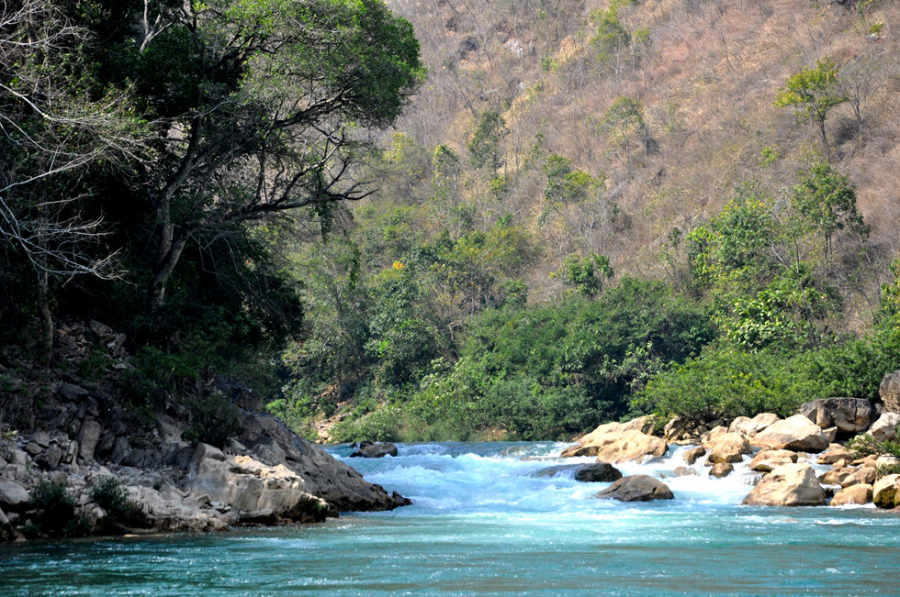
The Nho Que River flows into the area of Seo Lung village (Lung Cu, Dong Van, Ha Giang), near border marker 428.
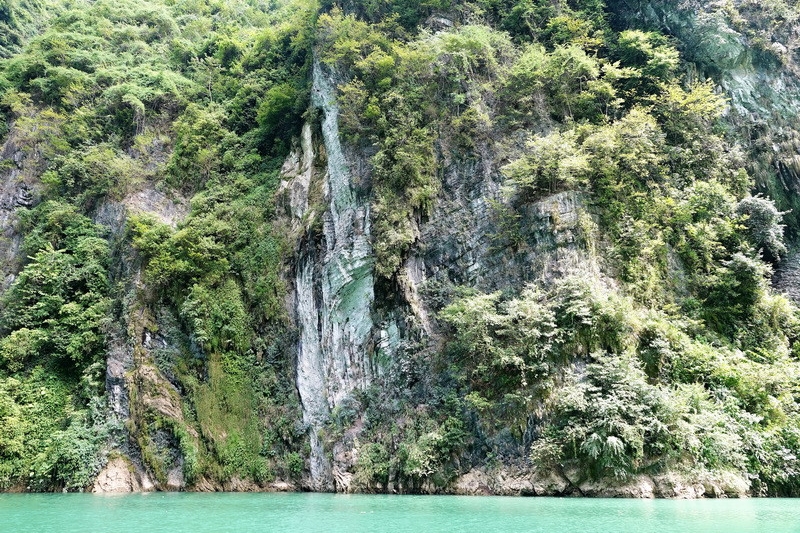
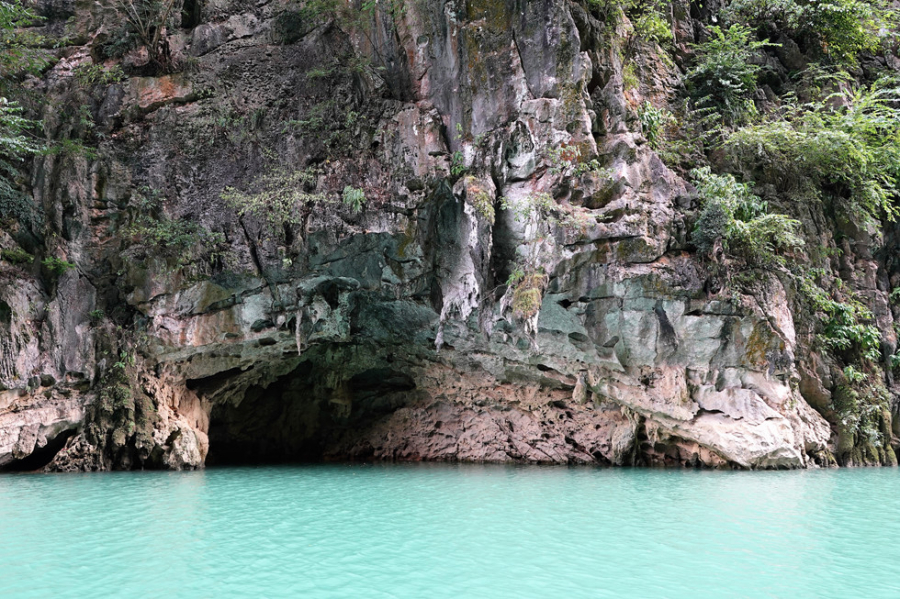
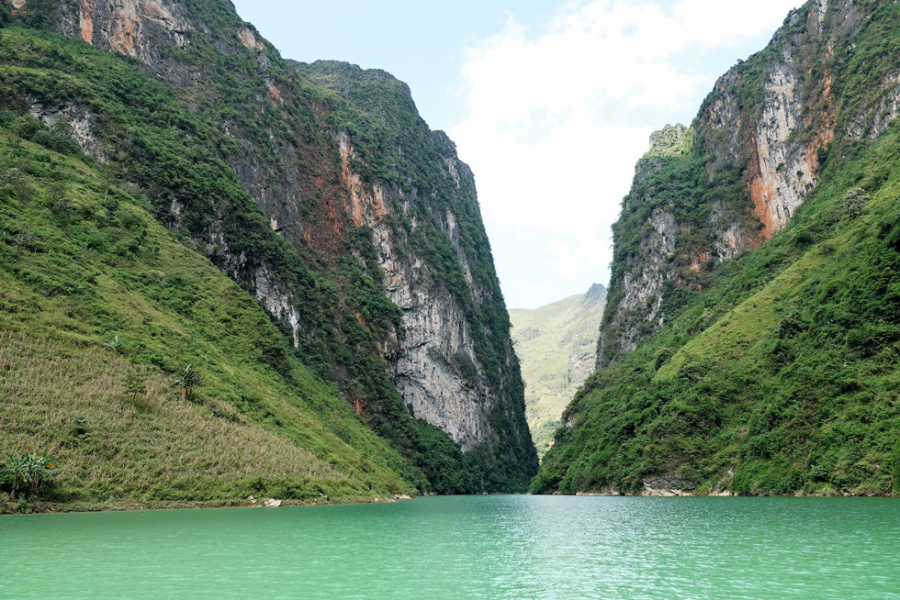
Tu Sản Gorge has steep mountains on both sides of the river.
This makes the Nho Que River one of the most beautiful river cruise destinations in Vietnam. You can choose to go by motorboat or rowboat to admire the breathtaking beauty that nature has bestowed upon this place. The river's water is a clear, emerald green, its surface calm and poetic, and the scenery on both banks features majestic, towering cliffs covered in moss and lichen, creating a serene and tranquil landscape.
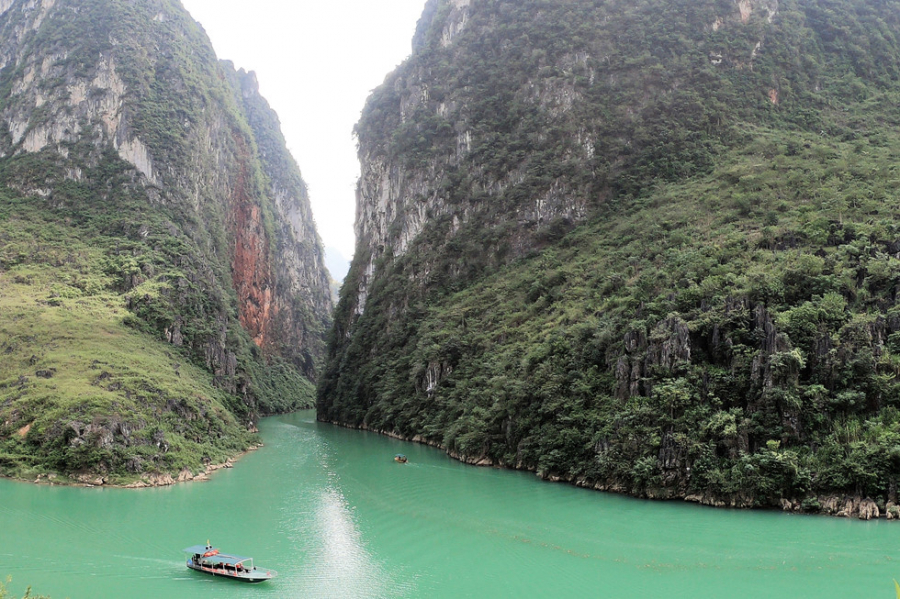
A boat trip is the only way to truly appreciate the beauty of this place.
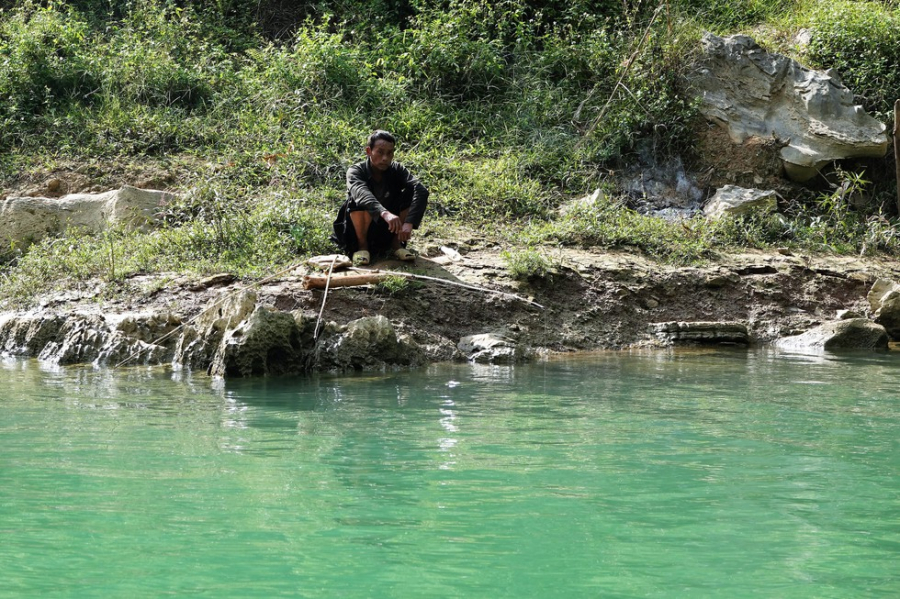
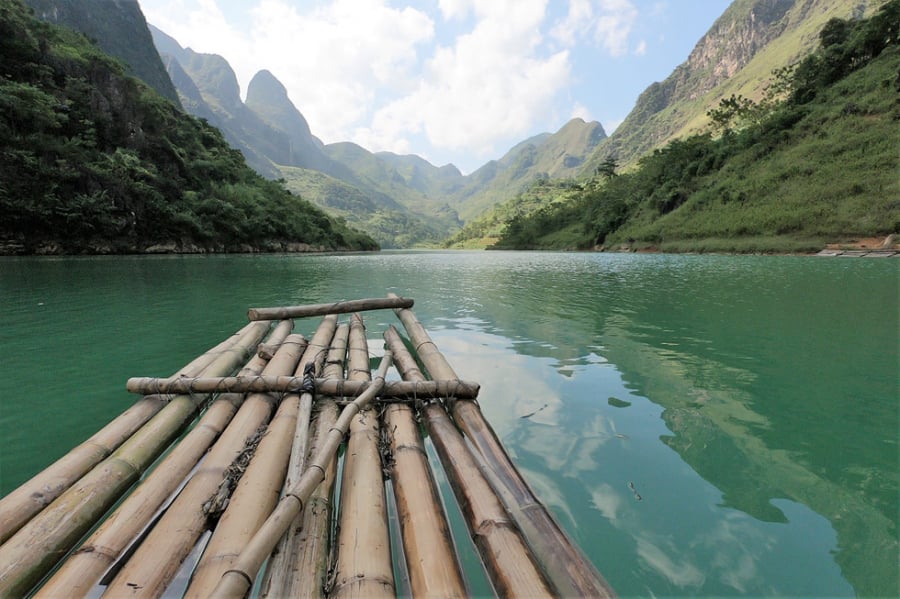
As you travel along the river, you'll occasionally come across images of highland people diligently working in their fields, or simply the moment a fisherman sits leisurely and relaxed while fishing.
The rice harvest season on the Ngo Dong River
The Ngo Dong River flows through Ninh Binh province, winding across a majestic range of lush green limestone mountains. It is also the only waterway that takes tourists to Tam Coc, a region of stunning natural beauty often described as a "Ha Long Bay on land." In late May and early June, many tourists choose Tam Coc - Bich Dong - Ngo Dong as their destination for sightseeing, thanks to its fresh air and beautiful scenery.

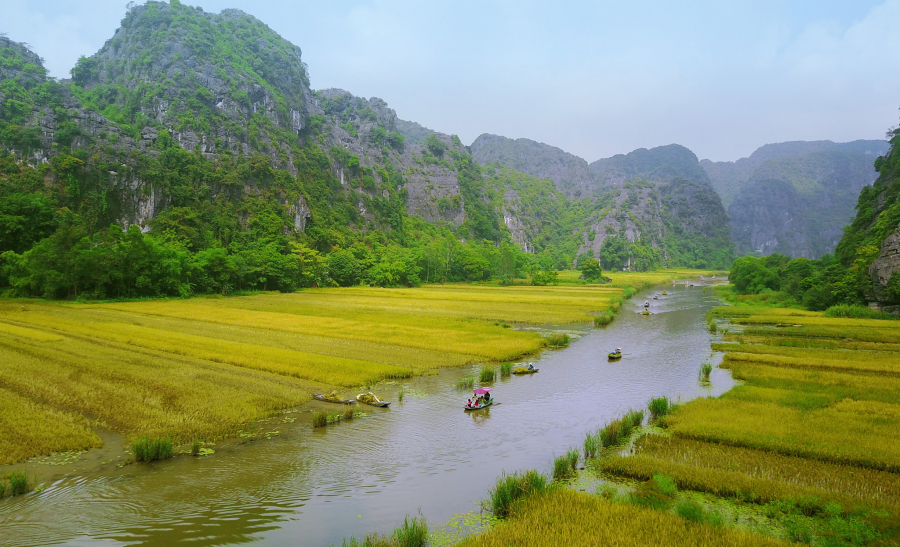
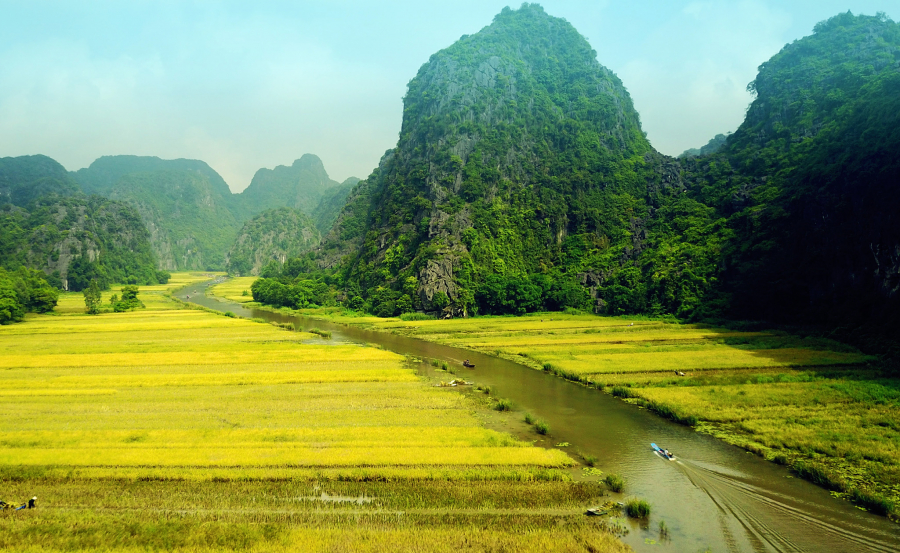
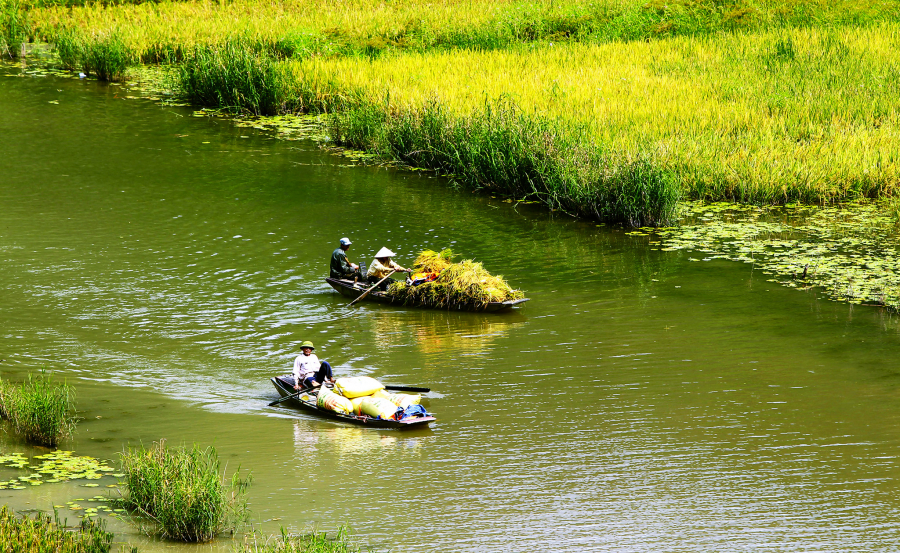
This is also the time when the rice on both banks of the Ngo Dong River begins to ripen to a golden yellow. Among the boats carrying tourists are heavily laden rice boats busily transporting their harvests back home. Where land has risen to form banks, the locals even set up threshing machines, harvesting and threshing the rice, scattering the straw all over the riverbanks. Beneath the clear water, you can clearly see fishing nets nestled among the grass and green algae. The beautiful nature and peaceful life allow visitors to relax, let their minds wander, and dream...
Listening to Hue folk songs on the Perfume River
Anyone who has ever taken a boat trip on the Perfume River will surely find it hard to forget the captivating Hue folk songs. This is a genre of music deeply rooted in the traditions of Hue, encompassing both singing and instrumental music, formed from two traditions: folk and court music. Hue folk songs have an incredibly diverse and rich system of compositions, including about 60 vocal and instrumental works in two major modes: the Northern mode and the Southern mode. The Northern mode features cheerful and dignified melodies, while the Southern mode conveys melancholy, sorrow, and lament.
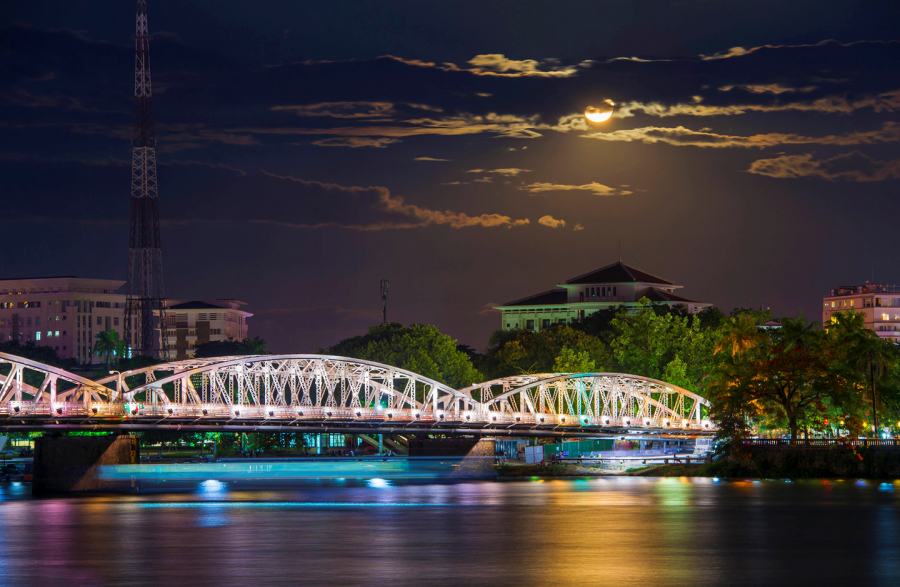
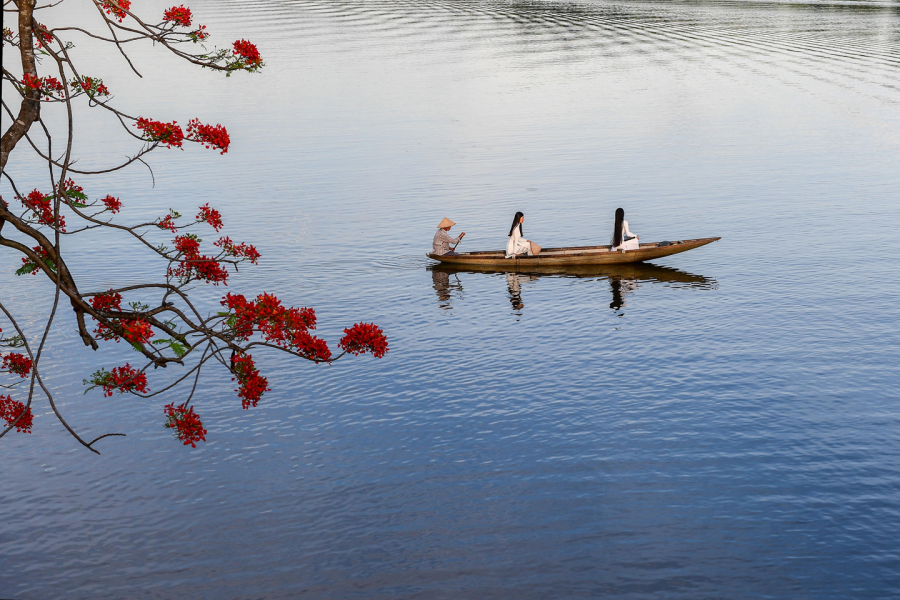
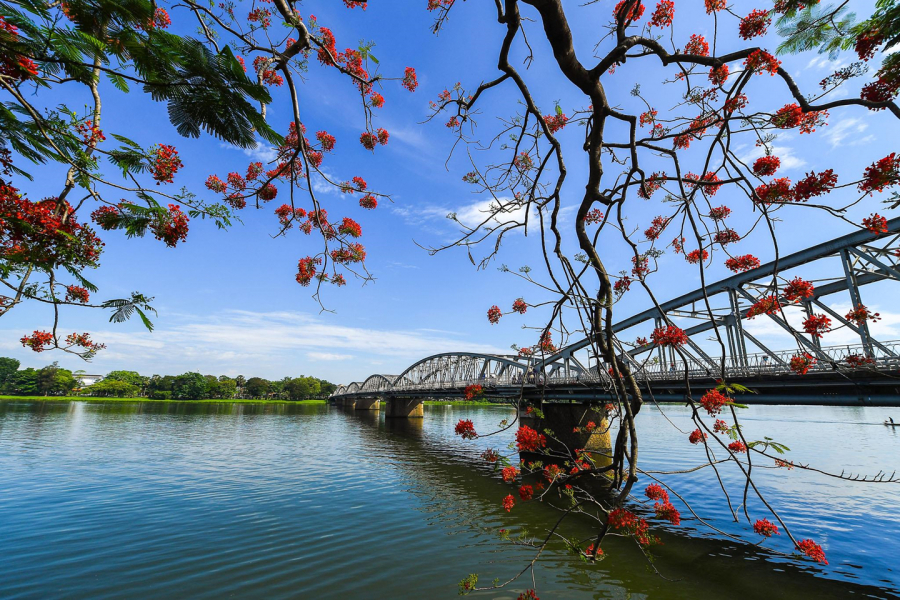
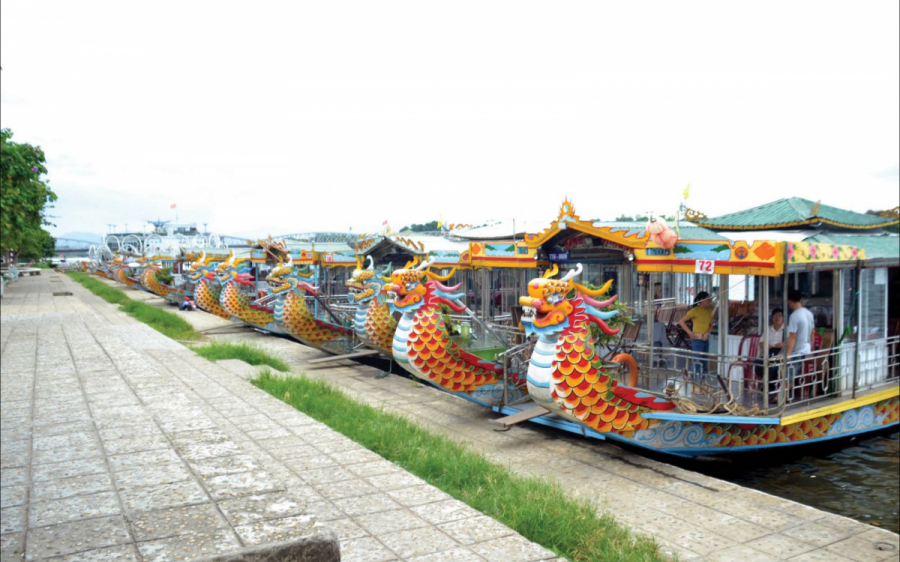
In the past, cruising on a dragon boat along the Perfume River and listening to Hue folk songs was a refined pleasure, usually reserved for royalty. Today, dragon boats have become a unique means of transportation for tourists. During the day, you can take a boat tour to visit famous landmarks in Hue, such as Thien Mu Pagoda, Hon Chen Palace, Khai Dinh Mausoleum, Minh Mang Mausoleum, etc. As the brilliant sunset stretches across the landscape, you will feel a sense of peace as you look down at the gently flowing water. If you take a boat trip in the evening, the image of the city at night, illuminated by thousands of twinkling stars and the shimmering, magical light of Truong Tien Bridge, is enough to captivate your heart.
The colorful streets of Hoi An on the Hoai River
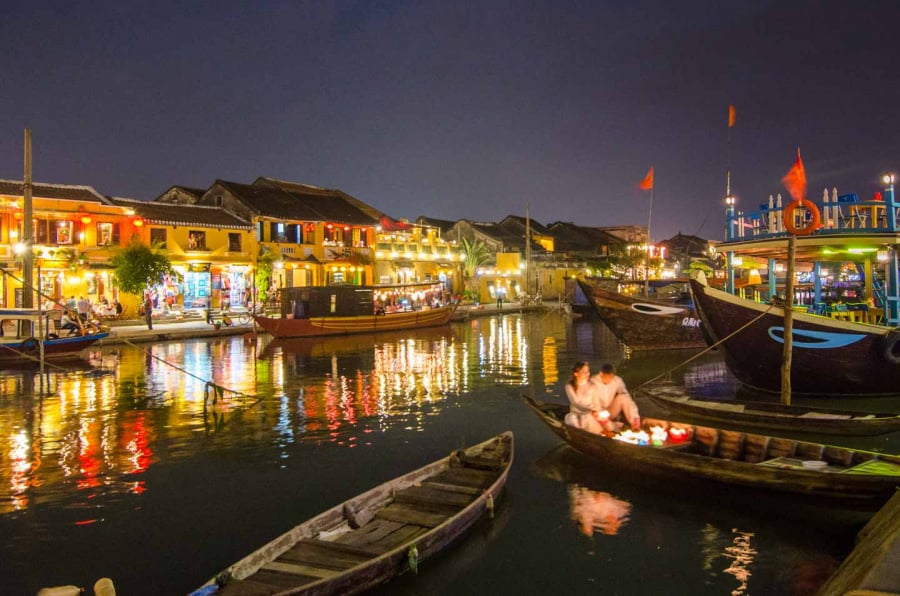
In Hoi An, right in the heart of the ancient town, lies the romantic Hoai River. You'll easily spot boatmen offering boat trips for tourists. No matter when you visit, you can experience this romantic service. From early morning until late at night, boatmen are always ready to serve tourists who want to admire the sunrise or the beauty of the ancient town illuminated at night.
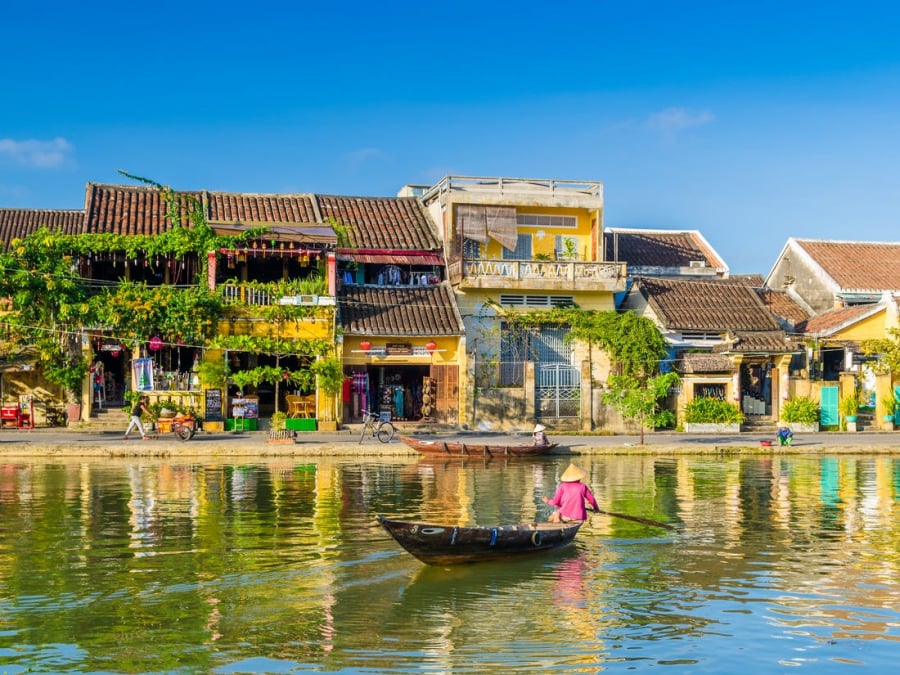
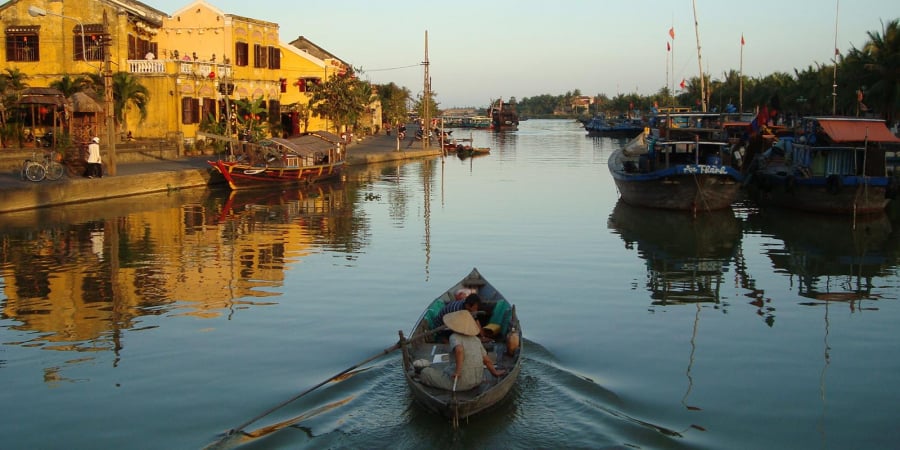
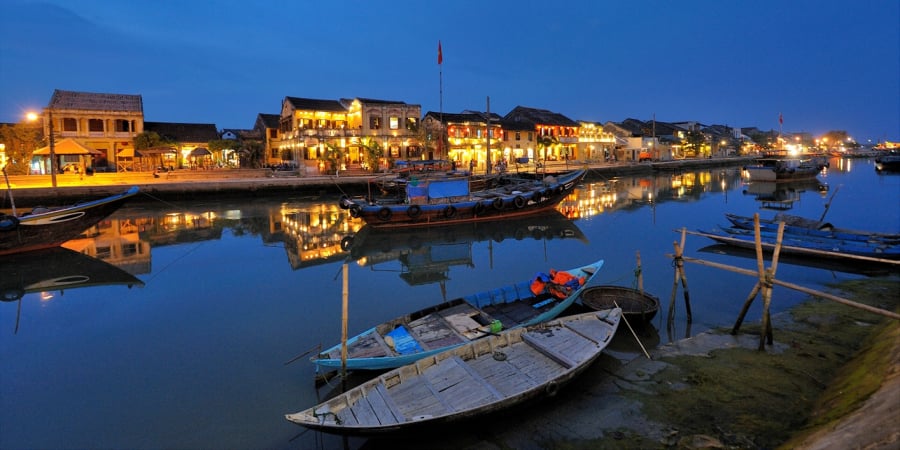
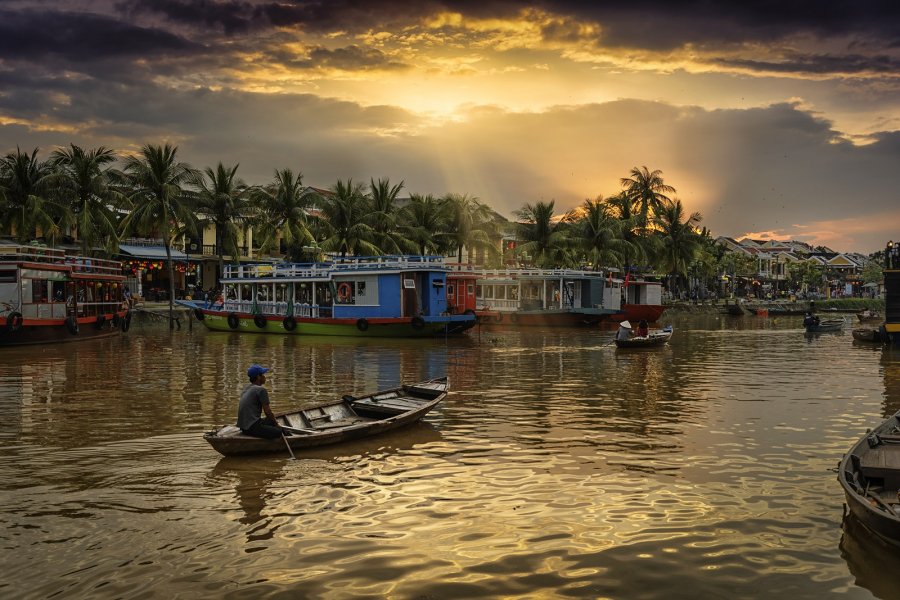
The boats used to transport passengers on the river are entirely hand-rowed, without any engines, allowing you to experience the peaceful atmosphere of the ancient town. You'll admire the scenery on both banks of the river, with centuries-old houses and bustling crowds. While on the boat, you can also listen to stories from the boatman about Hoi An and life here. This experience is even more wonderful when you take a boat trip at night. The shimmering lantern light reflecting on the river, along with the floating lanterns, will leave an unforgettable impression on visitors.
Flood season in Tra Su Melaleuca Forest
If you have the chance to visit An Giang during the flood season, remember to explore Tra Su Melaleuca Forest to experience the feeling of boating on the lush green canals. Tra Su Melaleuca Forest is an ecological forest with a total area of up to 845 hectares, teeming with melaleuca trees, possessing a simple and rustic beauty, typical of the waterways of the Southwestern region of Vietnam.
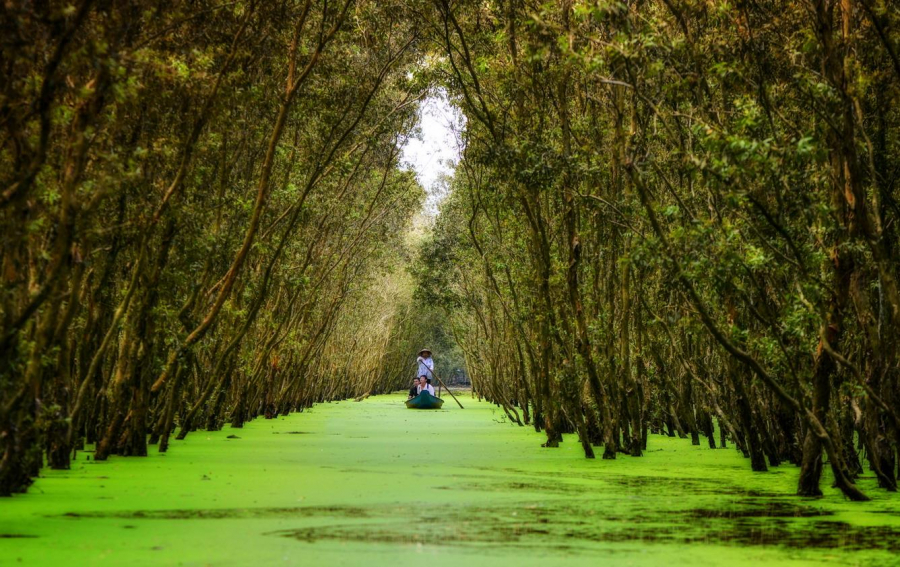
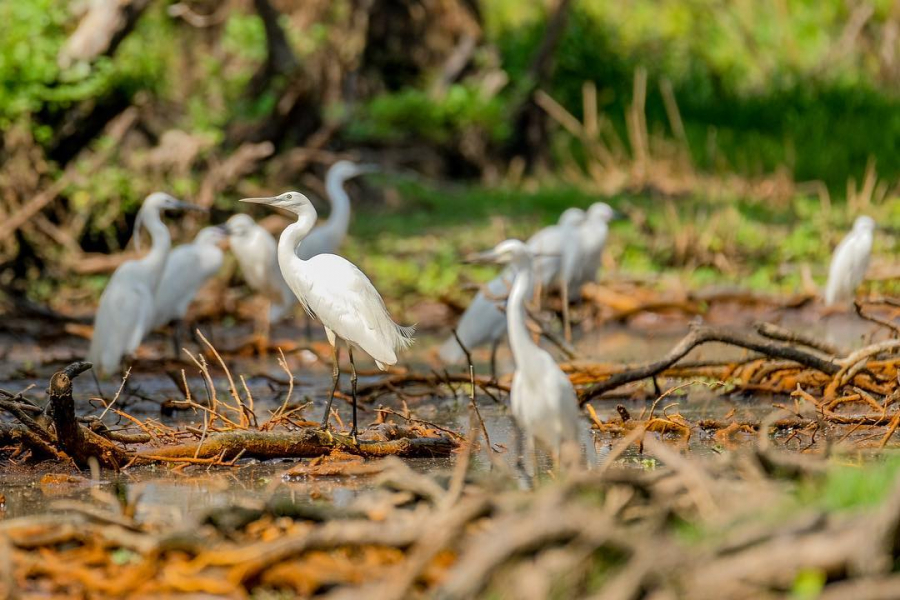
Tra Su Melaleuca Forest is home to many rare species of flora and fauna.
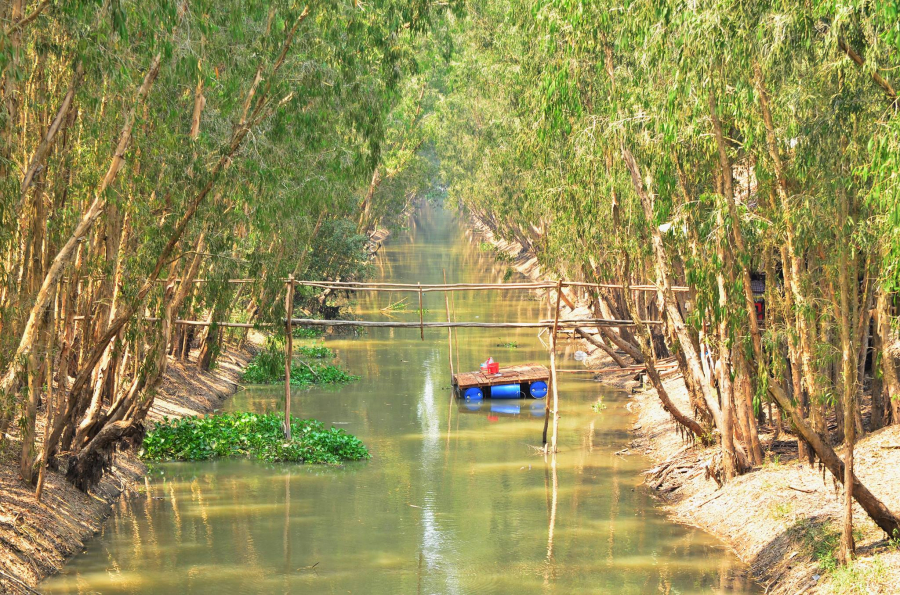
Occasionally, a bamboo bridge would span the canal connecting the two patches of forest.
The flood season, from July to October in the lunar calendar, is the ideal time to visit Tra Su. You'll experience the feeling of sitting in a traditional sampan boat, navigating through the intricate network of canals within the melaleuca forest. As the floodwaters rise, green water hyacinths cover the surface. The water hyacinths below, the cool melaleuca leaves above, create a poetic and idyllic atmosphere.
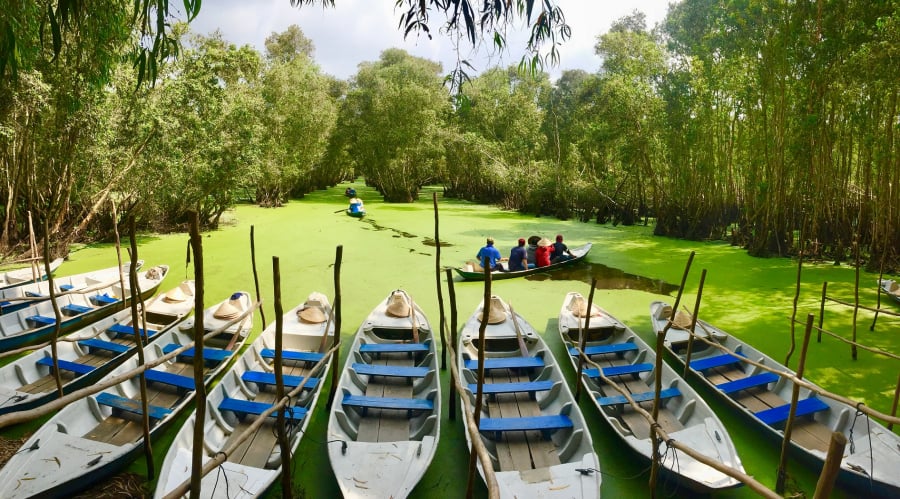
A stopover point in the mangrove forest.
The flood season is also when the Mekong Delta offers many delicious dishes such as sour fish soup with water hyacinth flowers, braised fish with pineapple… All are famous specialties that you shouldn't miss when you visit An Giang.
Travel to the Mekong Delta and visit Cai Rang floating market.
Cai Rang floating market in Can Tho province is a famous model of a market held on the river for generations by the people of the Western region. Visiting Cai Rang floating market, you won't get to see the clear blue water due to the river's high silt content. However, the most attractive feature of this market is the vibrant colors of the fruits and vegetables from the local orchards.
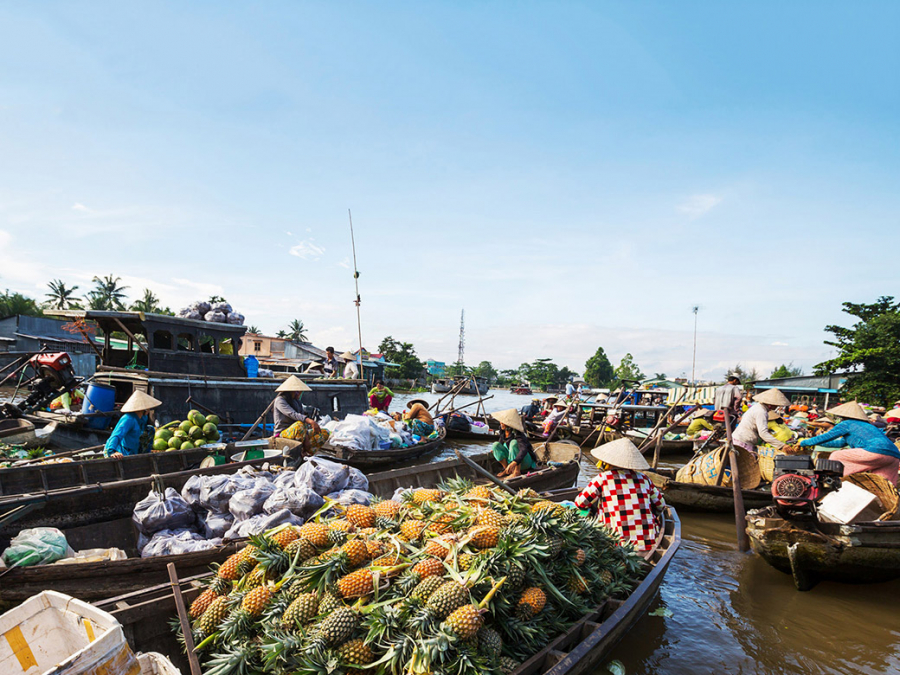
To truly appreciate the beauty of Cai Rang floating market, you must arrive early in the morning to witness the bustling activity of the people of the Mekong Delta. Some are loading goods, others are rowing boats, and still others are busy selling typical agricultural products of the region. There are also mobile food stalls selling a variety of delicious dishes like noodle soup, rice noodle soup, bread, and coffee, catering to early risers and tourists visiting the floating market. Despite the hard work and fatigue, smiles remain on their faces, and they are open and friendly to visitors. All of this creates a vibrant and unique atmosphere of a floating market on the river.
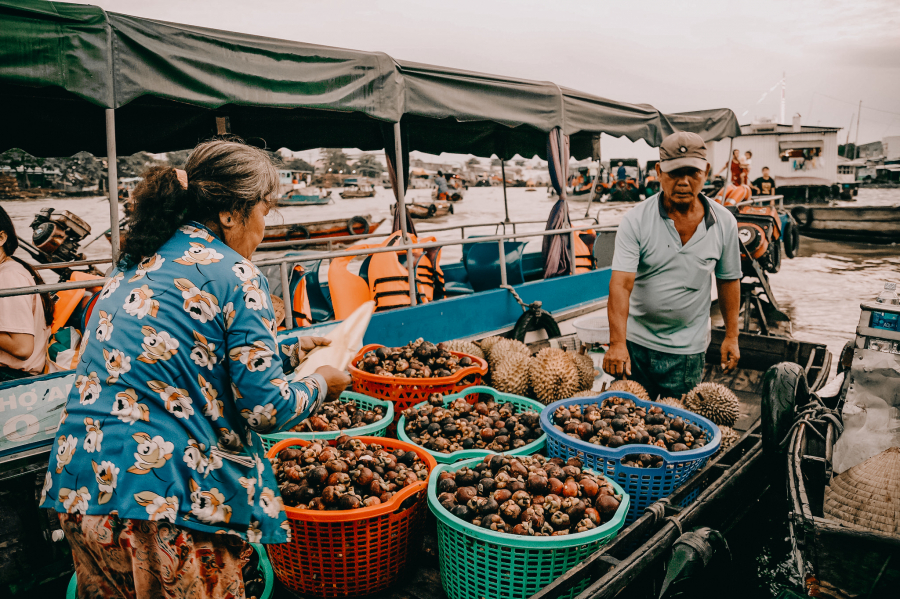
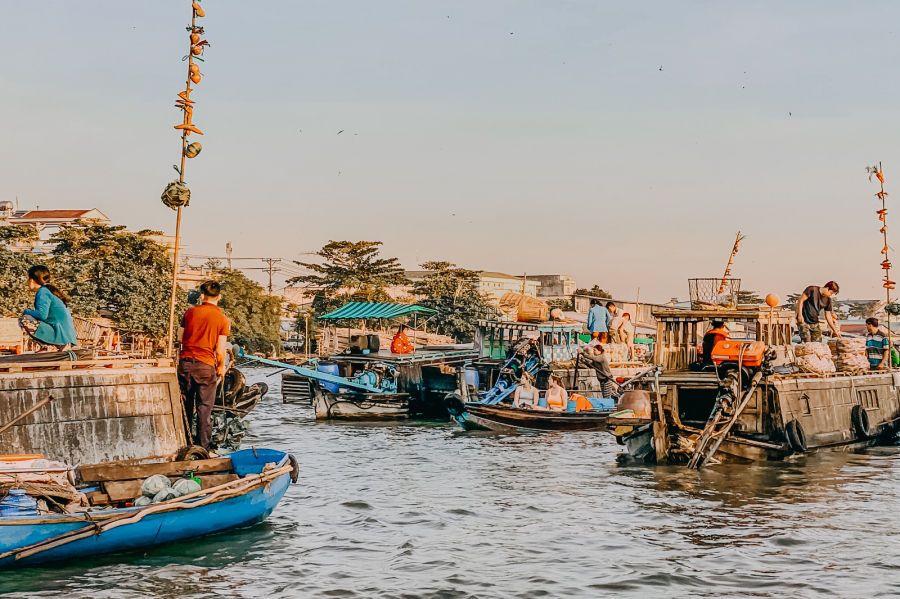
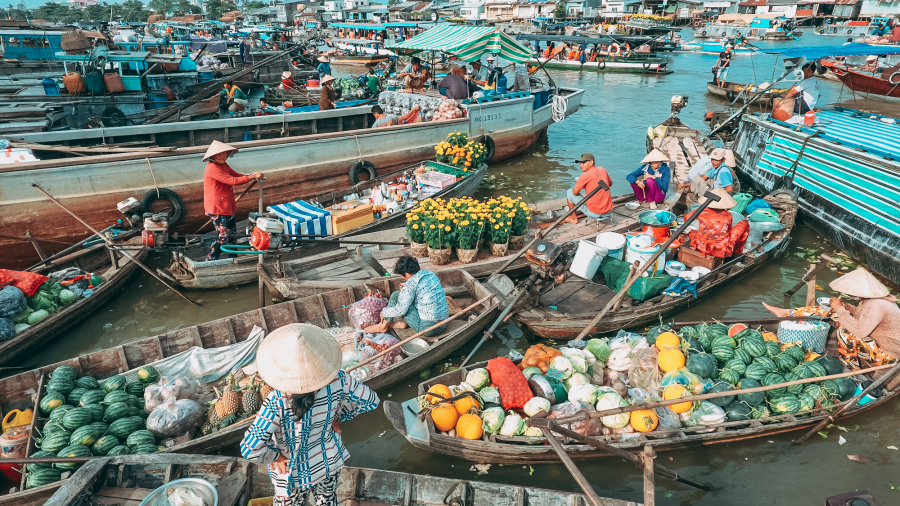
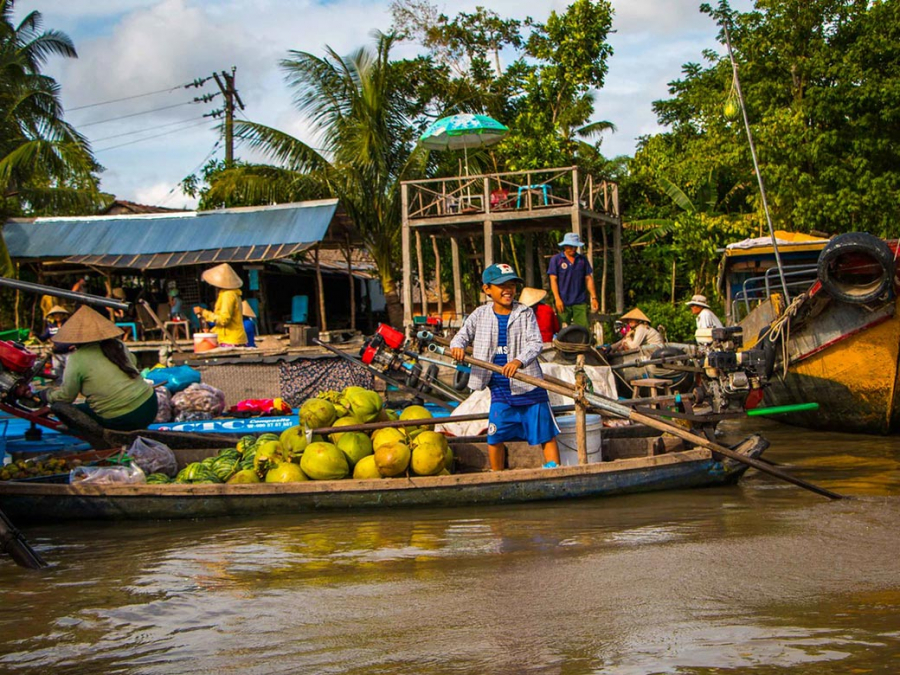
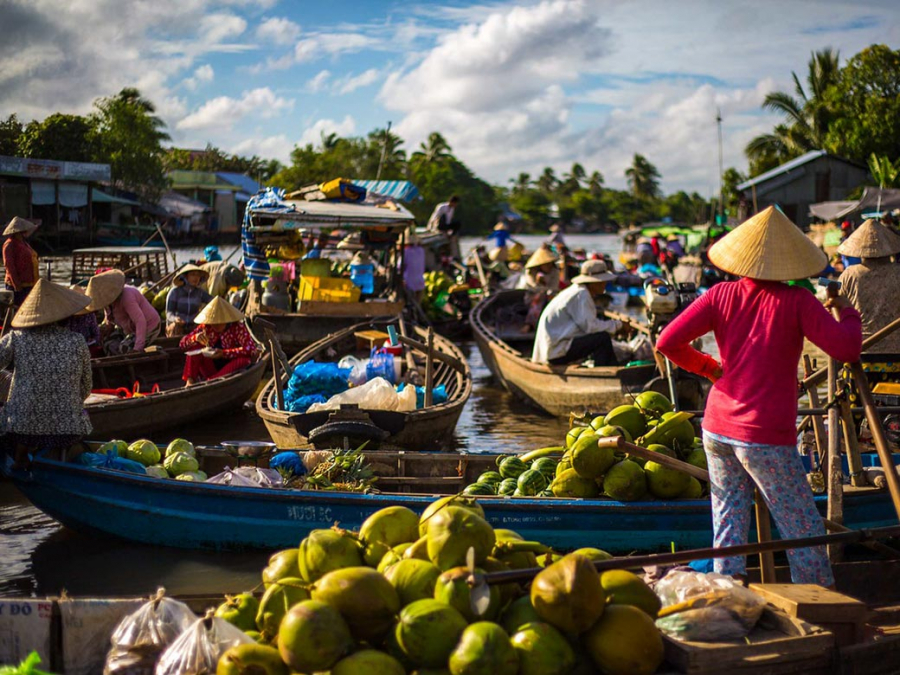
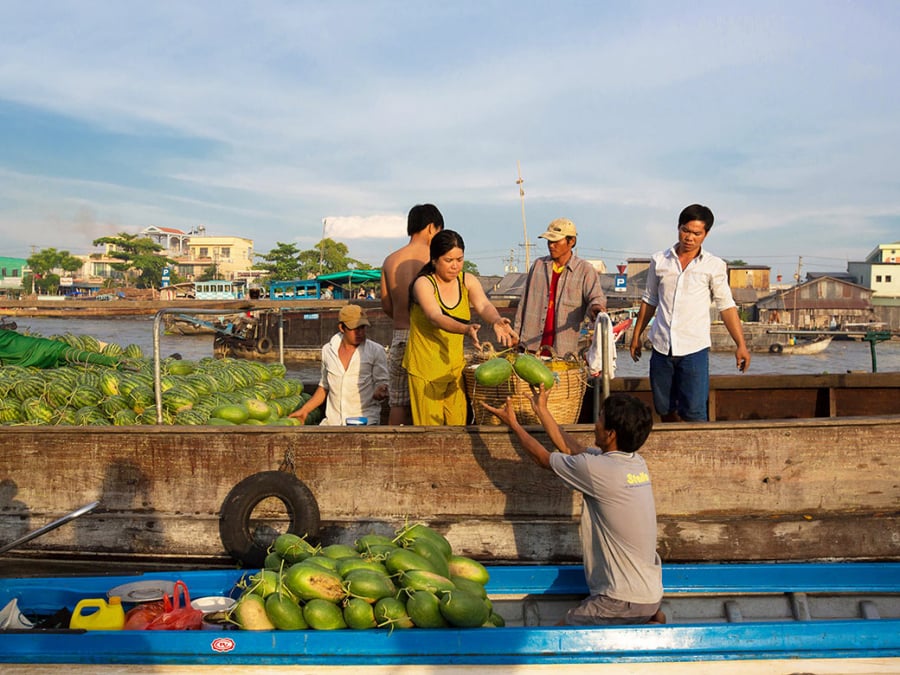
Today, Cai Rang floating market has become a famous river boat destination throughout the Mekong Delta. Visitors can choose to travel in small rowboats or motorboats if traveling in a large group. When exploring the market, don't forget to bring money so you can buy many agricultural products as souvenirs or enjoy delicious local specialties of Can Tho right on the river.