VI
VI


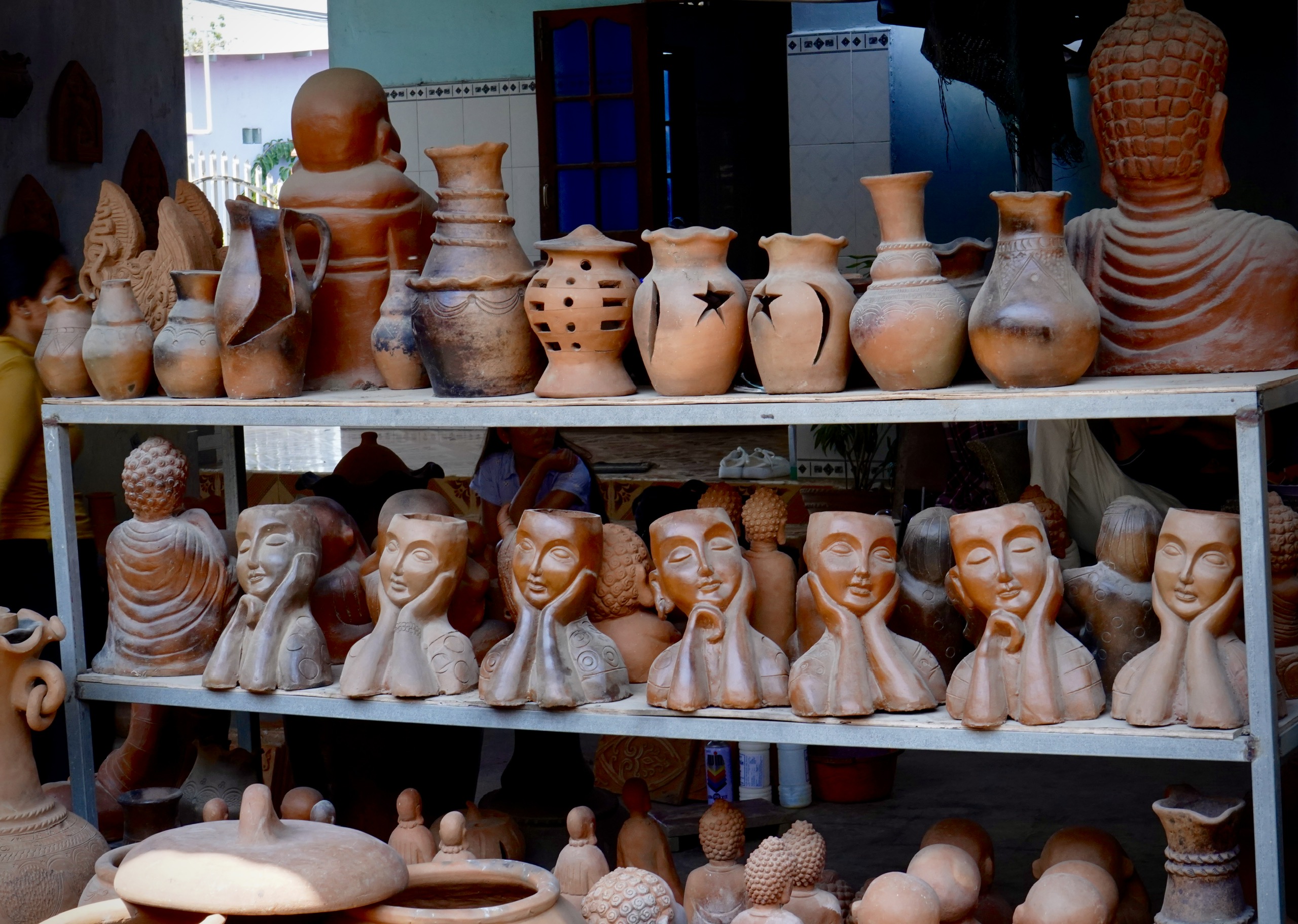
Nestled along National Highway 1A, about 12 km south of Phan Rang - Thap Cham city, Bau Truc pottery village is one of the three oldest craft villages in Ninh Thuan province. It is not only famous for its exquisite handcrafted pottery products reflecting the unique Cham culture, but was also recognized by UNESCO as a national intangible cultural heritage in 2022.
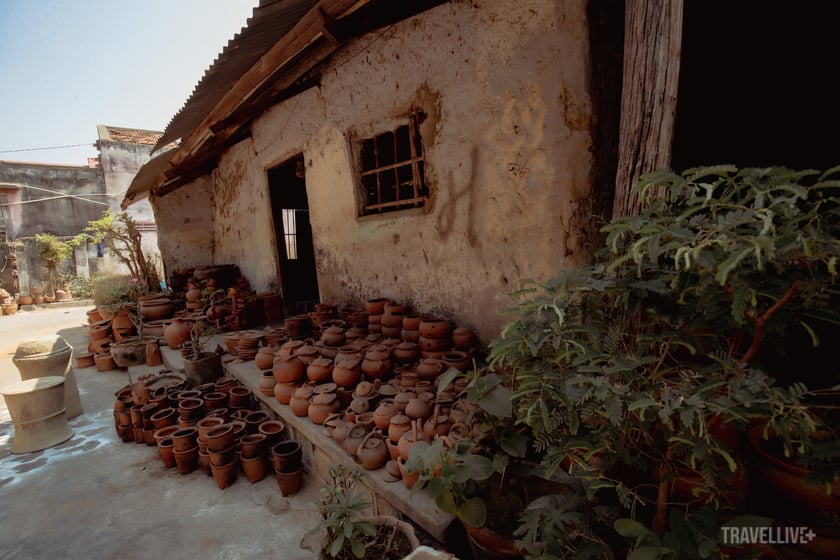
There are no modern pottery workshops here, with their thick smoke and fires, only simple thatched-roof houses...
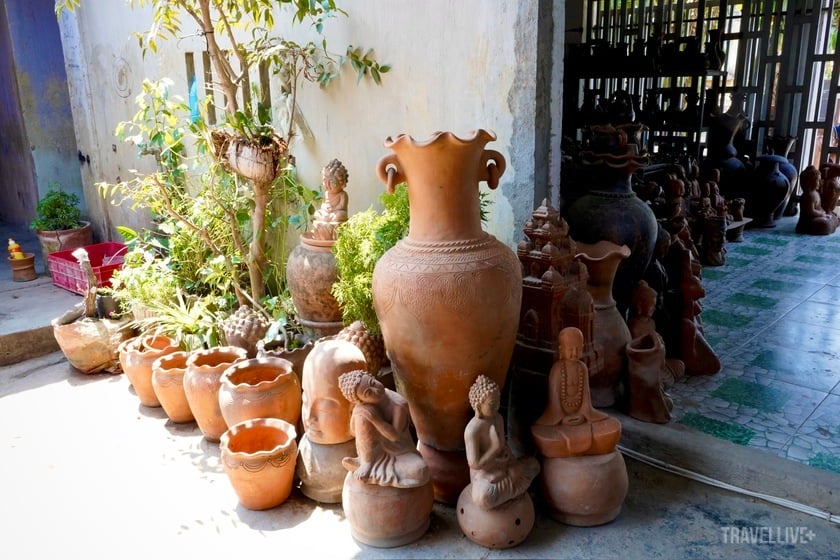
...along with rustic pottery crafted by the skillful hands of Cham artisans.
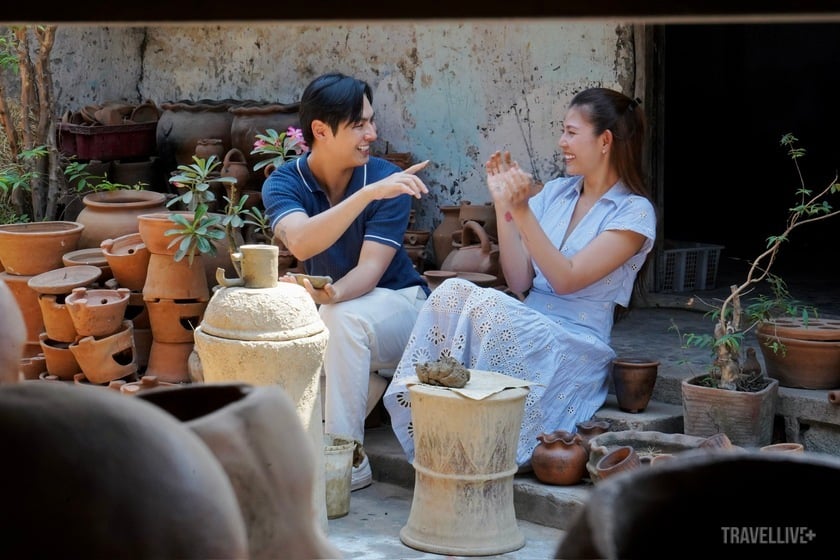
From a traditional craft village, this place has attracted many tourists.

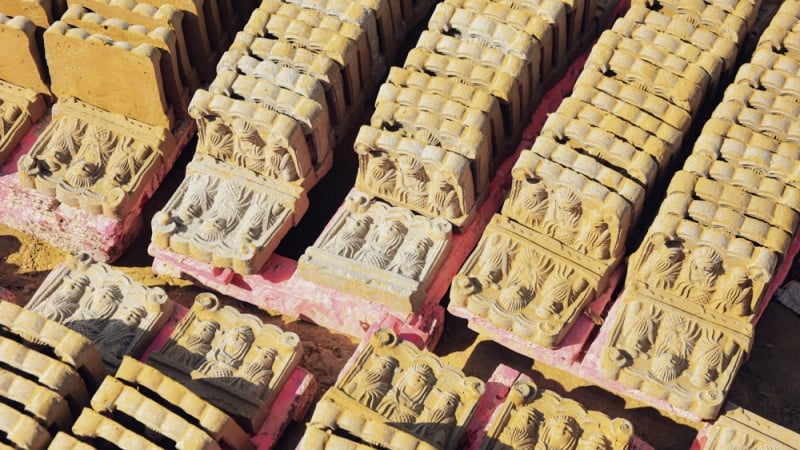
Impressions of Bau Truc pottery
Although not as famous or bustling as Bat Trang pottery village in Hanoi, Minh Long in Binh Duong, or Thanh Ha in Quang Nam, Bau Truc pottery village still retains the distinctive traditional features of Cham culture in its pottery-making style. The pottery products here bear the strong imprint of Cham culture and unique style, creating a distinct appeal.
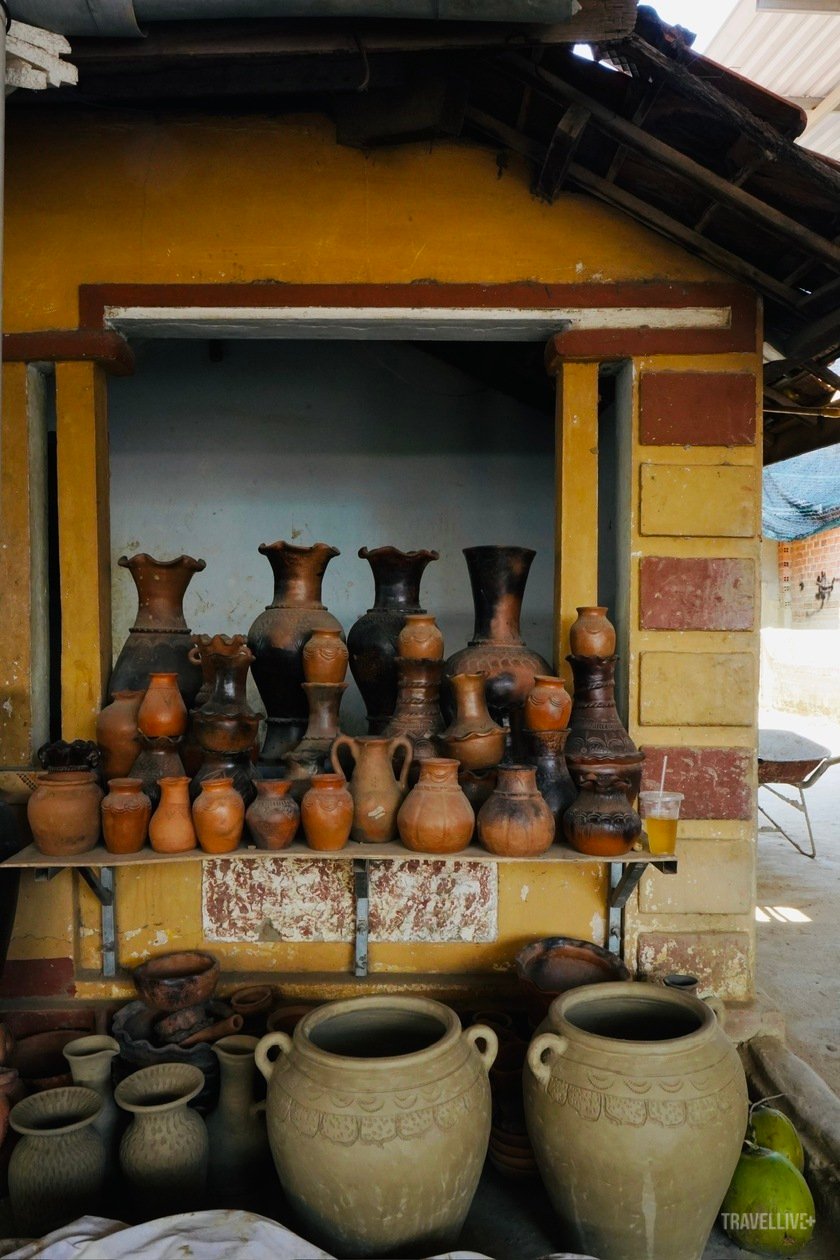
Bau Truc pottery bears the distinct cultural imprint and style of the Cham people.
Considered one of the oldest pottery villages in Southeast Asia, Bau Truc pottery village has been listed as a national intangible cultural heritage. The name "Bau Truc" originates from the village's distinctive natural landscape. "Bau" means a stagnant body of water or a large pond; the village has a fairly large pond surrounded by lush bamboo groves. Therefore, the name "Bau Truc" was used by the locals to name the pottery village, associating it with the unique and peaceful natural image of this land.
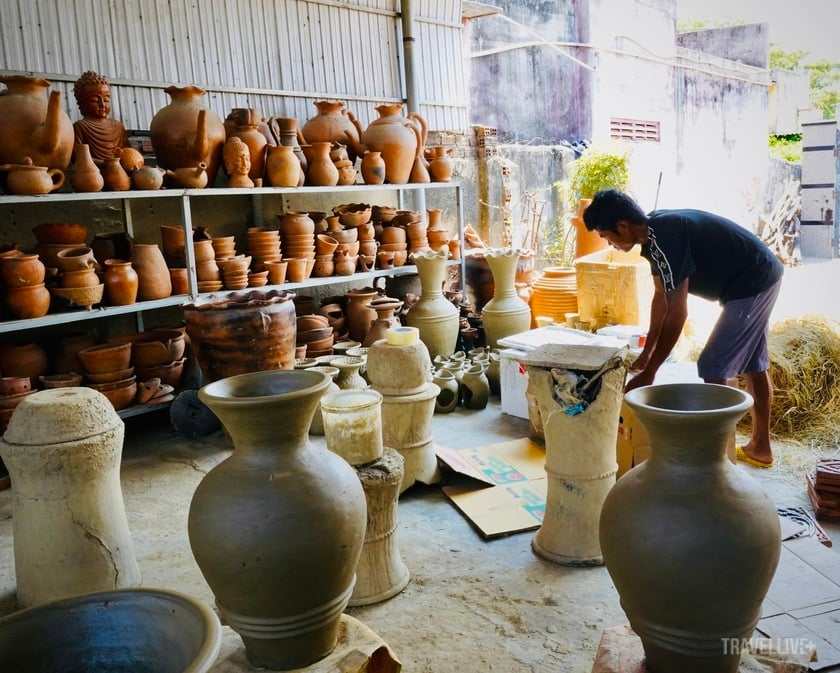
This place still preserves the distinctive traditional features of Cham culture in its pottery-making style.
The hands that create culture.
Like many other types of pottery, Bau Truc pottery is made from familiar materials: clay and fine sand. These raw materials are sourced from rice fields along the banks of the Quao River – a river not far from Bau Truc pottery village, accessible only by following provincial road 703.

Ms. Quang Thi Ngo (a pottery artisan in the village) said: "To find the right clay, the villagers have to dig down to three layers of topsoil. After extraction, the clay is dried, crushed, and kneaded with water to create plasticity and cohesion. Next, the pottery artisans mix the clay with fine sand in a ratio suitable for the size and use of the product they want to create."
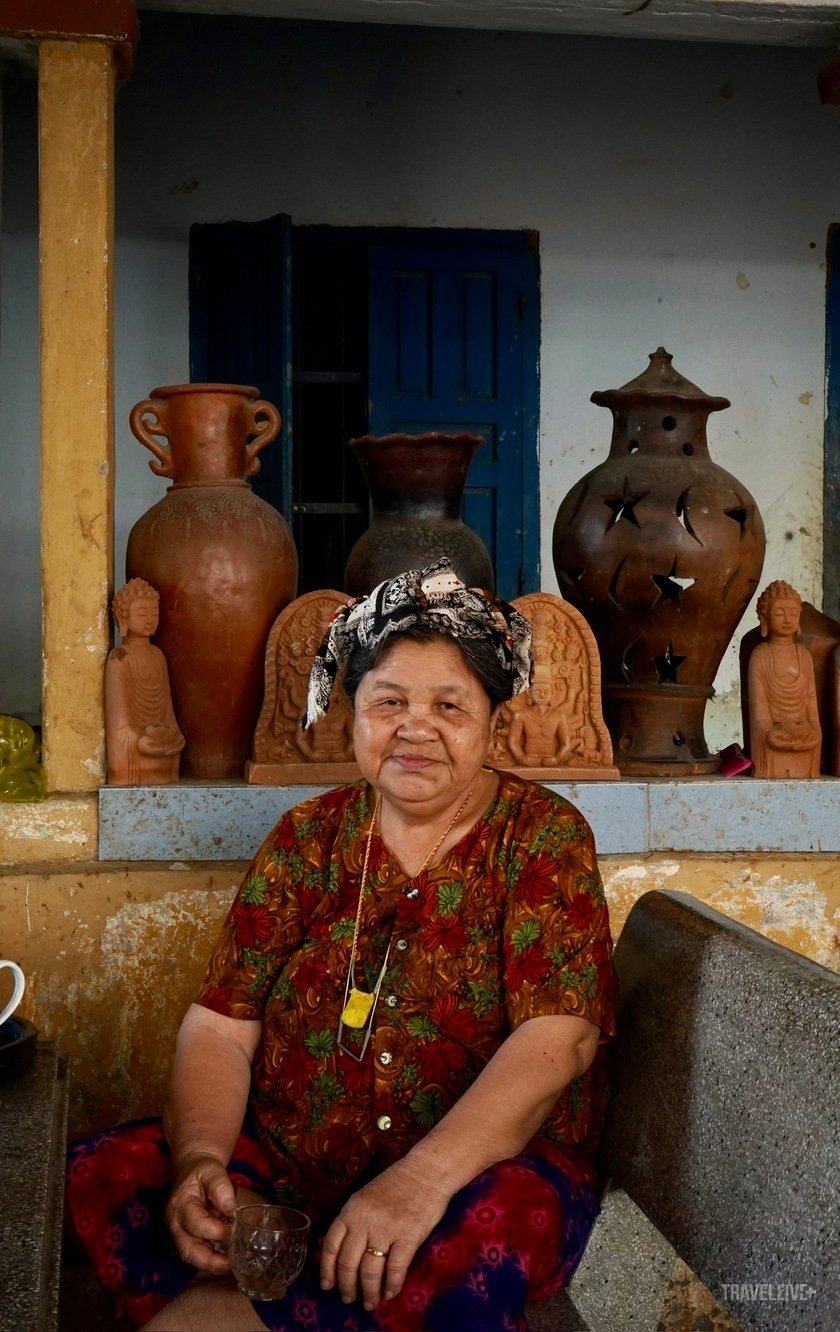
Artisan Quang Thi Ngo.
The unique characteristic of Bau Truc pottery lies in its rustic simplicity, yet it is nonetheless refined. While many other pottery villages have adopted modern technology in production, with potters, electric or gas kilns, Bau Truc pottery village has preserved the traditional pottery-making techniques of the Cham people for thousands of years. It is considered a "living museum" preserving the unique cultural values of the Cham people.
The most unique aspect of Bau Truc pottery is its "hand-made, butt-spinning" technique. Instead of using a potter's wheel, Bau Truc potters shape their products entirely by hand. They skillfully mold and smooth each block of clay, moving backward while using both hands to create vases, jars, and pots with intricate patterns that bear the distinct mark of Cham culture.
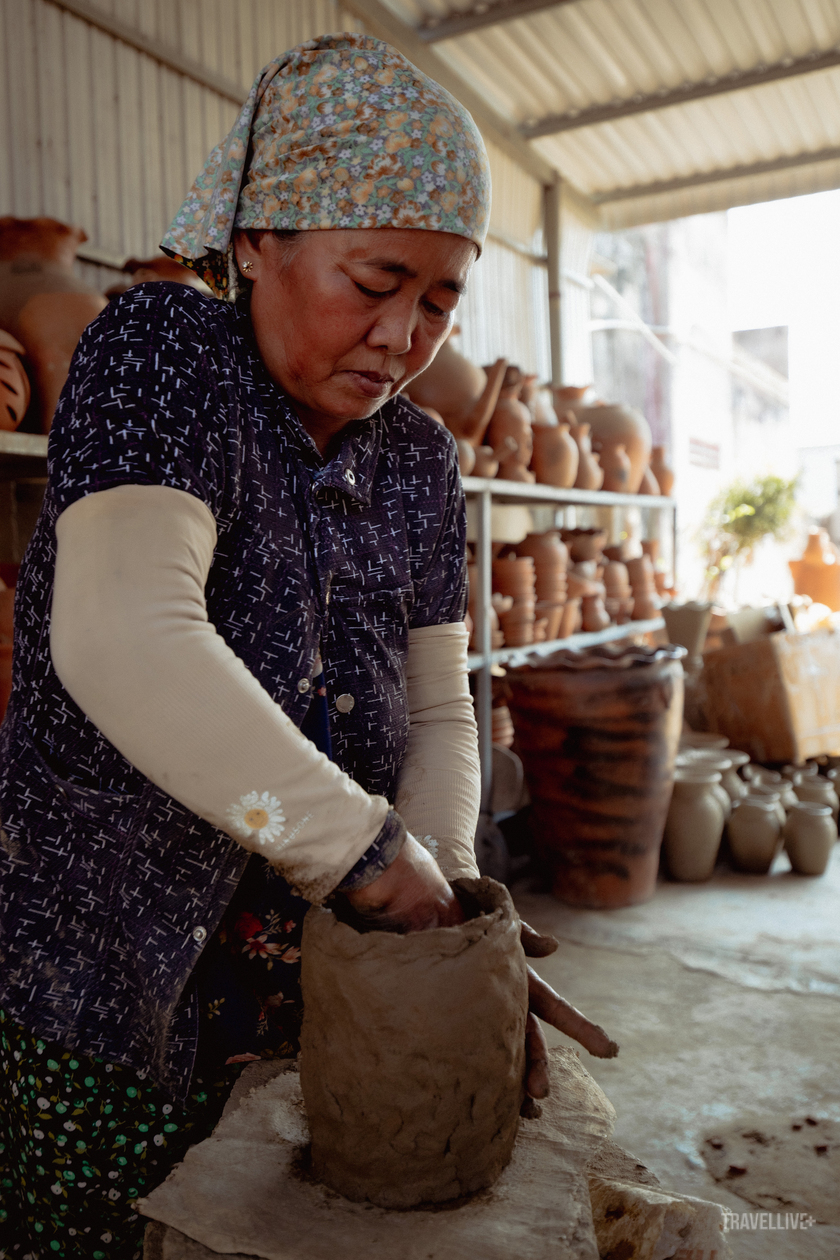
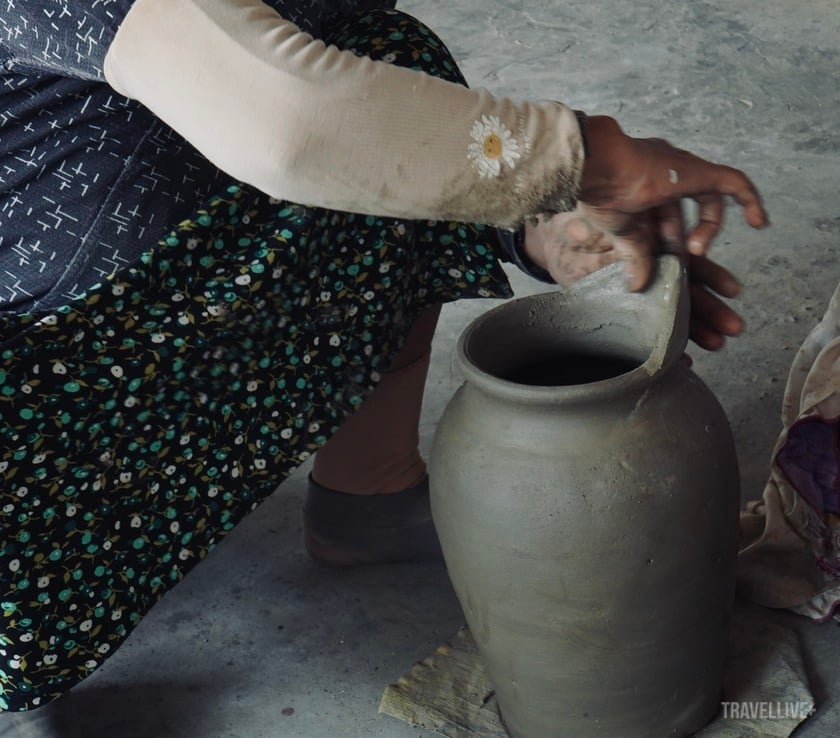
The most distinctive feature of Bau Truc pottery is the "hand-made, wheel-turned" technique.
Furthermore, the pottery-making technique in Bau Truc is also very special. Instead of using modern kilns, the people here still maintain the traditional method of firing pottery in the open air using firewood.
Artisan Quang Thi Ngo shared: "The layers used for firing pottery are in the following order: rice husk - firewood - pottery - firewood - straw. The pottery is fired outdoors, and during firing, the artisan sprays a layer of silk husks, soaked overnight, onto the surface of the pottery to give it a shinier color. The higher the temperature, the more evenly and beautifully the color is absorbed."
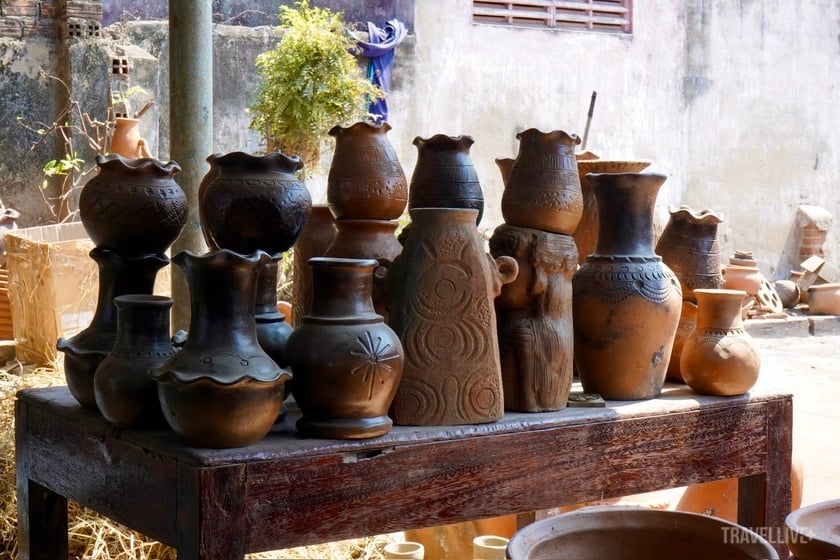
The durability and beauty of the color depend on the temperature and the silk-like coating applied during firing.
It is thanks to this traditional firing method that Bau Truc pottery possesses a distinctive color and durability that cannot be found anywhere else.
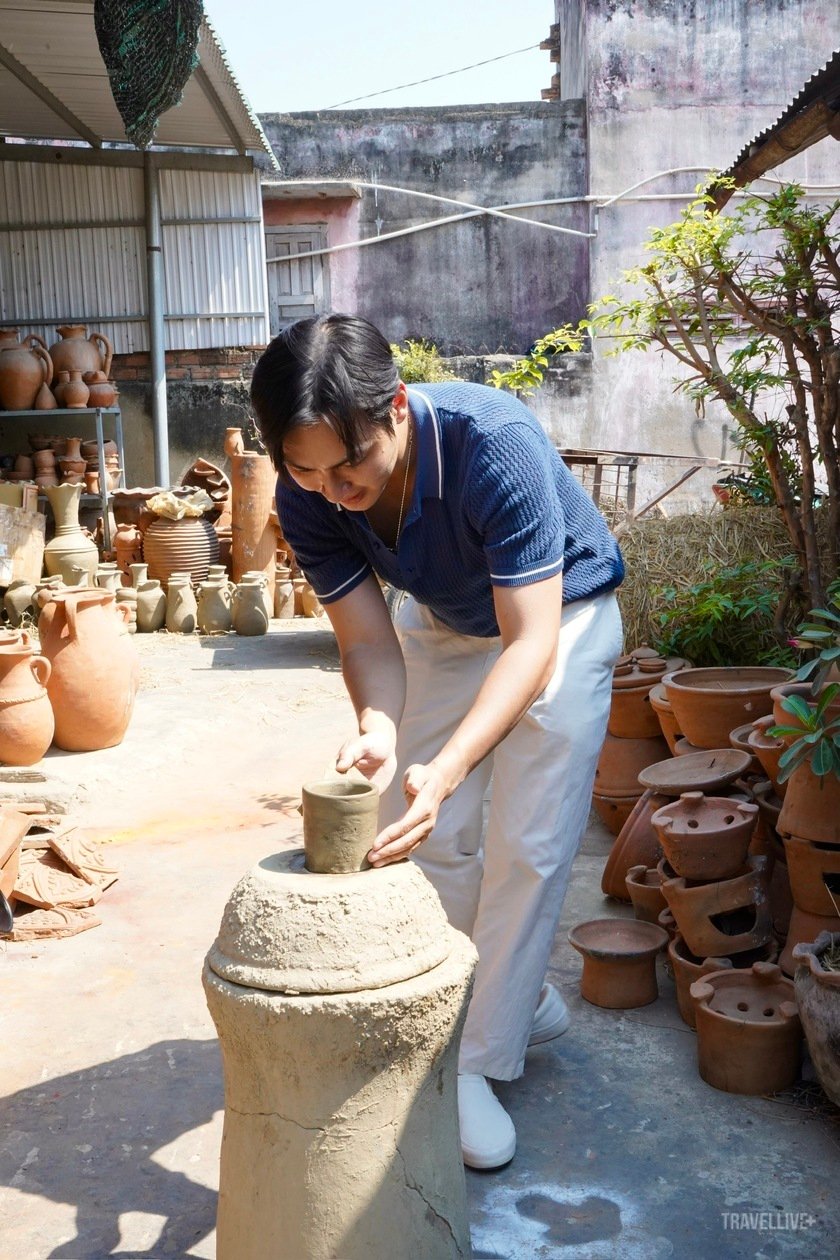
Tourists enjoy experiencing pottery making in the traditional Cham style.
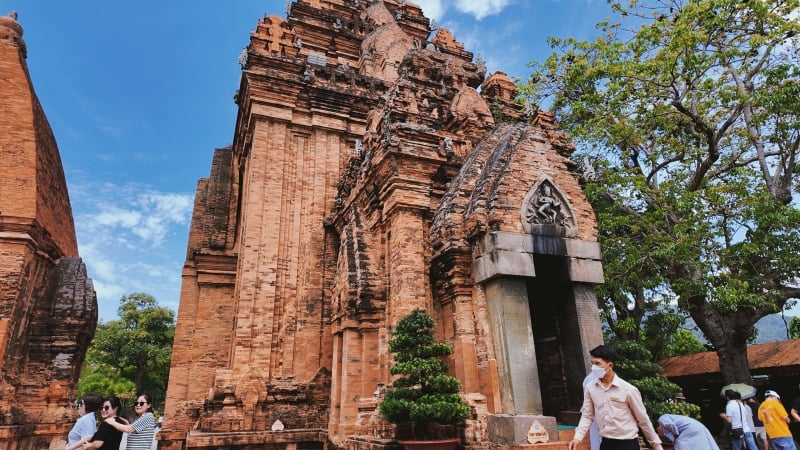

Bau Truc pottery village is not only a place that preserves traditional cultural values but also an attractive destination for domestic and international tourists. Visiting Bau Truc, tourists can experience interesting activities such as touring the craft village, trying their hand at pottery making, learning about Cham culture, and shopping for unique pottery products.