VI
VI


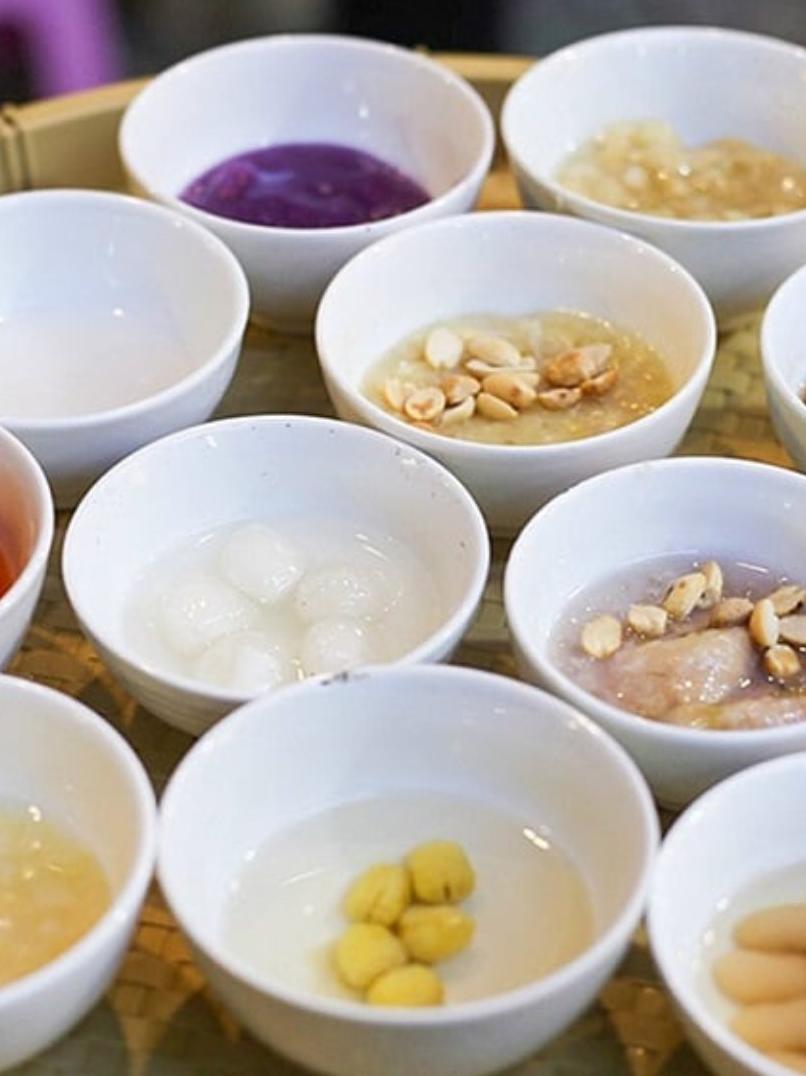
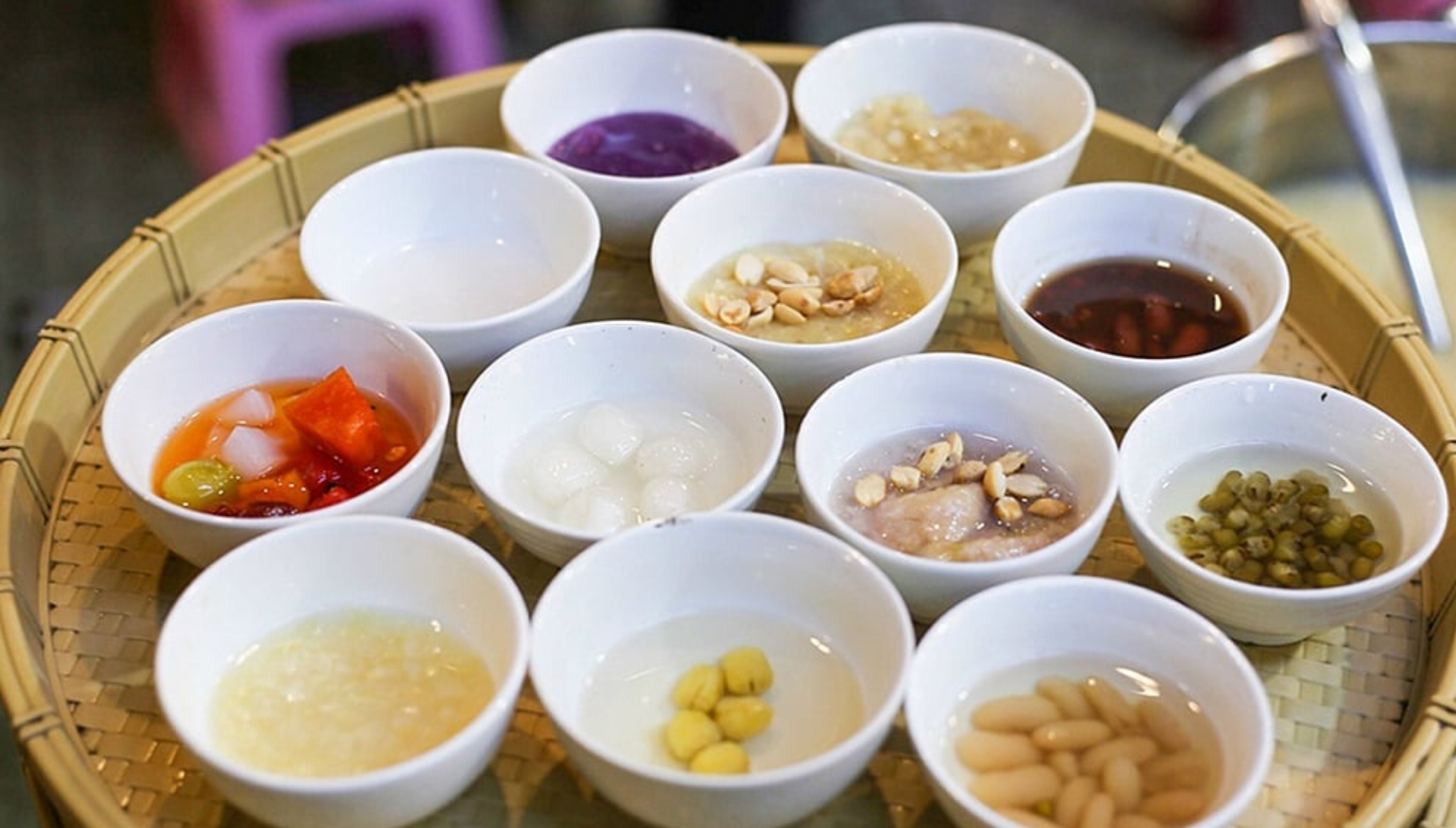
Anyone who has ever visited Central Vietnam will surely never forget the mouth-watering snacks. Central Vietnamese cuisine is a balanced, harmonious, and refined whole. With the following mouth-watering snacks from Central Vietnam, you will see a vibrant and colorful culinary landscape emerge.
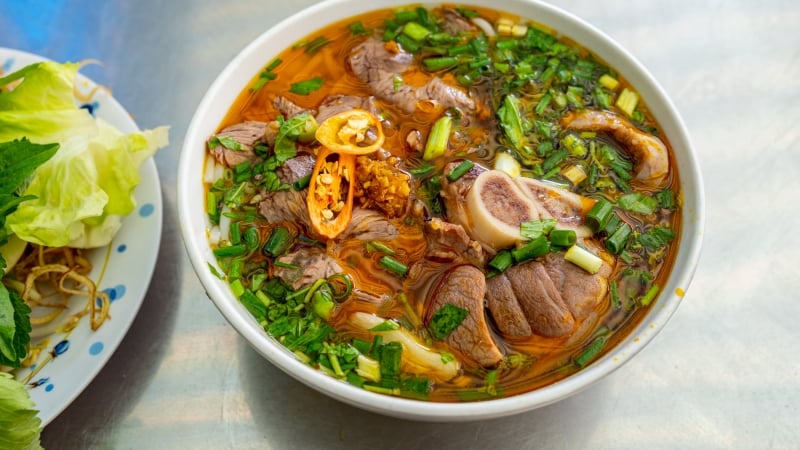
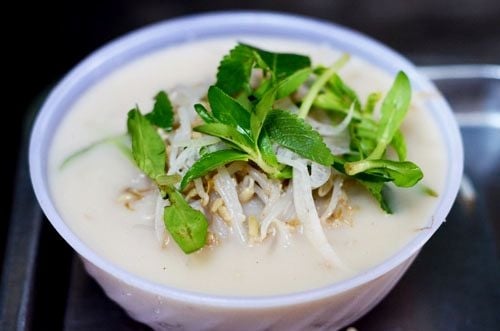
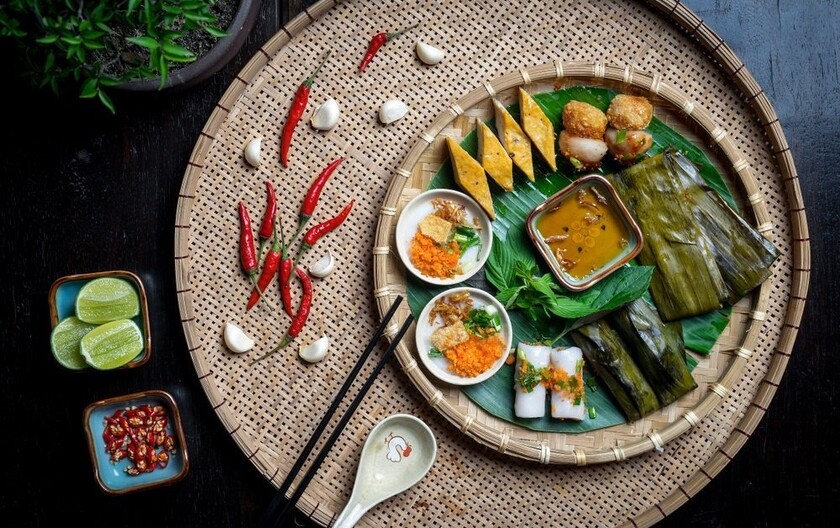
Central Vietnam is considered to have a diverse, rich, and distinctive culinary culture.
THE UNIQUE ROASTED PORK TAPIOCA DESSERT FROM HUE
People in Hue are always meticulous and sophisticated in their eating habits, not only in selecting ingredients but also in seasoning, cooking, and presentation. Therefore, the combination of tapioca dumplings and roasted pork arouses curiosity in many people, both in terms of its origin and the desire to taste it.
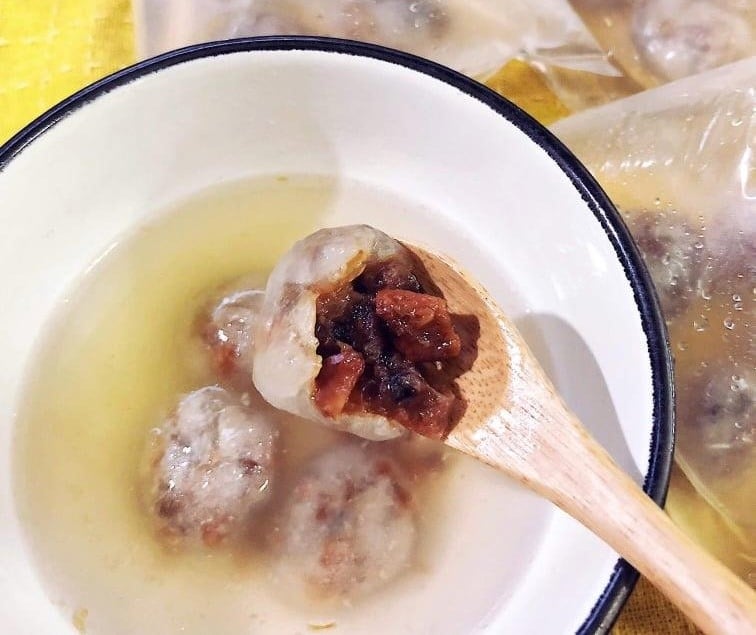
Pork belly tapioca pudding - a unique specialty of Hue.
Pork belly tapioca pudding is said to have once been a dish on the menu of the ancient Hue royal court. Later, it spread widely among the people, becoming a famous delicacy of the ancient capital's cuisine. Today, pork belly tapioca pudding can be found in almost all dessert shops in Hue, from high-end to budget-friendly.
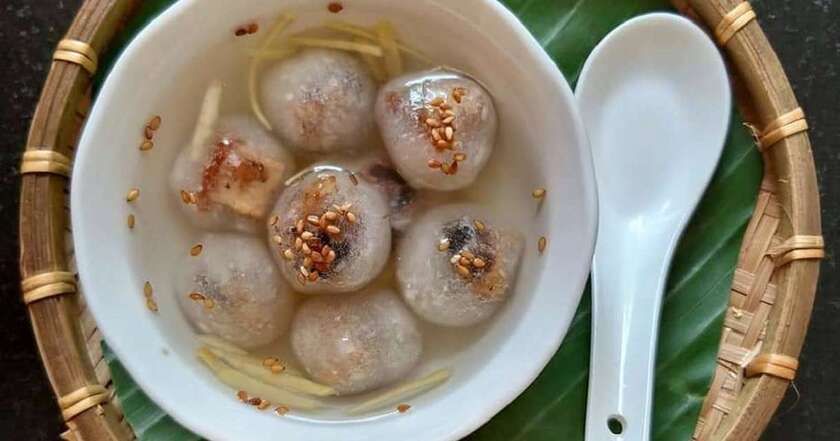
The dish fit for a king has piqued people's curiosity about its flavor.
As the name suggests, tapioca pearl dessert with roasted pork consists of two main ingredients: tapioca pearls and roasted pork, peanuts, served with ginger-infused sugar syrup. The most complicated step in making this dessert is the roasted pork filling, because pork is a savory dish, while dessert is sweet; if not handled skillfully, it will be difficult to create harmony.
The filling consists of roasted pork cut into pieces slightly larger than pomegranate seeds, marinated with salt, sugar, and ginger juice for a few hours to allow the flavors to penetrate. Then, it's simmered over low heat until the liquid in the pot has almost evaporated and the pork pieces are fragrant. It's then scooped out onto a plate to cool and drain. Some people are more elaborate and add a little five-spice powder at this stage for a more distinctive flavor.
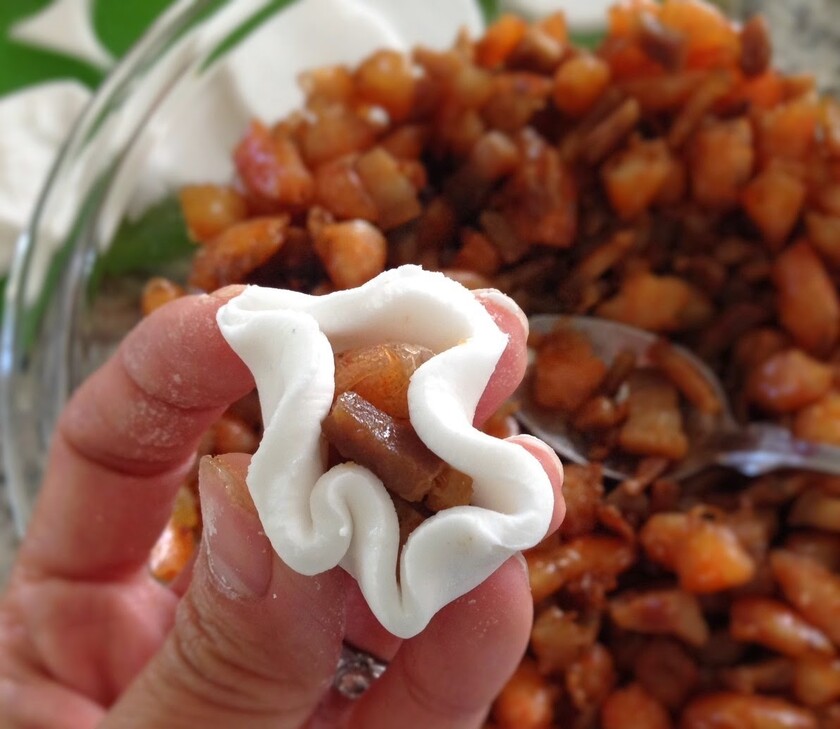
The tapioca flour must be kneaded with warm water to ensure the right thickness.
The outer layer is made from tapioca flour, kneaded thoroughly with warm water until pliable and smooth. Place a piece of meat filling inside each piece of tapioca flour, wrap it tightly, ensuring the dough is of moderate thickness to keep the dumpling soft, not chewy, not too floury, and cooked to a perfect consistency with the pure white color of the flour and the amber color of the meat inside…
In the past, sweet soup was one of the three dishes offered to the emperor, its recipe kept secret by the royal chefs and passed down to their descendants in the royal family. A simpler explanation is that after ancestral worship ceremonies, leftover roasted pork would be used by housewives to make sweet soup, adding ginger and sesame seeds to enhance the flavor.

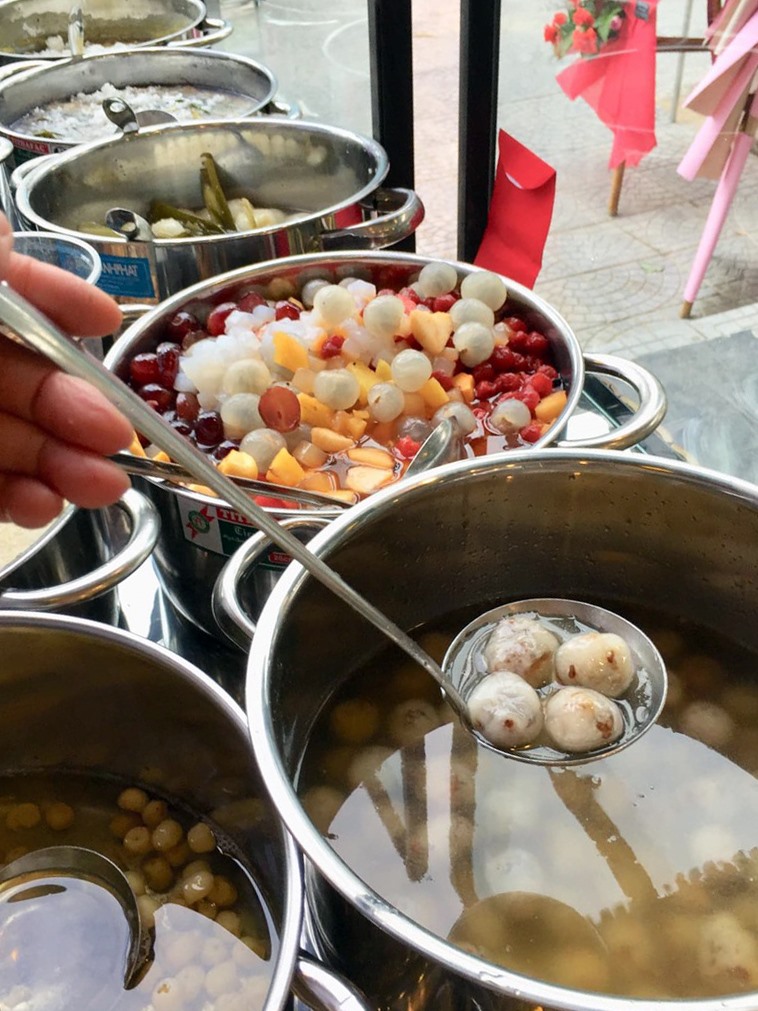
Visit Hue and enjoy sweet soup with roasted pork.
Due to the habit of eating afternoon snacks, many street food stalls in Hue, such as those selling sweet soups, noodles, and cakes, only open in the afternoon. In particular, many sweet soup stalls offering dishes like tapioca dumplings wrapped in roasted pork, or street vendors, only start selling from 3 PM onwards.
Da Nang Xoa Xoa Tea with Pomegranate Seeds
Da Nang's sago pudding with pomegranate seeds is a snack especially loved by locals and tourists alike. Not only in summer but also in winter, a sweet and refreshing cup of sago pudding will help you shake off fatigue and provide a wonderful culinary experience.
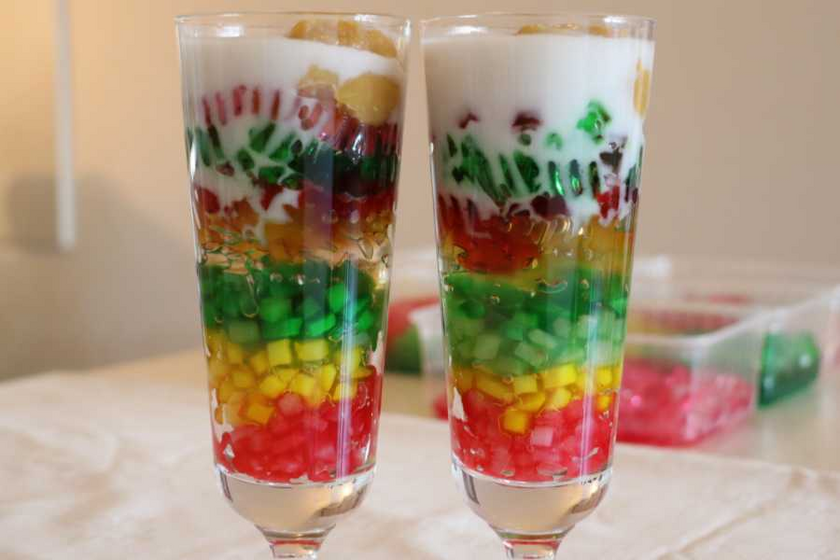
The colorful yet delicious and refreshing tea has won the hearts of many tourists.
Among snacks, Da Nang's sweet soups (che) have a very distinctive preparation style and flavor, different from sweet soups in other regions. Da Nang's sago and pomegranate seed sweet soup is a simple yet unique snack, attracting diners with its harmonious combination of flavors and colors. However, many people still wonder about the origin of the name of this sweet soup.
The name "xoa xoa" comes from the main ingredient of the dessert - xoa xoa jelly. This jelly is made from seaweed, is opaque white, and has a rough, pebble-like shape. When eaten, xoa xoa has a cool, chewy texture, creating a refreshing and invigorating sensation.
The combination of sago pearls and pomegranate seeds creates a unique dessert with a refreshing, cool sweetness, perfect for cooling off on hot summer days.
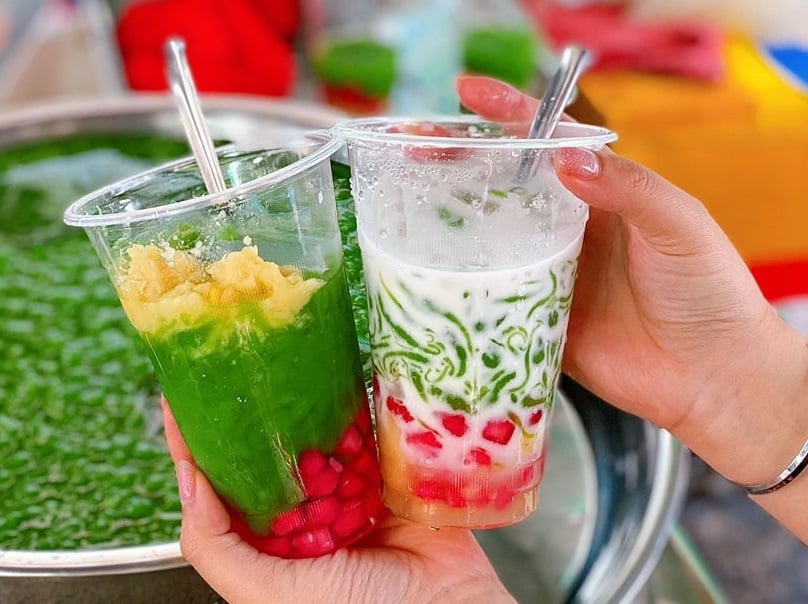
A treat everyone should try at least once when visiting Da Nang.
Da Nang's xoa xoa and pomegranate seed dessert is a favorite among both locals and tourists. This dish is especially suitable for summer days; a cold cup of Da Nang xoa xoa dessert will dispel all the heat and fatigue of summer. A cup of Da Nang xoa xoa and pomegranate seed dessert consists of xoa xoa (a type of jelly), black jelly, pomegranate seeds, mung beans, coconut milk, and sugar syrup.
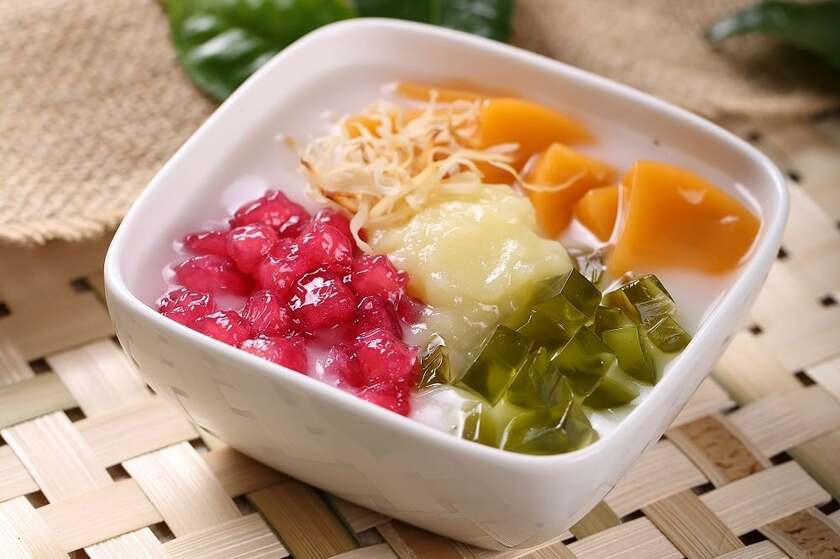
BEAN DESSERT - A TREAT FOR BOTH SEASONS
The tourist season in Hoi An usually runs from March to October, a time of year with beautiful weather as the ancient city enters its sunny season. However, the sunny season in Hoi An is often very hot, so visitors are familiar with Hoi An's refreshing drinks such as xoa xoa (a type of sweet soup), tofu pudding, and mot (a type of herbal drink), and especially the mung bean sweet soup, a specialty found nowhere else in Quang Nam province.
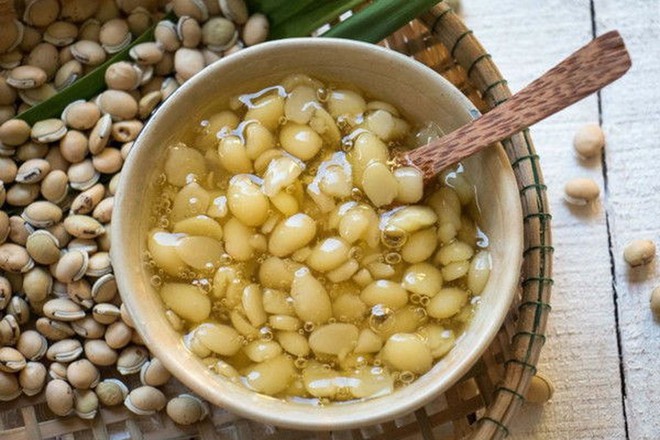
Mung bean sweet soup is a signature treat of the Central Vietnamese people, enjoyed throughout both the rainy and dry seasons.
Broad beans are a familiar food to people in Central Vietnam, especially in the Quang Nam - Da Nang area. When the beans are young and green, they are boiled and dipped in fish sauce with chili and garlic, or stir-fried with shrimp and meat. When the beans are mature and dry, they are roasted until golden brown and steeped in tea to make a refreshing and fragrant drink. However, to fully appreciate the deliciousness of broad beans, one cannot miss the hot, fragrant broad bean dessert, especially on cold winter days.
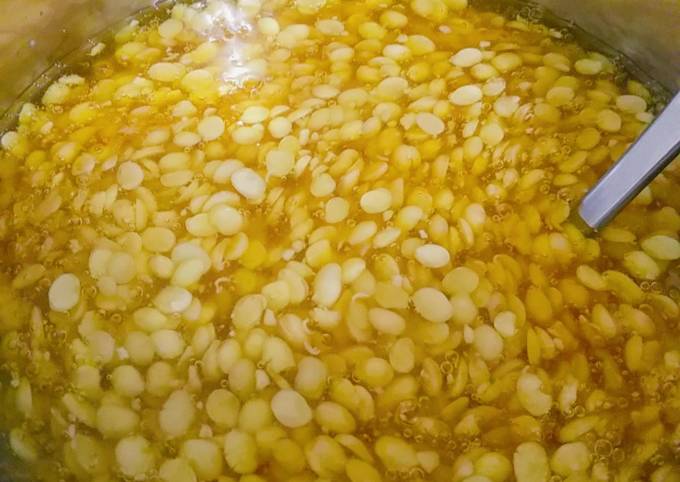
Sweet mung bean dessert
To make a delicious mung bean sweet soup with perfectly soft beans, the sweetness of the sugar blending with the smooth, chewy texture of the fragrant glutinous rice, the cook must put in considerable effort and possess truly "perfect" skills. The beans must be plump, evenly sized, and freshly harvested, because using leftover beans from the previous harvest will significantly diminish their characteristic aroma. The sugar used must be golden cane sugar produced from traditional sugar mills in the countryside, packaged in individual bowls. The glutinous rice must be long-grained, plump, and free from any admixture of regular rice.
With its sweetness that helps relieve heatstroke and prevent dehydration, mung bean sweet soup is loved by many. In particular, the distinctive aroma of this sweet soup makes many people choose to drink only the liquid instead of eating the beans. Add some ice to the glass of sweet soup, take a long sip, and the refreshing coolness of the mung bean aroma will leave you feeling invigorated.
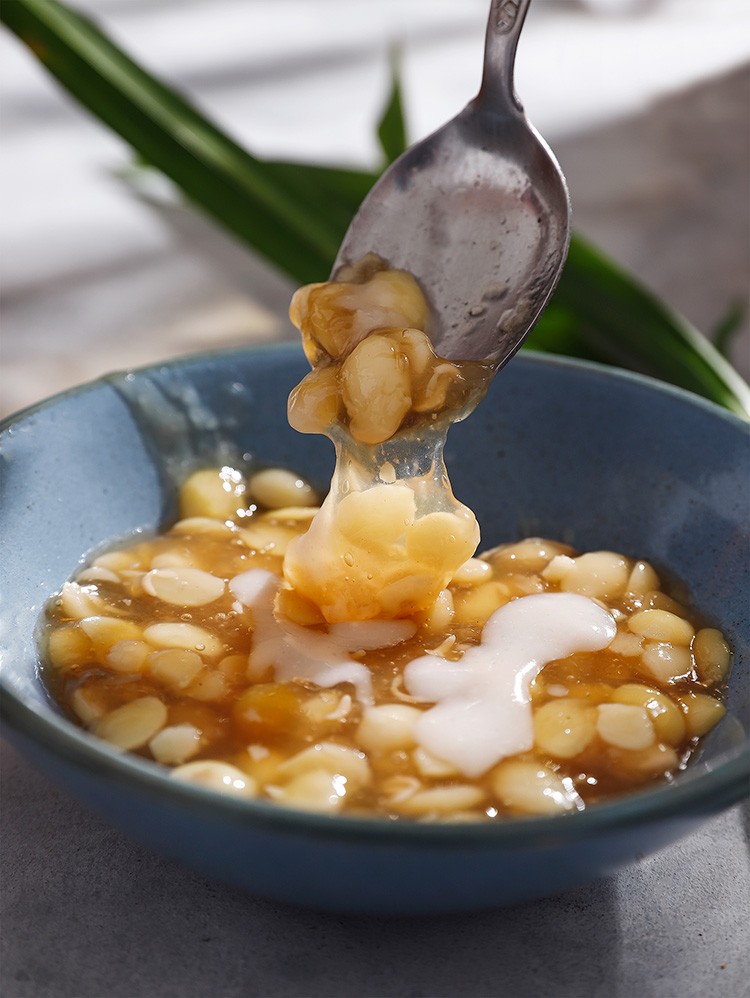
Mung bean sweet soup is a comforting treat on a cold winter day.
Moreover, during the winter months, scooping the mung bean dessert into a bowl reveals an appealing dish with its shimmering golden-brown color and subtly fragrant aroma. Taking a spoonful of the hot dessert into your mouth, your taste buds are awakened by the nutty, aromatic flavor of the mung beans blended with the soft, chewy texture of each bean – truly delicious. In addition, the spicy kick of ginger provides warmth, dispelling the chill of the year-end days.
When it comes to snacks in Central Vietnam, there are countless options. If you have the chance to visit, don't forget to discover and enjoy these delicious treats for yourself!