VI
VI


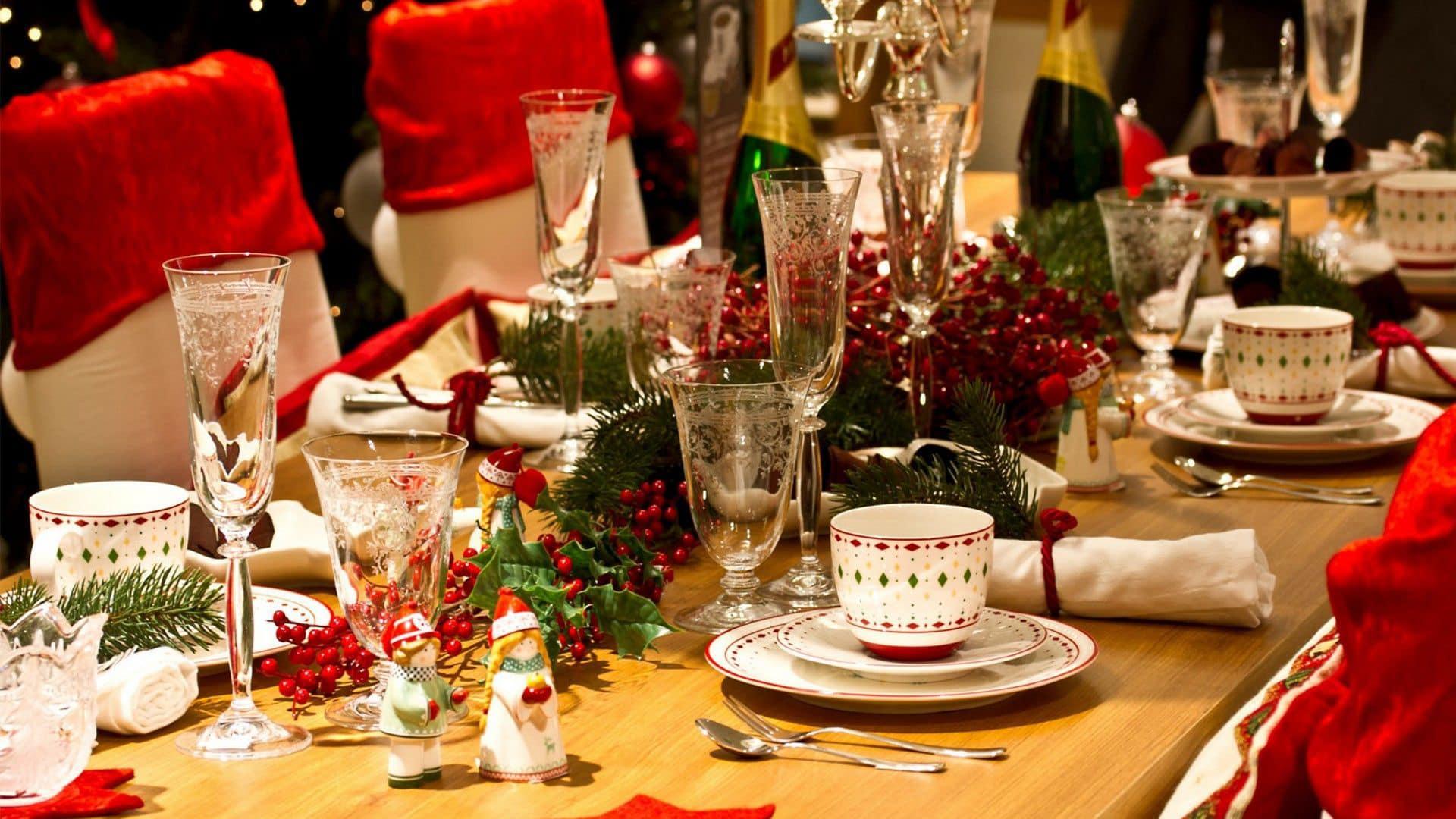
Christmas, also known as the Nativity of Christ, is a holiday celebrating the birth of Jesus Christ for most Christians. In addition, Christmas is a holiday for family gatherings and reunions.
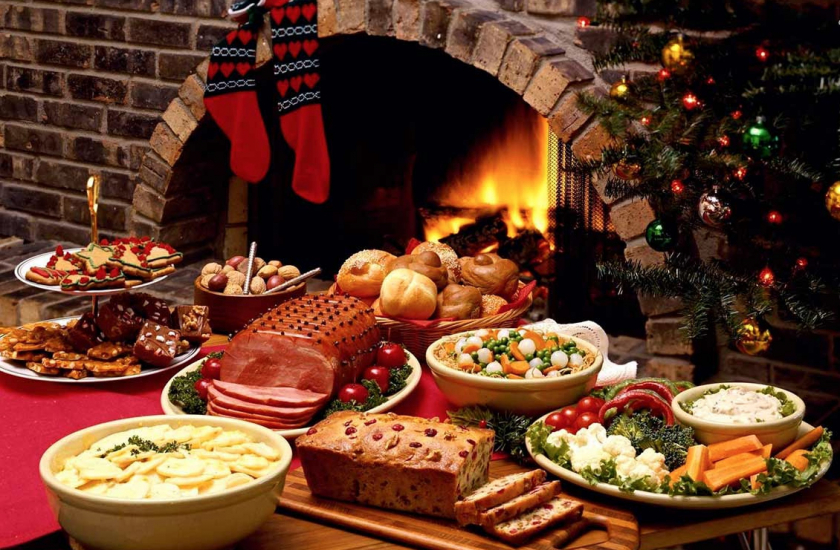
Christmas is an important occasion for family and friends to gather at the end of the year to enjoy a warm meal together.
Christmas is also considered a children's holiday because on this day, children always wish for their dreams and hope that Santa Claus will help them come true and bring them exciting gifts.
And when it comes to holiday foods, you'll probably immediately think of names like roast turkey, gingerbread cookies, or pastries... However, each country has its own unique traditional dishes to celebrate this special occasion.
Japan
The majority of Japan's population follows Japanese and Buddhist religions, so Christmas is only celebrated in certain areas. The Japanese KFC fried chicken brand is heavily advertised during Christmas and has become a popular main dish on December 25th each year. According to statistics, approximately 3.6 million Japanese families eat KFC on Christmas Eve, sometimes even making reservations up to two months in advance.
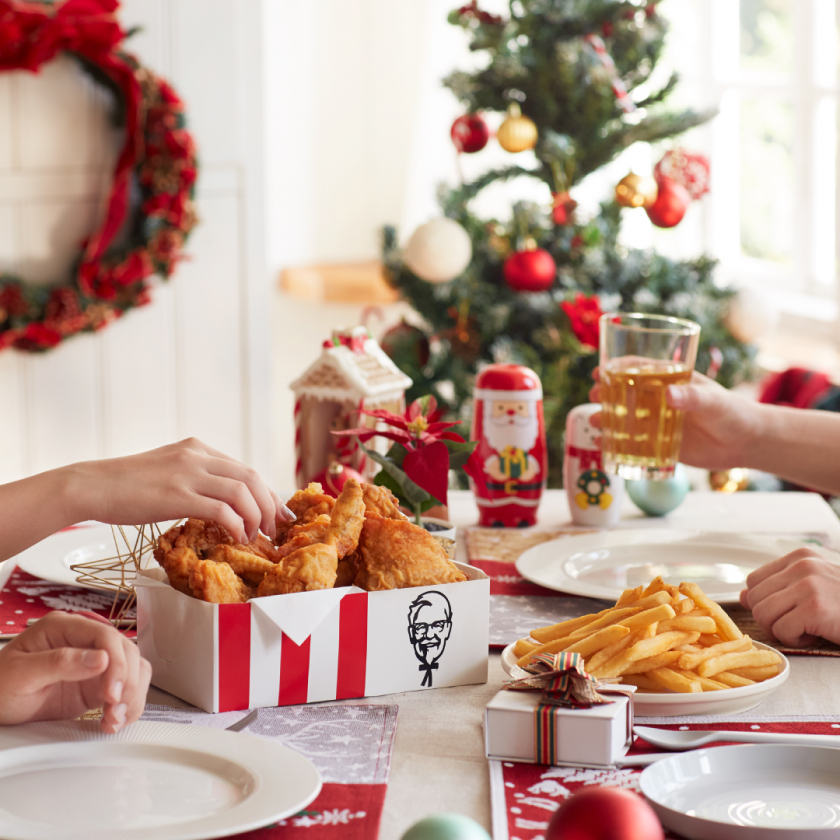
KFC fried chicken is a traditional Japanese dish enjoyed during Christmas.
The reason why this seemingly unconventional dish holds such a special place for the Japanese people is due to KFC's brilliant marketing strategy throughout the 1970s. At that time, Japan had many different traditional Christmas dishes. And KFC spearheaded that trend by telling consumers, "This is what you should do at Christmas." This marketing campaign was so successful that KFC fried chicken became a traditional Christmas Eve dish for Japan.
Virtue
Unlike in Japan, where fried chicken reigns supreme, in Germany, roast goose and red cabbage are the kings of the feast. Legend says that those who don't have a full Christmas dinner will face bad luck. Therefore, on this day, everyone allows themselves to eat a little more, and they don't forget to enjoy a few slices of stollen, also known as German Christmas bread, filled with dried fruit.
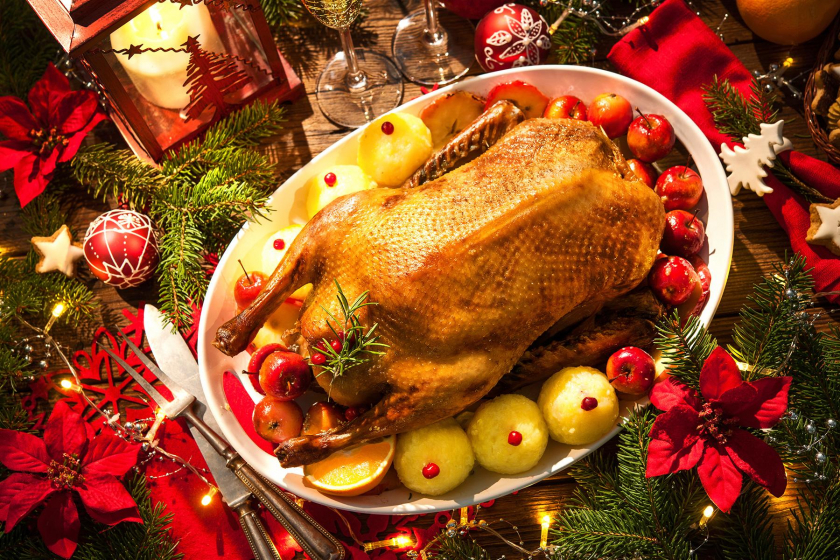
Roast goose is a staple dish on Christmas Day in Germany.
Goose meat has been a traditional Christmas dish around the world since the Middle Ages. Originally associated with St. Thomas Martin's Day, it has now become an integral part of the Christmas meal. The dish is stuffed with apples, chestnuts, onions, and dried plums, then seasoned with wormwood and marjoram, and finally enjoyed with red cabbage, dumplings, gravy, and sauerkraut. The oldest known recipe for this dish comes from a cookbook published in 1350, called Das Buch von guter Speise.
Poland
Unlike other countries, in Poland there will be no roast meat or turkey on the table on Christmas Eve because it is a day of fasting. No one will eat anything until all family members break the Christmas cake together and exchange wishes for health and prosperity.

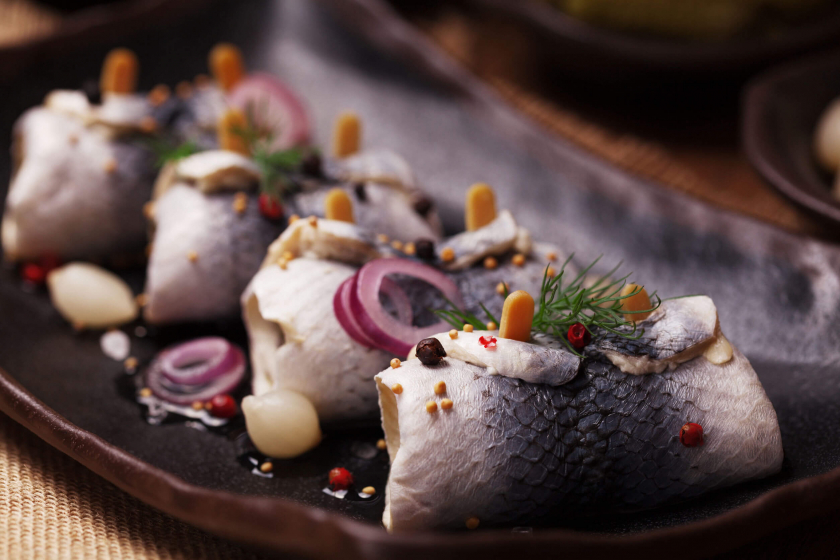
Herring in wine sauce
This particular country's Christmas Eve meal features fish prepared in various ways, such as fried or stuffed carp, herring in cream or wine sauce, accompanied by fruit preserves, vegetable salad, steamed potatoes, and traditional Polish pastries. Because the country is predominantly Muslim, meat is strictly forbidden on this day.
Shirt
On Christmas Eve, December 24th, Austrians typically have a light dinner of traditional soup with sausages, roasted potatoes, and sauerkraut. They don't hold a Christmas lunch until December 25th, which includes roast goose stuffed with red cabbage, fish (especially carp), and other dishes, gathering with family.
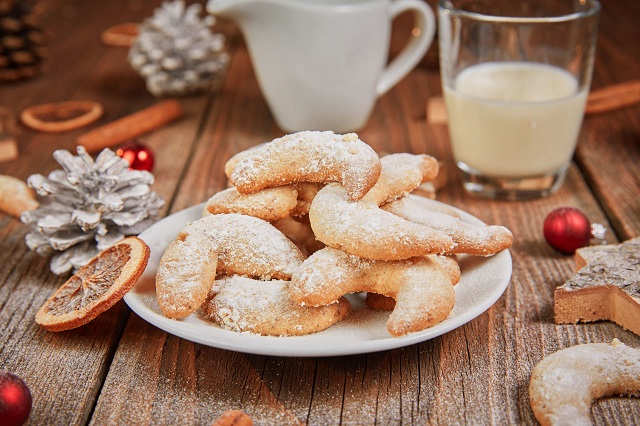
Vanillekipferl is a popular vanilla-flavored cookie with a crescent moon shape.
Vanillekipferl (vanilla croissants) are an indispensable part of the Austrian Christmas tradition. These are small, crescent-shaped almond cookies coated in vanilla sugar. These charming cookies are extremely popular among Austrians.
Peru
Peruvian Christmas cuisine is a blend of Argentinian and American, British, and French flavors, with the main dish being turkey stuffed with beef and peanuts. Notably, Peru places great emphasis on decorating Christmas dishes; therefore, the stuffed turkey is often garnished with slices of fresh pineapple and cherries. It's often accompanied by roasted potatoes and a delicious apple sauce, adding a unique touch to Peruvian cuisine.
Older brother
Originating in England in the 14th century, Christmas pudding is derived from a "frumenty" made from fruit, oats, nuts, and beef or sheep kidney fat. Traditionally, it was served as a quick meal for about five weeks before Christmas to prepare for Advent. The heavy portion was also mixed with wine, then steamed or boiled. Stirring the mixture was often considered a sign of good luck for all family members. By stirring the mixture well, they could achieve their wishes.
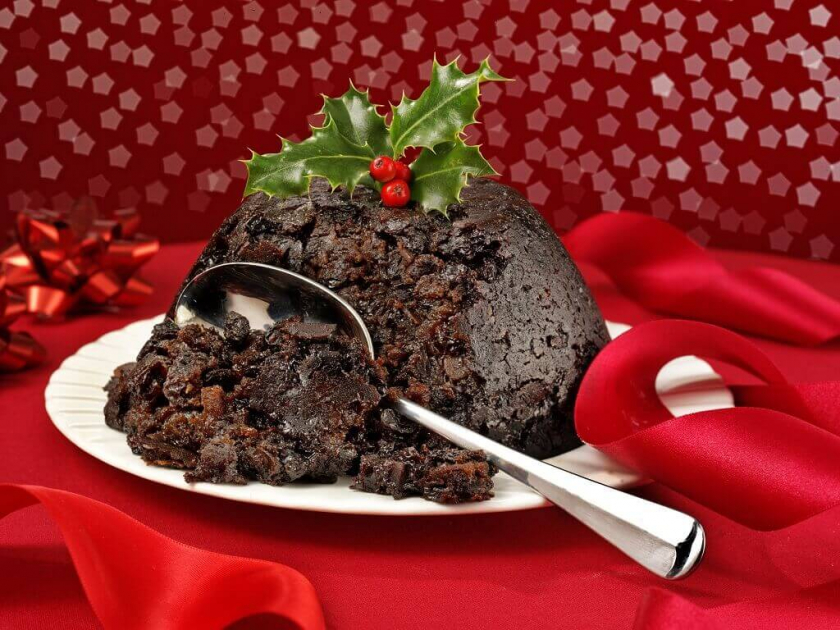
Christmas pudding originated from a "frumenty" made from fruit, oats, nuts, and beef or lamb kidney fat.
This Christmas pudding was then stirred up with various other things. Silver coins, cacti, silver bangles, and rings were all believed to bring good luck, prosperity, and even marriage to those fortunate enough to find them. Today, you would be hard-pressed to find any of these items added to a store-bought Christmas pudding.
France
Unlike the English, who start their meals early, the French have their Christmas dinner at midnight, and that meal is called Le Réveillon. The main course at this time is pork with sauerkraut or roasted goose stuffed with chestnuts.
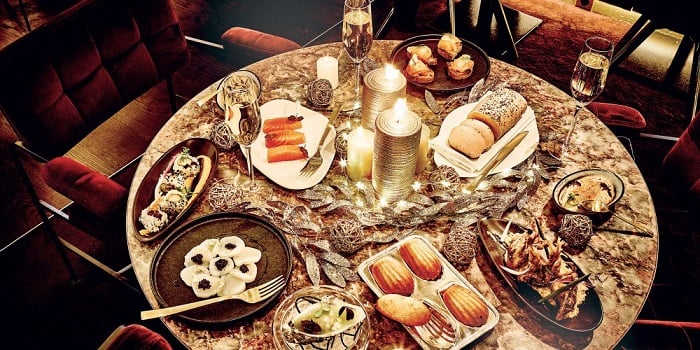
Christmas dinner table in France
Furthermore, Coquilles Saint-Jacques is an indispensable dish at French Christmas celebrations. The dish is made with scallops, butter, herbs, and served in their shells. It is served with champagne or wine; and the dessert at the end of the meal is a special cake similar to panettone.
Russia
In many Russian families, Christmas Eve dinner is also meatless because it falls during a period of fasting for Orthodox Christians. Russians often eat a dish called Sochivo, similar to Ukrainian Kutya, made from wheat, honey, poppy seeds, and dried nuts or berries. Some people enjoy Aspic (fish jelly) on this holiday, while meat-eaters savor roasted goose or pork.
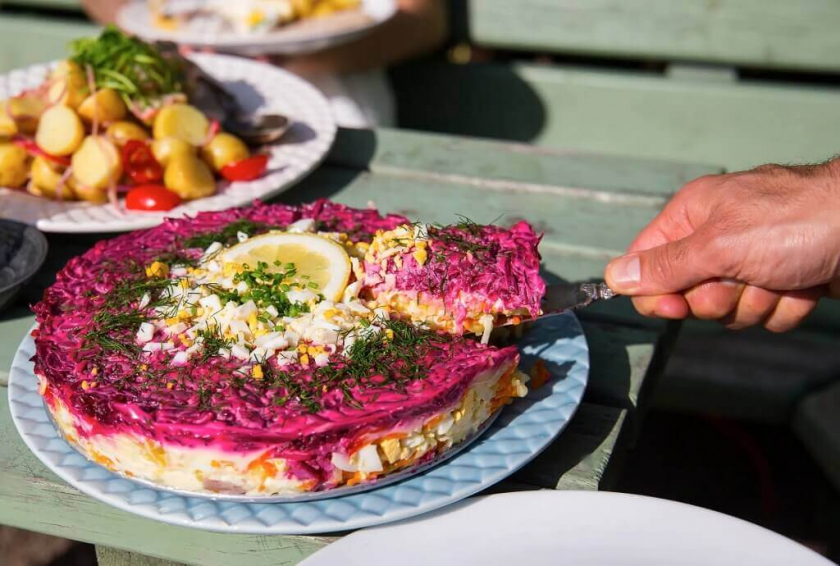
Selyodka pod shuboy, a Russian drink.
Selyodka pod shuboy is a layered salad that is popular among Russians during the Christmas and New Year holidays. Not only is it visually appealing and colorful, but it also has a whimsical name, meaning "herring under a fur coat," due to its appearance suggesting layers of cloaks covering the fish. Ingredients for the salad include pickled herring, finely chopped vegetables such as beets, carrots, and potatoes, mashed eggs, and creamy mayonnaise.
Mexico
In Mexico, Christmas is not celebrated as an official holiday. Instead, January 6th is known as "Epiphany" (or El Dia de los Reyes). One of the essential traditional dishes on this day in Mexico is Bacalao. This is a cold dish consisting of cooked or fried fish mixed with vegetables and olives. Other dishes such as ham and turkey are also served at the feast.
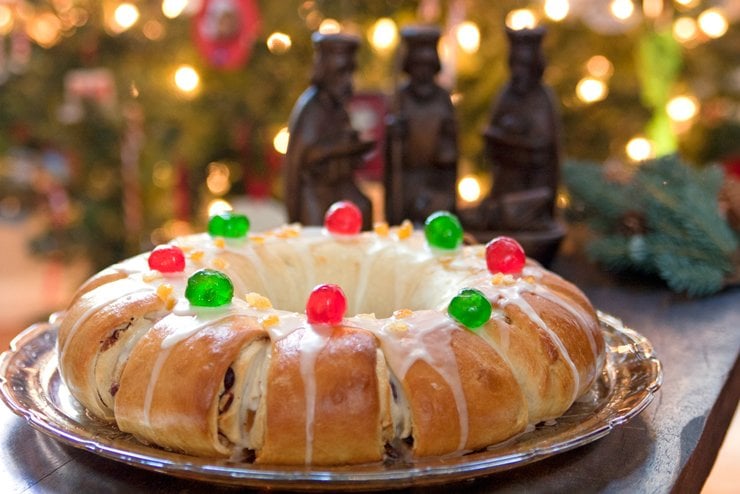
Mexican Three Kings Pie
In addition, the Three Kings pie is also an indispensable part of Mexican culture. The pie often contains a small figurine (a baby, representing Jesus) hidden inside. The person who finds the figurine is believed to receive good fortune and blessings from God for the year and is called "Godparent".
Sweden
Like many other Nordic countries, Sweden also celebrates Christmas dinner in the style of ancient feudal lords. The dishes, called julbord, include a full range of traditional foods such as pickled herring, salmon, and meatballs, along with side dishes like bread, liver pâté, beetroot salad, cheese, and cabbage. This meal is said to be a celebration after a period of fasting from the beginning of Advent until Christmas Eve.