VI
VI


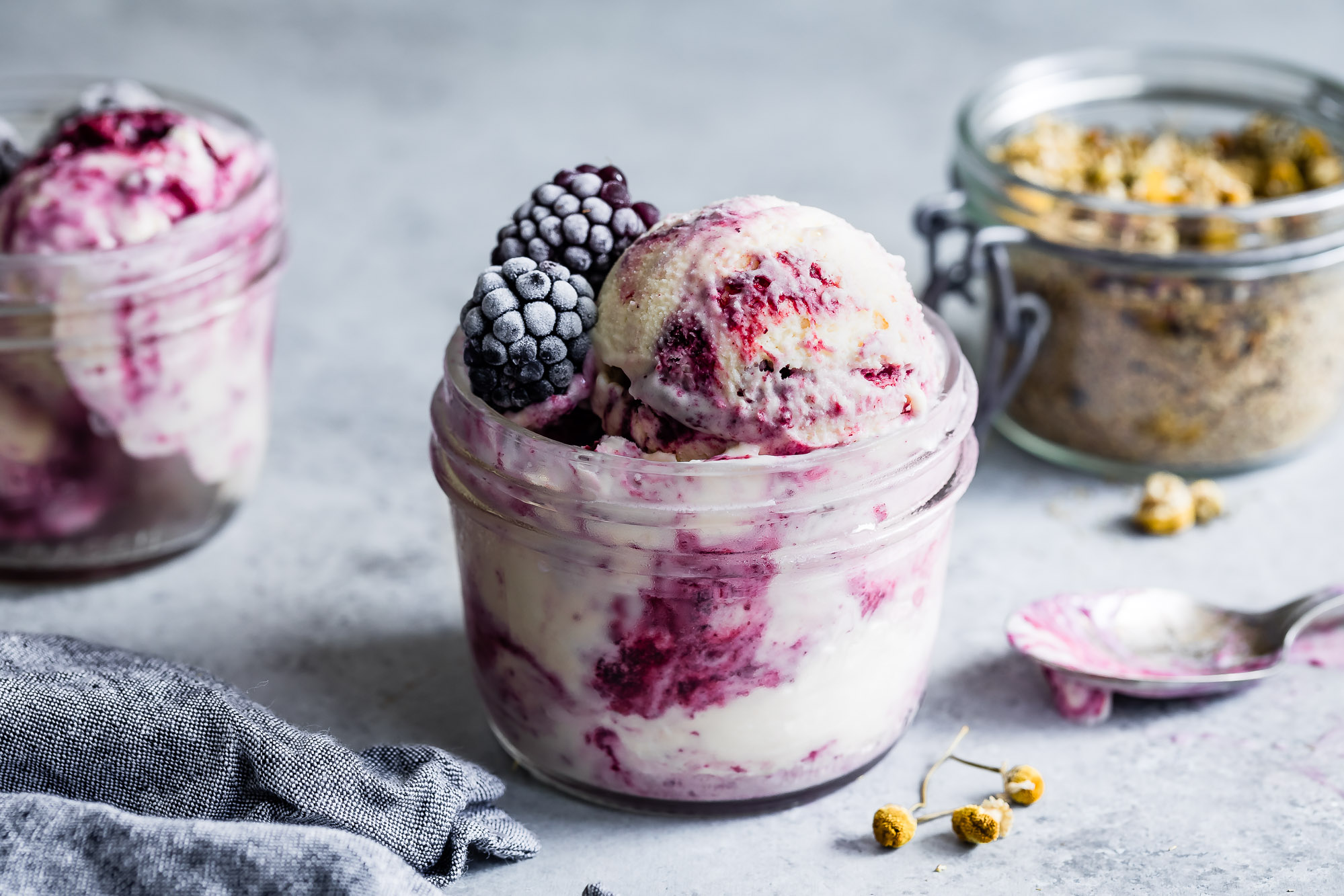
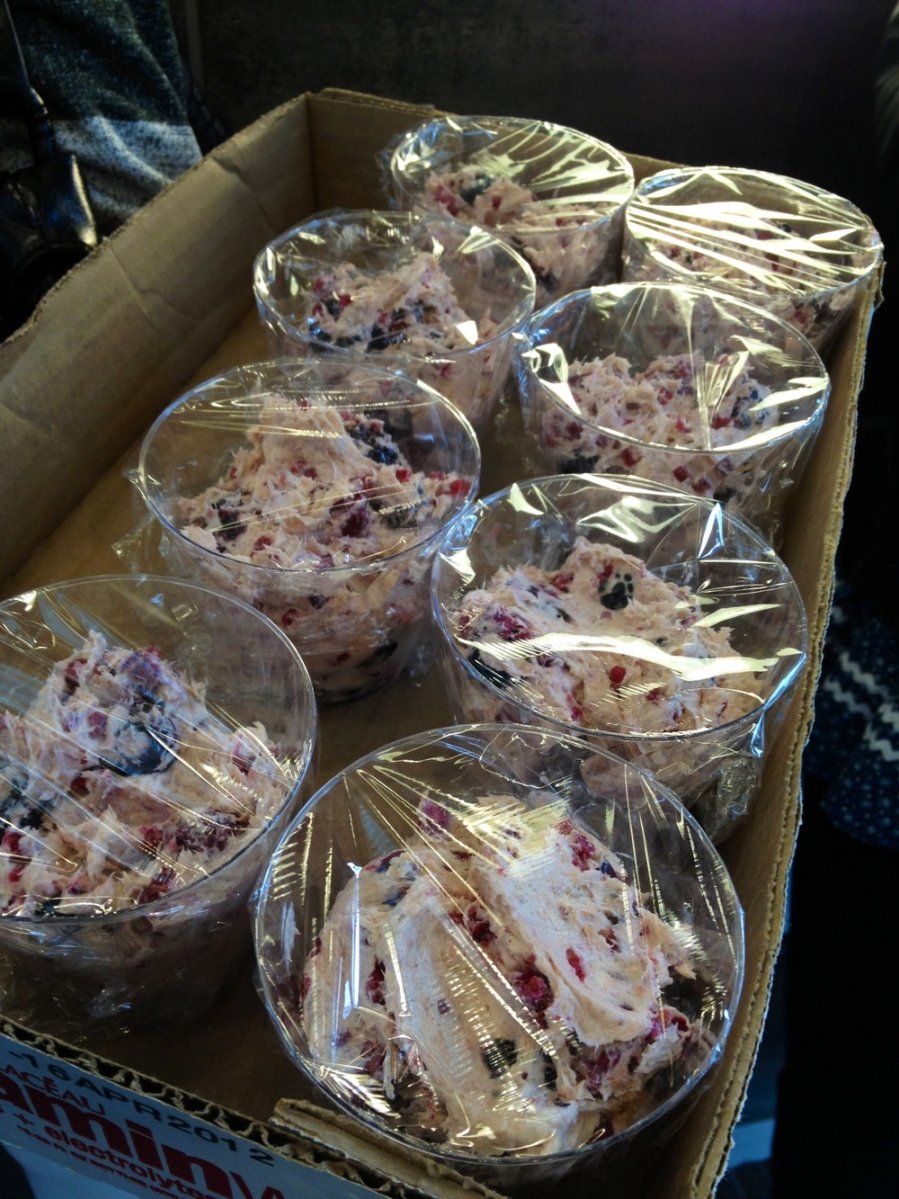
The Eskimos are an indigenous people living in the icy regions of Eastern Siberia (Russia), through Alaska (USA), Canada, and Greenland. The frigid weather and low temperatures in Alaska have given rise to many unique dishes, including Akutaq ice cream. In the indigenous language of this region, Akutaq means "to combine them together." Akutaq ice cream combines animal fat and snow to create a nutritious food that the Eskimos can take with them when hunting.
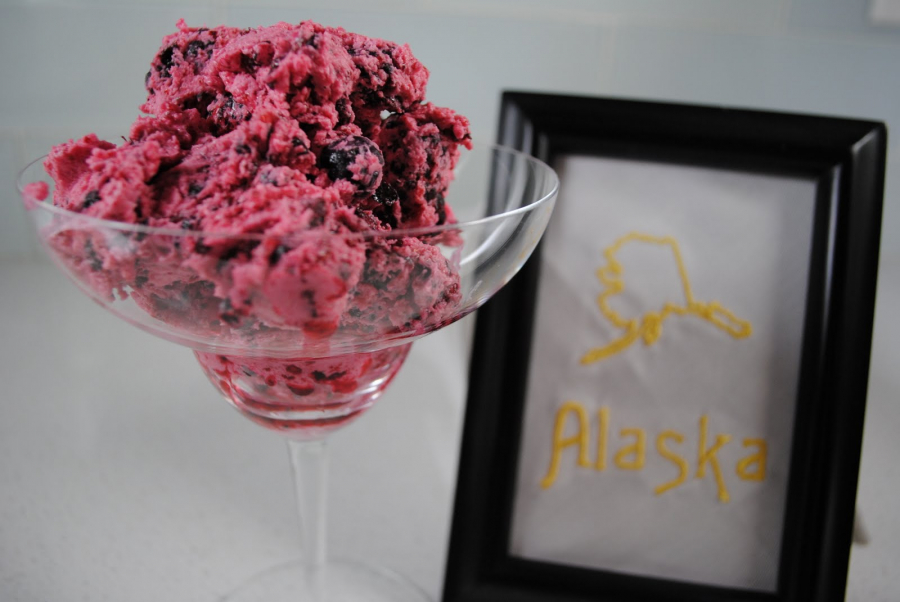
The ingredients of ice cream typically include animal fat, such as from reindeer, seals, or fish found on the ice, mixed with freshly fallen snow and juicy fruits. Each Eskimo family has its own unique ice cream recipe, which they take pride in. The animal fat is the key ingredient that makes this ice cream so special and one-of-a-kind.
Although the ingredients may sound unappealing, this is a traditional dish of the Eskimo people because it provides a lot of energy, helping them withstand the cold weather.

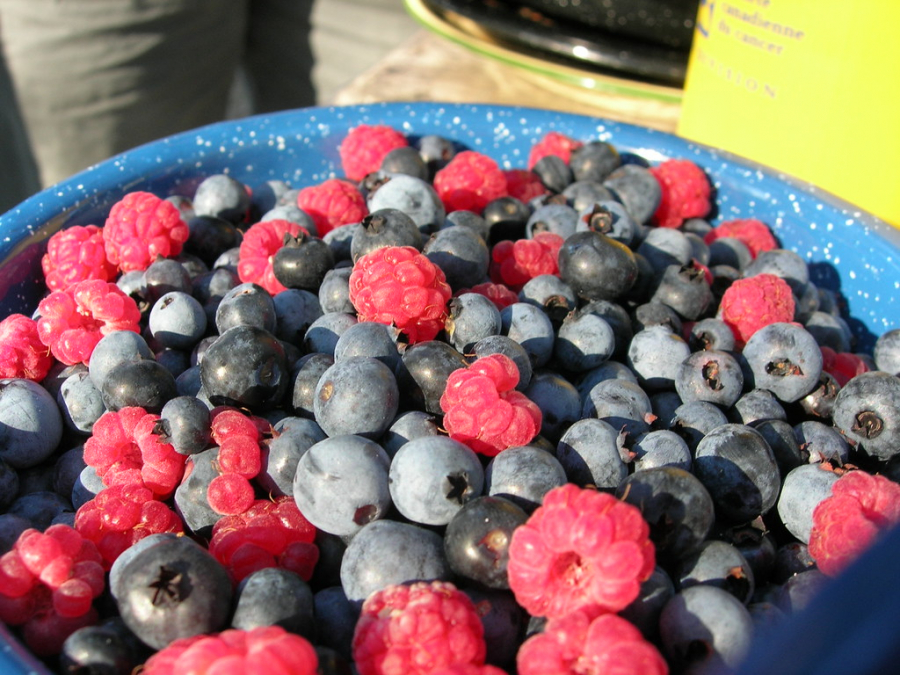
Akutaq is made from animal fat, freshly fallen snow, and berries.
After the first hunting season of the year, once they have animal fat as an ingredient, Eskimo women begin making ice cream. Animal fat and snow are placed in a large bowl, and the mixture is continuously stirred and mixed by hand until the fat softens and melts. Then, fruits, sugar, and olive oil are added, and the mixture is stirred again until the ice cream becomes smooth. Because of the meticulous process involved, Eskimos usually make a large quantity to store and use gradually.
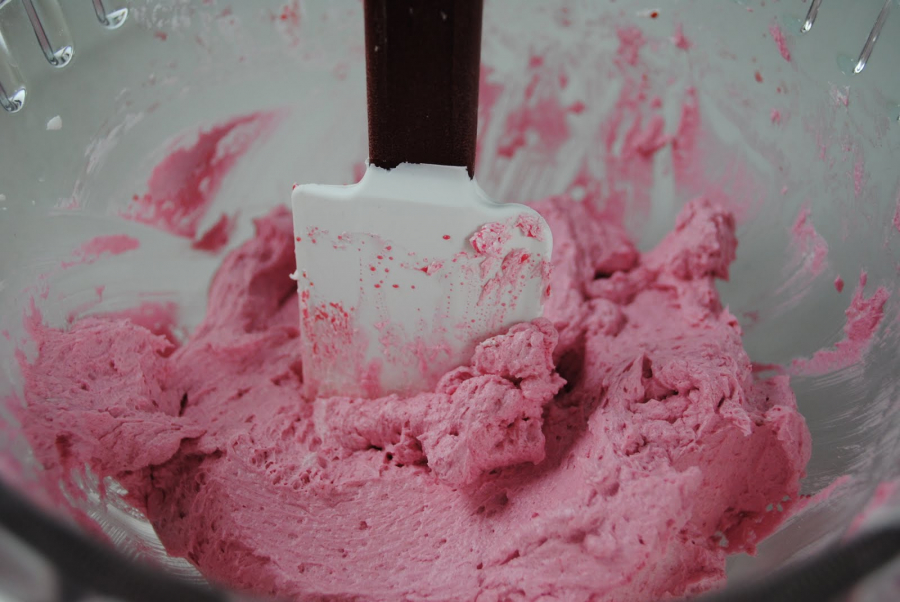
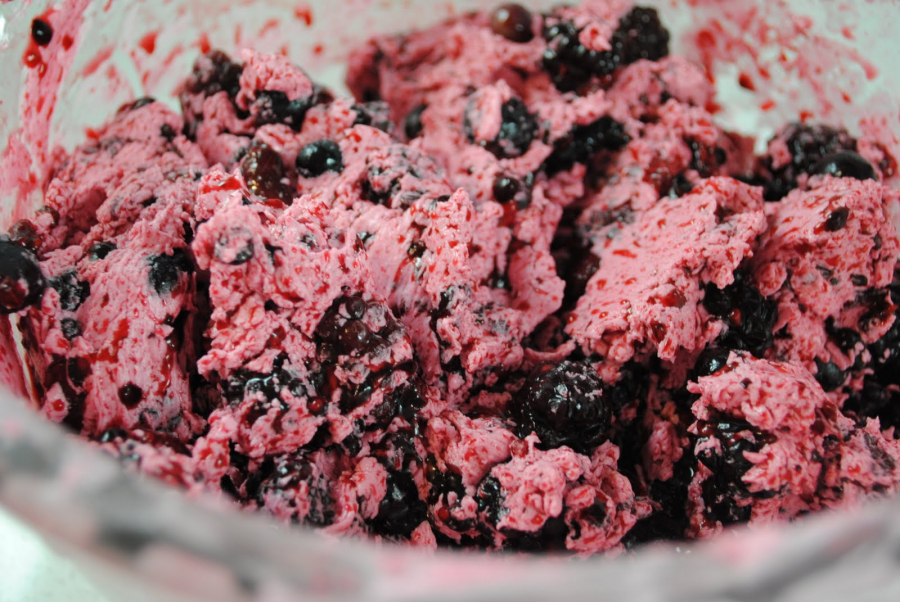
This special ice cream provides healthy omega-3 fatty acids, vitamins C and D, and iron, helping the Eskimos stay healthy and overcome the harsh cold characteristic of this region.
Akutaq ice cream is a traditional dish that is always present at major and special occasions. Akutaq ice cream can be served as a dessert during a main meal or spread on bread as a snack.
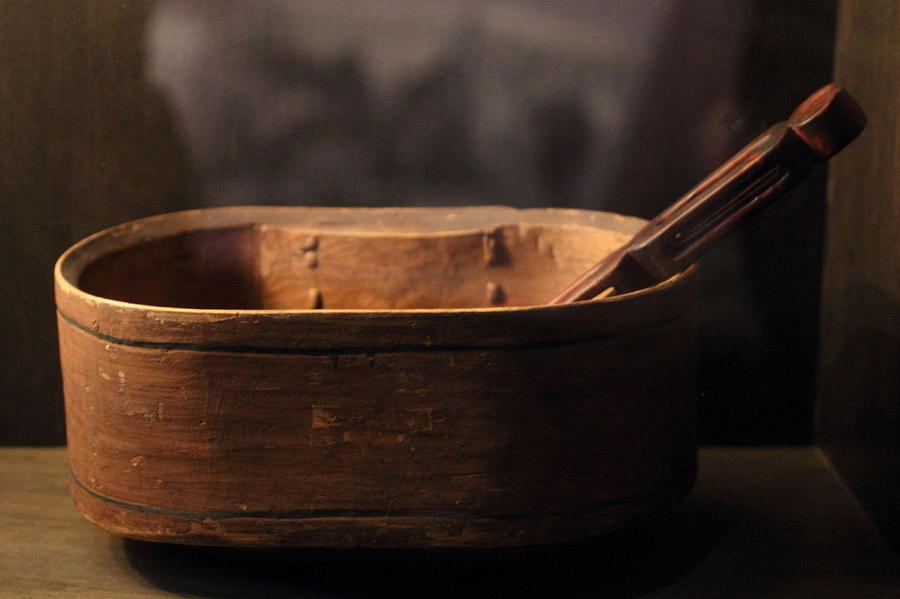
A traditional wooden bowl used by the Eskimos to mix ice cream.
Indigenous people in Alaska enjoy serving Akutaq ice cream to newcomers as a way of sharing their culture. The ice cream has a naturally creamy texture, and thanks to the fresh, juicy fruit, it doesn't have the strong greasy smell one might expect. Most people who try it are impressed by this traditional Alaskan Eskimo treat.

Today, this type of ice cream is widely sold on the streets from mobile ice cream carts.
Nowadays, to make ice cream more popular and accessible to a wider audience, instead of using animal fat, people have started using shortening – a solid fat produced from vegetable oils such as soybean oil, cottonseed oil, sugar, and raisins – to make ice cream. Although the flavor is not as authentic as the original, it is still a treat well worth trying.