VI
VI


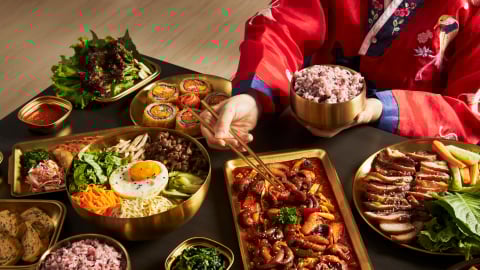
Banchan (side dishes) are considered the "ecosystem" that creates the perfection of a Korean meal. It's often said that by looking at the variety of banchan dishes on the table, you can judge the sophistication and hospitality of the host. However, Korean cuisine is not just about traditional kimchi. Behind the name "side dish" lies a treasure trove of rich flavors, reflecting the geography, climate, and profound nutritional philosophy of the Korean people. In particular, the Jeolla region – the "culinary capital" of the South, with its fertile fields and long coastline – is the birthplace of some of the most luxurious banchan feasts.


Banchan (bansang or panchan) is the general term for side dishes, mainly made from vegetables, served in small plates as part of a Korean meal. Typically, Korean restaurants offer an unlimited variety of banchan. With their vibrant colors and diverse ingredients, banchan are not only nutritious but also enhance the flavor of the main course, elevating the dining experience.
Banchan means side dishes, but in traditional Korean cuisine, they are considered an essential part of every meal, often serving as appetizers before the main course. Banchan also reflects the uniqueness and generosity of Korean cuisine, as diners can request more continuously until the end of the meal if they finish it. The more formal the meal, the more types of banchan there are.

Historically, banchan was influenced by Buddhism and the ideology of the Three Kingdoms period. At that time, Buddhism was considered the main religion and a tool for controlling the country. According to Buddhist principles, people did not consume meat in their meals, so vegetables became an essential food source.
Initially, vegetable dishes helped people stave off hunger, but later they became delicacies offered to the emperor. When the Mongol invasion ended, the ban on meat was lifted, and meat gradually reappeared in Korean meals. However, banchan (side dishes) did not disappear but transformed into many more appealing and diverse dishes.
Banchan comes in many varieties, and the quantity can vary according to diners' preferences or the serving style of each restaurant in each country. These side dishes are made from a variety of vegetables, meats, seafood, and ingredients ranging from savory to sweet, sour, and spicy.

Kkomak Muchim
When talking about the coastal cuisine of Jeolla, one cannot overlook Kkomak muchim (a flavorful razor clam salad). Small, firm razor clams are harvested from the famous Beolgyo mudflats in Boseong County – a place with an ideal natural environment. After cleaning, the clams are blanched briefly in boiling water to preserve their delicate sweetness and characteristic crunchy texture, then coated in a burst of spicy and sour sauce. Locals often describe this dish as "the taste of the sea" because of its freshness and rich flavor, making it an irreplaceable source of pride on the South Korean dinner table.

Hongeo Muchim
Hongeo muchim (fermented stingray mixed with spices) – a delicacy considered a test of courage for diners seeking to explore the depths of Korean cuisine. The naturally fermented stingray emits a distinctly strong aroma, combined with the crispness of radish, the spiciness of garlic, and chili powder to create a powerful umami flavor. In Jeolla Province, hongeo muchim is not just a dish but also a symbol of luxury, frequently appearing at weddings, engagement parties, and important traditional festivals.

Gulbi Jorim
Another source of Korean pride is Gulbi jorim (dried yellow croaker fish stewed or grilled). Yellow croaker is a prized delicacy, often given as a gift during major holidays. With its distinctive salty flavor and firm, sweet flesh, Gulbi is usually eaten in small pieces with white rice to balance the taste. If you love a crunchy texture, Gim jaban bokkeum (stir-fried shredded seaweed) is the perfect choice. Dried seaweed is stir-fried with soy sauce, sugar, and sesame oil until crispy, offering a harmonious sweet and salty flavor. It's a "national dish" always found in the kitchens of every Korean family.

Gim Jaban Bokkeum
If you love simple yet appealing dishes, gim jaban bokkeum (stir-fried shredded seaweed) is the perfect choice. Dried seaweed is shredded and stir-fried with soy sauce, sugar, and sesame oil until crispy and fragrant. This is a "national dish" always found in the kitchens of every Korean family. The harmonious blend of salty and sweet flavors, combined with the crunchy texture when eaten with hot rice, creates an irresistible appeal, especially for children and busy people.

Musaengchae
Unlike kimchi, which requires a long fermentation time, musaengchae (spicy radish salad) offers the vibrant freshness of vegetables just picked from the garden. White radishes are thinly sliced and mixed with chili powder, vinegar, garlic, and sugar to retain their juiciness.

The tangy and slightly spicy flavor of musaengchae acts as an excellent catalyst, stimulating the taste buds and effectively preventing satiety when served with BBQ grilled meats or rich, fatty stews.
Maneuljjong Muchim
Similar to the refreshing taste of radishes, maneuljjong Muchim (seasoned garlic stems) with its characteristic crunchiness is an indispensable side dish in family meals. The chopped garlic stems are mixed with a naturally spicy sauce, creating an explosion of flavor. It's an ideal companion for hearty dishes, balancing the palate and enriching the culinary experience. The natural antibacterial properties of garlic also make this dish a great health choice.

Gat Kimchi
If you're looking for a more unique experience, try gat kimchi (mustard green kimchi) from the picturesque coastal region of Yeosu. This type of kimchi uses mustard greens with a distinctive, pungent spiciness similar to wasabi, combined with a deep sourness thanks to the fermentation process in the unique coastal climate. Yeosu gat kimchi has long been a famous brand throughout Korea, captivating even the most discerning diners with its bold and strong flavor.

Ueong Jorim
Meanwhile, ueong jorim (braised burdock root) offers a different, more subtle and profound experience. Thinly sliced burdock root is simmered in a mixture of soy sauce, Mirin rice wine, and sugar until tender and glossy.
This Banchan is not only a delicious dish with a sweet and slightly salty flavor, but also a valuable medicinal ingredient in traditional Korean medicine, renowned for its ability to cleanse the body and boost the immune system.

Ojingeochae Muchim
It would be a mistake to ojingeochae muchim (spicy shredded dried squid salad) on this list. Each chewy, delicious strand of dried squid is soaked in a sweet and spicy gochujang sauce. This dish is not only a frequent item in school lunch boxes but also a very popular "anju" (appetizer) at pubs in Seoul and Busan. The chewiness of the squid combined with the spicy kick of the chili peppers creates an incredibly enjoyable and addictive taste experience.