VI
VI


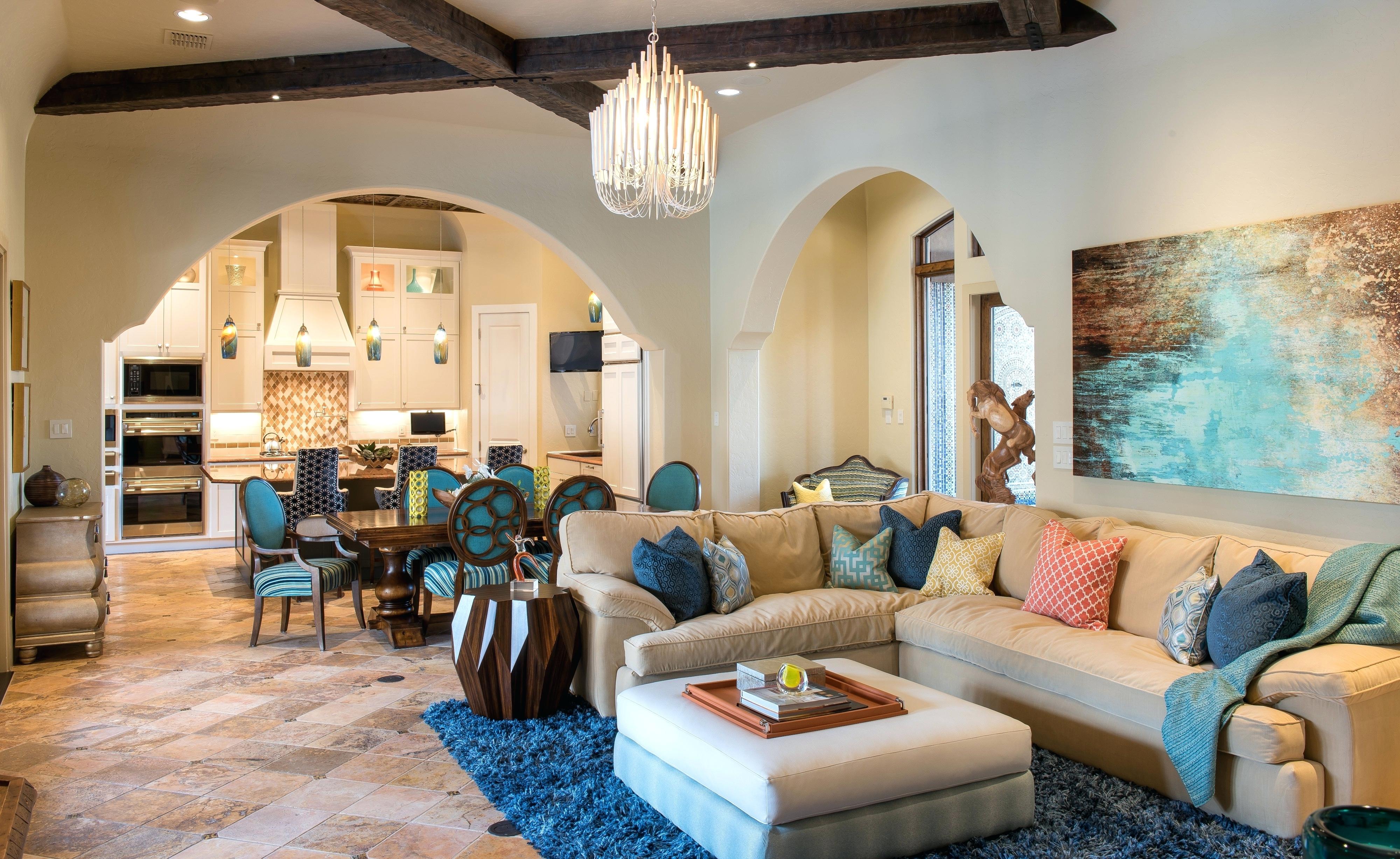
Recently, Moroccan style has become one of the most popular styles among design professionals and is trending towards becoming the hottest style today. This architectural style is quite common and appears mainly throughout the Arabian Peninsula, North Africa, and the Iberian Peninsula.
Living room
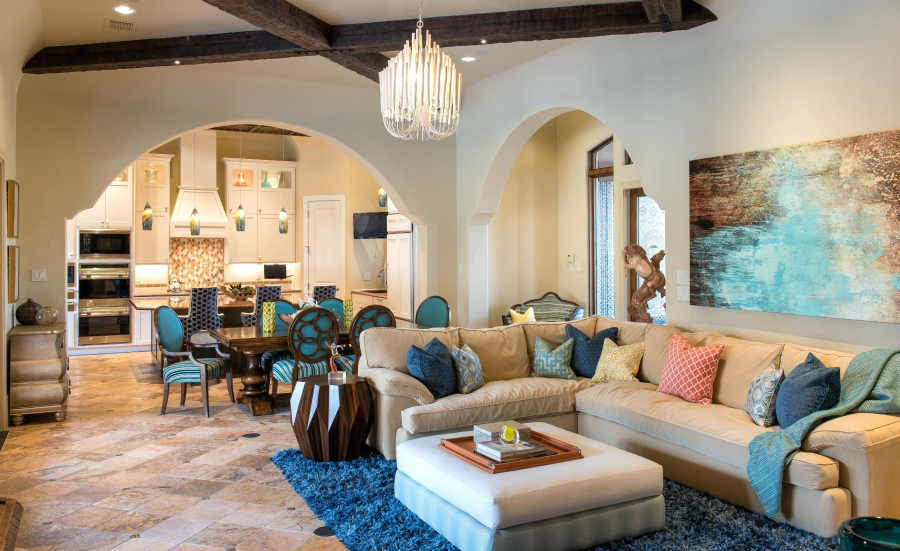
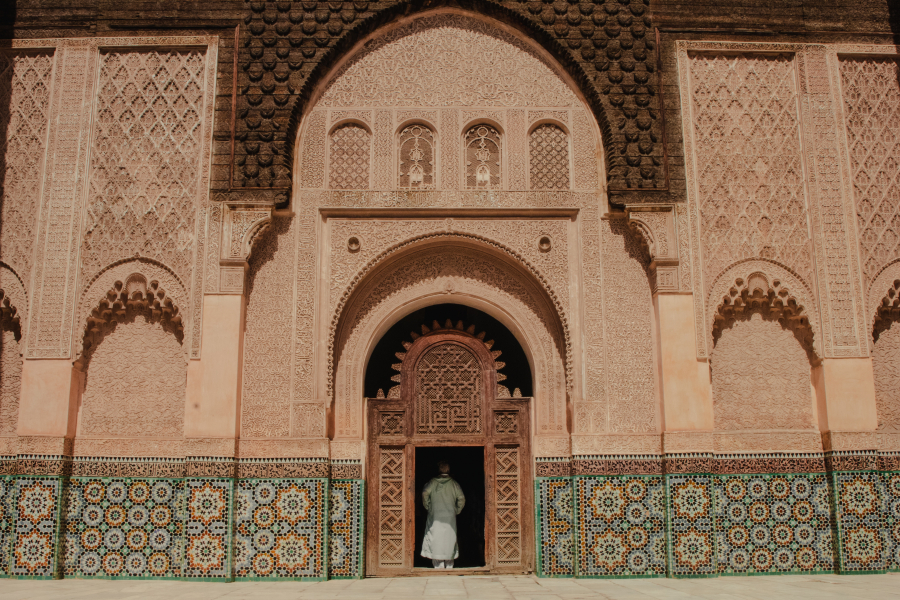
In Moroccan style, the living room is given the most attention because it is the space where the homeowner can show hospitality and also promote the unique cultural aspects of this style. The living room typically features a long, continuous row of sofas placed against the wall, with a table opposite the seating. The furniture is usually upholstered in leather and decorated with warm, vibrant colors. Square cushions with characteristic Arabian patterns are often placed on the sofas to add visual appeal.
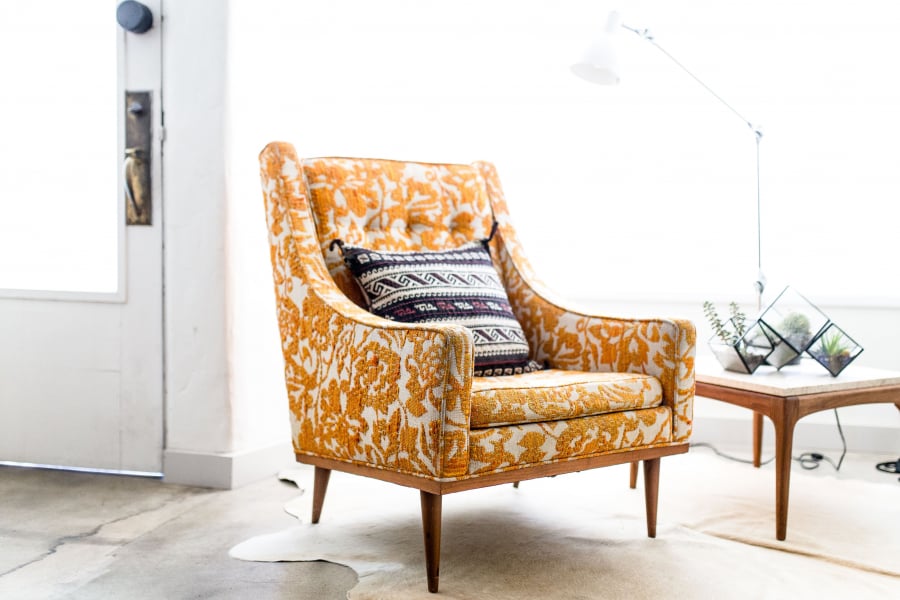
Additionally, the living room is decorated with ceramics, textiles, embroidery, and lanterns; most of the lamps and lanterns in Moroccan design are handmade and emit a soft light, making the house feel warm and mysterious.
Brick

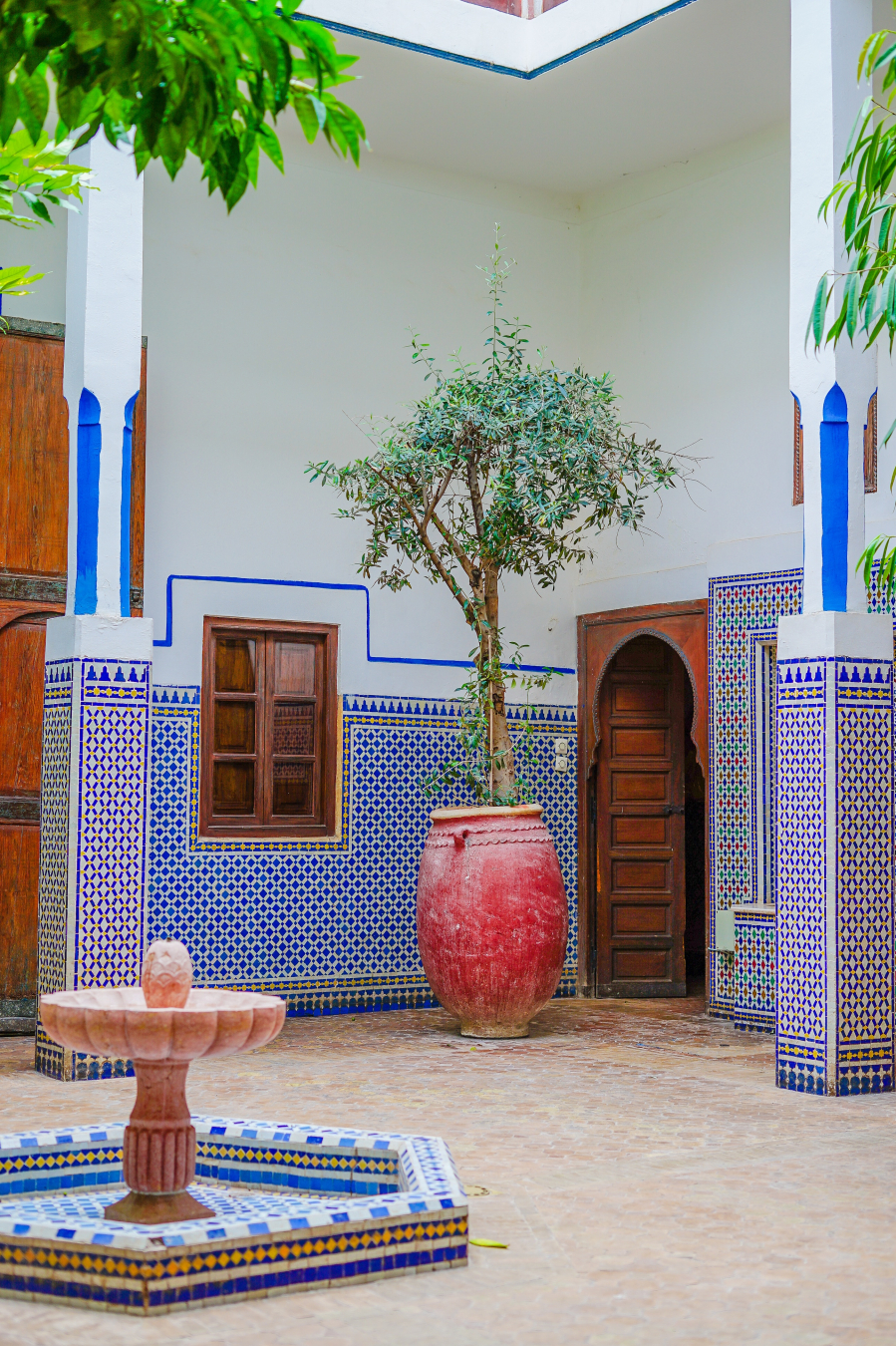
Tiles are a hallmark of Moroccan style. They typically feature cool tones, primarily shades of blue (green or turquoise), which complement the decorative details of the space.
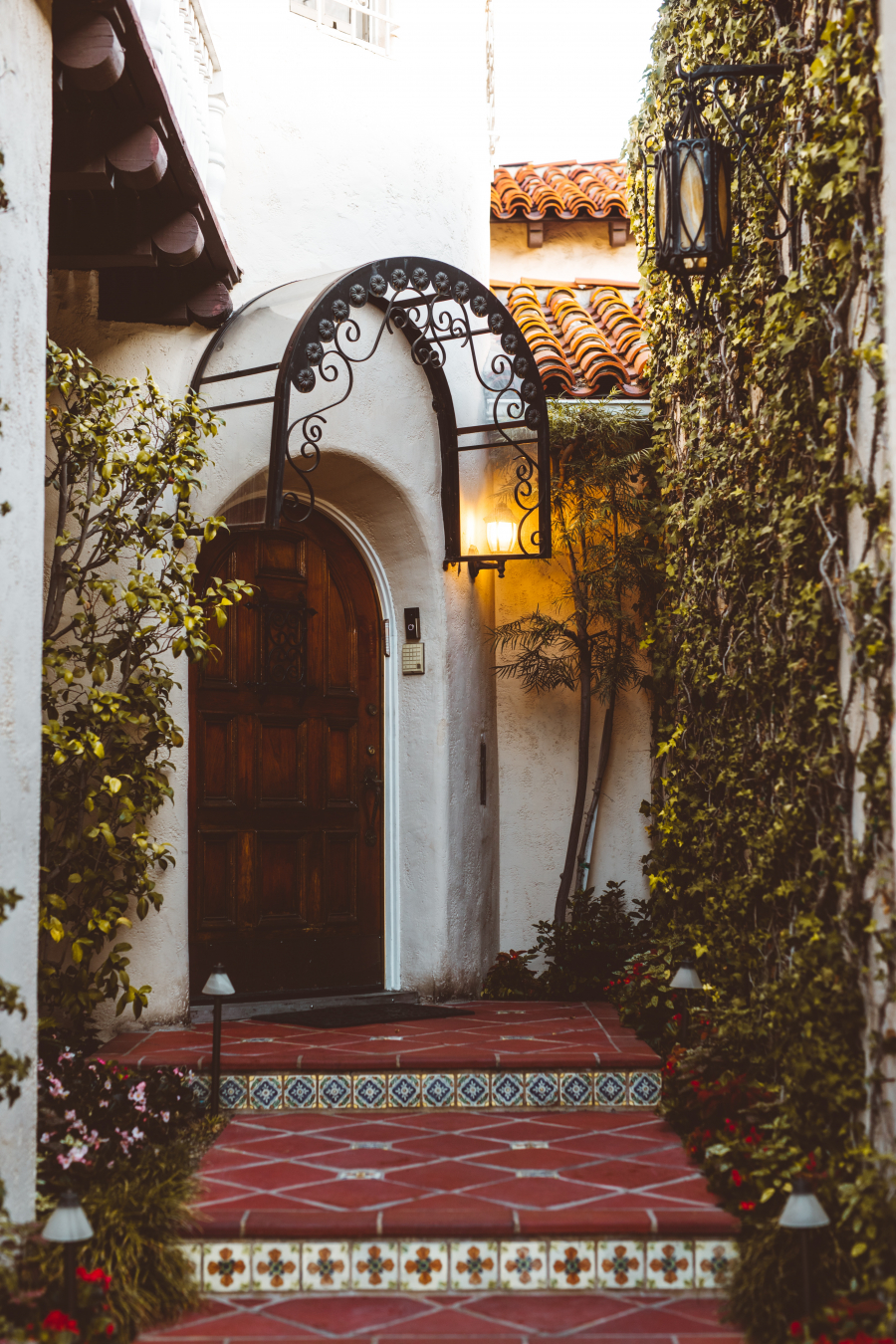
Especially floor tiles. Tiles are also used for wall cladding with impressive decorative patterns and colors, creating a very unique style. In addition, brightly patterned ceramic tiles are frequently used when designing in this style.
Color
One of the most distinctive features of Moroccan style is its use of color.
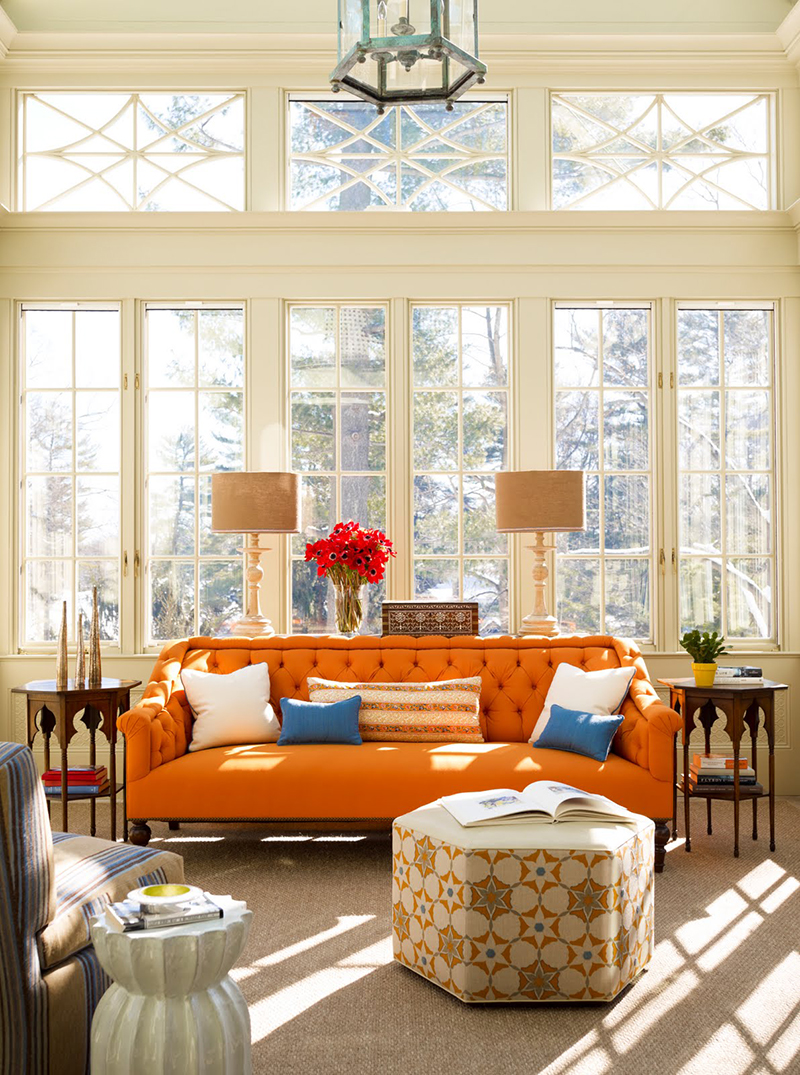
The color palette for Moroccan style can reflect the colors of the earth, warmth, or the stunning hues of a sunrise, combined with vibrant turquoise. Rich colors such as chocolate, purple, emerald green, olive, blue, silver, and amber stand out against a backdrop of wheat yellow or beige.
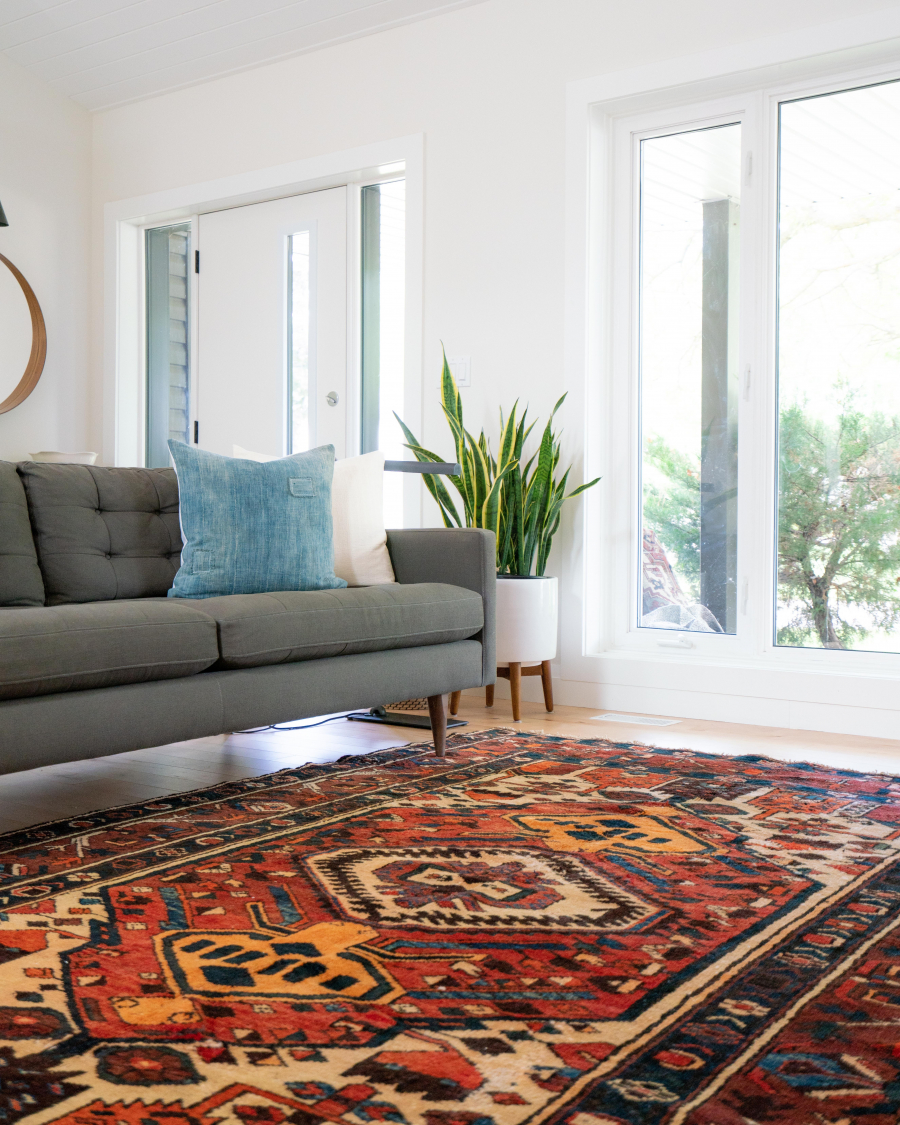
Interior
Achieving Moroccan style with its exquisitely carved and handcrafted furniture, down to the smallest detail, is no easy feat. Therefore, designers often replace the original pieces with dark wood furniture to retain the essence of this distinctive style, but with a rustic design and metal accents. This clever substitution makes the space more modern while preserving the core elements of the style.
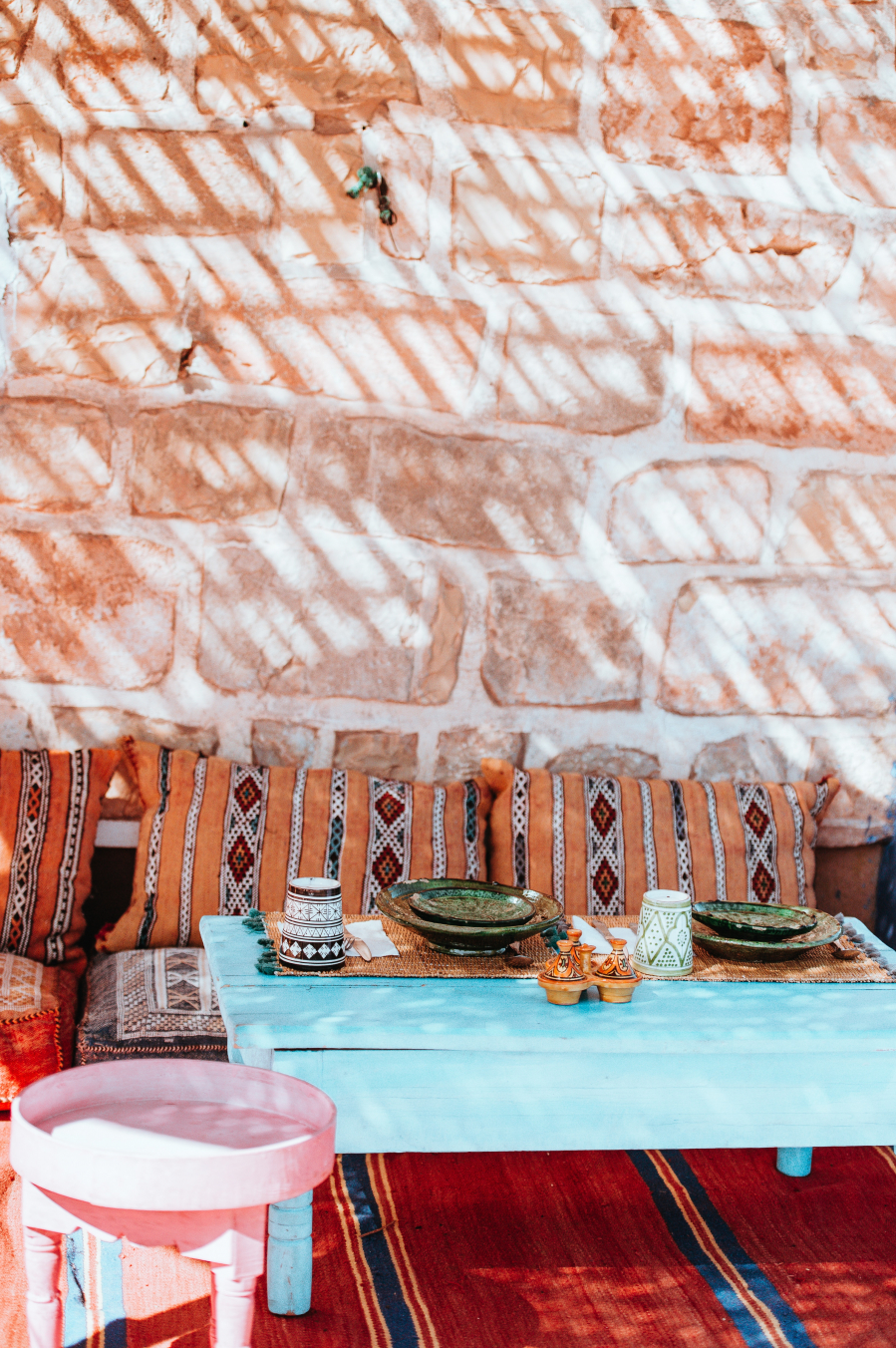
Instead of traditional floor-seating cushions, modern Moroccan-style interiors utilize sofas with legs, offering users more options when adopting this style.
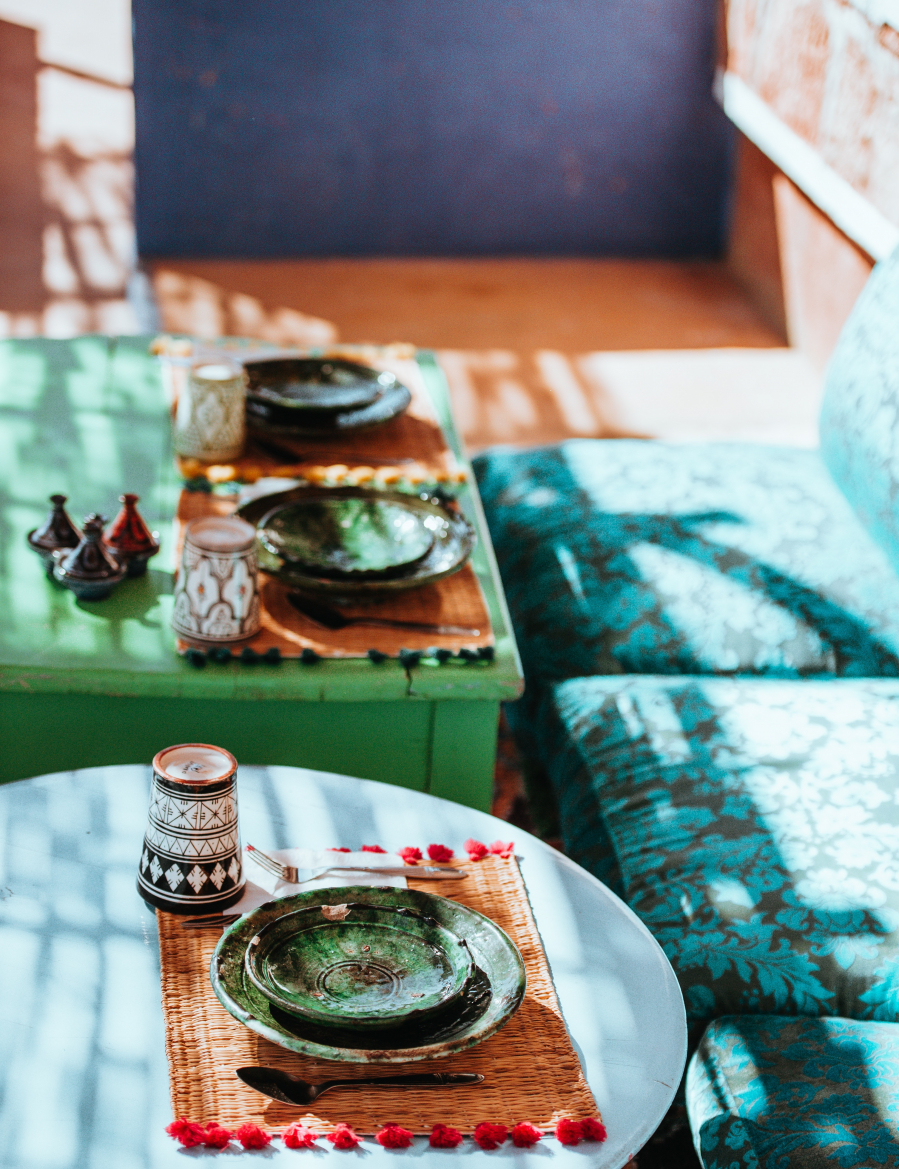
Fabrics with rich colors, intricate textures, and elaborate designs are typical of Moroccan decor. This style also favors throw pillows, cushions, rugs, curtains, and more.






.jpg.jpg)
.jpg.jpg)