VI
VI




Kengo Kuma, a Japanese architect with a passion for Andersen's fairy tales, always harbored the dream of bringing the magical world of childhood to life. After years of hard work, he finally realized his dream: building the Hans Christians Andersen Museum.
Located in Odense, Andersen's hometown, the museum covers an area of 5,000 square meters.2It is a place that recreates the life of the famous writer as well as the way he told magical stories. Two-thirds of the museum is located underground, with a garden built above like something out of a fairy tale.


The fairytale garden above the exhibition.
Along with Kengo Kuma, more than 12 international artists participated in designing the interior of the fairy tale museum. Danish author Kum Fupz Aakeson and his American colleague Daniel Handler collaborated on the museum's unique soundscape; composer Louise Alenius sought to use music to convey the stories of the Nightingale, the Snow Queen, the Ugly Duckling, and the Little Mermaid.

Artists create ways to convey stories through sound.
Installation artist Veronica Hodges presents a paper artwork inspired by the swallow in the novel *Thumbelina*. Brazilian artist Henrique Oliveira collaborates with director Timothy David Orme to create a staircase-like structure shaped like a large tree trunk, paving the way for visitors to enter Andersen's fairytale world.


The staircase is shaped like the trunk of a giant tree found in ancient forests.
The museum has a dedicated children's area, which includes a sculpture workshop called "Ville Vau," where children can create fairytale sculptures under the guidance of experts.
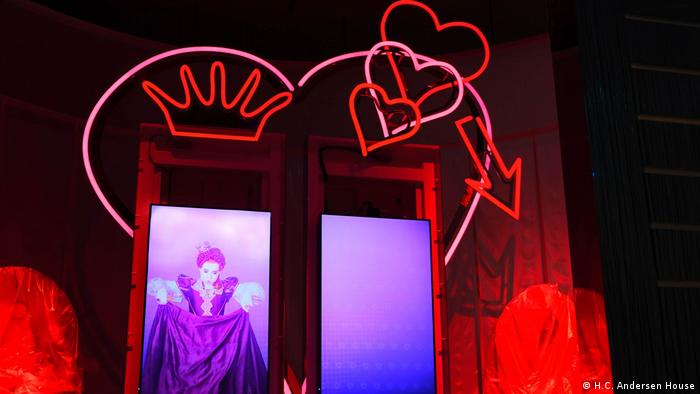
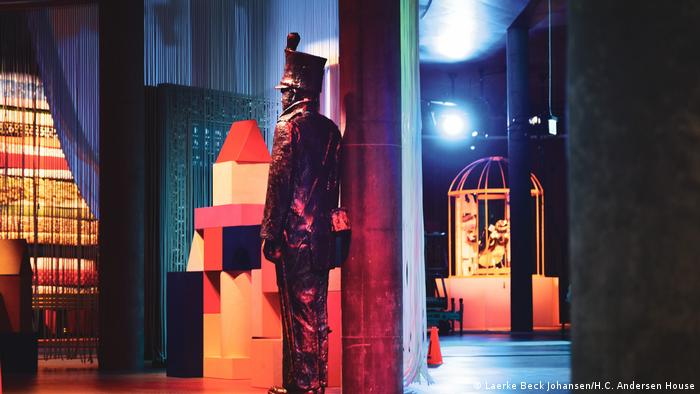

Andersen - the artist who shaped childhood for children.
Hans Christian Andersen (April 2, 1805 – August 4, 1875) was a Danish writer specializing in children's fairy tales. He wrote approximately 160 stories, published in eight volumes between 1835 and 1848, and translated into 120 languages.
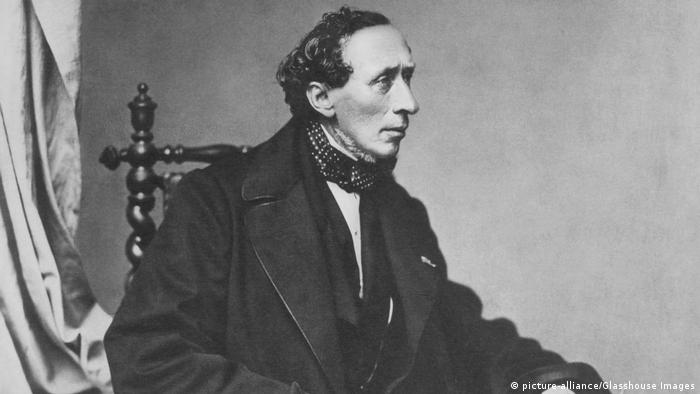
Hans Christian Anderson.
Some notable works include *The Little Match Girl*, *The Pea Princess*, *The Brave Tin Soldier*, and others.
Many of his stories have been adapted into plays, musicals, and even animated films, such as The Little Mermaid. Andersen's fairy tales have become a part of world literature today.
Besides fairy tales, Andersen also wrote poetry, plays, novels, and narrated at artistic performances… however, these works are not as famous.
One reason Andersen's stories spread so widely is because he traveled extensively. In particular, the country he spent the most time visiting was Germany. This is why he was famous in Germany before being honored in his native Denmark. By the time Andersen died, his fame had reached international levels. Shortly after his passing, the house where he was born became a popular destination for those who loved his stories.
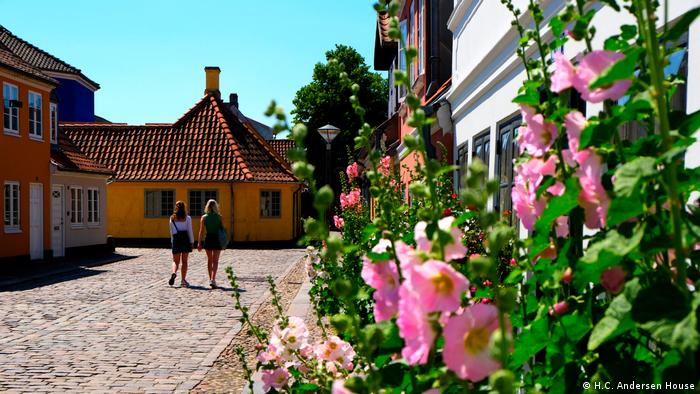
A corner of Anderson's hometown.