VI
VI


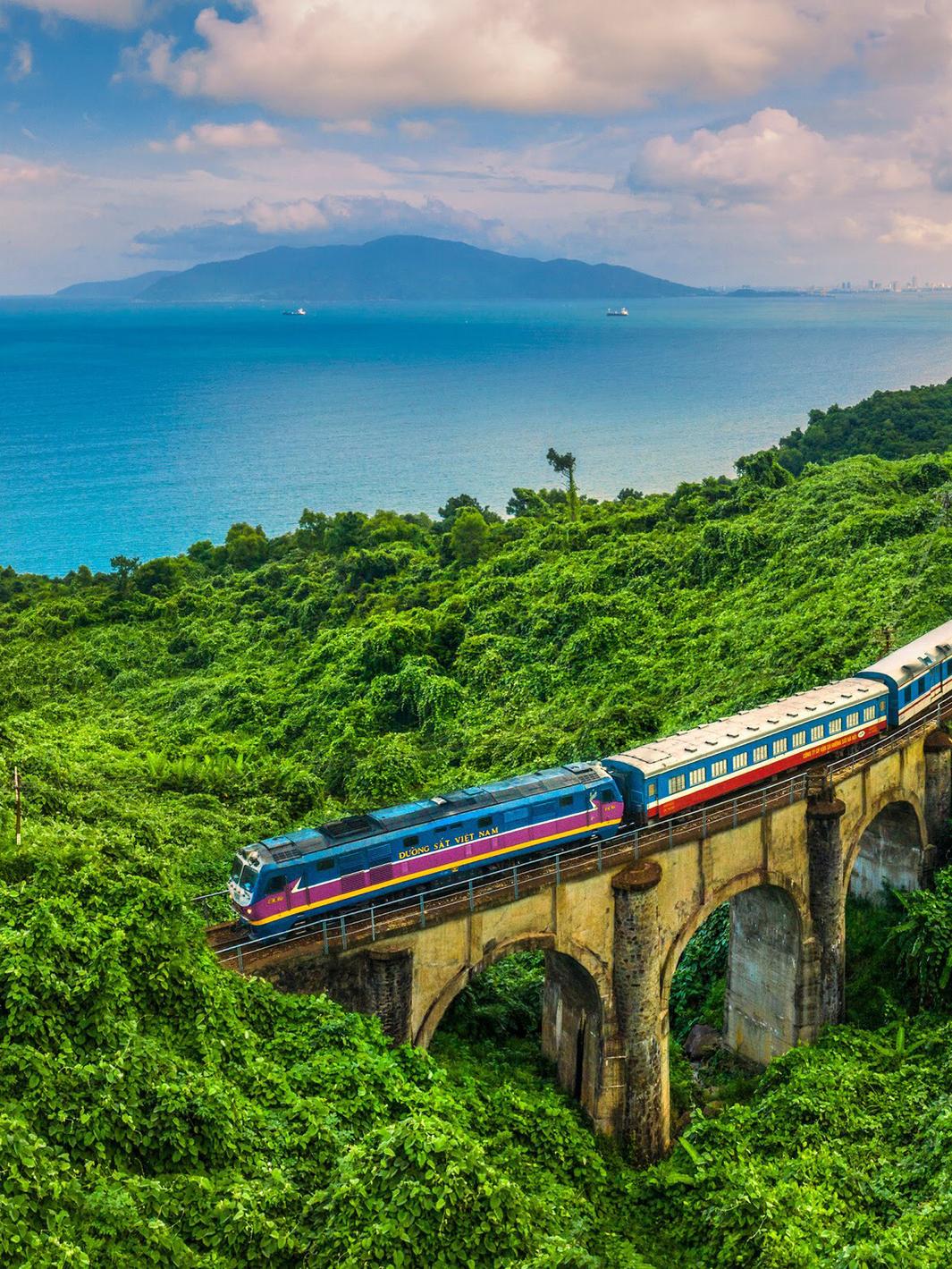

As soon as the Ministry of Transport planned to reorganize transport operations, Vietnam's railway industry also developed a new plan, anticipating the resumption of passenger train services from October 1st in several phases.
Phase 1 (maximum 10 days from the date this plan is implemented) will operate trains at a maximum of 50% capacity compared to the pre-pandemic schedule, with social distancing measures in place (excluding sleeper carriages). Phase 2 (10 days after Phase 1) will operate at a maximum of 70% of the scheduled capacity with social distancing. Phase 3 (after Phase 2) will operate at a maximum of 70% of the schedule without social distancing. Phase 4 will see normal operations.
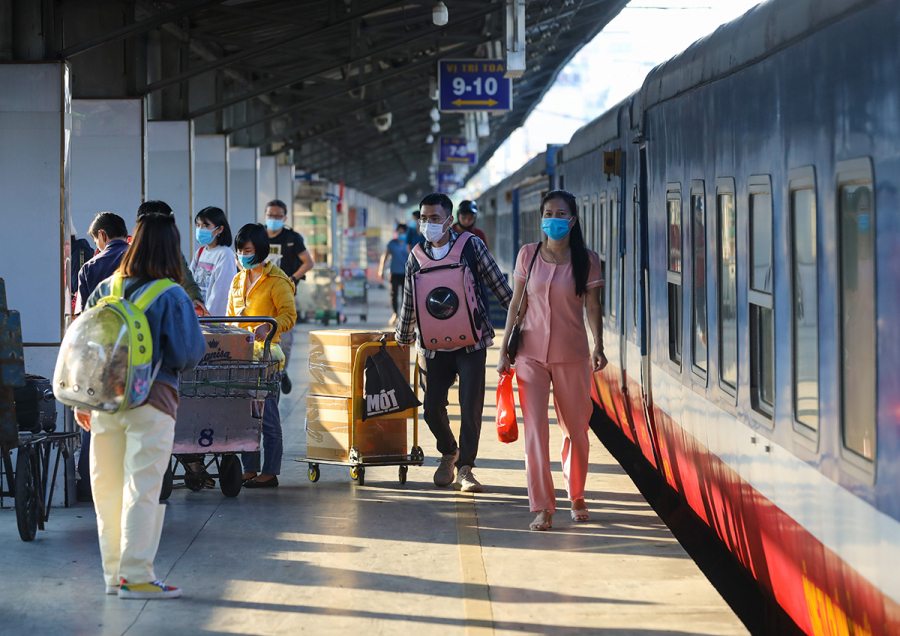
In the North, Hanoi Railway Transport Joint Stock Company announced that from October, they plan to resume daily operation of passenger trains LP5/LP6 on the Hanoi - Hai Phong route, NA1/NA2 on the Hanoi - Vinh route, and SE19/SE20 on the Hanoi - Da Nang route. Additional trains are planned for the Hanoi - Hai Phong route on weekends. In the South, Saigon Railway Transport Joint Stock Company plans to resume operation of the Thong Nhat passenger train SE8/SE7 between Ho Chi Minh City and Hanoi.

Railway transport companies will continue to implement ticket price reduction policies to attract passengers. For example, passengers purchasing return tickets will receive a 7-10% discount on the same fare, depending on the train type, class of seat, and day of the week. Those eligible for preferential policies and group travelers will also receive discounts.
The minimum fare for short-distance passenger tickets is 30,000 VND. Additional fares for advantageous seats on the train are charged based on distance: 10,000 VND per ticket for distances of 300 km or less; and 20,000 VND per ticket for distances of 301 km or more. For advantageous seats on sleeper carriages, the additional fare is 20,000 VND for distances of 300 km or less; 30,000 VND for distances between 301 km and 650 km; and 35,000 VND per ticket for distances of 651 km or more.
In addition, the railway sector continues to operate dedicated trains to transport people from the southern provinces back home when there is a local demand.