VI
VI


The explosion of NFTs in the art world.
Over a year ago, on March 11, 2021, artist Mike Winkelmann (alias Beeple) successfully sold a digital artwork for a record-breaking $69.3 million, simply because it came with a digital property certificate called a NFT. This enormous sum sparked a frenzied race among artists from all fields – illustrators, musicians, photographers, and more – to join the NFT gold rush.
In the 12 months since then, more than $44 billion has been spent on approximately 6 million NFTs – mostly digital creations, with a few being physical paintings and sculptures.
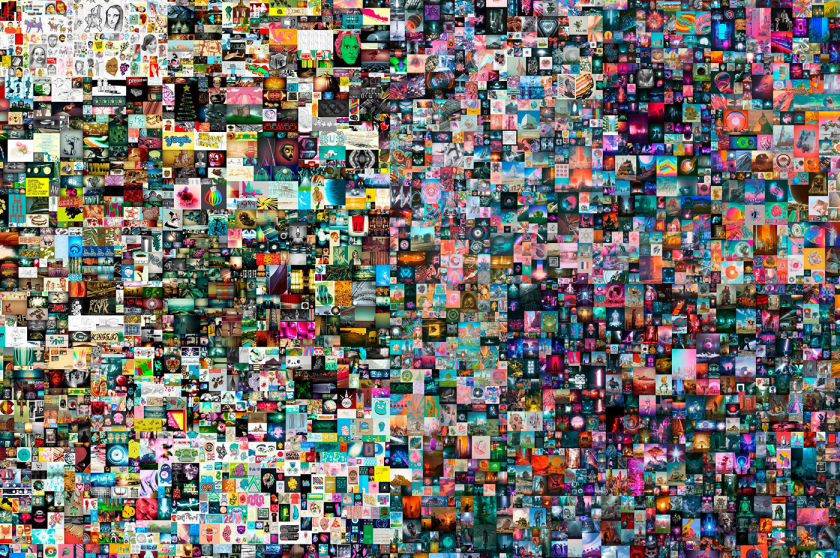
The artwork “Everydays: The First 5000 Days” was compiled by Mike Winkelmann from 5000 individual drawings - Photo: Beeple
Although NFTs were introduced in 2017, they have only become popular and experienced a surge in popularity in the last year or so. NFTs are digital items with certificates of authenticity and ownership registered on the blockchain, the technology behind the development of cryptocurrencies.
NFT artwork is digitally signed by its owner and can represent anything – from player cards, in-game items, paintings, photographs, musical works to Twitter posts… Many artists have found new avenues by transferring their work onto NFT platforms, with many even considering it the “ideal market” for art products.
But will this massive wave of NFTs actually bring about any change to the art world? And if so, however minimal, will NFTs become "protectors" for artists, or "traitors" stabbing them in the back?
NFTs offer an opportunity to affirm artistic value.
The NFT trading market is booming thanks to the emergence of many artists. From Western countries, the wave of NFT trading is rapidly spreading to Asian countries as well. Furthermore, NFT technology can introduce viewers to previously unexhibited works of art, such as paintings on double canvases by artists Bui Xuan Phai and Thanh Chuong.
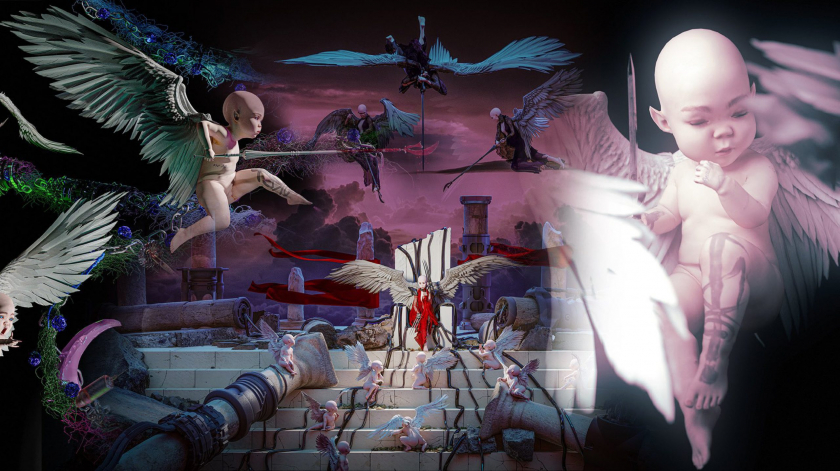
Singer Grimes – girlfriend of billionaire Elon Musk – earned $5.8 million (over 133 billion VND) in less than 20 minutes by selling her collection of NFT artwork and music videos. - Photo: @nftgateway
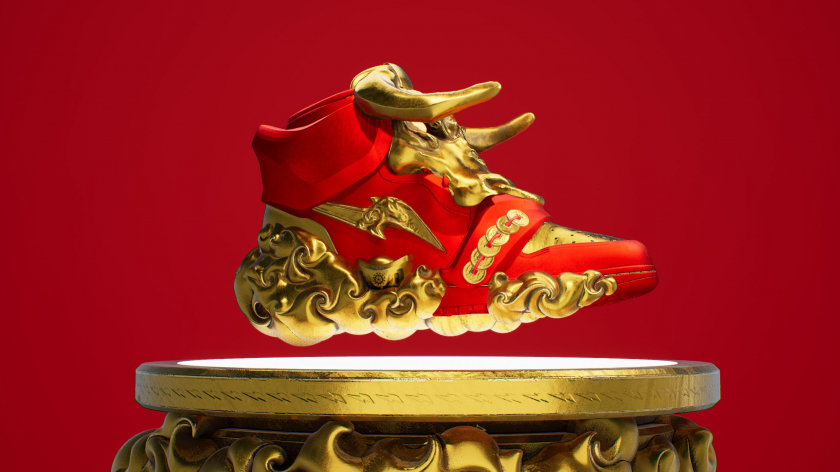
For the Lunar New Year 2021, fashion brand RTFKT launched an NFT sneaker design inspired by Chinese culture - Photo: Courtesy
Since the beginning of 2021, the Vietnamese art community has also started to participate in the NFT craze.
In August 2021, the young artistXeo Chu earned nearly $23,000.(equivalent to 500 million VND) for its first NFT painting on the Binance NFT exchange. This is the highest-priced NFT painting ever purchased from Vietnam.
Prior to Xeo Chu, two other Vietnamese representatives participated in art exhibitions on the Binance NFT platform: Phong Luong and Tu Na. Tu Na's exhibition earned over $31,000, with her highest-priced painting reaching over $5,000. Meanwhile, Phong Luong's exhibition generated nearly $7,000, with his highest-priced painting reaching $3,000.

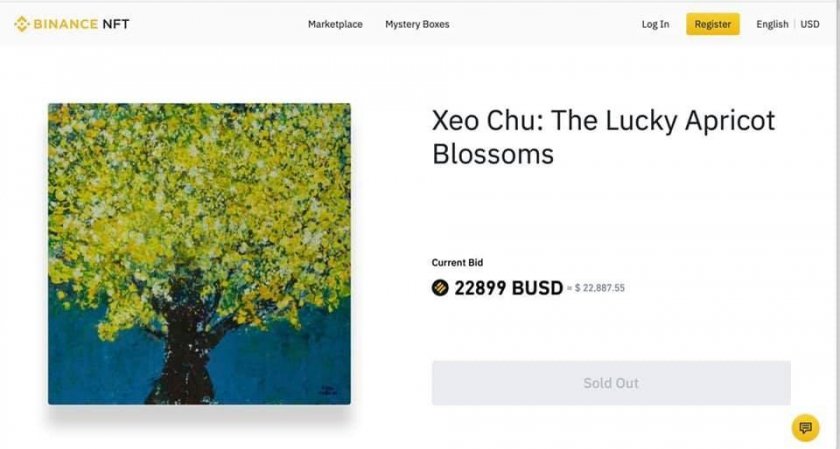
The artwork "Lucky Plum Blossom" was successfully auctioned on the Binance NFT exchange.
Besides painting, the Vietnamese music industry is also starting to appear on NFT platforms. Recently, a collection titled “Binz - DBMH [Tuniver]” was discovered listed on Binance's NFT marketplace. The information clearly states that this is Binz's first NFT collection – a famous rapper and songwriter in Vietnam – for his fans.
The three most "expensive" rappers in Vietnam – LK, Datmaniac, and B Ray – have also shown signs of joining the blockchain world. In addition, many other big names in the Vietnamese music industry have been in negotiations and collaborations to release NFTs in the near future.
In the film industry, a particularly striking photograph featuring six "billion-dollar" directors from Vietnam was transformed into an NFT (Network Gift Card) and offered for sale by director Vo Thanh Hoa for nearly $400. However, the photograph was later resold for over $2,000.
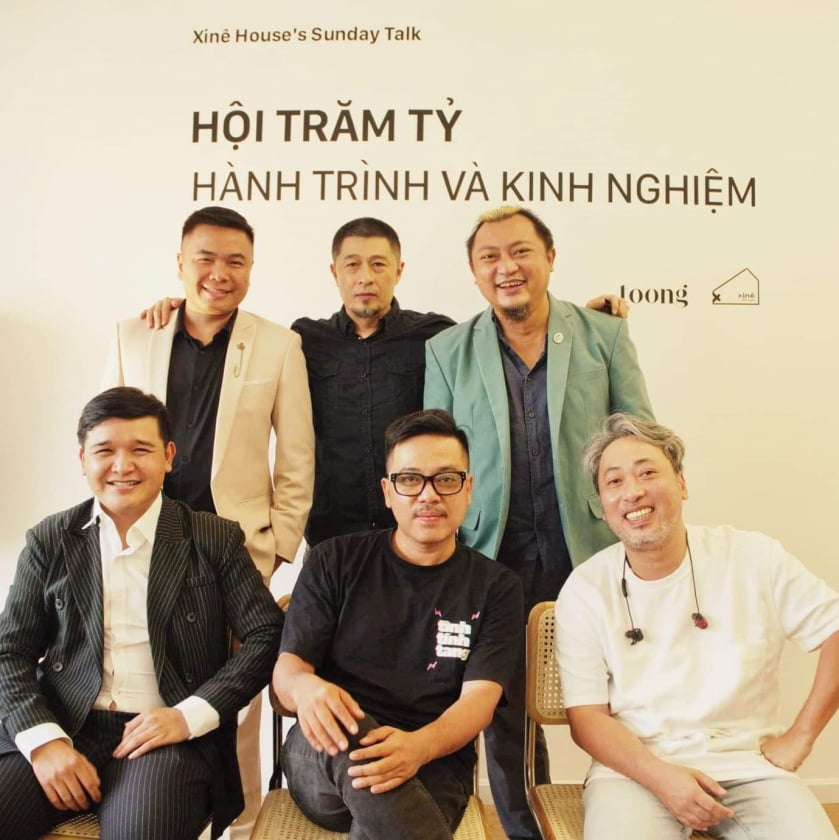
The photo of six directors, Nhat Trung, Charlie Nguyen, Phan Gia Nhat Linh, Vo Thanh Hoa, Tran Buu Loc, and Nguyen Quang Dung, has been made into an NFT - Photo: Vo Thanh Hoa
Like other fields, NFTs (Non-Film Artworks) are valued from a few tens to several million USD, depending on the rarity and uniqueness of the artwork, or the fame of the artist. NFTs cannot be destroyed or copied, and this allows owners to profit from their possessions.
But are NFTs actually alienating artists?
When they first appeared, NFTs were expected to usher in a "future era" for the arts. But after five years of existence and one year of explosive growth, artists themselves are now turning their backs on this form of digital art storage and business. The primary reason is that NFTs completely contradict their "potential" for protection.copyrightwhich, by its very nature, was its role.
One of the values of NFTs is that they give digitized artwork a privilege previously only available to traditional works: "ownership." However, this ownership is only nominal, as anyone can take other people's works, whether publicly or privately, and resell them as NFTs – because there is no technology to prove whether the product you upload is your own creation.
The aforementioned issues of intellectual property theft and author impersonation are among the reasons why many artists have a negative view of NFTs.
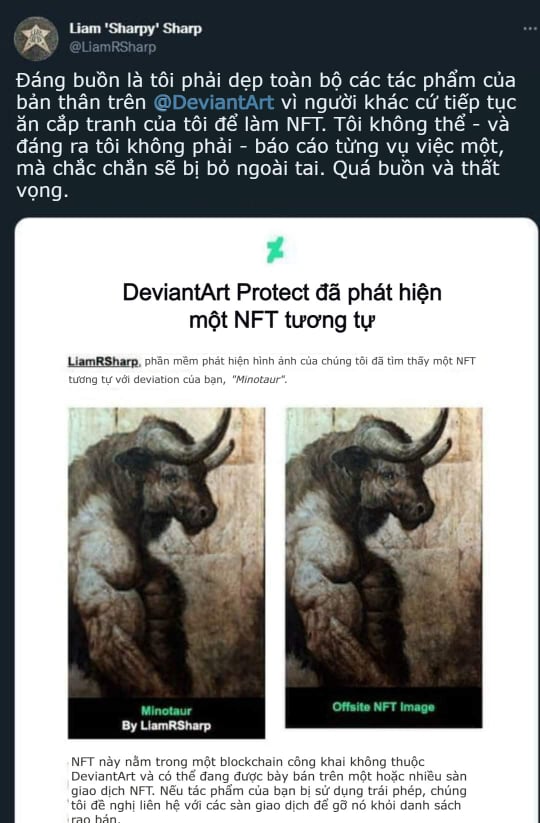
In late 2021, comic artist Liam Roger Sharp (author of the series The Green Lantern and the Warrior Goddess) posted an announcement on his personal Twitter account stating that he could no longer publicly share his works on social media because others were constantly stealing them to sell on NFT platforms. - Photo: Phan Dung Tri/RVN Group
The second reason many artists are concerned is the potential harm to...environmentwhich NFTs cause.
Most NFTs are currently traded on the Ethereum platform. Here, the creation of tokens that certify digital works relies on complex algorithms and consumes a lot of energy. According to estimates by market tracking firm Digicomist, the platform uses the equivalent of electricity in the entire Netherlands, with carbon emissions equivalent to those in Singapore. These climate concerns are also a major reason for the growing opposition to NFTs.
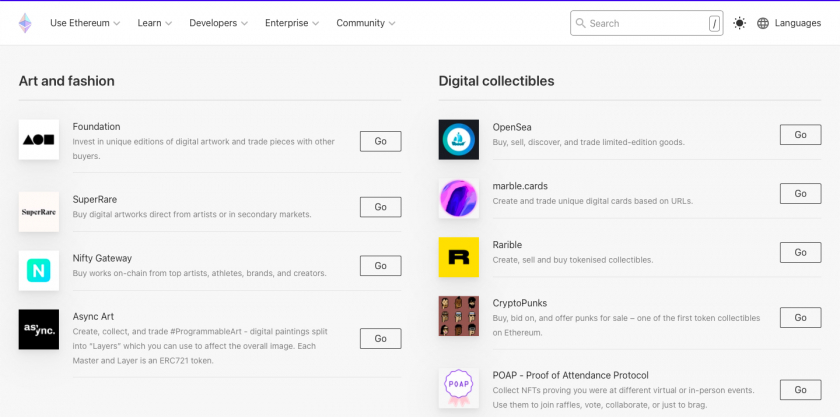
NFT exchanges in the arts and fashion sector on the Ethereum platform.
The third reason, besides copyright issues, is that the problems with NFTs also lie in...the devaluation of artNFTs, to some extent, are becoming a breeding ground for illegal money laundering schemes, or for using art as a pretext to gain fame. Furthermore, some works are created in a "mass production" fashion, manipulated by a robot capable of generating millions of identical drawings.
"If art is mass-produced on an assembly line, will its core value—emotion—still remain?""—Khanh Toan, a young artist in Vietnam, expressed his concern.
Finally, itAn opportunity to affirm artistic value.It could also be… fake. Genuine artists who participate in NFTs for the sake of making money usually have to accept the fact that most of their works are very difficult to sell, and they need a lot of money to "cast" an NFT (each individual piece costs between $70-100 to cast). This means that if an artist creates a piece on an NFT platform but it doesn't sell, they will lose all the initial money spent on creating the NFT, and at the same time, no one will know of the work's existence.
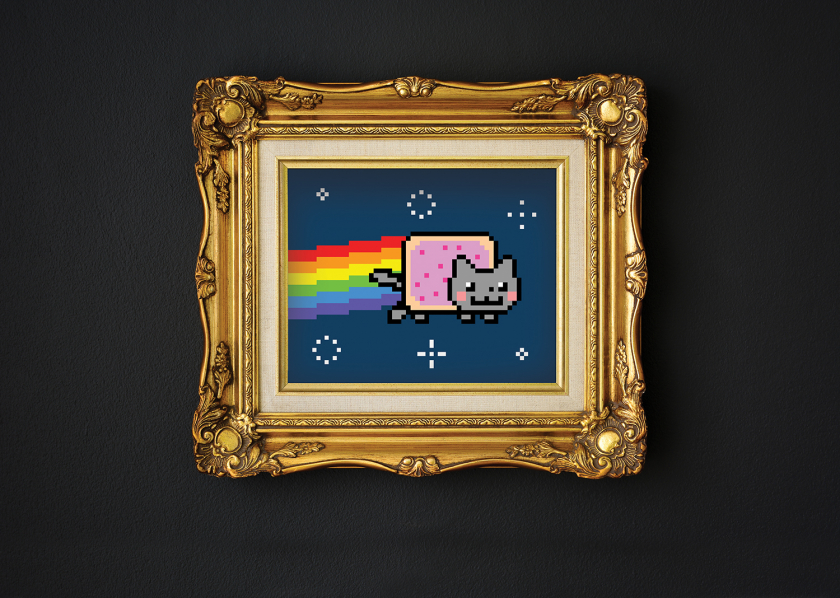
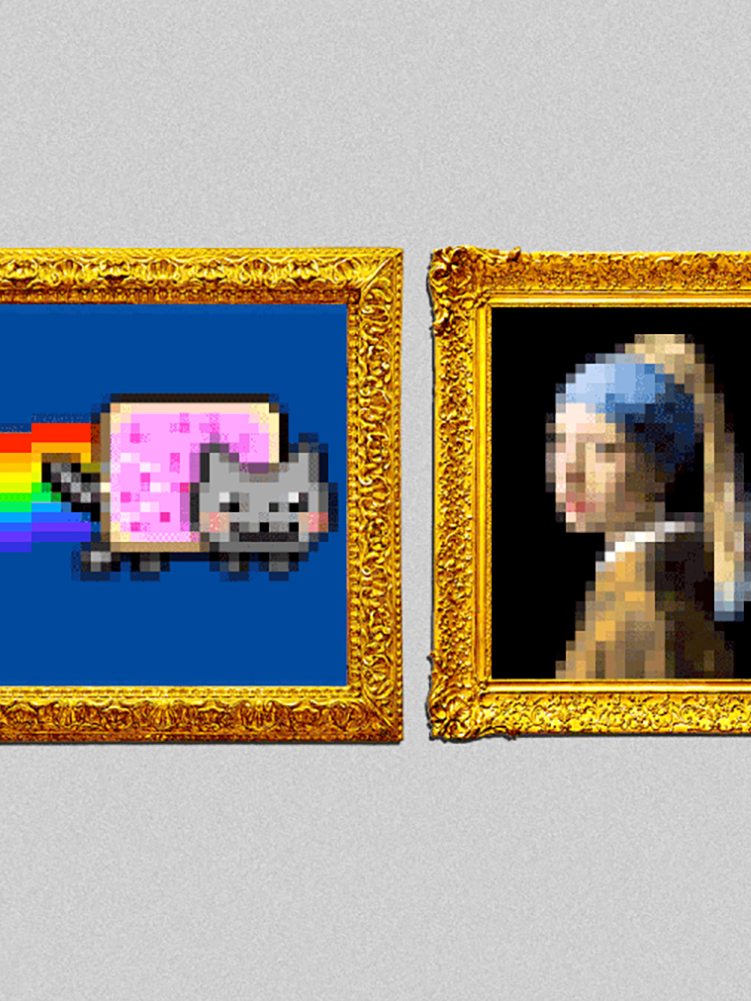
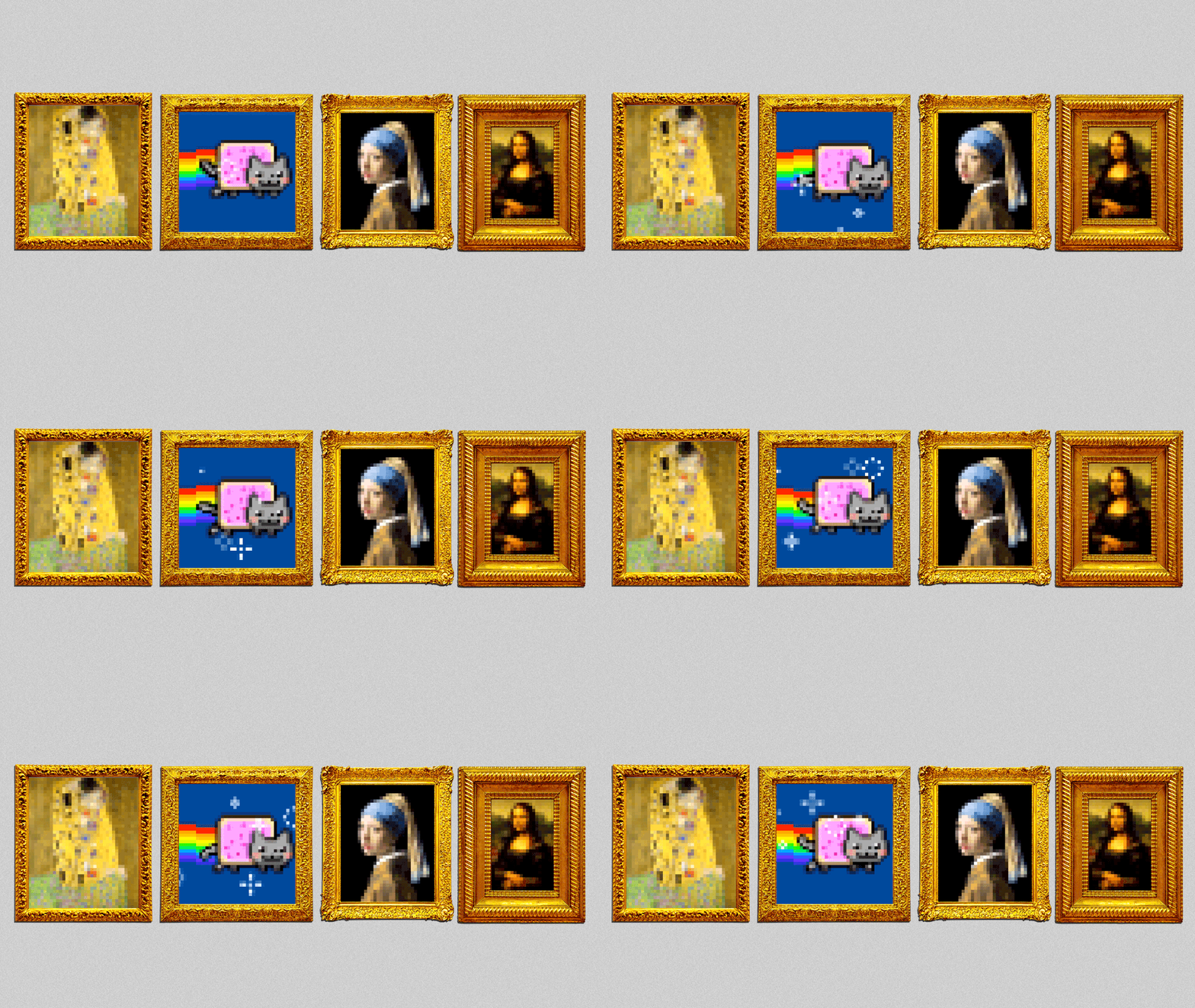
The NFT artwork Nyan Cat was sold for $580,000 on the Ethereum platform.
In conclusion
"NFTs aren't a new medium, a new way of creating art, a new theme or style. They're simply a method for buying and selling digital art. When we cut out the monetization aspect, NFTs don't really change art in any way," says Cat Graffam, an artist living in the US, in a video she posted titled "Artists' Perspective on NFTs."
Perhaps NFTs will bring about changes, even revolution, to the art world after a long time. But for now, it's still too early to judge whether this digital market is good or bad.
Ultimately, art is the realm of creativity and emotional transmission. Once these two elements fade, art may cease to be genuine art.
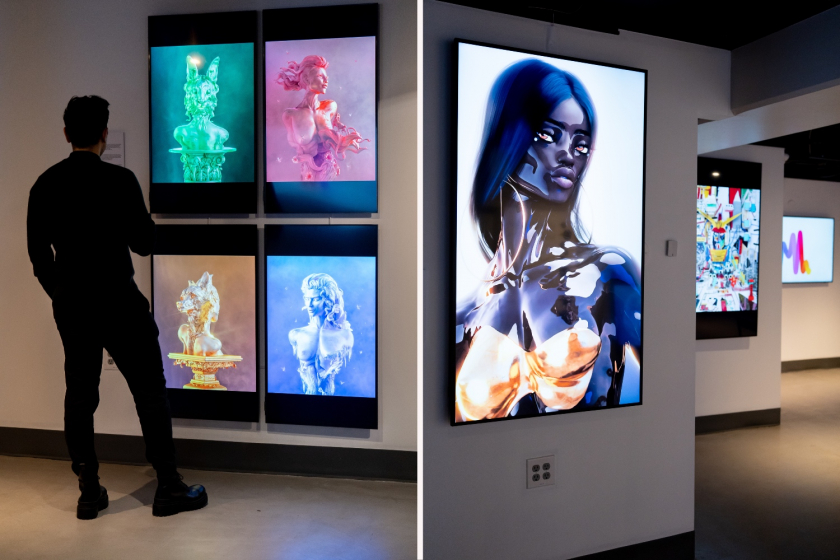
The first digital NFT museum opened on January 27, 2022, in Washington, USA - Photo: Seattle NFT Museum