VI
VI


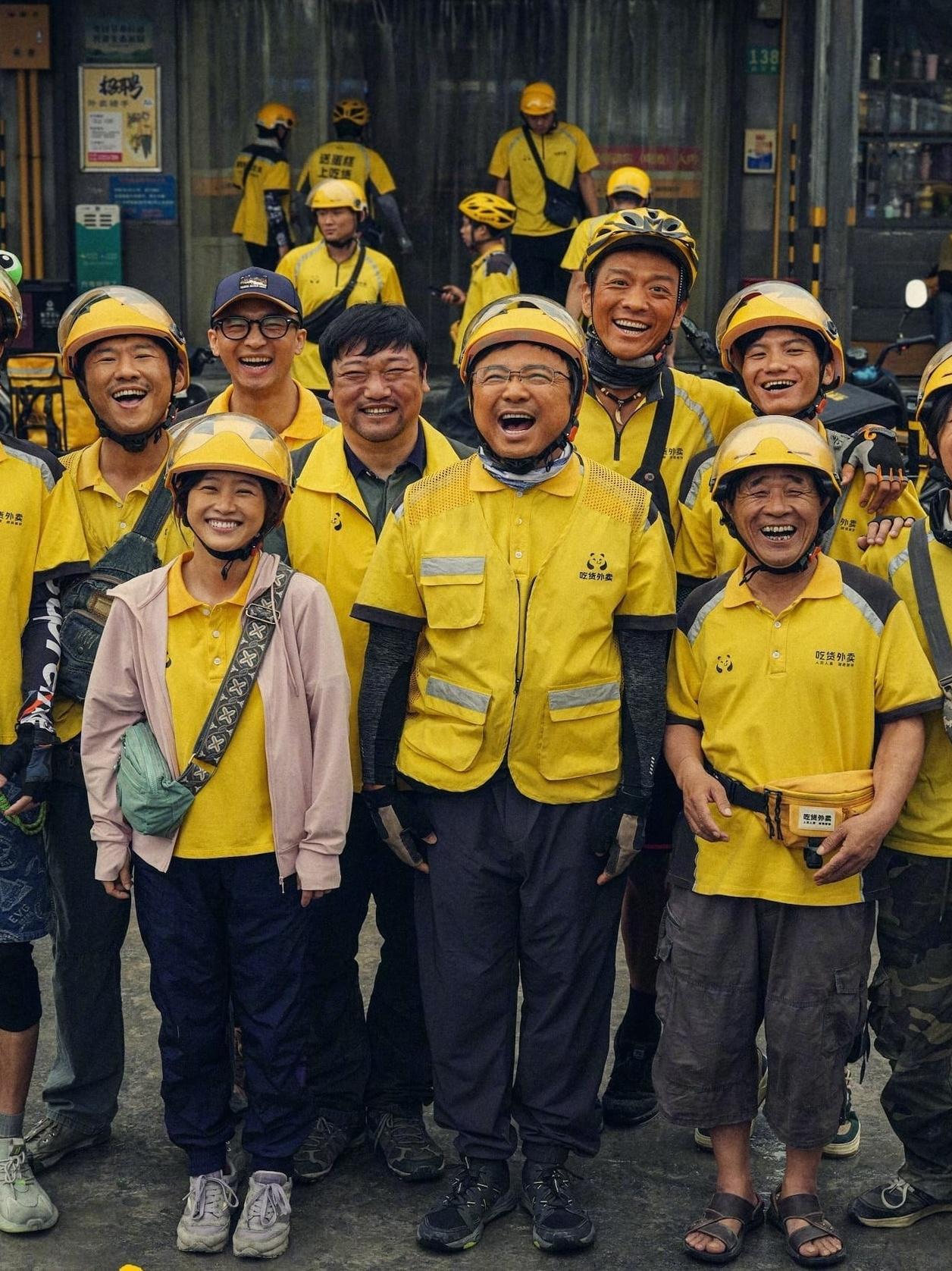
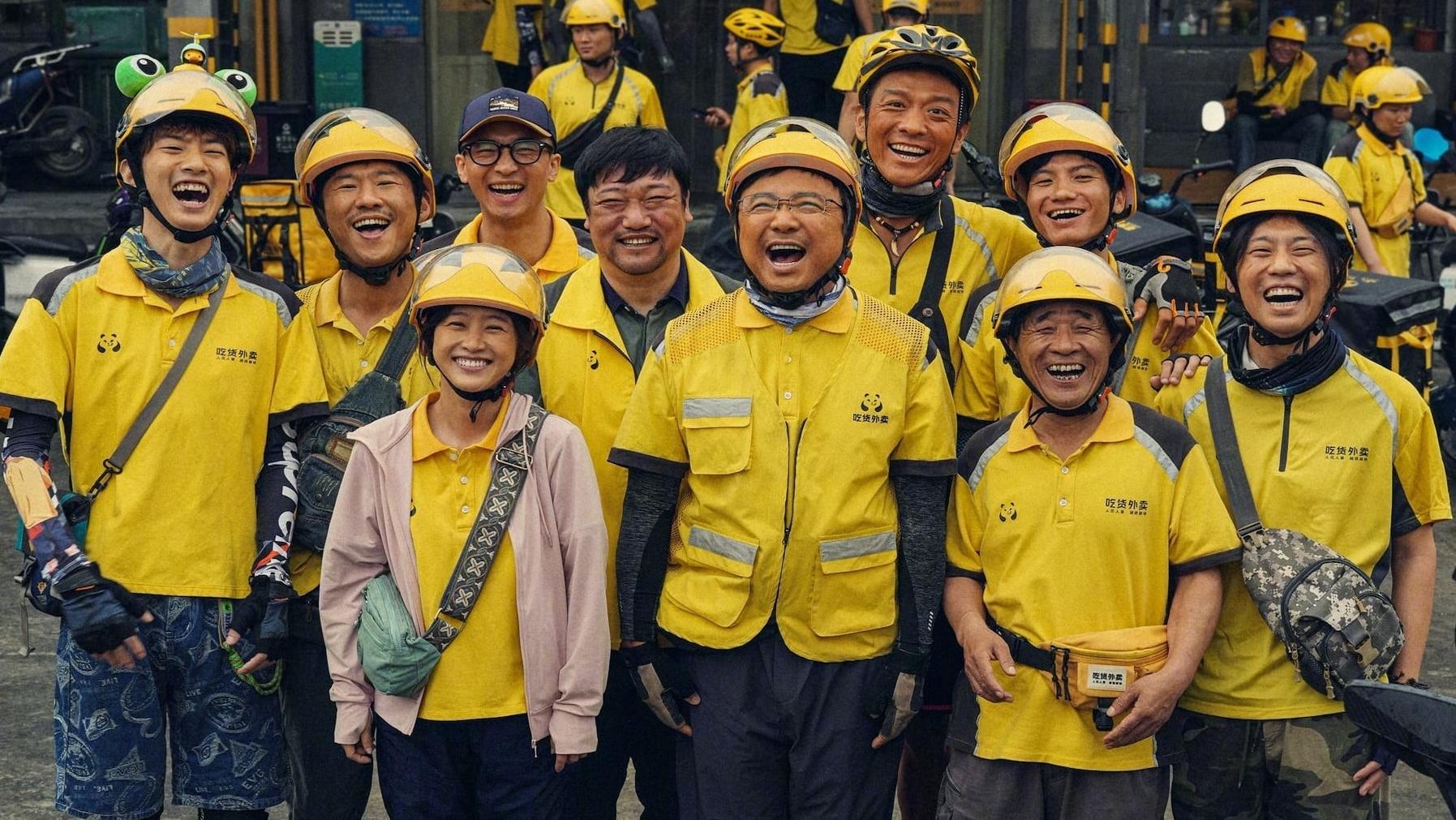
The image of motorcycles laden with food rushing through crowded streets has become an indispensable part of modern urban life. Director Xu Zheng's documentary "Upstream" takes a close-up view to explore a less-noticed aspect of society: the lives of delivery drivers. Through the director's lens, we witness the hardships and struggles they face daily, from racing against time to deliver orders on schedule to dealing with the pressures of work and life. It also portrays the unsung heroes who silently "go against the current" amidst the time pressure and the relentless pace of the digital economy.
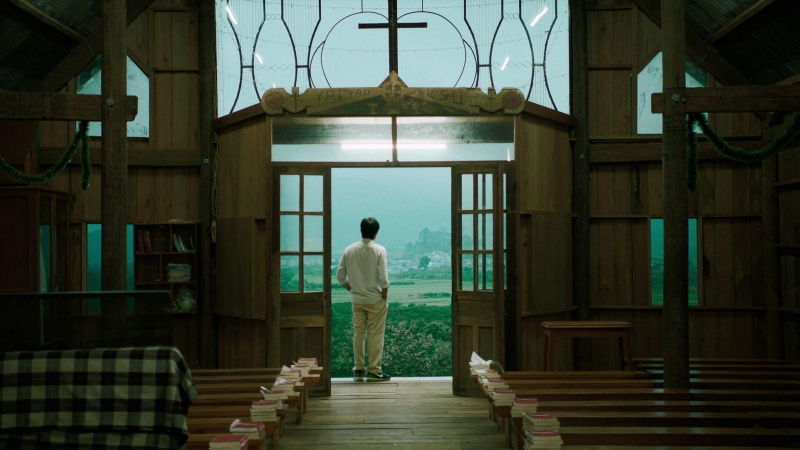

A positive message after a bleak economic year.
Following the Covid-19 pandemic, the global economy entered a downturn, bringing negative impacts to people. Like the rest of the world, businesses in China faced many harsh choices, leading to mass layoffs. Many men and women, despite their qualifications and years of experience, were laid off, waking up one morning from being the breadwinner of the family to suddenly becoming a burden to the entire household.
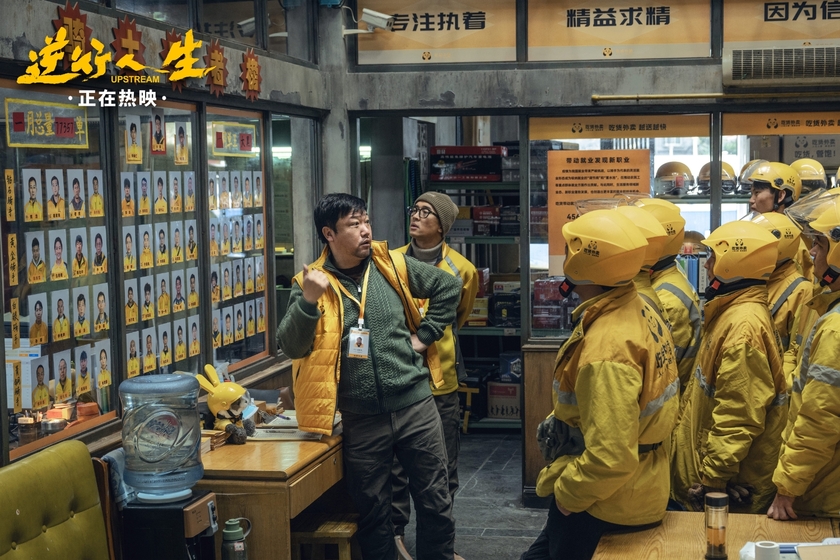
In recent days, film enthusiasts have been buzzing about the drama series "Against the Current of Life." This series reflects the current social realities in China.
Programmer Cao Zhi Lu (played by Xu Zheng) has to inject insulin daily due to diabetes and has dedicated over 10 years to the company. Ironically, one day he is deemed unqualified and fired by the very personnel optimization algorithm developed by his department.
From a man who provided for his entire family, Cao Chi Luy now faces humiliation and a huge financial burden next month. He tries applying for jobs everywhere, but is rejected every time due to age restrictions. Fate leads him to become a ride-hailing driver, but the job turns out to be anything but easy. Besides facing dangers on the streets, he also confronts disappointment from his parents and friends. Most importantly, what will become of Cao Chi Luy and his family?
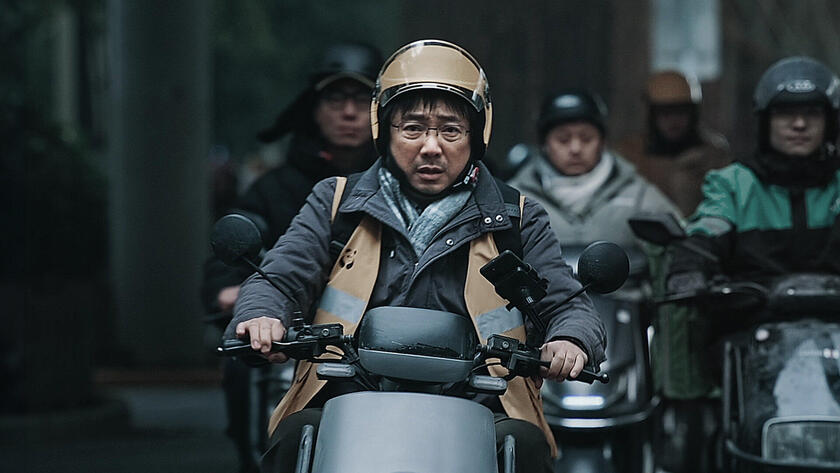
This was also his only way to earn money to pay off debts, cover living expenses for the whole family, and pay for his father's hospital bills.
The biggest nightmare for delivery drivers isn't just completing daily orders as quickly as possible, but also facing negative reviews on the app, which can impact their livelihoods. In Upstream, Cao Chi Luy experiences all the anxieties of this profession, just like this worker bee.

A striking detail depicts Cao Zhi Luy injured in a car accident, limping and still reeling from the impact, yet his only thought is to avoid being judged negatively. He picks up his motorbike and runs into a bar, scanning the noisy crowd, desperately searching for his customer. A young man signals, and Cao Zhi Luy hands over a bag full of skewers, then raises both hands in celebration. Tears of joy mingle with the dirt and blood on the delivery man's cheeks.
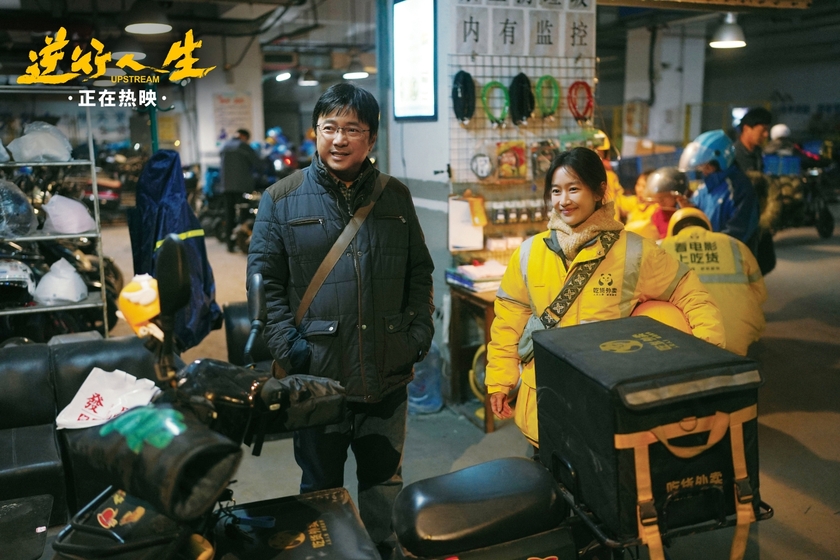
The moment a delivery person puts on a uniform, they instantly lose their original identity, regardless of whether they were previously a wealthy individual or a government official.
Through the characters' dialogue, Xu Zheng doesn't subtly imply or refer to delivery drivers as a "lowly" profession, but rather emphasizes the risks and uncertainty involved. Ultimately, however, the main message of "Against the Current of Life" remains about overcoming adversity and using one's strengths to move forward.
Voices of praise for the "unsung knights of the streets".
While the extras celebrated in Stephen Chow's films contribute to the comedic moments, Xu Zheng chose to pen scripts about the unsung heroes of the tech age. Both films evoke empathy and appreciation for those often overlooked individuals who have made silent contributions to our lives. They are also the ones most likely to suffer disadvantages, yet often remain invisible in society.
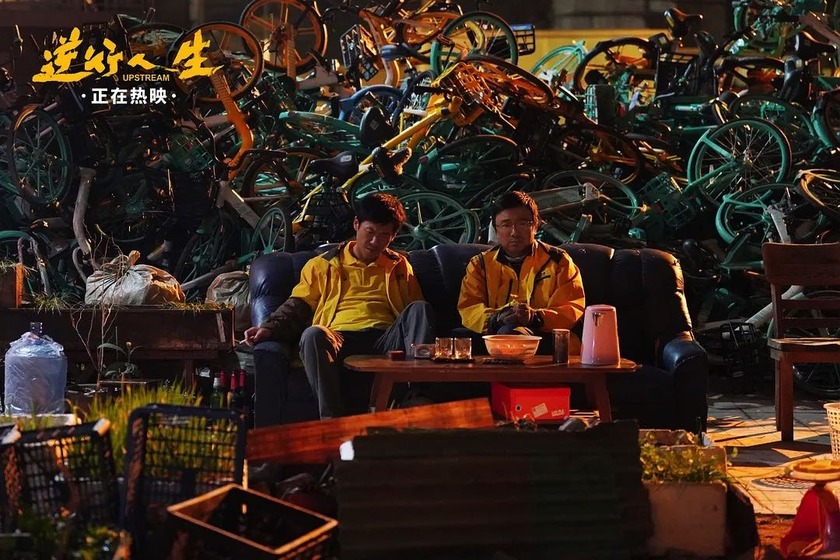
Despite seemingly better circumstances than others, the characters in the series Upstream don't give up on opportunities to improve their lives.
Previously, the profession of ride-hailing driver was often underestimated, even looked down upon. The image of these motorbike taxi drivers weaving through crowded traffic was just a small part of the bustling urban landscape. However, thanks to the development of video platforms and documentaries like Xu Zheng's "Upstream," the public has had the opportunity to look deeper into their lives and work. These "unsung heroes" have gradually gained more recognition and appreciation from society. The hidden aspects of the delivery driver's life, which those who have never driven a motorbike or handled deliveries would likely never imagine, have been revealed.
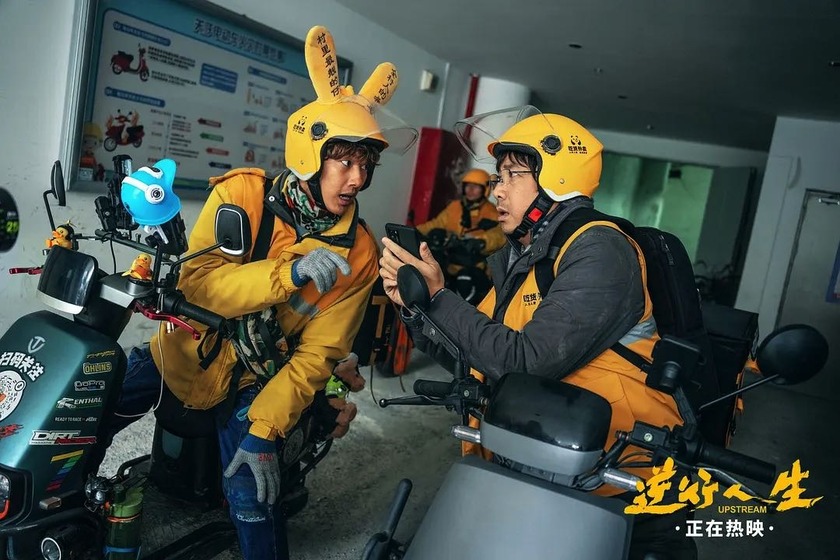
The hidden side of "urban knights"
From Tranh skillfully gathers the difficulties that any delivery driver has experienced and weaves them together in a challenging workday of Cao Zhi Lu. His motorbike runs out of battery in the middle of the road, he gets lost in dark alleys, customers cancel orders without reason… all are situations that viewers feel as if they are witnessing firsthand. The protagonist initially planned to earn 15,000 yuan, but by the end of the month, after deducting all losses, he only earned 4,000 yuan. Although this makes the plot seem somewhat contrived in the first half of the film, it immediately helps the audience understand the unspoken pressures faced by delivery drivers.
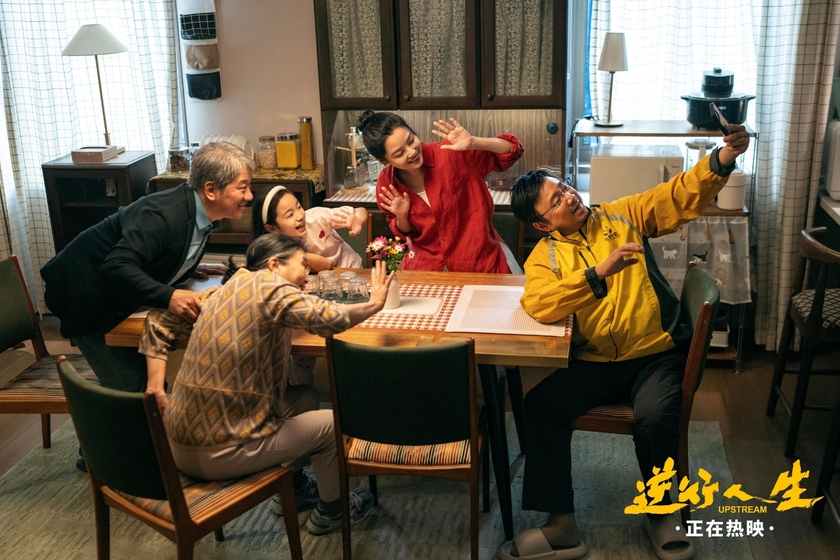
The disadvantaged workers in society, no matter how difficult their lives may be, still strive to rise above their circumstances and maintain a positive outlook on life; they are a living example of this reality.
Director Xu Zheng skillfully created a balance between humorous situations and touching moments. The demanding customers aren't villains, but rather challenges that help Cao Zhi Lui hone his skills. Meanwhile, the warm family affection is the driving force that helps him overcome all difficulties. The film shows that no matter what job you do, as long as you work with sincerity, you will always receive respect and affection. And more importantly, happiness doesn't come from material things, but from the love of those around you.
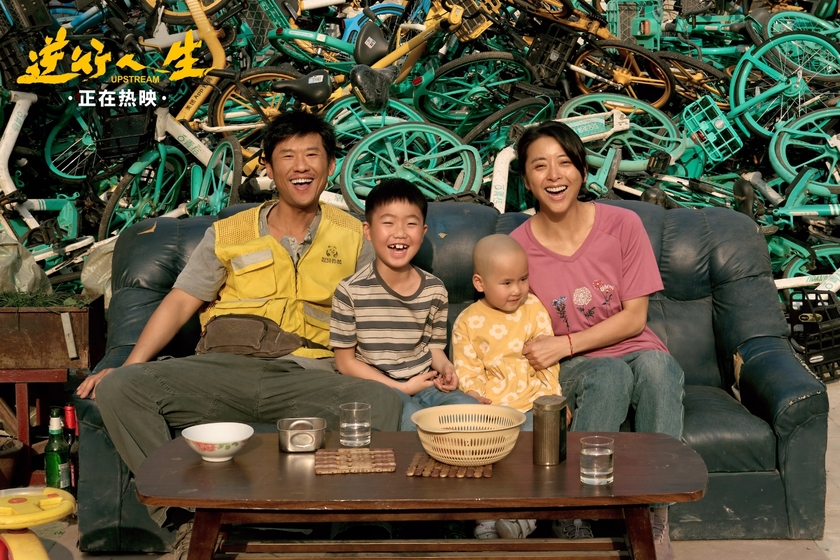
After watching the film, viewers will have a different perspective on the plight of these drivers. By viewing the story from the driver's perspective, the film can convey a different facet of urban life, one that is always present but rarely considered. Throughout the film, the director also conveys the message that if ride-hailing drivers are dedicated, customers should also show more sincerity and respect to encourage them.