VI
VI


For many people in China's major cities, owning a home is almost unattainable. Housing prices have skyrocketed, far exceeding the affordability of the vast majority of people, especially young people.

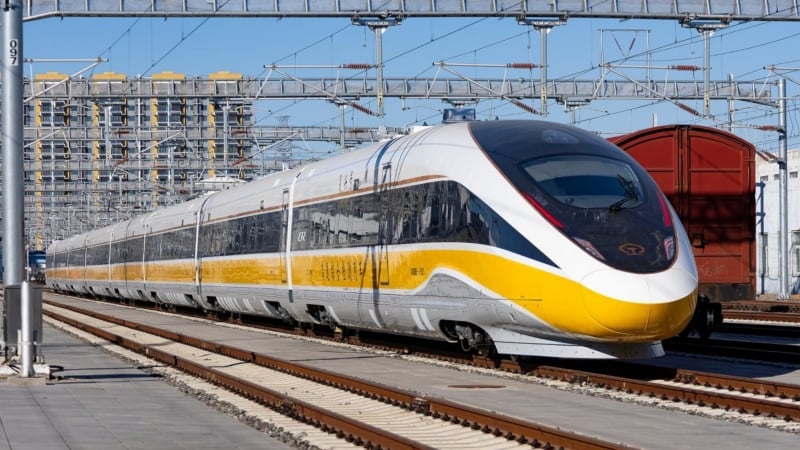
Housing prices in major cities like Beijing, Shanghai, and Guangzhou can reach tens of millions of yuan for a small apartment. To buy a home, people have to save money for many years, or even take out bank loans with high interest rates.
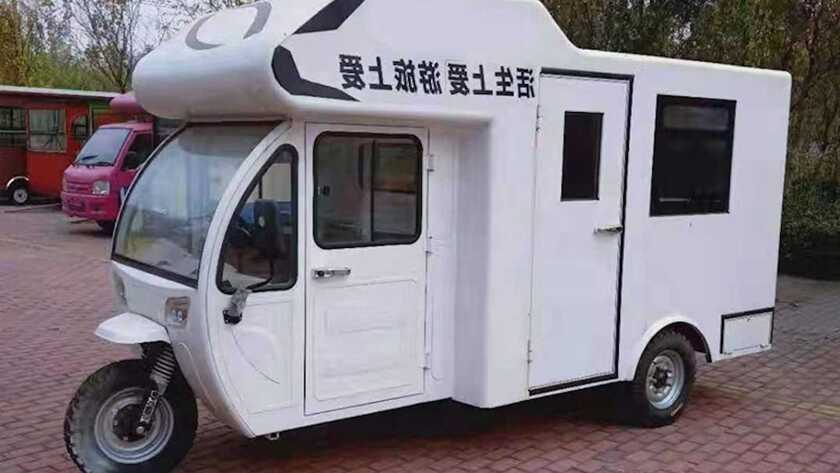
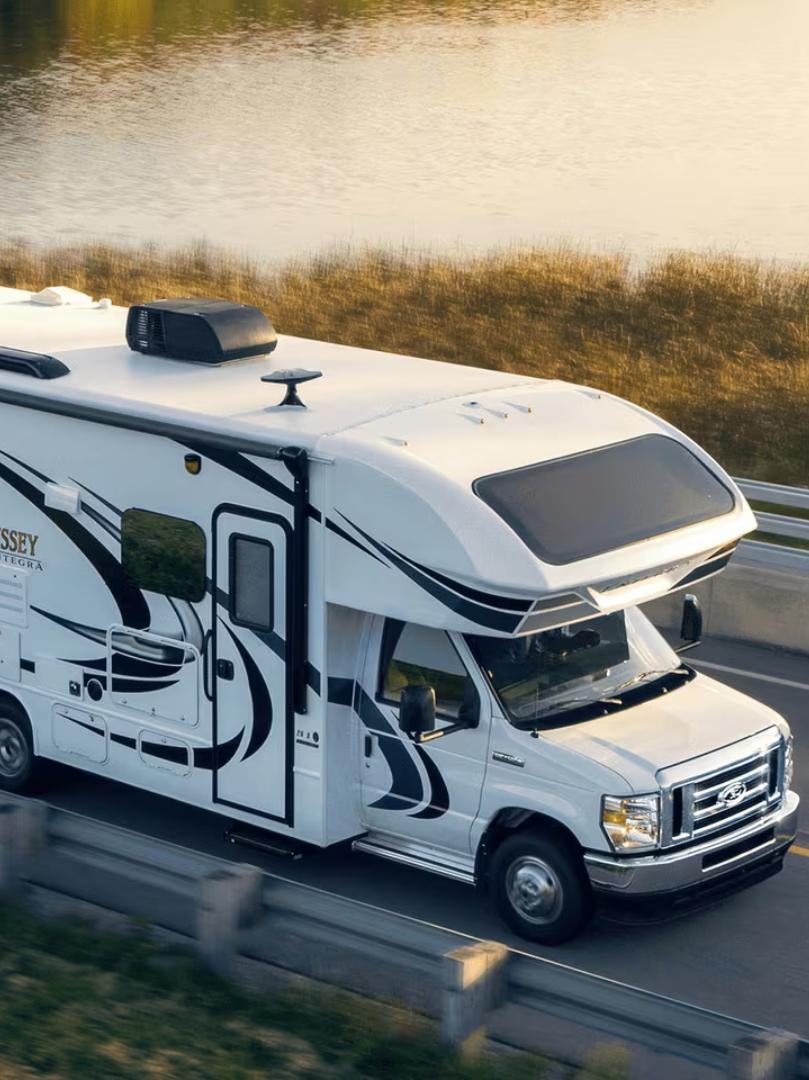
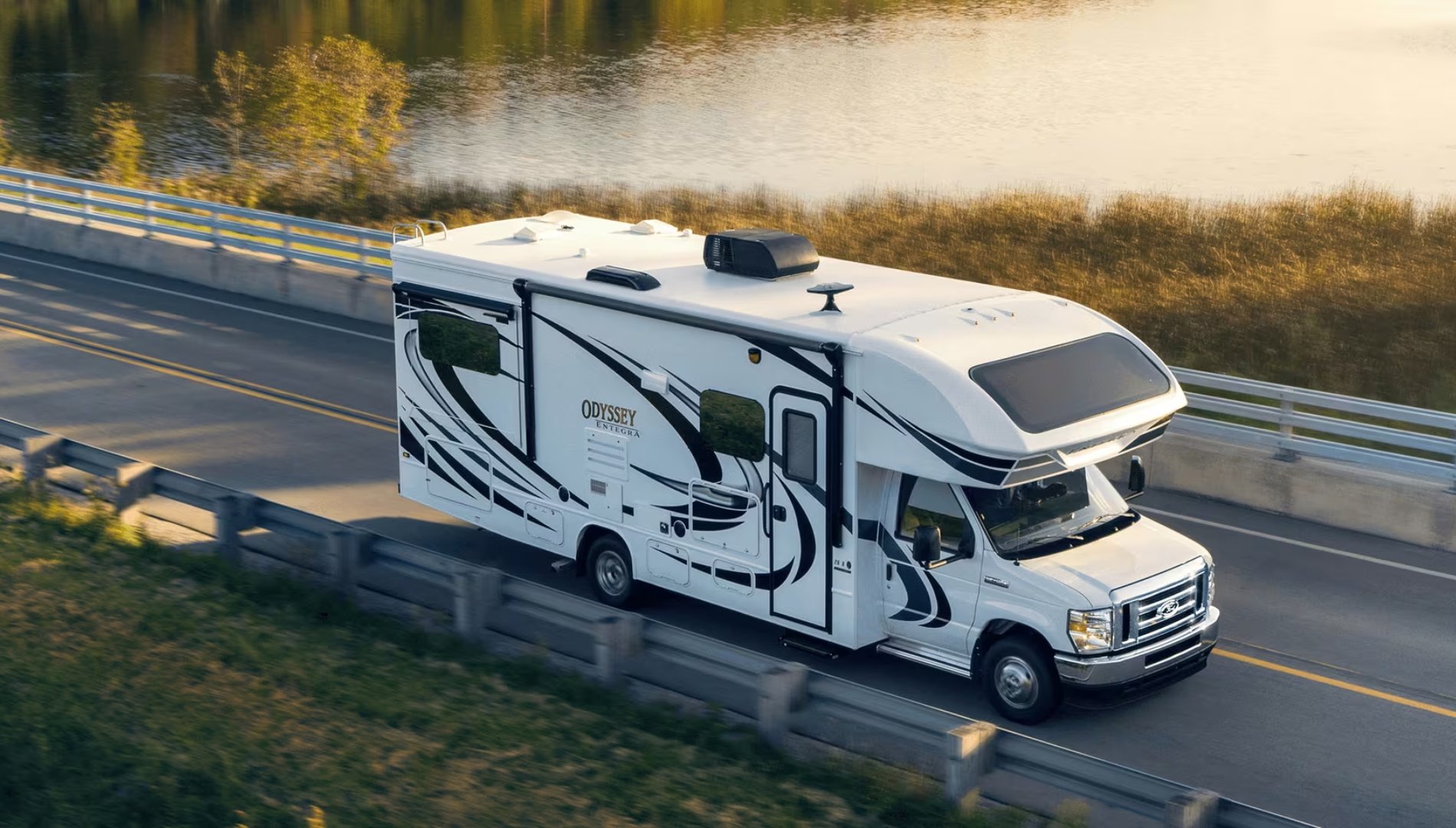
These luxurious "mobile homes" can cost up to 100 million VND.
The average wage of workers has not kept pace with the rising cost of housing. This makes it difficult for many people to buy a home and cover their living expenses. Furthermore, the number of affordable housing options for low-income earners is limited, failing to meet the growing demand.
Faced with housing challenges, many Chinese people are seeking alternatives, including mobile homes (RVs). Young people in this country of over a billion often share the sentiment that being able to travel anywhere from the comfort of their own home is a once-in-a-lifetime experience.
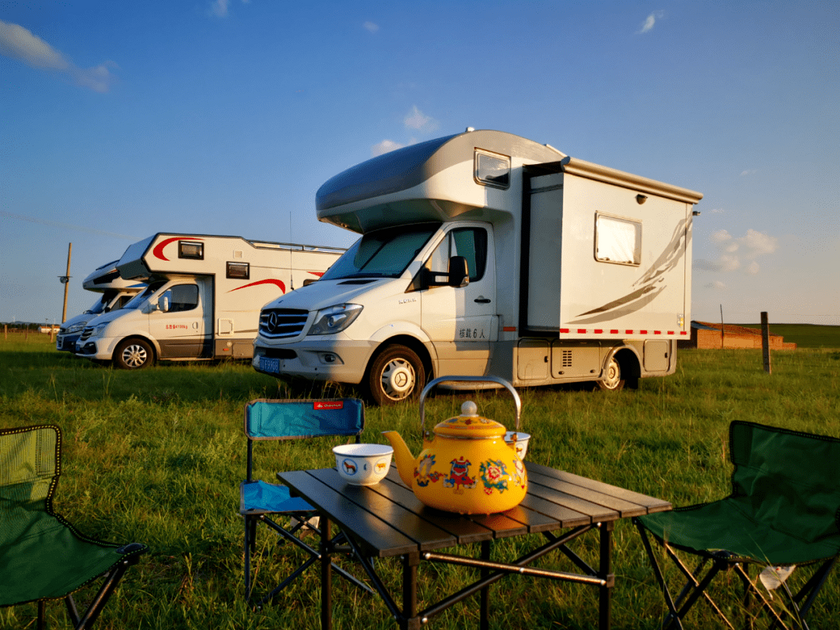
Instead of buying or renting apartments, young Chinese people are acquiring mobile homes to roam the roads.
According to statistics from a Chinese online video platform, the keywords "RV" and "RV travel" have reached 20 billion views, demonstrating growing public interest in this type of vehicle. In 2020, China recorded nearly 16,000 new RV registrations, marking a 28% year-on-year increase and significantly higher than the country's overall economic growth rate.

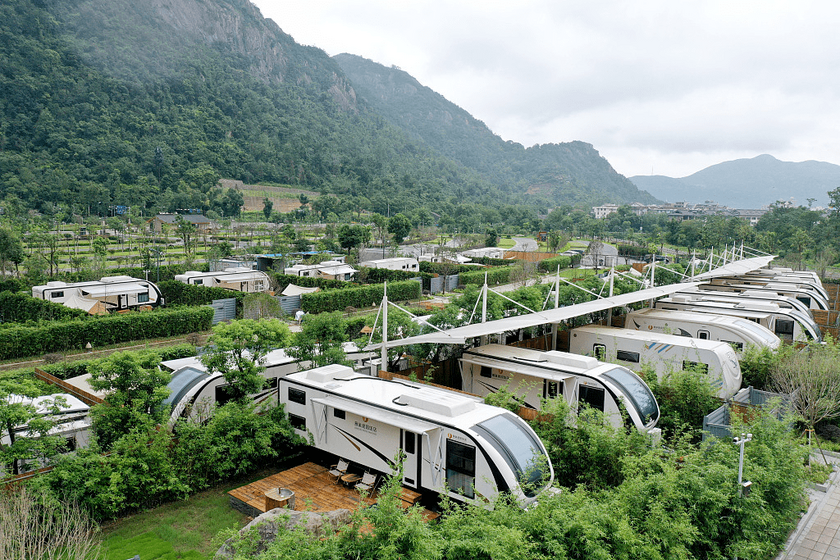
Instead of wasteful spending, people are gradually shifting to a "save if possible" lifestyle and living in RVs (Recreational Vehicles).
More than just a means of transportation, mobile homes also serve as versatile living spaces. From kitchens, bathrooms, and bedrooms to entertainment amenities like electronic pianos or mini home theaters, each vehicle is refurbished and designed to suit the individual needs and preferences of its owner.
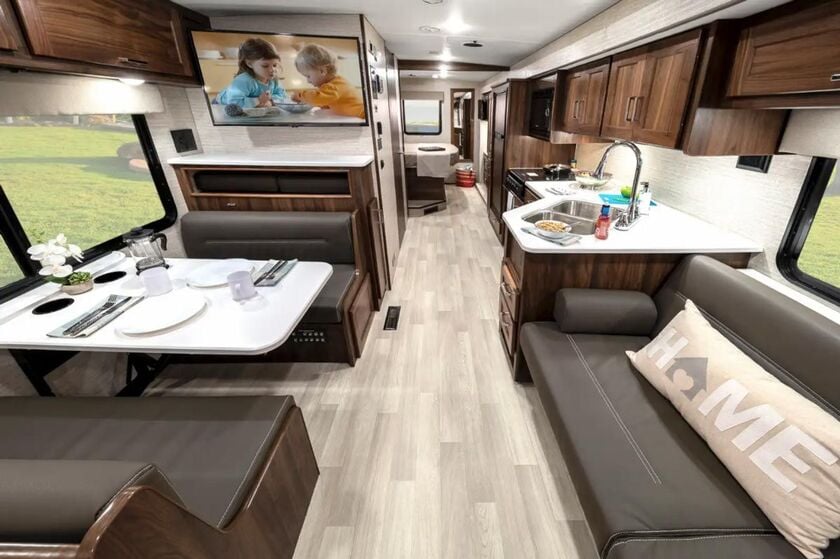
The interior is so luxurious that many people can't believe it's in a car.
Chinese people, especially young people and the wealthy, are shifting away from cramped city apartments to these mobile homes. This is a way for them to escape the noise and pressure of urban life, while enjoying a life closer to nature without the constraints of limited living space.
With the increasing number of RVs on the streets and in residential areas, owners of mobile homes can move freely without having to worry about finding accommodation. This is a huge advantage for those who love to travel and explore. From lush green campsites to peaceful rural villages, mobile homes offer owners flexibility and variety in choosing where to park.
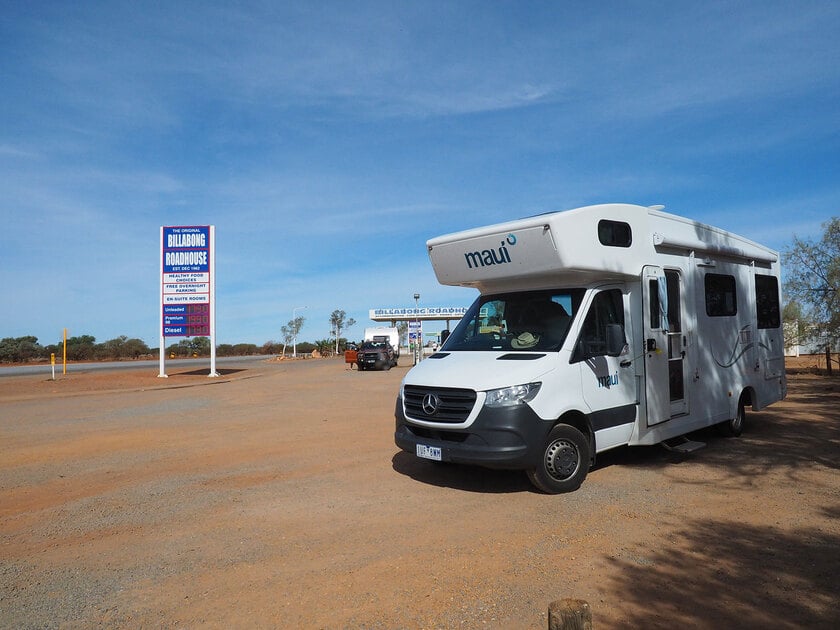
For many, RVs are not just a means of transportation for short distances, but also an extension of the concept of "home."
Due to their large size, RVs may be subject to higher road tolls than regular cars. Finding parking for RVs can also be more difficult, especially in crowded cities and popular tourist areas. RVs are large and bulky, making them more challenging to maneuver on narrow streets or in congested areas. Drivers need skill and experience to safely operate an RV.
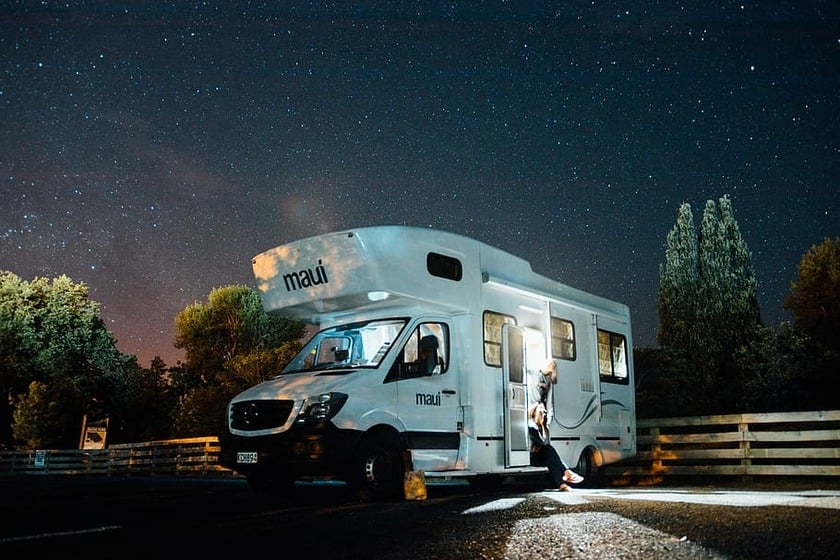
Overall, the boom in RVs in China is a new cultural phenomenon, reflecting people's desire for a free life, close to nature, and free from the constraints of urban life.
With the advantages and benefits it offers, RVs are expected to continue attracting the attention of Chinese people in the future. The RV industry will also continue to develop, with the introduction of many new and more diverse models to meet the growing needs of users.
However, for the RV trend to develop sustainably, close coordination is needed between the government, businesses, and the public in building appropriate infrastructure, enacting reasonable traffic regulations, and raising awareness among RV users.