VI
VI




According to data from China's Ministry of Culture and Tourism, the number of domestic tourists during the recent Labor Day holiday on May 1st increased by 28.2% compared to the same period in 2019. Overseas tourist destinations also recorded an increase in Chinese visitors, especially Southeast Asian destinations such as Vietnam and Thailand.


Despite the increase in tourist numbers, their spending tended to be more frugal. During the May Day holiday, the average spending of Chinese tourists increased by only 13.5% compared to the same period in 2019, significantly lower than the growth in tourist numbers.
This suggests that Chinese tourists are tending to spend more cautiously on travel activities such as shopping, dining, and entertainment.

The tendency for Chinese tourists to tighten their spending may stem from several factors, including the impact of the COVID-19 pandemic: The pandemic has caused many Chinese people to face financial difficulties, leading to a cautious attitude towards spending.
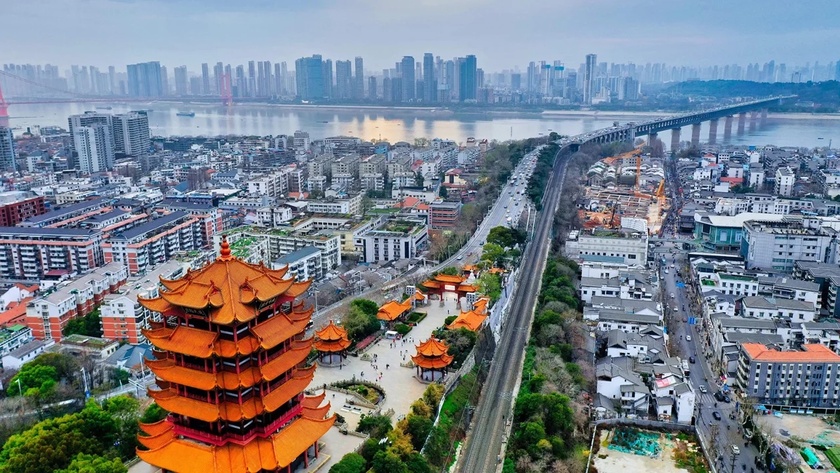
Chinese tourists are increasingly showing a more cautious approach to spending on travel activities.
At the same time, the Chinese economy is in a recovery phase after the pandemic, so people tend to tighten spending on non-essential items.
Young people in China today tend to prioritize experiences over material possessions, so they prefer spending on affordable travel and nature exploration rather than luxury shopping.
The trend of Chinese tourists tightening their spending could impact the tourism industry of Southeast Asian countries, which rely heavily on this source of tourists.
The Chinese tourism market is undergoing significant changes, therefore tourism businesses need to closely monitor trends and adjust their business strategies accordingly to stay ahead of the market. Understanding the psychology and consumer behavior of Chinese tourists is key to success in this promising tourism market.