VI
VI


Under the “Go To Travel” initiative, the Japanese government will subsidize tourists up to 20,000 yen (US$185) per day. This support will cover half the cost of trips and is provided through a combination of significant discounts and gift vouchers redeemable at shops and restaurants near tourist destinations.
Accordingly, this ambitious tourist attraction program will be launched as early as the beginning of July and depends on the easing of restrictions on tourists in Japan. The program will apply to people booking tours through Japanese travel agencies or directly with hotels or traditional inns in the country.

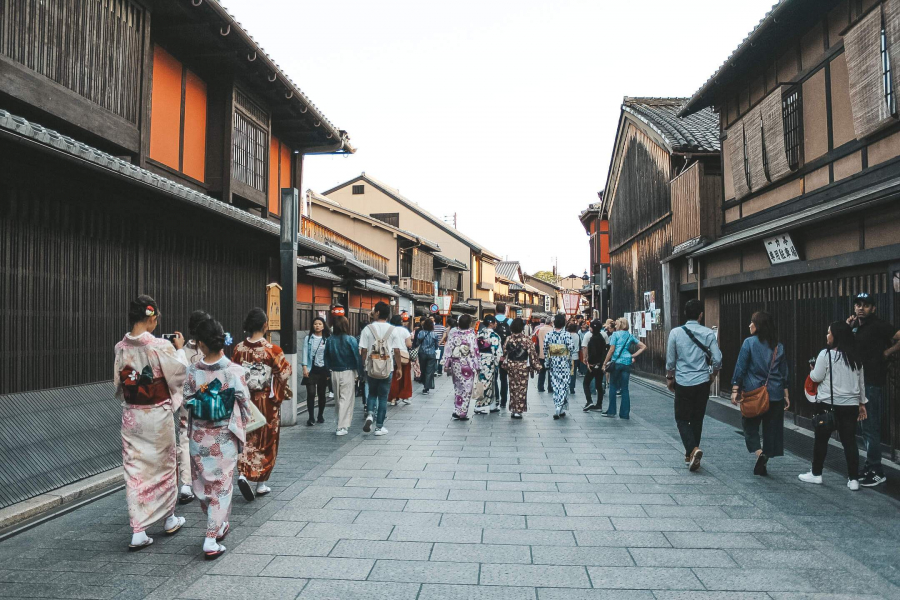
The Gion district in Kyoto is famous for its geisha quarter.
The tourism industry is one of the sectors most severely affected by the Covid-19 pandemic, which has forced many Japanese people to stay home. Hopes for a large influx of foreign tourists to Japan this summer have been dashed as the Tokyo Olympics were postponed and Japan imposed entry bans on over 100 countries and territories. According to a survey by the Tokyo Shoko Research Institute, 31 hotel and lodging companies in the country declared bankruptcy or were preparing to file for bankruptcy in April due to the impact of the Covid-19 pandemic.
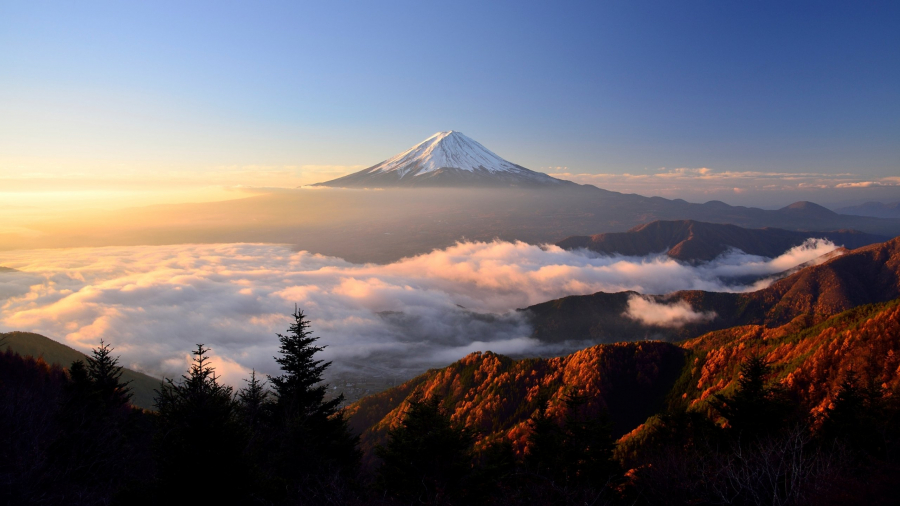
Previously, Mount Fuji was closed during this year's summer climbing season to prevent the spread of the complex Covid-19 situation in Japan.
On May 25, Prime Minister Abe Shinzō announced the lifting of the state of emergency in Tokyo and four other prefectures. These are the remaining prefectures that were under a state of emergency, after 42 out of Japan's 47 prefectures had already lifted it. Thus, the state of emergency, which had been in effect in Japan since April 7, has been lifted nationwide, allowing people to begin returning to normal life.