VI
VI


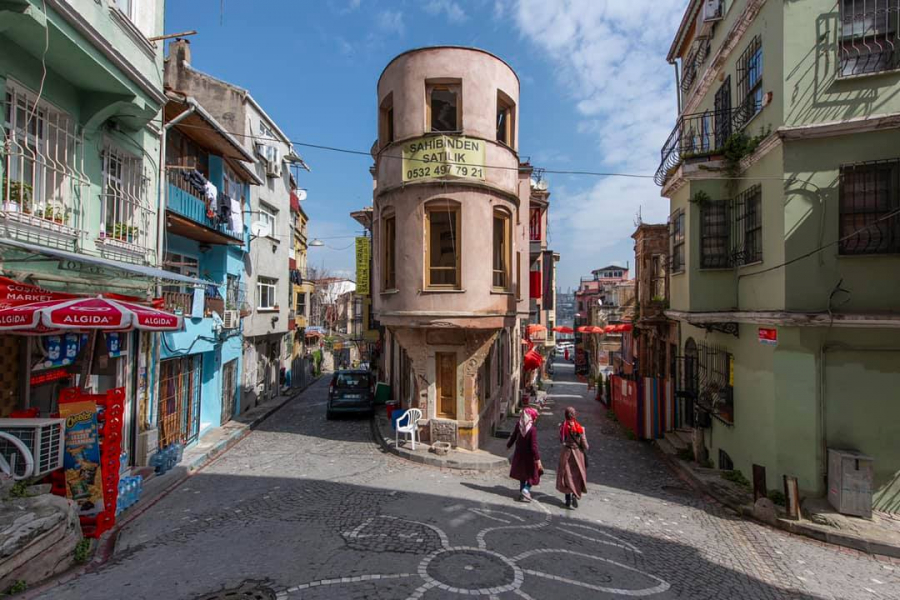
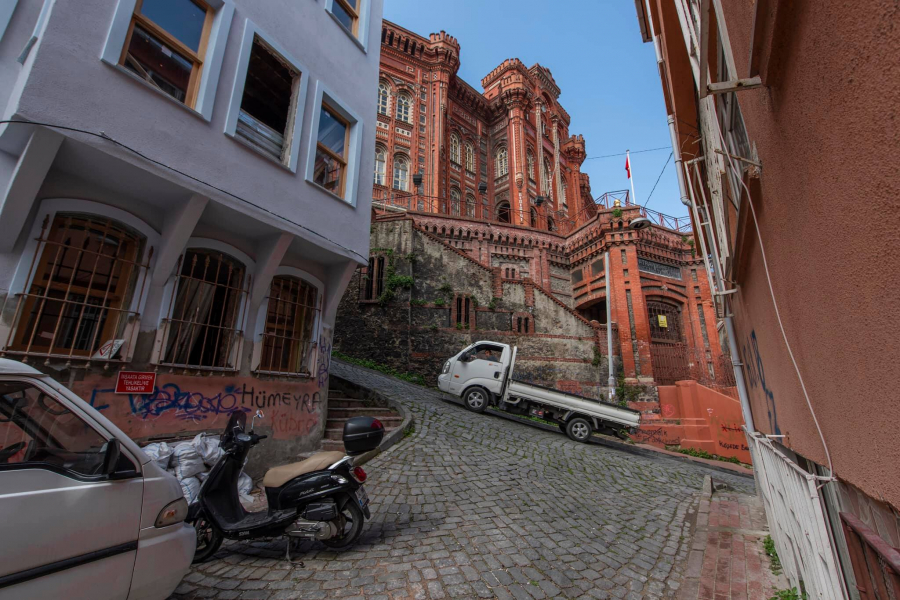
BALAT - A COLORFUL OLD TOWN
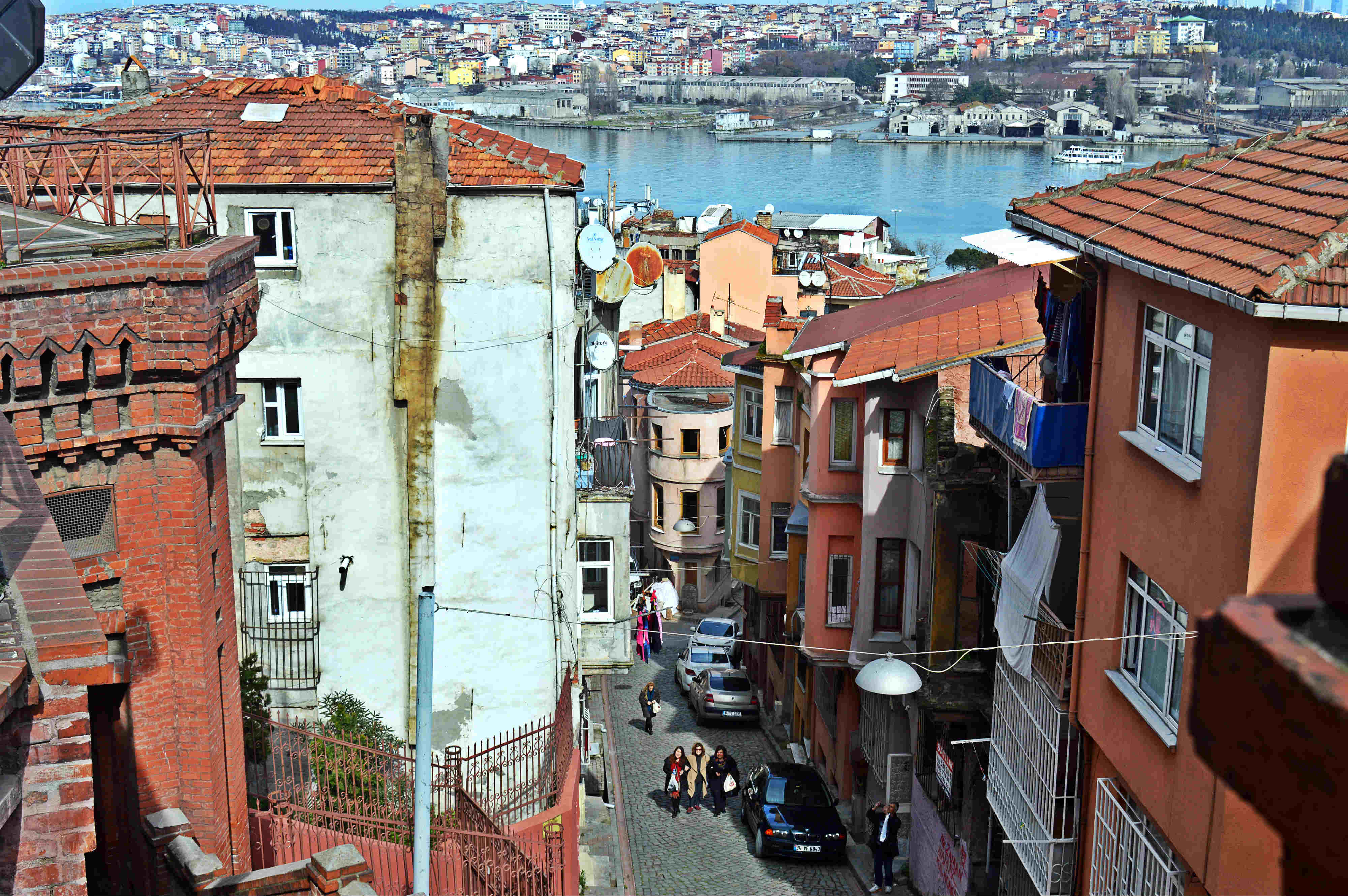
Balat is a traditional Jewish quarter in the Fatih district, located on Istanbul's European side, right on the western shore of the Golden Horn. Istanbul also has another quarter associated with Jewish settlements, Kuzguncuk, but it is located on the Asian side, distinct from Balat.
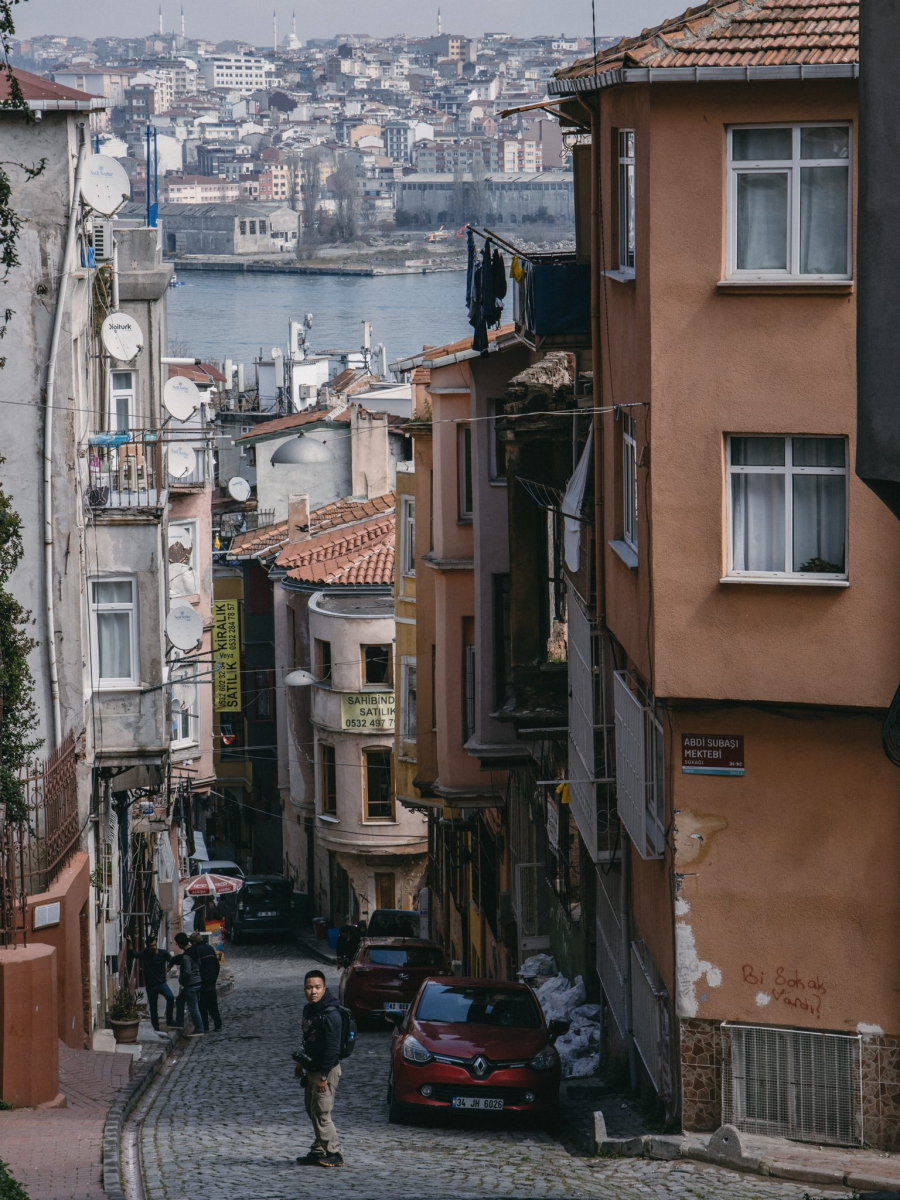
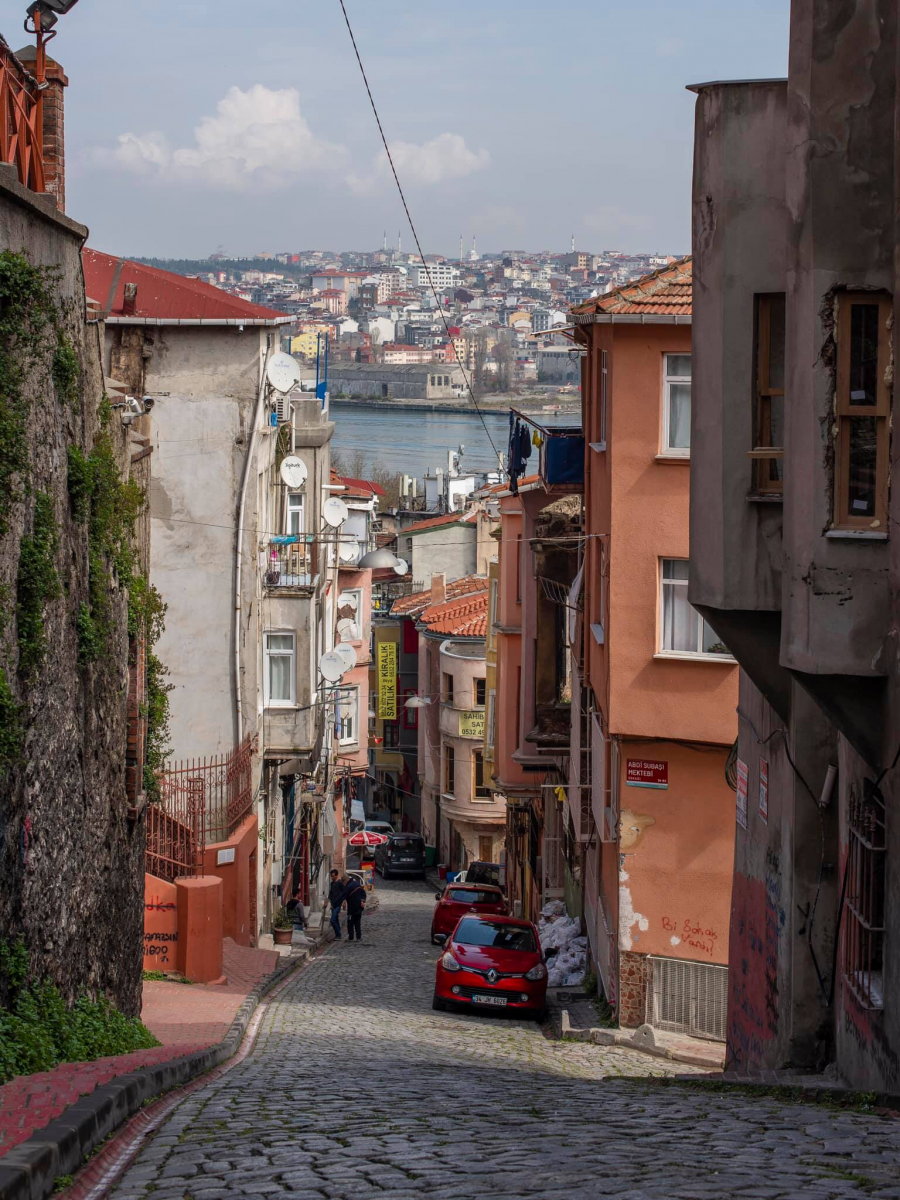
The name Balat was originally derived from a Greek name.“palation”,It means "magnificent palace". The houses in Balat are built in a traditional architectural style, simple yet beautiful and colorful. The people of Balat used to consider painting their houses in vibrant colors a hobby, and this has brought a fresh new look to the neighborhood.
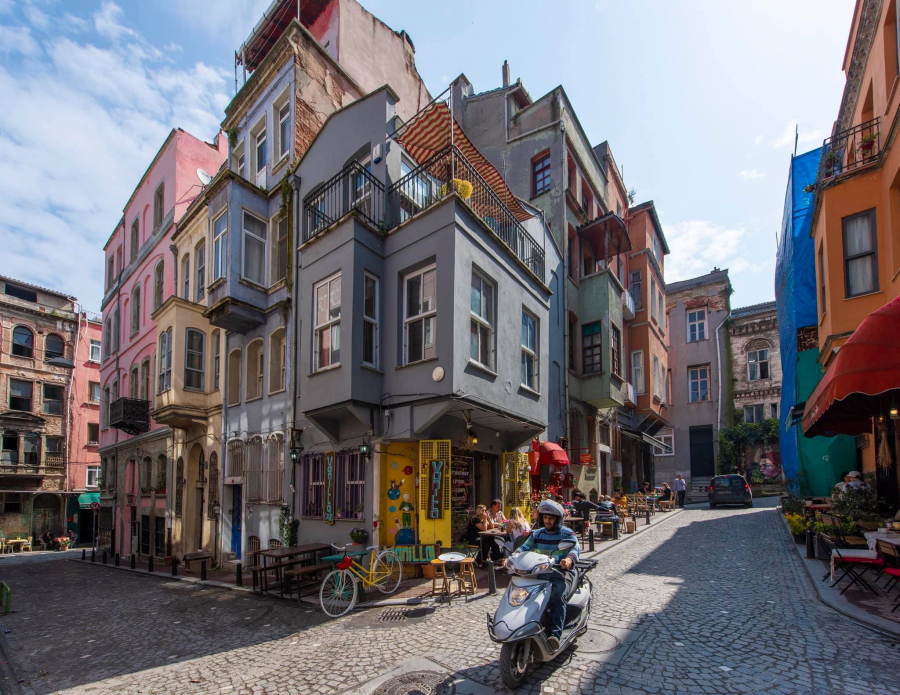
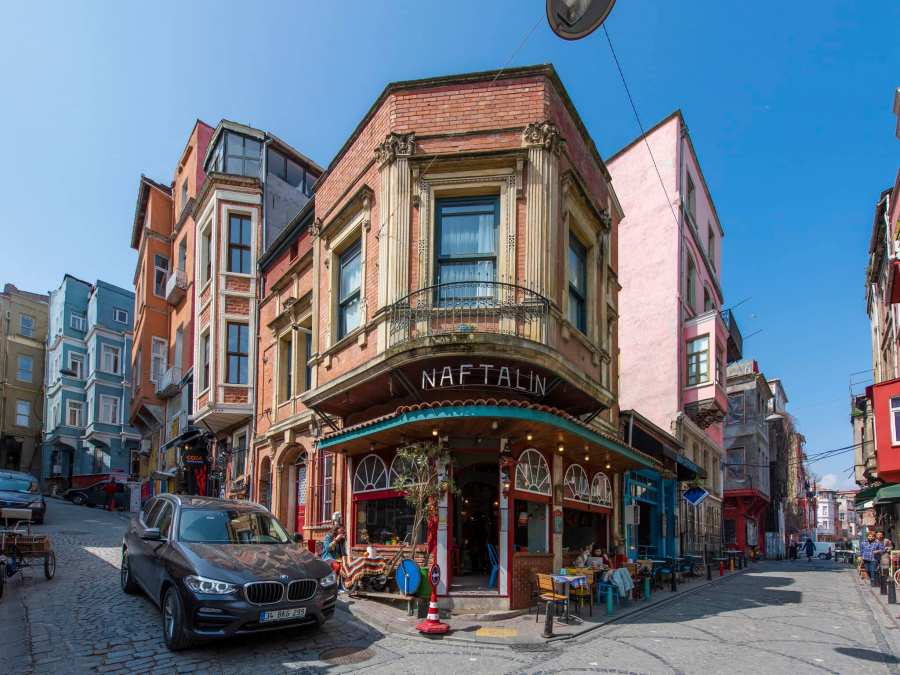
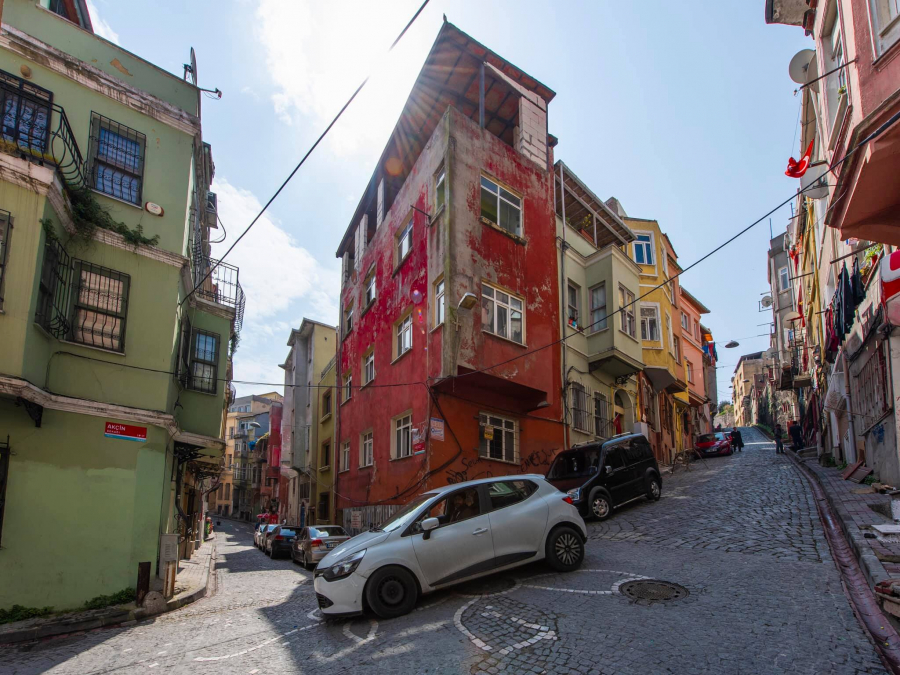
Balat also boasts a rich history dating back to the Byzantine era. Here, visitors can immerse themselves in colorful, labyrinthine streets lined with cafés alongside traditional tea gardens. It's wonderful to enjoy traditional Javanese cuisine at Maison Balat or admire the cozy, heirloom decorations in local households throughout the neighborhood.

Ortakoy Old Town
While Balat is a neighborhood closely associated with the Jewish community, the old town of Ortakoy is located within a triangle of mosques, churches, and synagogues, situated right on the water's edge at the foot of the Bosphorus Bridge. Visiting Ortakoy, tourists can take photos with the modern Bosphorus Bridge visible in the distance, creating a beautiful blend of classic and modern Istanbul. Visitors can also easily immerse themselves in the vibrant and unique life of the locals by strolling through street food stalls, craft markets, souvenir shops, cafes, and more.
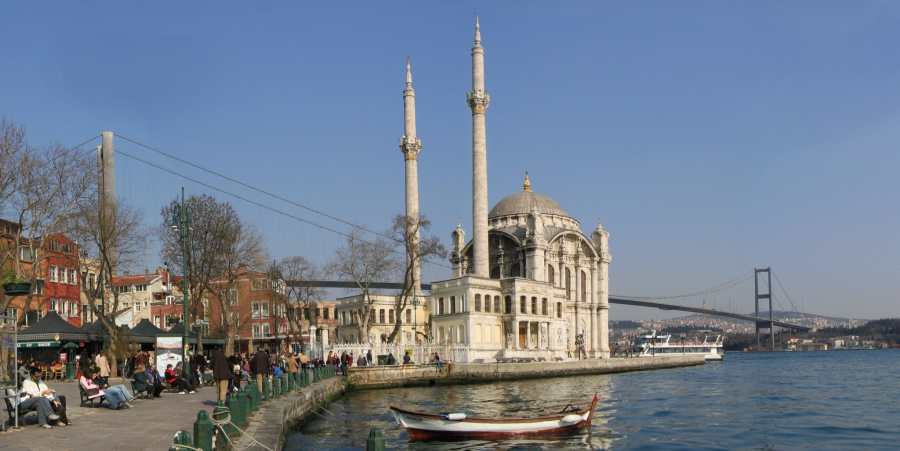
In Turkish, Ortakoy means "village for the middle class". In the past, during the Ottoman period and the early days of the Republic of Turkey, Ortakoy was an international area, a meeting place for Turkish, Greek, Armenian, and Jewish communities. Today, this old town still retains many religious structures (Islamic, Jewish, Orthodox, and other Christian).
Ortakoy is also a popular destination for locals and tourists alike, with its art galleries, nightclubs, cafes, bars, and restaurants. Besides the famous Bosphorus Bridge, visitors can explore many other cultural sites such as Galatasaray University, Kabataş Erkek Listesi High School, the European Tower of the Bosphorus Bridge, and especially the Ortakoy Mosque, a magnificent Neo-Baroque architectural masterpiece located right next to the Ortakoy pier, bordering the Bosphorus Sea, where visitors can clearly see passing ships.
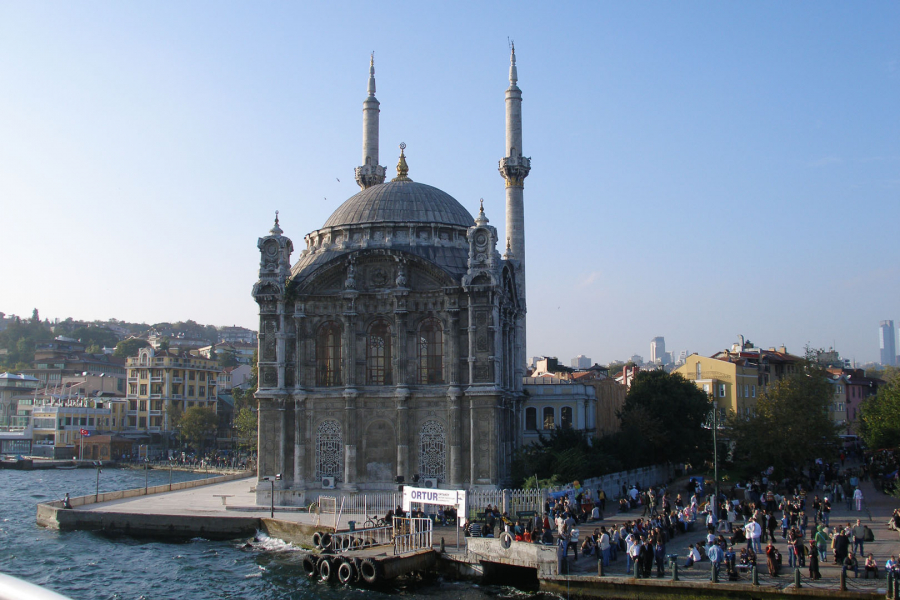
The Ortakoy Mosque is located next to Ortakoy Square, one of Istanbul's most famous landmarks. Originally built in 1721, it was destroyed during the Patrona Halil civil war. The current mosque was built on the original site, on the ruins of the Cantemir Palace, by Sultan Abdulmecid of the Ottoman Empire between 1854 and 1856. The renowned architects Garus Amira Balyan and Nigogayos Balyan (who also designed the nearby Dolmabahce Palace and the Dolmabahce Mosque) oversaw the construction of the Ortakoy Mosque.
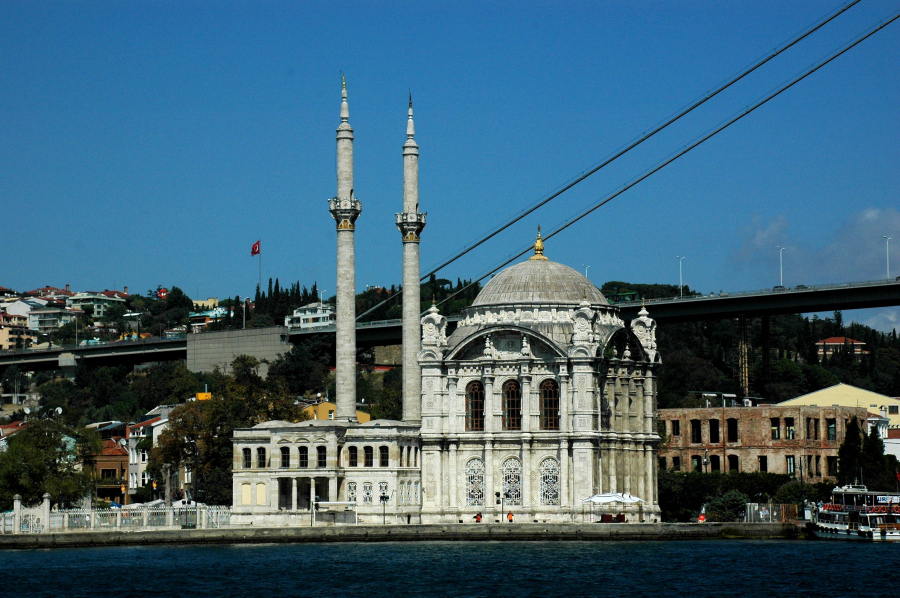
Ortakoy Mosque.
It can be said that old neighborhoods like Balat and Ortakoy have contributed to Istanbul's dazzling yet ancient charm. In 2018, over 16 million foreign tourists visited Istanbul. The city, proudly holding the title of "European Capital of Culture," has now become one of the world's most attractive tourist destinations and fully deserves its UNESCO World Heritage status.