VI
VI


Adobo
Adobo is one of the signature dishes of the Philippines. Although its name has Spanish origins, the way it is prepared is entirely Filipino. This is because the Spanish learned how to prepare this dish from the Filipino people when they occupied the country in the 16th and 17th centuries and named the dish after them.
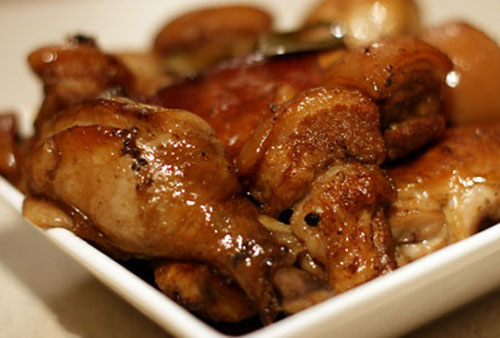
This dish typically uses chicken or pork as the main ingredient, marinated in garlic and soy sauce for several hours. The marinated meat is then simmered in water with vinegar, bay leaves, salt, and black pepper. Adobo is usually served with rice, making the dish even more delicious and appealing. Abodo is so popular that you can easily find it on almost every street corner in the Philippines.
Lechon
Lechon (roasted pork) is an indispensable dish during festivals and family celebrations in the Philippines. The pork is marinated, skewered on bamboo sticks, and roasted over a low charcoal fire. Because of its elaborate preparation, Lechon is usually reserved for special occasions.
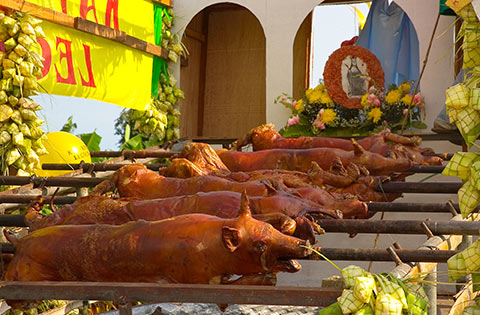
In addition, there are many other popular, cheaper, and easily found grilled dishes such as Pinoy grilled pork and inihaw na manok (grilled chicken). If you're eating grilled food in Cebu, be sure to order puso (also known as Ketupat), a type of rice cake wrapped in woven palm leaves.
Kare Kare
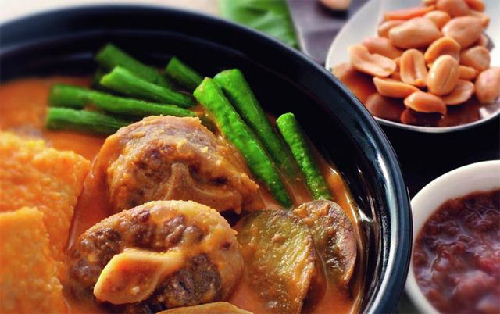
This stew with vegetables, oxtail, tripe, and beef is a standout dish, different from other Filipino stews (most of which use tomato sauce) not only because it uses peanut sauce but also because its accompanying accompaniment is bagoong alamang, also known as shrimp paste.

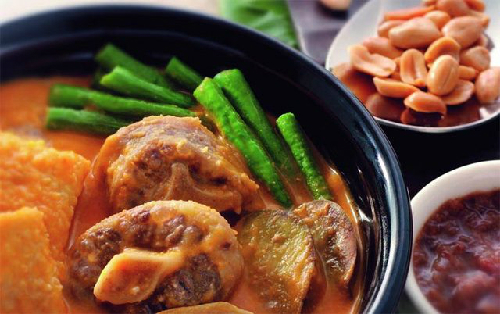
Currently, Kare Kare is a very popular dish in the Philippines with many different recipes. This dish is believed to have originated in Pampanga (a region in Luzon) or possibly from the Moro people (a Muslim group in the Philippines).
Sinigang
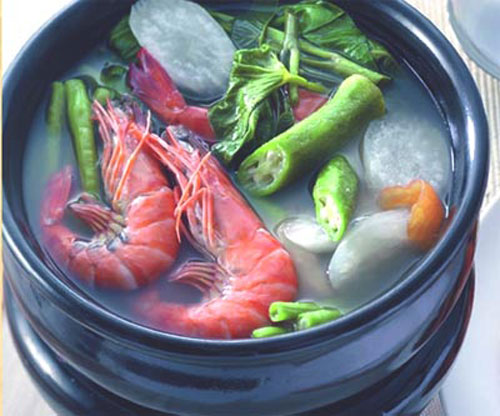
Sinigang is a sour soup made with meat or fish, and it's a very popular dish in the Philippines. Known for its intensely sour flavor, it's a common feature in Filipino meals. Other ingredients include meat or fish (usually pork), okra, and spinach. Enjoying Sinigang in different regions of the Philippines will reveal distinct flavors.
Bicol Express
Like most countries in the world, Filipino cuisine often uses readily available ingredients. The Bicol region in southeastern Luzon is a coconut-growing area, and therefore coconuts are frequently used in the preparation of dishes there.
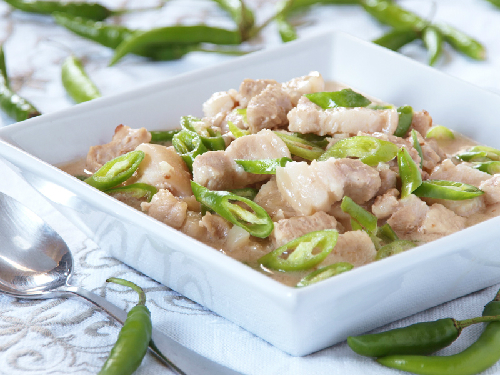
Bicol Express is one of the most famous dishes here. The main ingredients for Bicol Express are typically bird's eye chili peppers and coconut milk, giving the dish a tongue-tinglingly spicy and sweet flavor, prepared with pork and various vegetables. The dish is named after the railway line that ran from Manila to the Bicol region, bringing with it this dish that originated in Manila.
Halo Halo
Besides savory dishes, desserts in the Philippines are also incredibly diverse, mainly consisting of rice cakes and sweet fruits. A standout among them is Halo Halo.
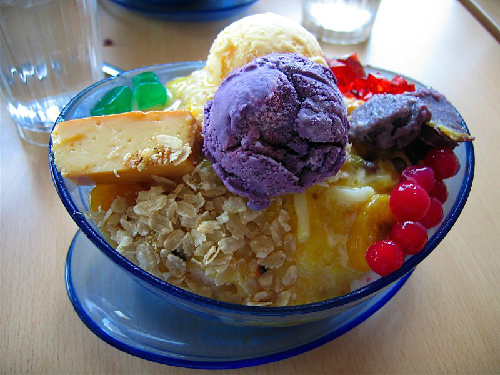
Halo Halo, meaning "mix mix," is the name of a very popular drink in the Philippines. This refreshing treat is a blend of flavors, colors, and ingredients from tropical fruits like jackfruit, sapodilla, papaya, and banana; beans like red beans, green beans, and white beans; sweet potatoes, purple yam, cornstarch, and tapioca pearls, all mixed with sponge cake cream. Each fruit is arranged separately, topped with shaved ice and a layer of condensed milk. When eaten, mixing everything together creates a truly unique flavor experience. This is a very healthy and refreshing drink.