VI
VI




Besides its many beautiful scenic spots, Taiwan is also an attractive destination for those who love culture and history, as it has many ancient, tranquil towns that are centuries old.
Jiu Fen Old Village
Whenever people travel to Taipei, they surely include Jiufen Old Village on their list of must-see destinations. Jiufen is located in Ruifang District, New Taipei City. In the past, Jiufen was a bustling town due to its camphor mining activities. There used to be as many as ninety different camphor mines divided into nine zones, hence the name Jiufen (Nine Parts). Today, the village attracts visitors with its peaceful, quiet atmosphere and relaxing, comfortable space, making it an ideal place for rest and relaxation.
Jiufen sits atop a cliff, offering breathtaking views of the town surrounded by mountains and the sea. The occasional floating clouds create an incredibly romantic and magical atmosphere around this ancient Taiwanese town.
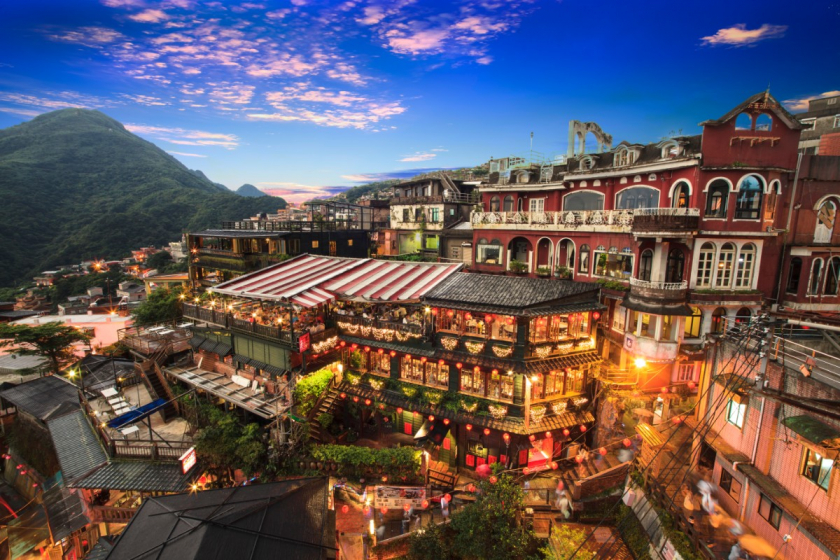
Jiufen sits atop a cliff, overlooking a town surrounded by mountains and the sea.
In Jiufen, there are long, winding streets and narrow alleys, so people often explore the village on foot instead of using vehicles like in many other tourist destinations. Along Shiqu Street are ancient houses, shops, cafes, restaurants, and tea houses where travelers can stop and rest during their journey. Shiqu Street also boasts many snack stalls offering delicious treats such as sticky rice cakes, taro sticky rice cakes, Kim Thanh meatballs, and hot and cold taro dumplings.
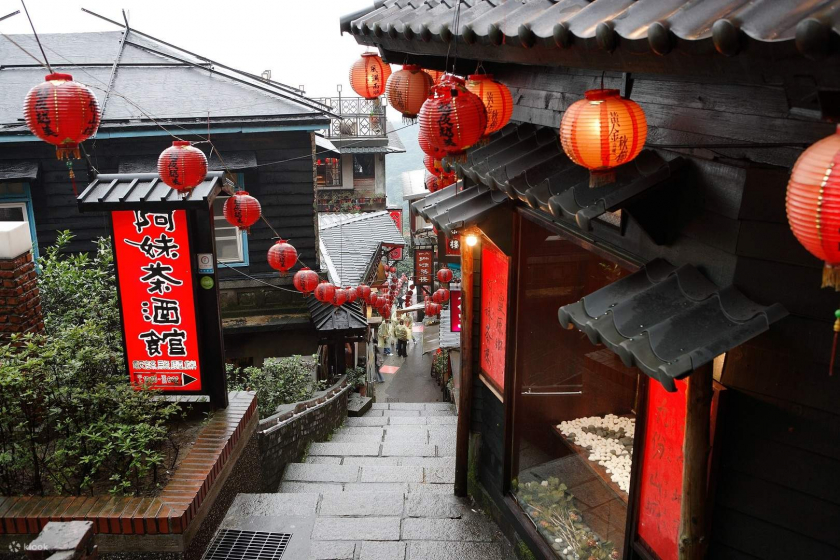
In Jiufen, there are long, winding streets and deep, narrow alleys, so people tend to explore the village on foot instead of using vehicles like in many other tourist destinations.
- Traveling by train:
From Taipei Main Station to Ruifang Station, then take a bus from the Ming Dong Road stop, bus number 827 or 788 towards Jiufen Village. There is also bus number 825, but it only operates on weekends.
- Travel by MRT train:
Take the MRT to Zhongxiao Fuxing station (at the intersection of the Brown and Blue subway lines), exit through exit 2, and find the bus stop (outside Sogo department store). Take bus number 1062 (Keelung bus) to Jinuashi and get off at Jiufen.
Sanxia Old Town
Sanhe is a 260-meter-long, ancient town located in northern Taiwan. Originally, this ancient town was called Sanhe. However, due to its location at the confluence of three rivers, it was renamed Sanhe, as it is known today.
Nestled in a fertile plain at the foot of the mountains and blessed by nature, Sanhe has provided excellent conditions for economic development. After immigrants from Fujian and Guangdong provinces arrived in Taiwan, they settled and developed Sanhe. Since then, it has become a bustling center for transporting goods such as pottery, tea, and dyed fabrics from the river to central Taipei.
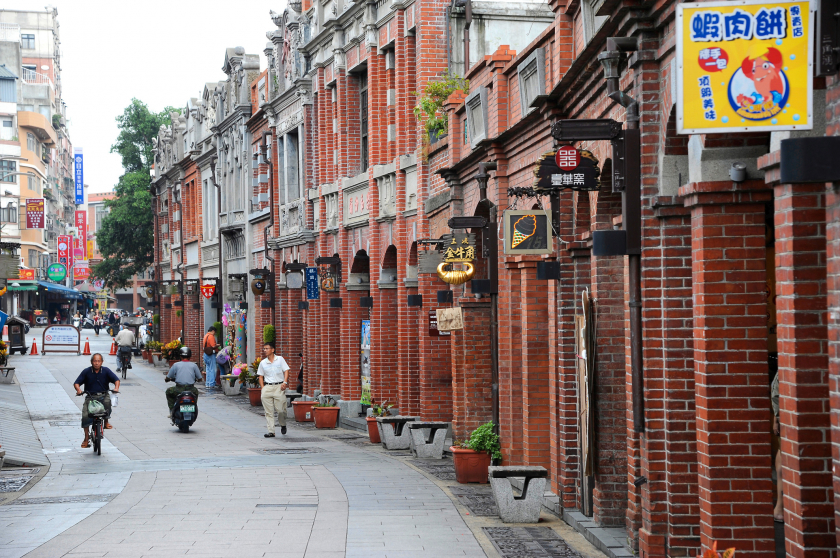
Sanhe is a quaint, 260-meter-long town located in northern Taiwan.
However, as transportation shifted elsewhere and the use of waterways declined, the town lost its economic importance. Yet its cultural value remained undiminished thanks to the Qing Shui Shi Zu Temple. With its exquisite blend of religion and art, this temple is a masterpiece of intricate carving and complex structure, and a center of Chinese religious worship. These features have made Sanxia Ancient Town an attractive destination for both domestic and international tourists.
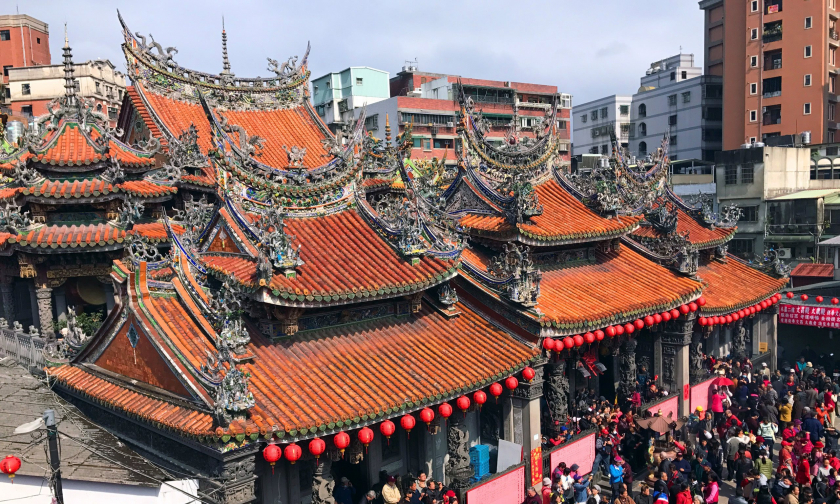
With its exquisite blend of religion and art, the Qing Shui Shi Zu (Qing Shui Ancestor Temple) is a masterpiece of intricate carving and complex structure, as well as a centerpiece of Chinese religious worship.
In 1920, due to urban planning policies, the streets in this old town were renovated, and merchants also refurbished their houses in the European style of the time. This resulted in a unique architectural style with red tiled roofs and distinctive signs.

- Traveling by train:
From the high-speed rail or Taiwan Railways to Banqiao Station, then transfer to Taipei Bus 702 or 705 and get off at Sanhe Old Town Station.
- Take the MRT subway:
Take the Taipei Bannan Line and get off at Xinpu Station – then transfer to Capital Bus 802. If you get off at Yongning Station, then transfer to Taipei buses 706 or 812.
Yingge Ancient Town
The ancient town of Yingge became famous in the early 19th century when Wu An, a potter from mainland Guangdong, immigrated to Taiwan. Previously, the area was lined with numerous pottery workshops along Wenhua Road and Jianshan Road, earning it the nickname "Pottery Road." However, the traditional kilns along these roads have now disappeared, replaced by pottery shops lining other streets in this ancient town of Taiwan.
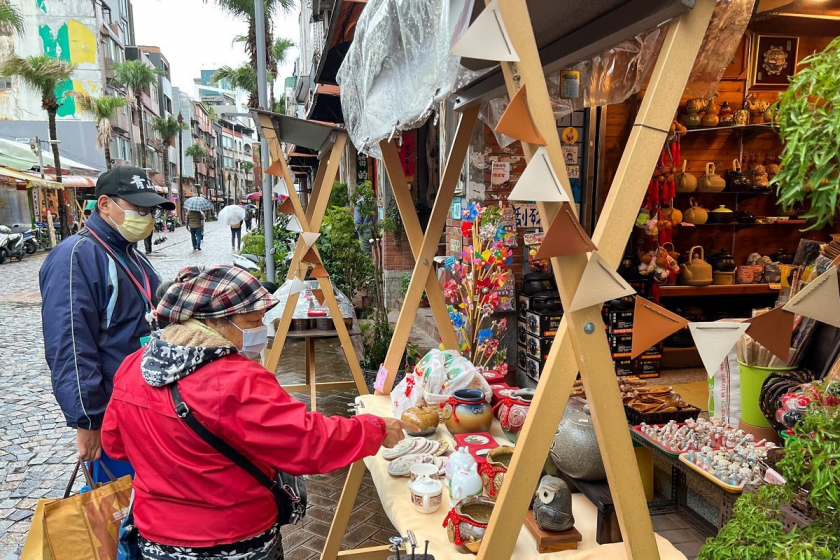
Previously, there were many pottery workshops along Wenhua Road and Jianshan Road, so this area was known as the pottery road.
The entire ancient town is filled with ceramic-related artworks and crafts, boasting a rich artistic and cultural heritage. The Oanh Ca Ceramic Street also hosts occasional activities and performances in the pedestrian-only area every afternoon on weekdays, Saturdays, and Sundays. Additionally, there are exhibitions and sales of new ceramic products, accompanied by the aroma of tea and coffee. Here, you can stroll along the streets and choose your favorite ceramic artwork, or even try your hand at pottery making.
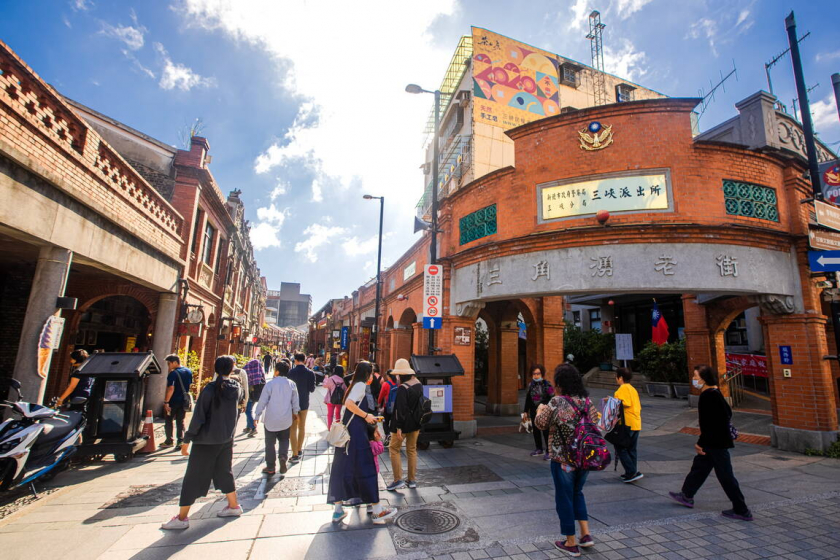
The entire ancient town is filled with works and crafts related to ceramics, boasting a rich artistic and cultural heritage.
- Travel by bus or car:
Tourists can follow National Highway 1 to the East-West Expressway, turn onto National Highway 2, exit at Dai Nam Interchange, and then follow Yingtao Road and Zhongshan Road to reach the destination.
If traveling along National Highway 3: Get off at Sanying Interchange, which connects to Tam Oanh Bridge, turn onto Trung Son Road and continue along Quoc Khanh Road.
- Traveling by train:
Take the train to Oanh Ca Railway Station and walk 1 km along the Southern Railway.
Bopiliao Historical Site
The Old Street of Bopiliao stretches along Lane 173, Kangding Road, Wanhua District, Taipei. The street extends north to the boundary of Laozong Elementary School and south to Guangzhou Street.
Upon arriving in the old town of Bopiliao, you'll be impressed by the red brick buildings with their distinctive Baroque carvings. Here, the streets are meticulously preserved, and many traditional shops date back to the Qing Dynasty, as well as buildings from the Japanese occupation and the early post-war period. These buildings have witnessed the development of the Monga (Wanhua District) area over the years and form an important part of Taipei's historic urban landscape.
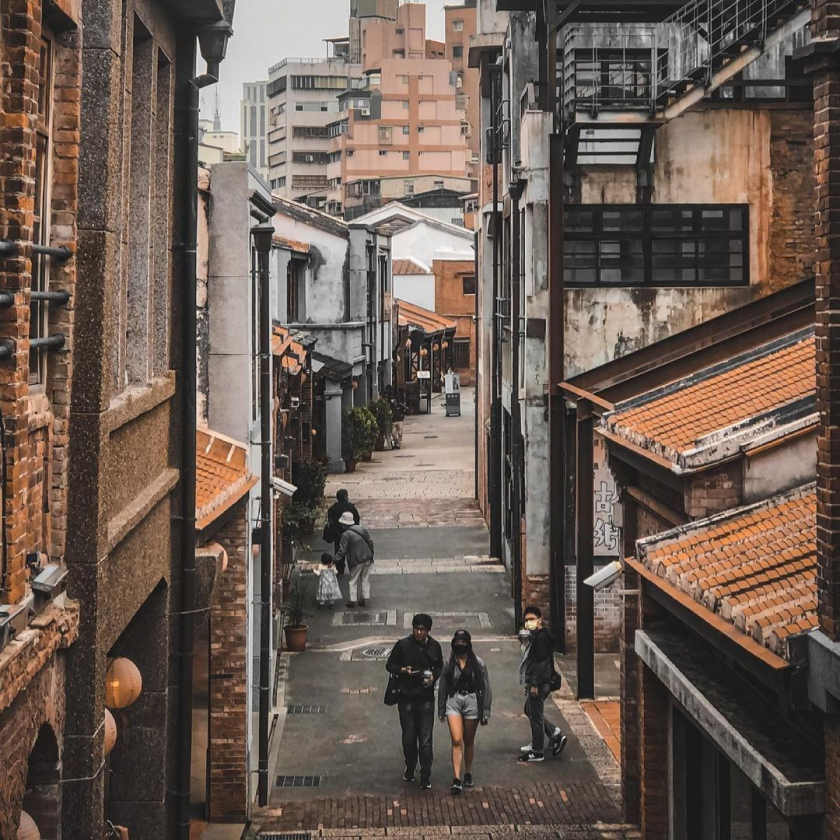
The Old Town of Bopiliao stretches along Lane 173, Kangding Road, Wanhua District, Taipei.
Among the historical buildings here, the most prominent are the house of the renowned scholar Zhang Binglin at 123 Guangzhou Street, the Shintomicho Cultural Market, and the West Gate Red House. In addition, Longshan Temple and the surrounding shops selling traditional Chinese medicine, herbs, and Buddhist artifacts further enhance the historical and cultural charm of this area.
- Go by MRT
Tourists can take the MRT Bannan Line, get off at Longshan Temple Station and take Exit 3. From there, walk along Kangding Road for about 3 minutes.
- By train
If traveling by train, get off at Wanhua Station and then walk along Kangding Road for about 10 minutes to reach the town.
Fenqihu Ancient Village
For Taiwanese people, when visiting Alishan, you absolutely must not miss Fenqi Lake. This is where the transfer station of the Alishan Forest Railway is located.
Historically, the ancient village of Phan That Ho was a prosperous and vibrant place. As times changed, although it no longer resembled its golden age, it remains a renowned cultural destination not to be missed.
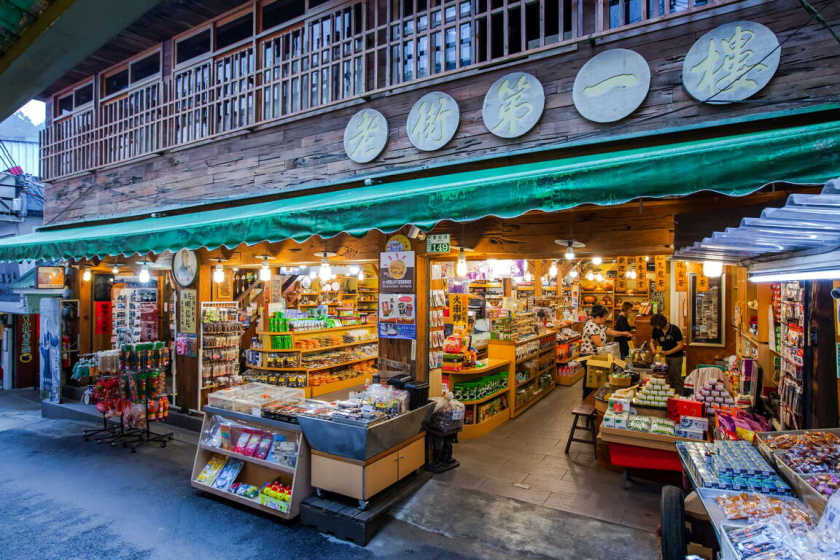
For Taiwanese people, when visiting Alishan, you absolutely must not miss Fenqi Lake.
When visiting Fenqihu Town, you absolutely must try the Bento box. Unlike the Japanese Bento, the Bento boxes here carry the essence of tradition, culture, and handcrafted preparation methods, resulting in a delicious and memorable taste.
If you visit the old train station in Fenqihu, you'll also find a small museum dedicated to vintage locomotives, established to commemorate the station's 100th anniversary.
Behind the station waiting area lies the old town. Japanese-style houses appear before your eyes, and handicrafts, health supplements, and sweets are sold in abundance. Mochi, green tea jelly, and other Japanese treats are also available. The station and the old town are quite small, taking about 20 minutes to explore. The old town of Fenqihu doesn't have the same accommodation system as larger cities, only a few guesthouses, as it's a stopover for travelers continuing their journey up Alishan Mountain.
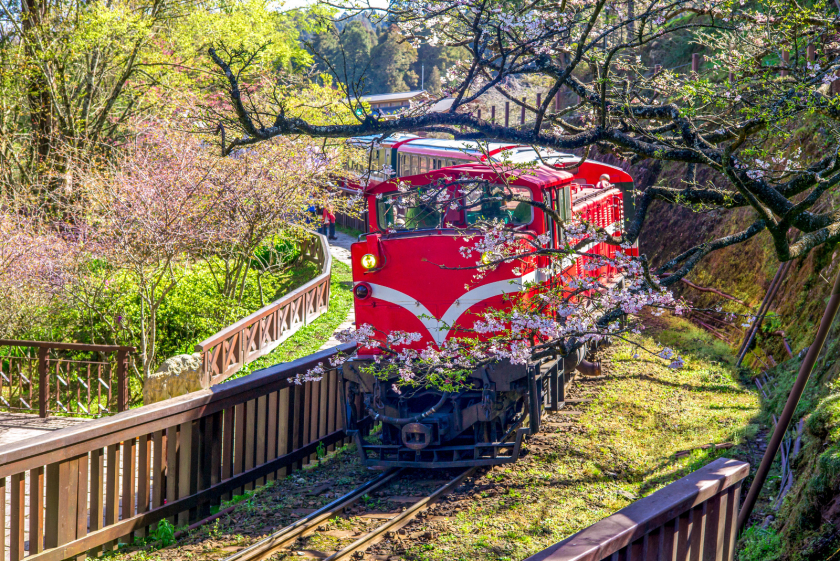
The town of Fenqihu is a stopover point for travelers continuing their journey up Alishan Mountain.
From Chiayi Station, go to the information counter to buy train tickets from Chiayi to Fenqihu. Travelers should note that there are very few trains and buses to Fenqihu, so departures might be as early as 3 PM or as late as 9 PM. To get specific information and schedules, you should check transportation information at Chiayi Station.