VI
VI


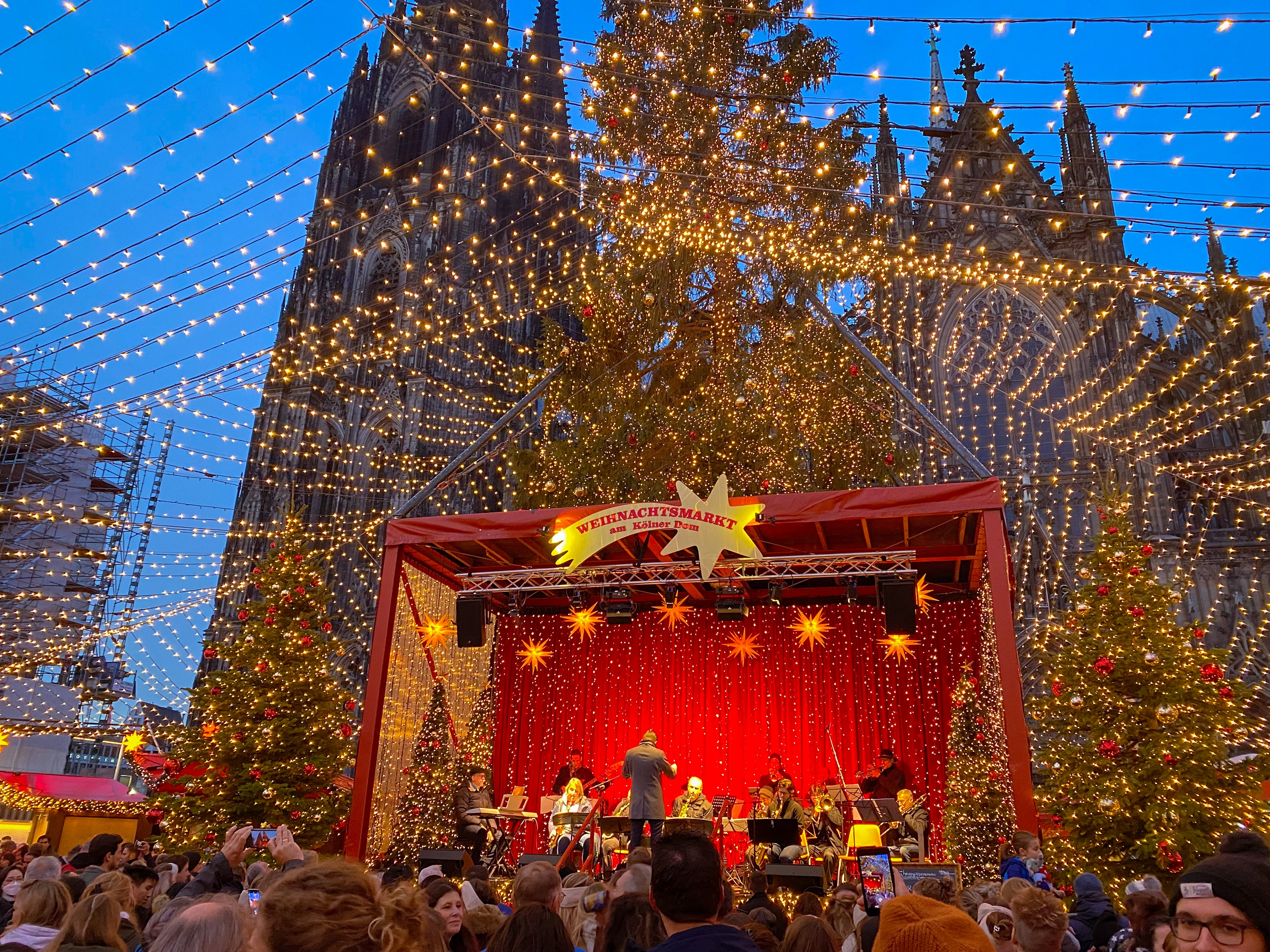
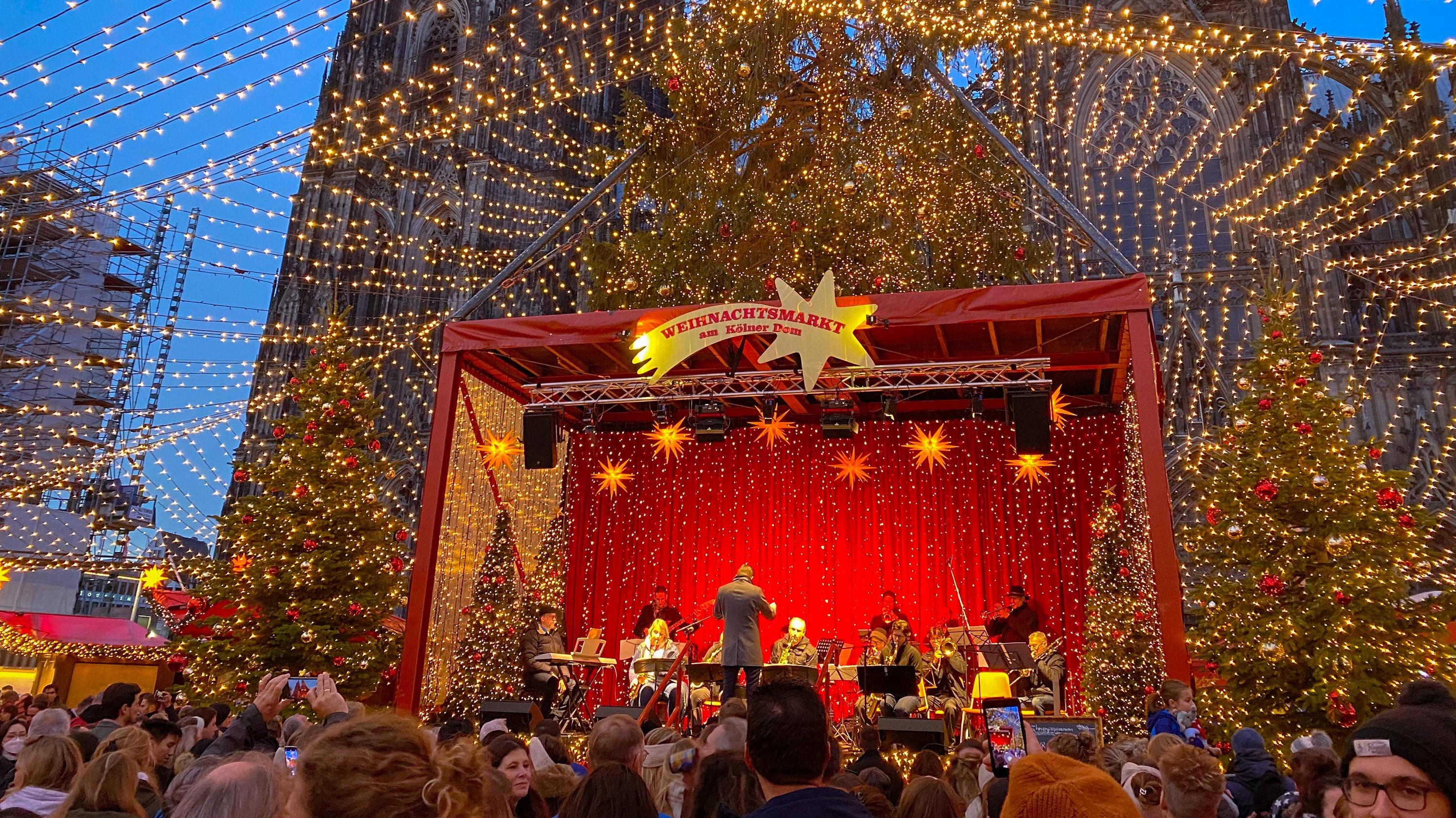
Christmas is undoubtedly one of the biggest holidays of the year for Europeans. When mentioning this holiday, one cannot ignore the Christmas markets, adorned with dazzling lights, and stalls filled with the fragrant aroma of cinnamon and mulled wine.
Christmas markets in Europe typically open from mid-November until just before Christmas Day on December 23rd, or sometimes extend into early January at some larger markets. This year, Christmas markets have reopened after being closed for two years due to the Covid-19 pandemic.
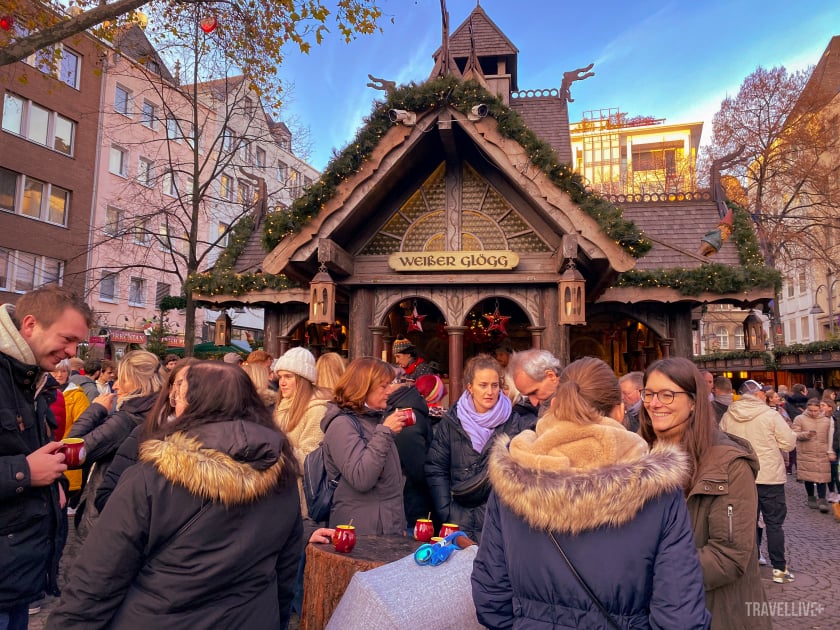
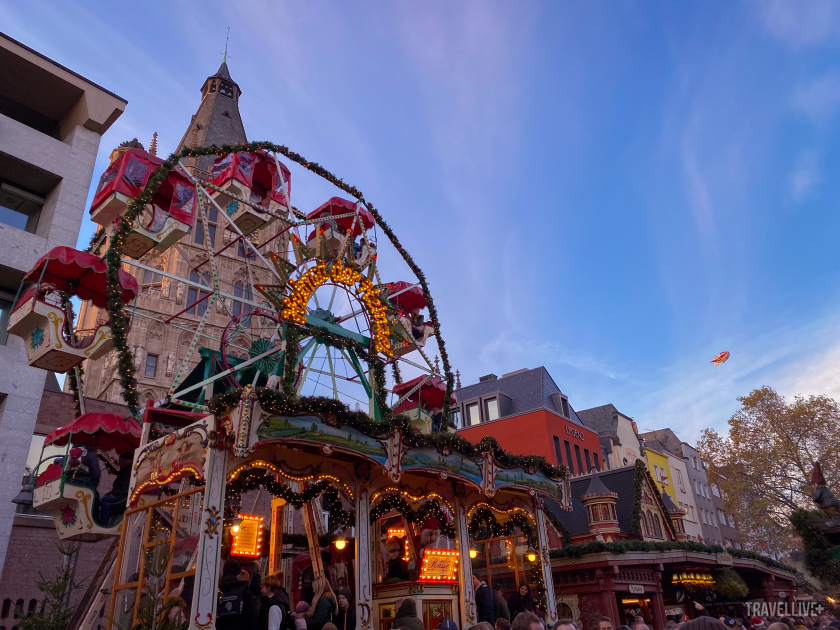
Each market has its own unique decorative style.
Cologne, Germany, is considered one of the most worthwhile cities to visit during Christmas in Europe, with its large and renowned Christmas markets. These markets are scattered throughout the city, each decorated with its own theme and featuring stalls in distinct styles.

Two of the most famous markets that almost every tourist would want to visit at least once are the market at the legendary Cologne Cathedral (Köln Dom) and the market in the Old Town (Heinzels Wintermachen).
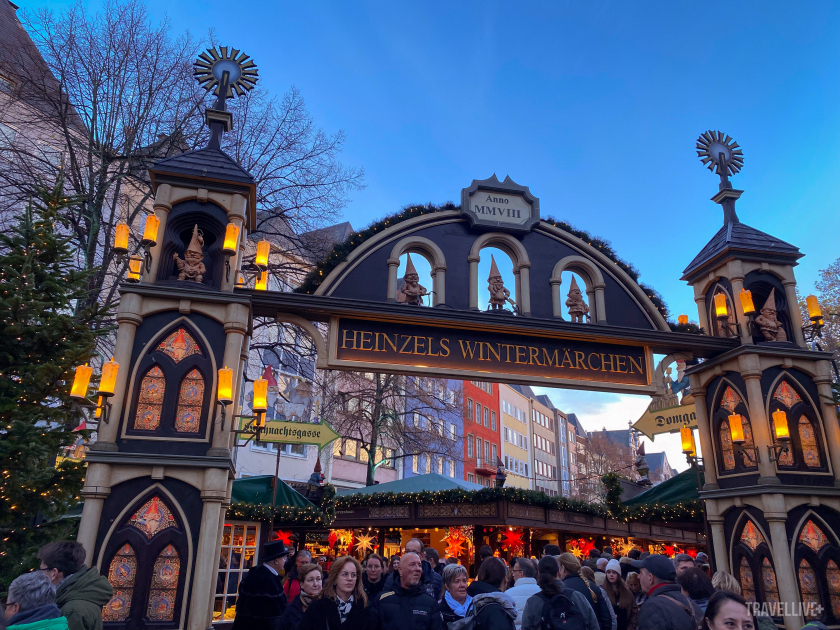
The Heinzels Wintermachen market is located right in the old town and is only a few hundred meters from the market near the Dom cathedral.
As soon as I stepped out of Cologne train station, I saw crowds of people flocking towards the glittering lights and the giant 25-meter-tall Christmas tree at the Christmas market next to the famous Dom Cathedral. It wasn't just the sight that captivated me; the aroma of mulled wine, cinnamon rolls, and German sausages also compelled me to stop.
It's often said: If you go to a Christmas market and haven't tried mulled wine, you haven't really been here. In the cold winter weather of Europe, what could be better than slowly sipping mulled wine, your body warming up, whether from the alcohol or the heat of the wine itself...
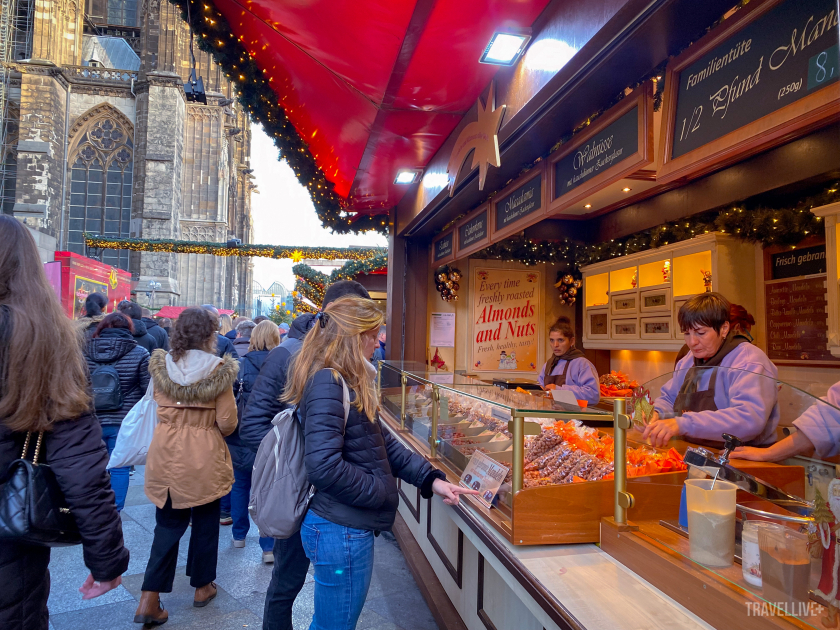
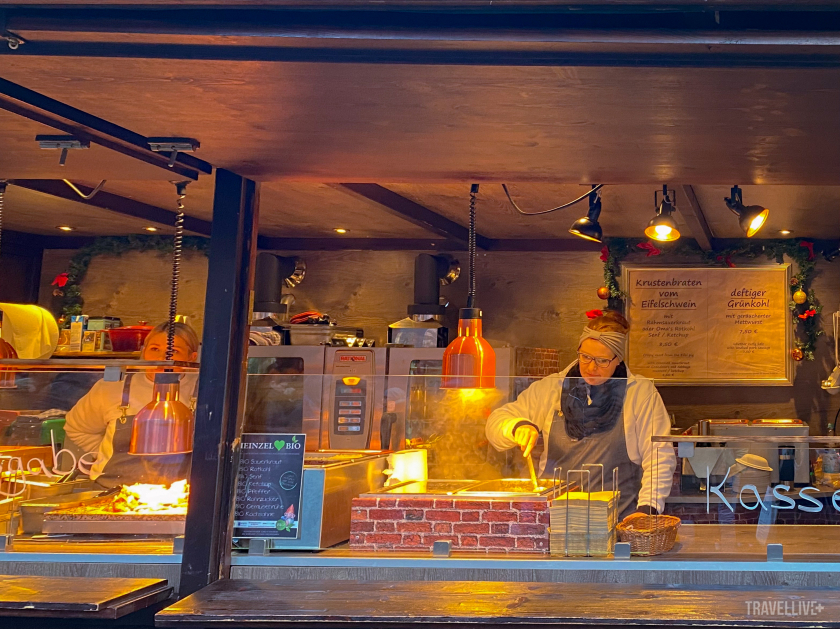
The enticing aroma of hot local specialties drew me to the stalls.
The mulled wine here is usually served in cups with distinctive decorations unique to each market. For example, cups at the Dom Cathedral Market will feature the iconic cathedral, while those at the Angel Market will have cups shaped like angels with various expressions. When paying, I was asked to deposit an additional 3 euros for the cup, which would be returned upon returning the cup, or I could choose to forfeit the deposit and keep the cup. So impressed by the unique and one-of-a-kind designs on these cups, I decided to keep and collect the cups from these Christmas markets as a way to relive the memories. This is also considered one of the effective ways Christmas markets promote both wine sales and souvenir cup sales.
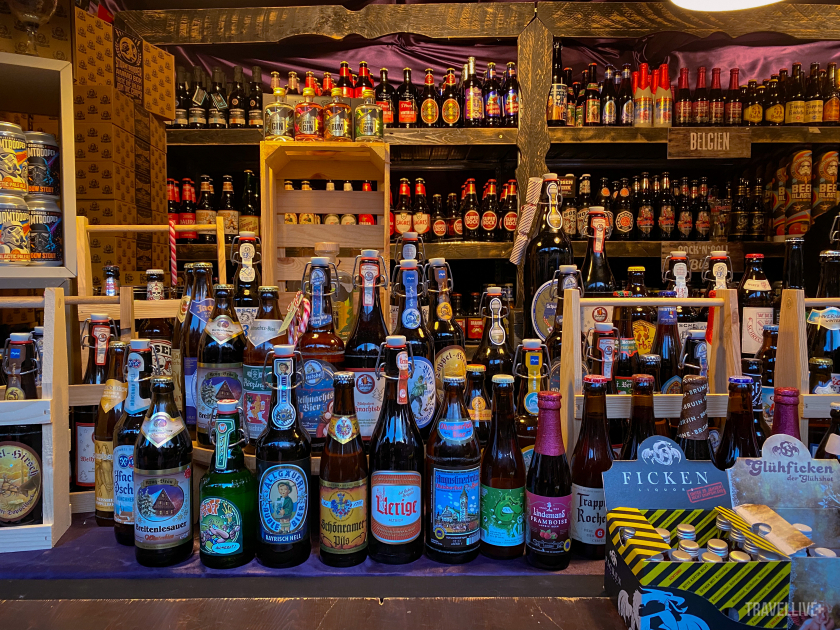
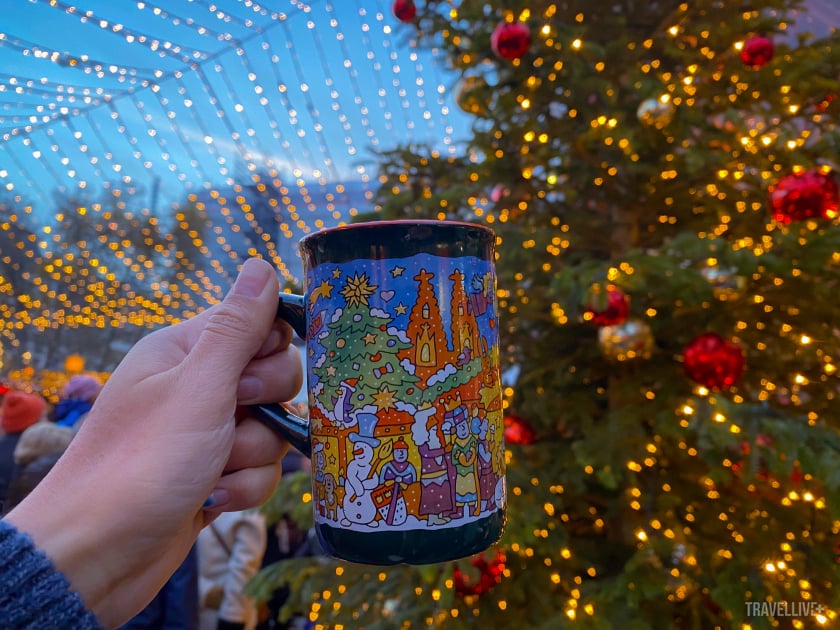
Mature wine, or glühwein, is a must-try drink at any Christmas market.
Visiting these Christmas markets, some might not like the crowds and congestion. Sometimes, the market is so crowded that people have to queue and inch forward little by little. However, I personally find that this lively, bustling, and bustling atmosphere is an indispensable part of what makes Cologne's Christmas markets so famous. Surrounded by groups of people chatting animatedly, holding cups of mulled wine, I felt the warmth and joy of the Christmas festivities in a foreign land.
Additional information
Move:Cologne, also known as Köln, is Germany's fourth largest city, located approximately 200km from Frankfurt. From Vietnam, you can fly directly from Hanoi/Ho Chi Minh City to Frankfurt and then take a train, which takes about an hour and a half, to reach Cologne.
Time:You can choose to visit Cologne at any time of year, as the city's festivals are held throughout the year. However, you might prefer to visit between October and February to participate in the famous Carnival or explore the vibrant Christmas markets.