VI
VI


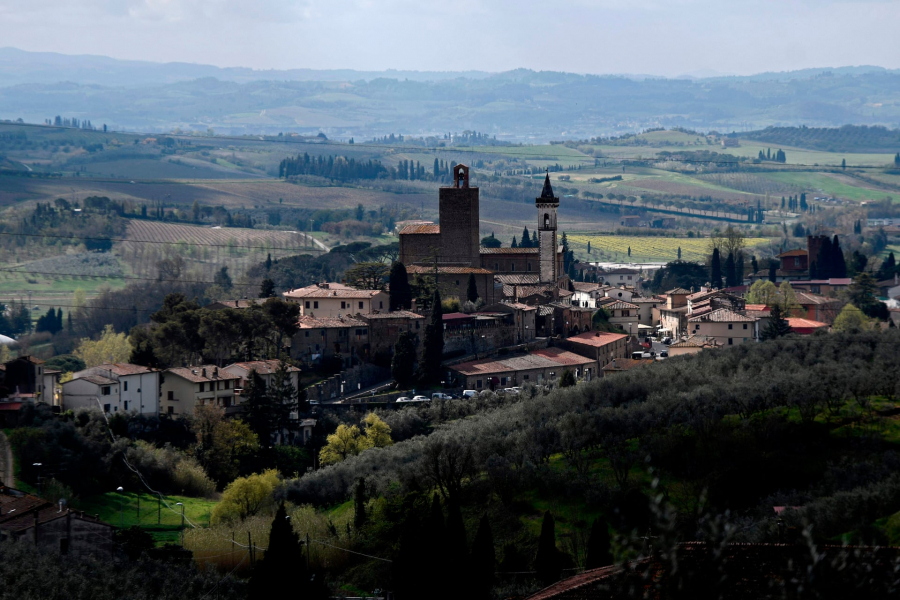
A view of Vinci, the Tuscan village where Leonardo da Vinci was born.
The lush vineyards, fields, and streams that inspired Leonardo's art have changed very little over the centuries. Renaissance experts believe that the painter's most famous works, including "Mona Lisa" and "The Last Supper," were inspired by his upbringing in this very land.
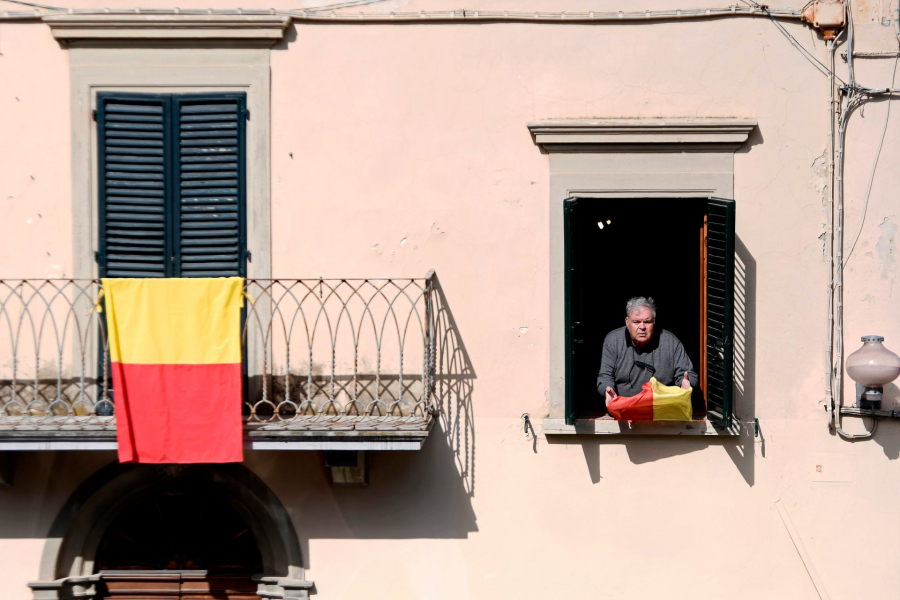
A villager holds a flag bearing the colors of a Tuscan village.
Born on April 15, 1452, as the result of an illicit relationship between a notary and a teenage peasant girl, Leonardo was raised by his grandfather and uncle after his birth.
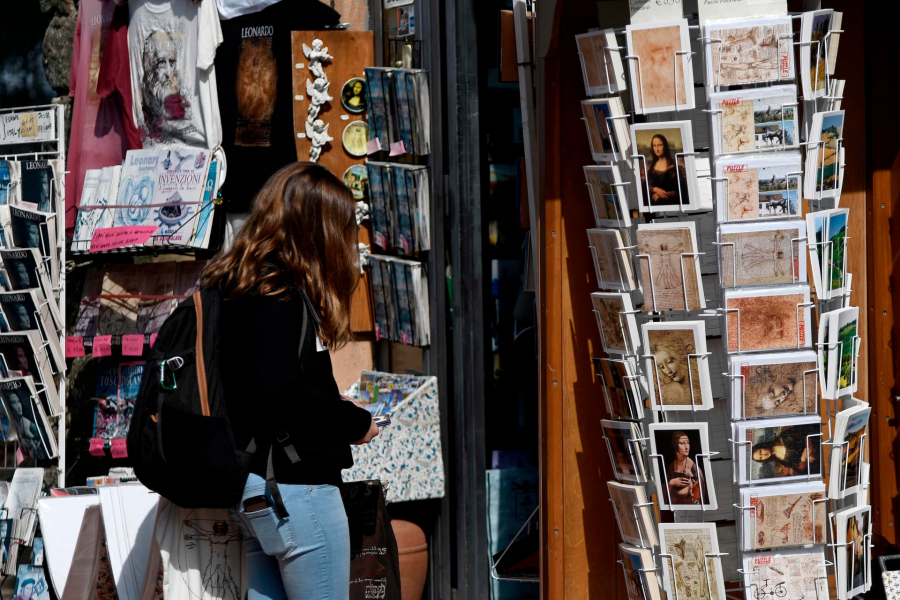
A tourist is browsing items in a souvenir shop that bears the distinctive mark of Leonardo da Vinci.
Visitors to Vinci almost all share a common desire: to be able to stroll along the paths the renowned painter walked five centuries earlier, admiring the waterfalls and vineyards that once captivated the artist's eyes and heart.

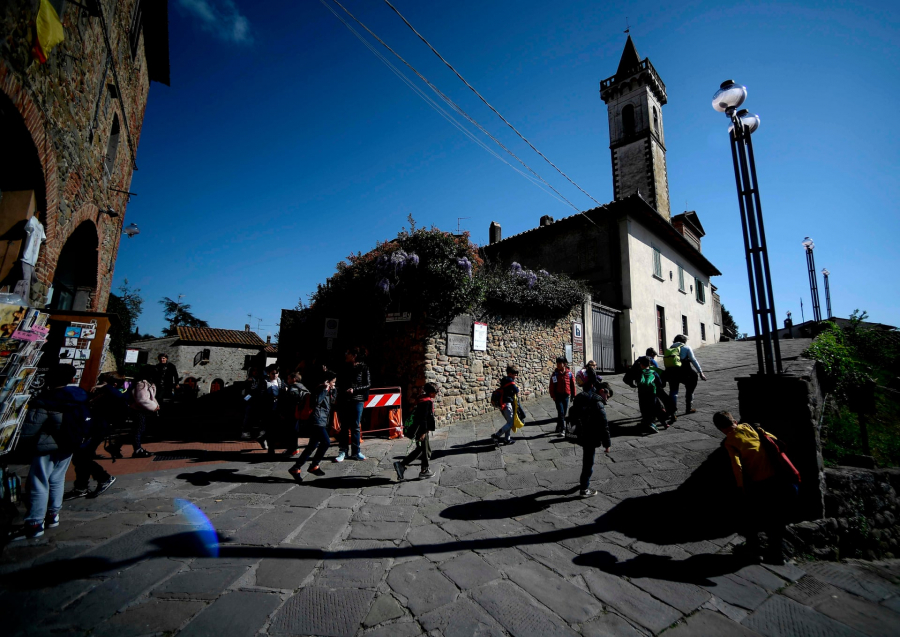
Tourists walk past the Santa Croce church in the Vinci village.
This famous son of Tuscany left Vinci as a teenager and went to Florence, 19 miles away, to study hydraulic energy and its applications. His knowledge in this field is reflected in many of his drawings.
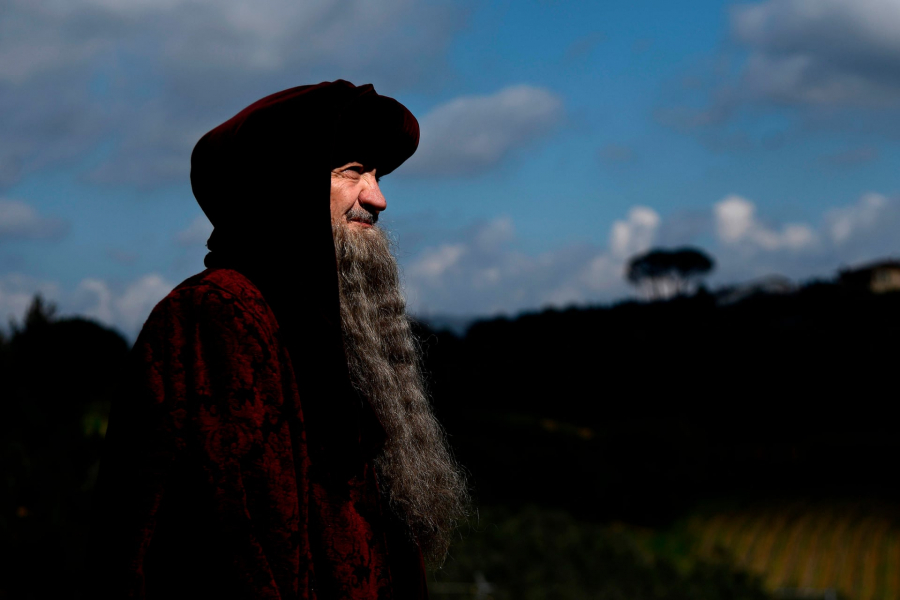
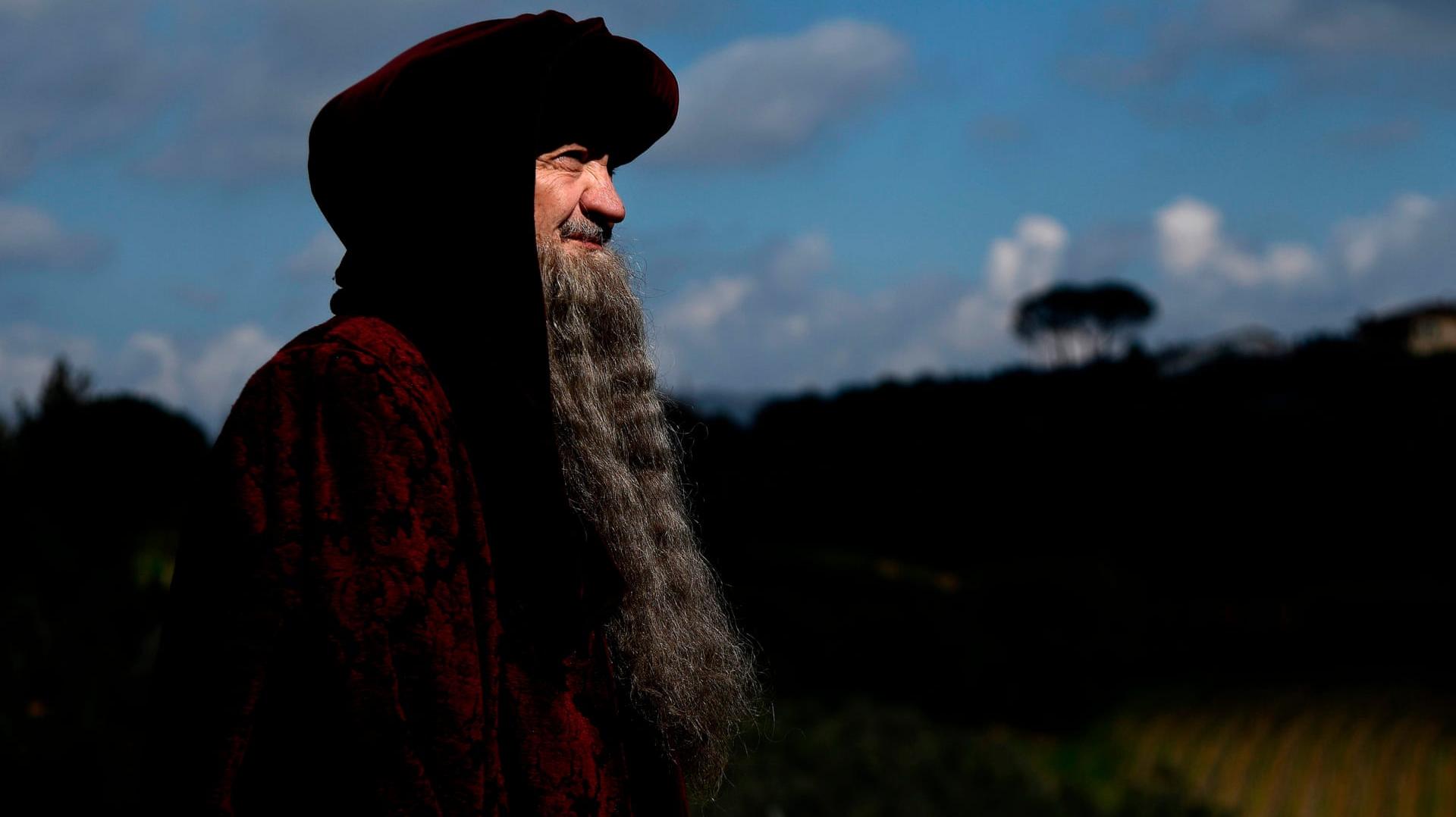
There's a man in the village who looks like Leonardo.
Leonardo is depicted in his self-portraits as a man with a serious forehead and a bushy beard, who had a great love for painting and sculpture, and developed a passion for anatomy, architecture, and music.
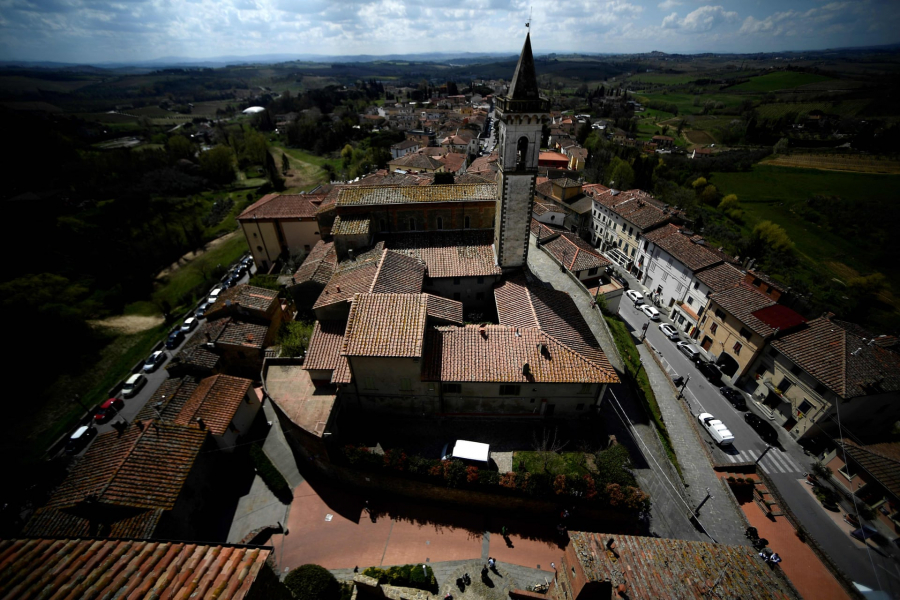
The view from Castell dei Conti Guidi. The village takes its name from the vinchio willow tree, whose soft branches are used by farmers to tie their grapevines.
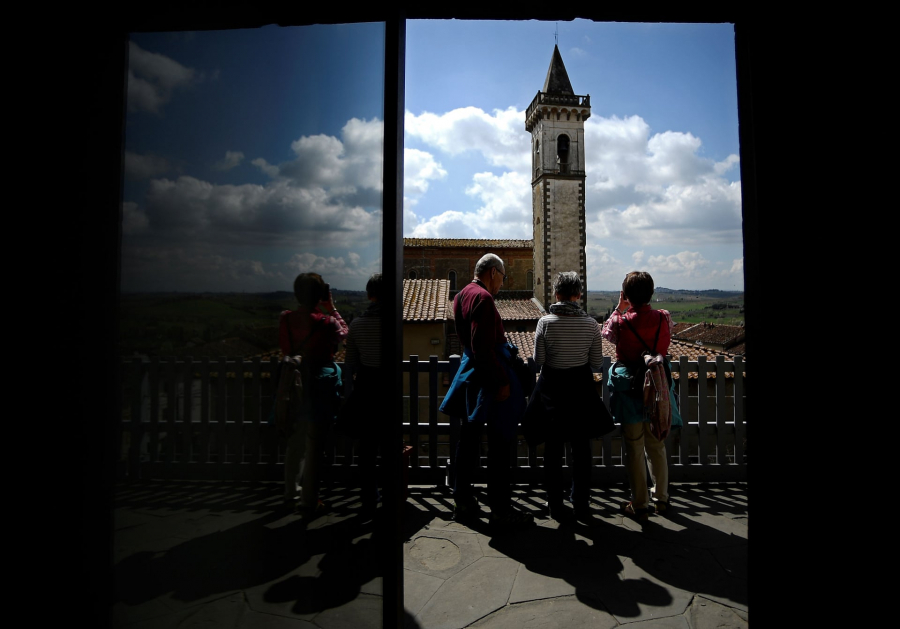
Tourists admire the Santa Croce church.
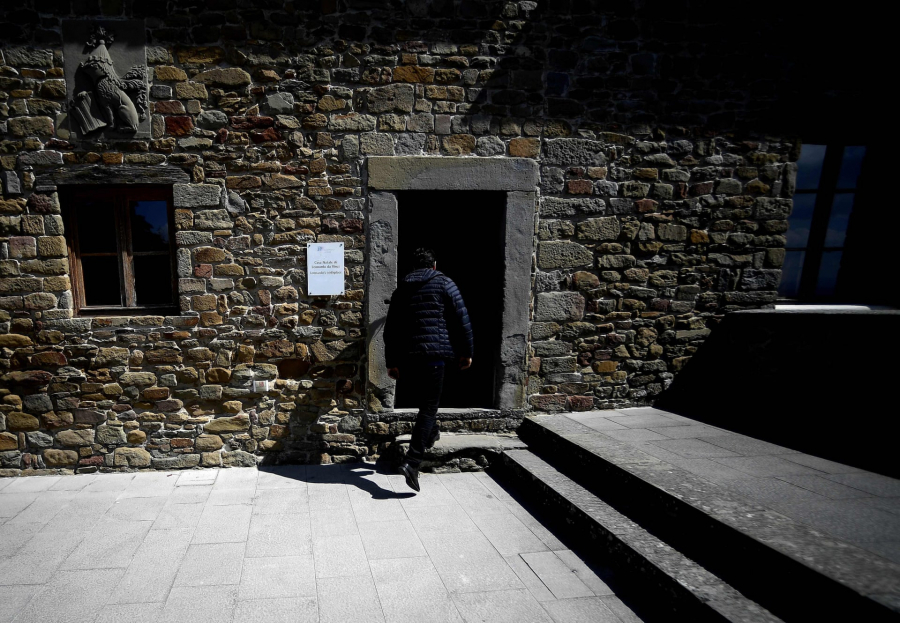
A visitor came to Leonardo's house.
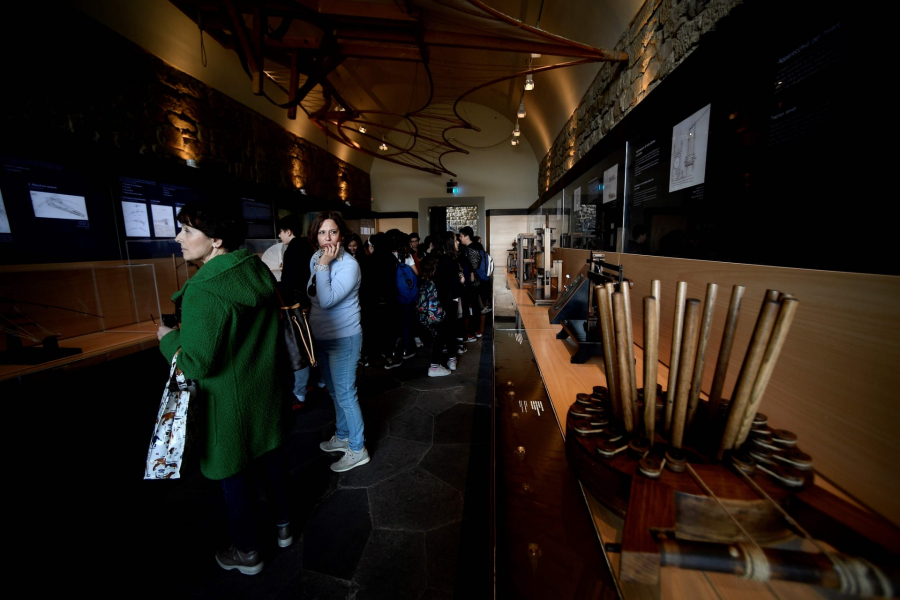
Tourists at the Leonardo da Vinci Museum in Castell Conti Guidi.
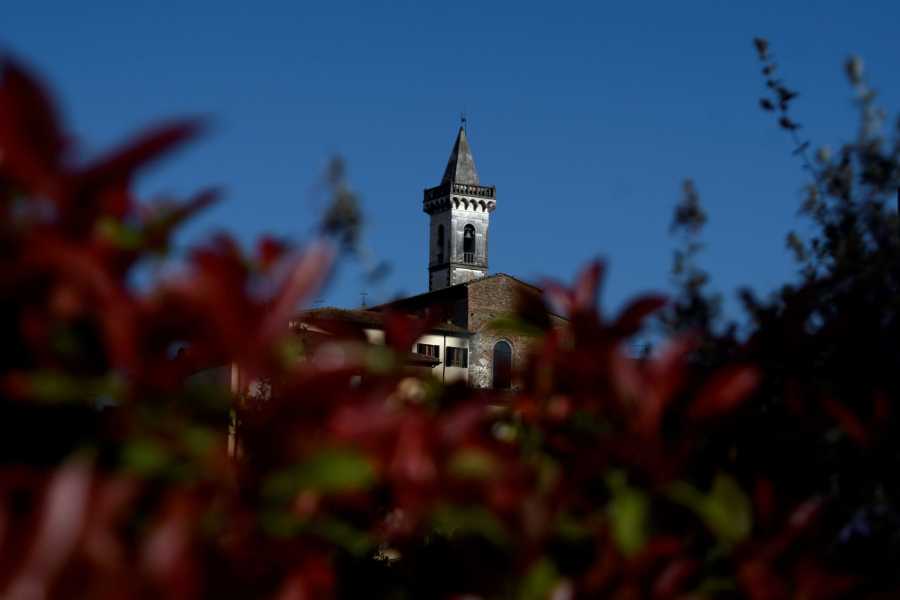
Santa Croce Church
The dramatic landscapes and lifestyle that influenced Leonardo throughout his life remain almost intact in Vinci, according to Keithta Barsanti, director of the Leonardo da Vinci Museum. The natural world was a rich source of ideas for the imaginative inventor, who designed machines that would only be built centuries later – from tanks to telescopes, airplanes to diving equipment.
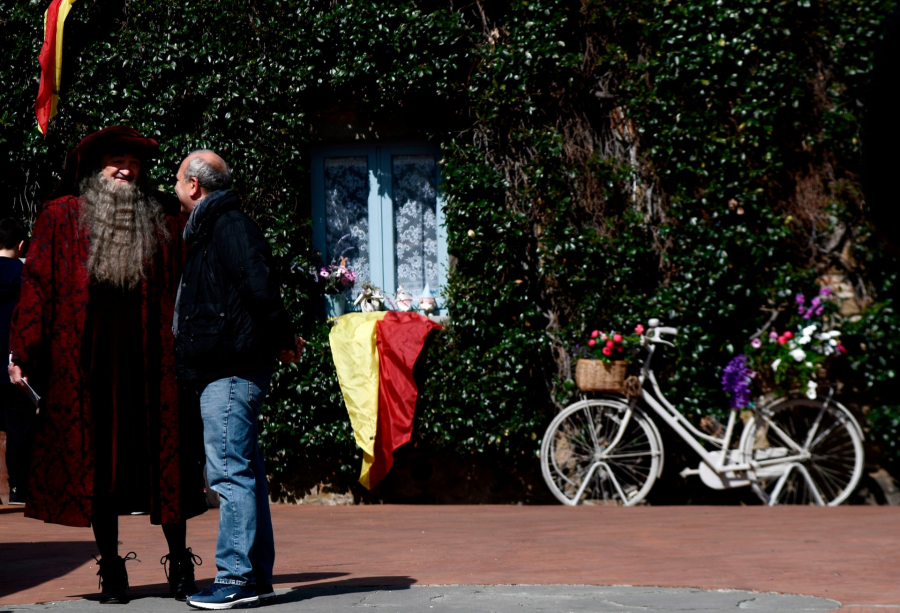
A person dressed as Leonardo da Vinci is talking to tourists.