VI
VI


city that never sleeps
Business Insider notes that Phu Quoc shares many similarities with Phuket or Samui in Thailand, as they all developed their tourism industry from scratch.
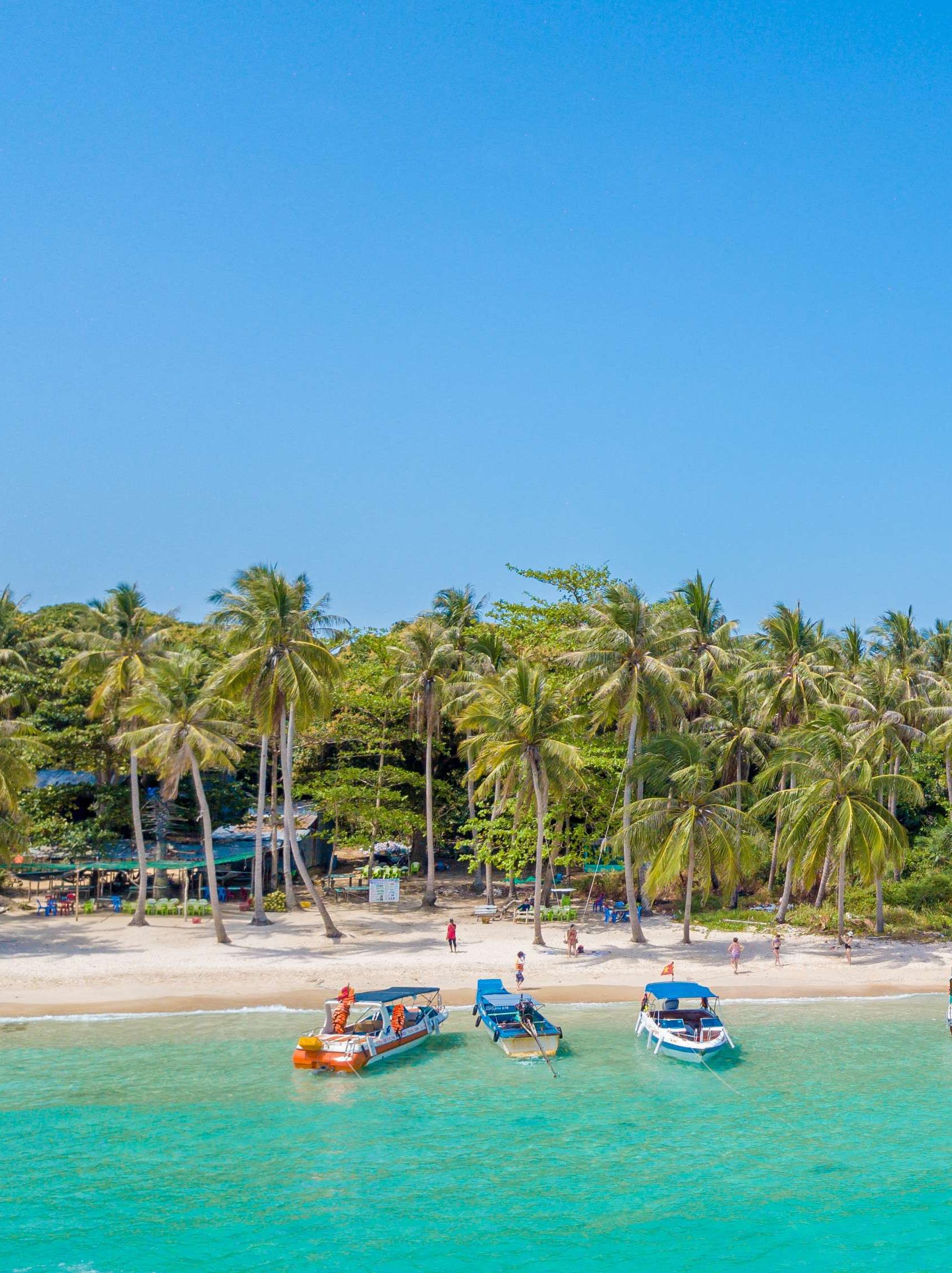
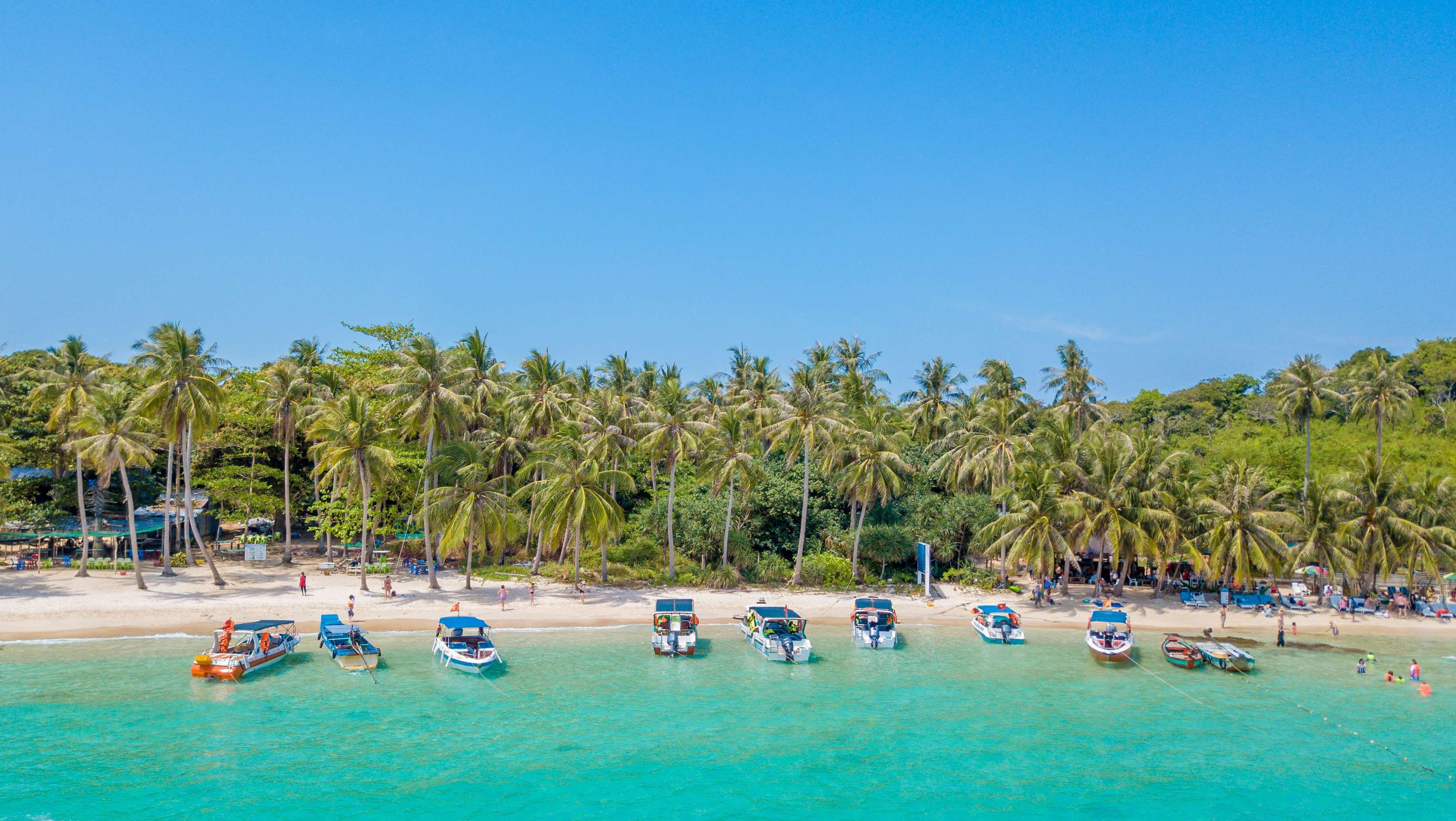
The article describes Phu Quoc as home to the rare green sea turtle, which nests on long stretches of white sandy beaches beside crystal-clear waters. The island covers an area of 593 square kilometers.2It is primarily covered by a rich forest ecosystem. In 2006, the Kien Giang Coastal and Island Biosphere Reserve, including Phu Quoc, was recognized by UNESCO as a World Biosphere Reserve. The island has approximately 45,000 inhabitants who mainly live by fishing, producing fish sauce, growing green pepper, and farming pearls.
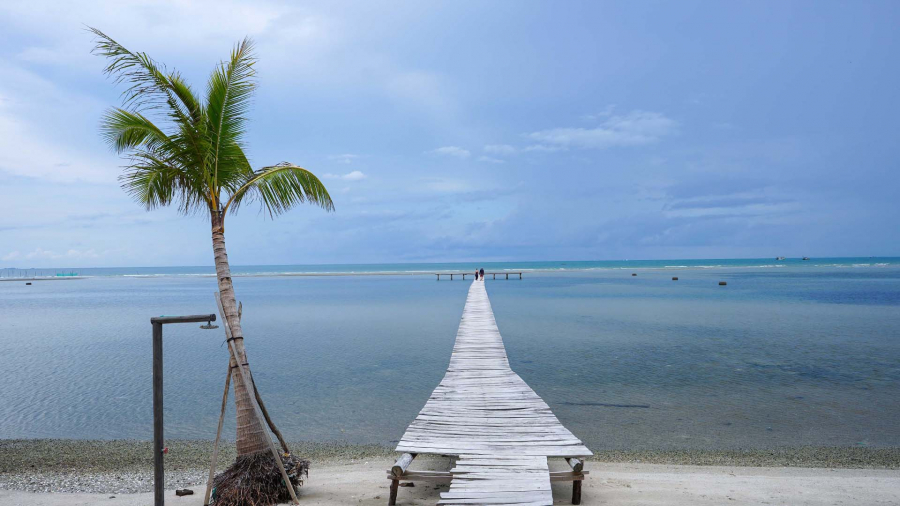
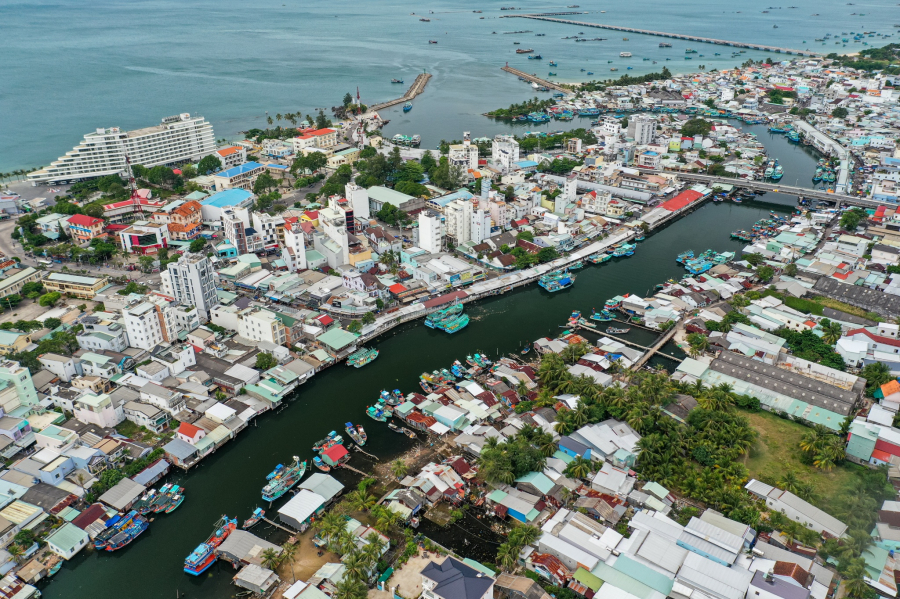
According to Business Insider editors, Phu Quoc was once a rough diamond, but by 2021, Vietnam's largest island had truly developed and taken on a new look. While previously Phu Quoc could be mentioned alongside Bali in Indonesia or Jeju in South Korea – islands that promote tourism based on local culture – now the Pearl Island can be compared to Las Vegas in the US or Hainan in China. Thousands of hotel rooms, apartments, townhouses, villas, and residential areas have sprung up like a storm on the island, aiming to build Phu Quoc into a "city that never sleeps."
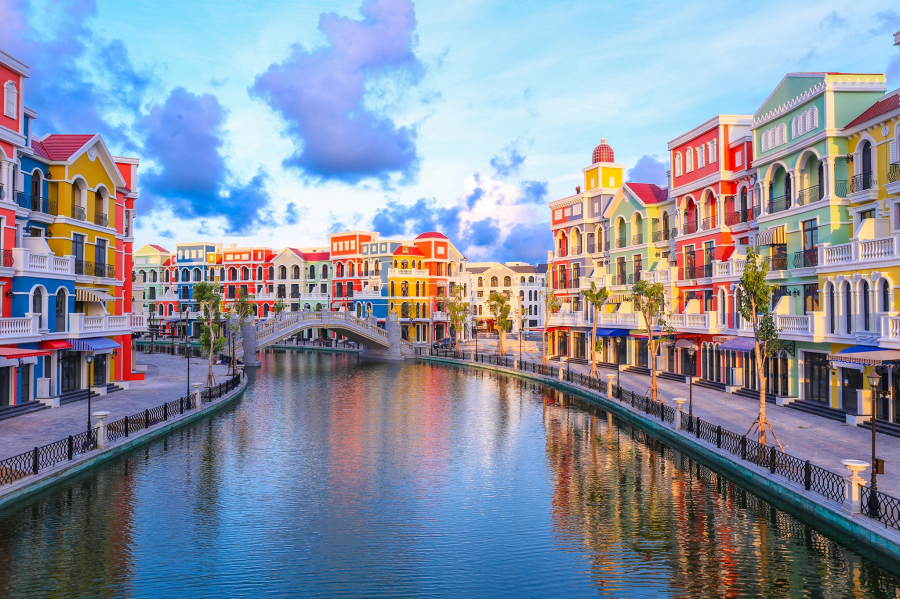
Business Insider also mentioned the Phu Quoc United Center entertainment complex, which offers a variety of exciting activities such as: performances, a recreation of the dreamy city of Venice, gondola boat rides, bars, clubs, etc. All of these promise to provide a vibrant and glamorous entertainment space for tourists.
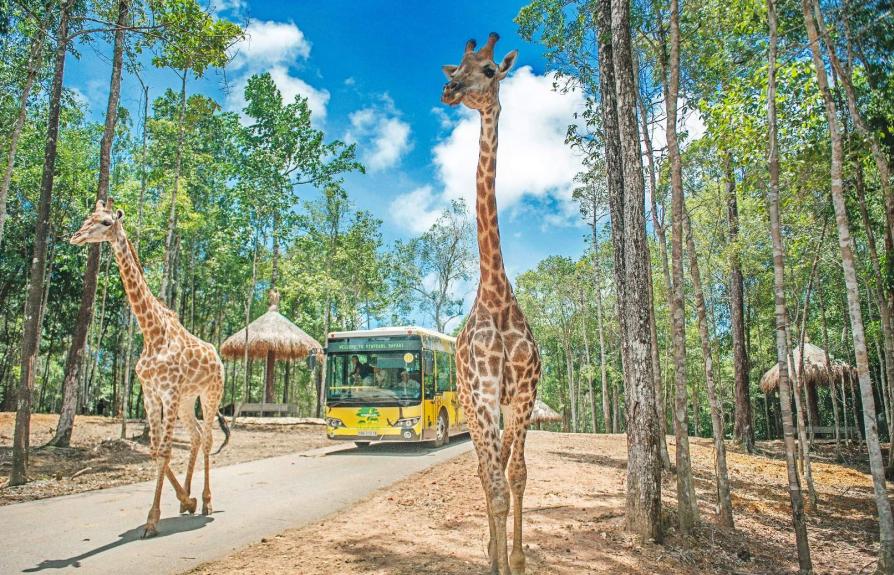
In addition, VinWonders Phu Quoc - Vietnam's largest amusement park, and Vinpearl Safari Phu Quoc - Vietnam's only open-air semi-wild animal park, golf courses, convention centers, and hospitals are also amenities that Business Insider considers a step forward in tourism investment on this paradise island.
According to the news site, the opening of Phu Quoc International Airport in 2012 attracted and developed domestic tourism to the island. In 2018, Phu Quoc announced plans to expand the runway and add a second passenger terminal to increase its current capacity from 4 million passengers per year to 14 million passengers per year by 2030.

Business Insider notes that most of these projects target the middle class in Vietnam, aiming to create a "world-class tourist destination where visitors don't need to leave the country."
current situation
Besides the positive aspects, Business Insider also points out the existing shortcomings of Phu Quoc, as tourism has completely changed the appearance of an island that was once very pristine and peaceful.
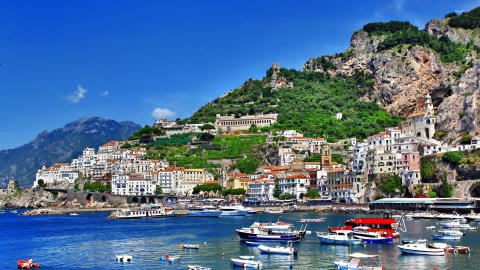
The newspaper noted that investors in Phu Quoc seem to have a passion for recreating European-style towns and resorts. Therefore, visitors can feel as if they are in Venice, the Amalfi Coast, or Paris – or anywhere else, not... Vietnam.
These developments may be very suitable and attractive to domestic tourists, but they are not what international visitors expect. According to Marco Foerster, Director of International Business Consulting in Ho Chi Minh City, "International visitors come to experience Phu Quoc's unique character, not to visit a brightly colored, European-style town."
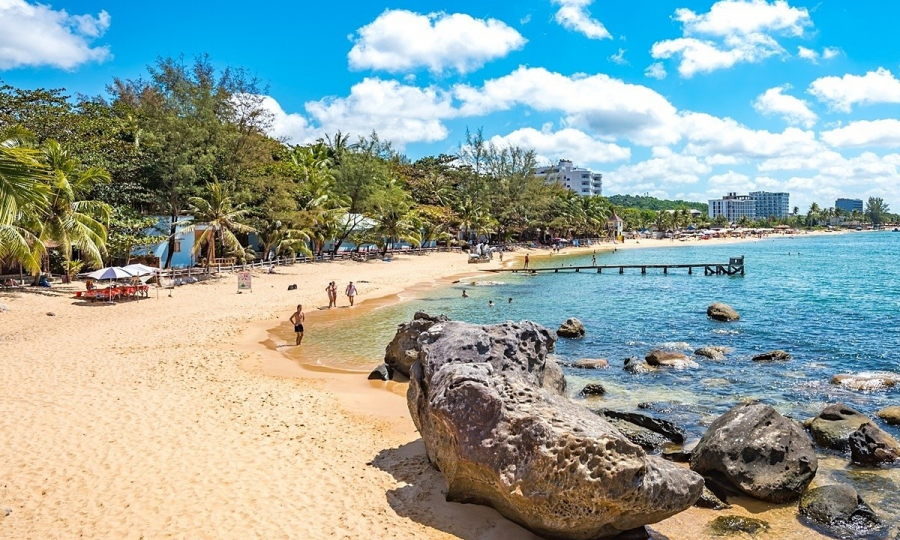
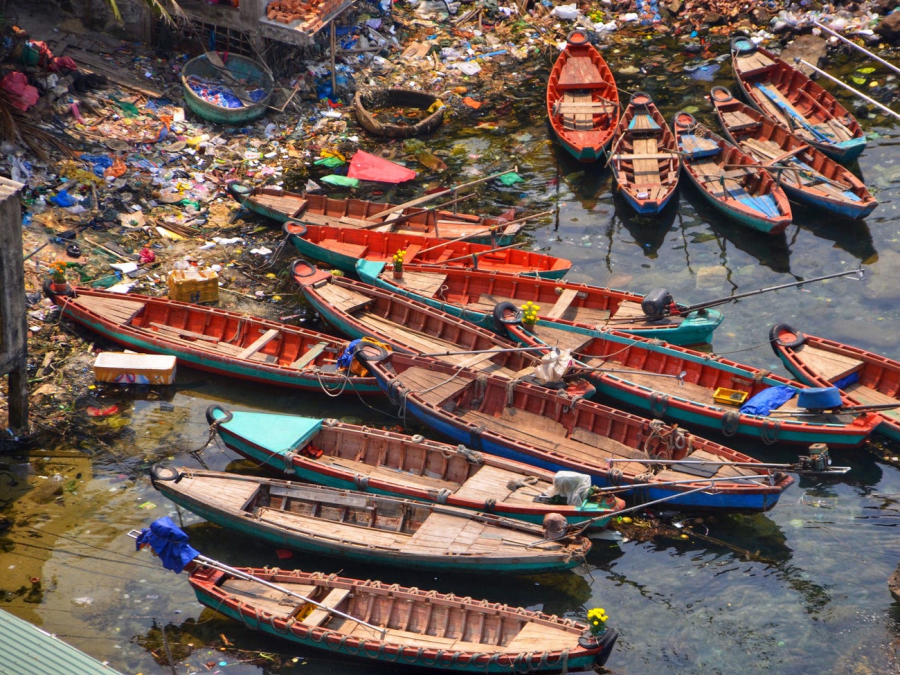
Business Insider suggests that the conflicting interests of domestic and international tourists are not the only problem Phu Quoc is facing. The island is also in a state of alarm under the weight of waste. Nguyen Quynh, Project Director of the World Wildlife Fund (WWF) in Vietnam, said plastic waste is "overwhelming" the island's ecosystem. "Phu Quoc is severely lacking in waste disposal sites," she shared. "If we don't act quickly, those mountains of garbage will soon become a threat to the island's burgeoning tourism industry."
Speaking to Business Insider, Phan Thanh Huyen, a resident and worker in Phu Quoc, assessed that while the rapid development of tourism has brought many jobs to local people and contributed to the development of the education system and hospitals, urbanization has also led to an increase in crime and environmental pollution on the island. "I fear that Phu Quoc will no longer be as natural as it once was, with its clean air, beautiful beaches, and lush green forests," she said.
We need a big picture.
Business Insider argues that the reasons and purposes for tourism development in Phu Quoc need to be clarified from the outset. "There appears to be no precise master plan for what the island will look like in the future, and when the massive construction will stop," commented Jeff Redi, CEO of a travel company in Vietnam.
Previously, the master plan with a vision for 2030, approved in May 2010, aimed to develop Phu Quoc into a major economic hub.a world-class ecotourism destinationThis was intended to align with its status as a UNESCO World Biosphere Reserve. However, in reality, the current changes in Phu Quoc suggest that things are not going according to plan.
An equally important issue, according to the newspaper, is how the people have participated in this development process. A May 2019 study by two university lecturers, Vu Minh Hieu and Vu Minh Toi, showed that over 96% of the surveyed people said they were not consulted by the government about tourism development plans; nearly 75% said they did not understand the concept of "sustainable tourism development".
"People are the soul of a land. Without local nature and culture, Phu Quoc would be just like many other commercial destinations," shared Phan Thanh Huyen, a resident of the island.
Additional information
According to the plan, in October 2021, Phu Quoc will be the first destination in Vietnam to pilot the "Vaccine Passport" program for international tourists. This plan is expected to be implemented on a six-month pilot basis, starting in October 2021.
The implementation of this plan will be divided into two phases. Accordingly, in the first three months, Phu Quoc is expected to welcome 2,000-3,000 visitors per month, via charter flights, serving only limited areas and locations at certain large-scale tourist areas and resorts capable of separating safe and secure areas specifically for international tourists. From the fourth month onwards, the island anticipates welcoming 5,000-10,000 visitors per month, potentially through commercial flights and expanding the scope and locations of service. Within six months, Phu Quoc is expected to welcome 25,000-40,000 international tourists.
Visitors to Phu Quoc must have a certificate proving they have received all doses of the Covid-19 vaccine recognized by Vietnam, with the second dose administered at least 14 days prior to entry and no more than 12 months prior to entry. Visitors must also have a certificate confirming recovery from Covid-19 recognized by Vietnam, with the time elapsed from hospital discharge to entry no more than 12 months prior to entry, and a negative RT-PCR/RT-LAMP test result within 72 hours before departure.
To visit Phu Quoc, tourists must also register for a package tour program offered by a travel agency selected by the Ministry of Culture, Sports and Tourism and Kien Giang province.