VI
VI


But what made me think so much about Spain wasn't the tiki-taka passing game, nor the talented young players like Lamine Yamal or Pedri. It started with two trips I took, many years apart, to the Iberian Peninsula.
When I first came to Spain, I thought I understood the country. On my return, I realized the opposite. There are places you only need to visit to remember them, but there are also places that compel you to return to realize that everything you knew was only a tiny fraction. Spain, for me, belongs to the second type of country.
The layers of a nation's history
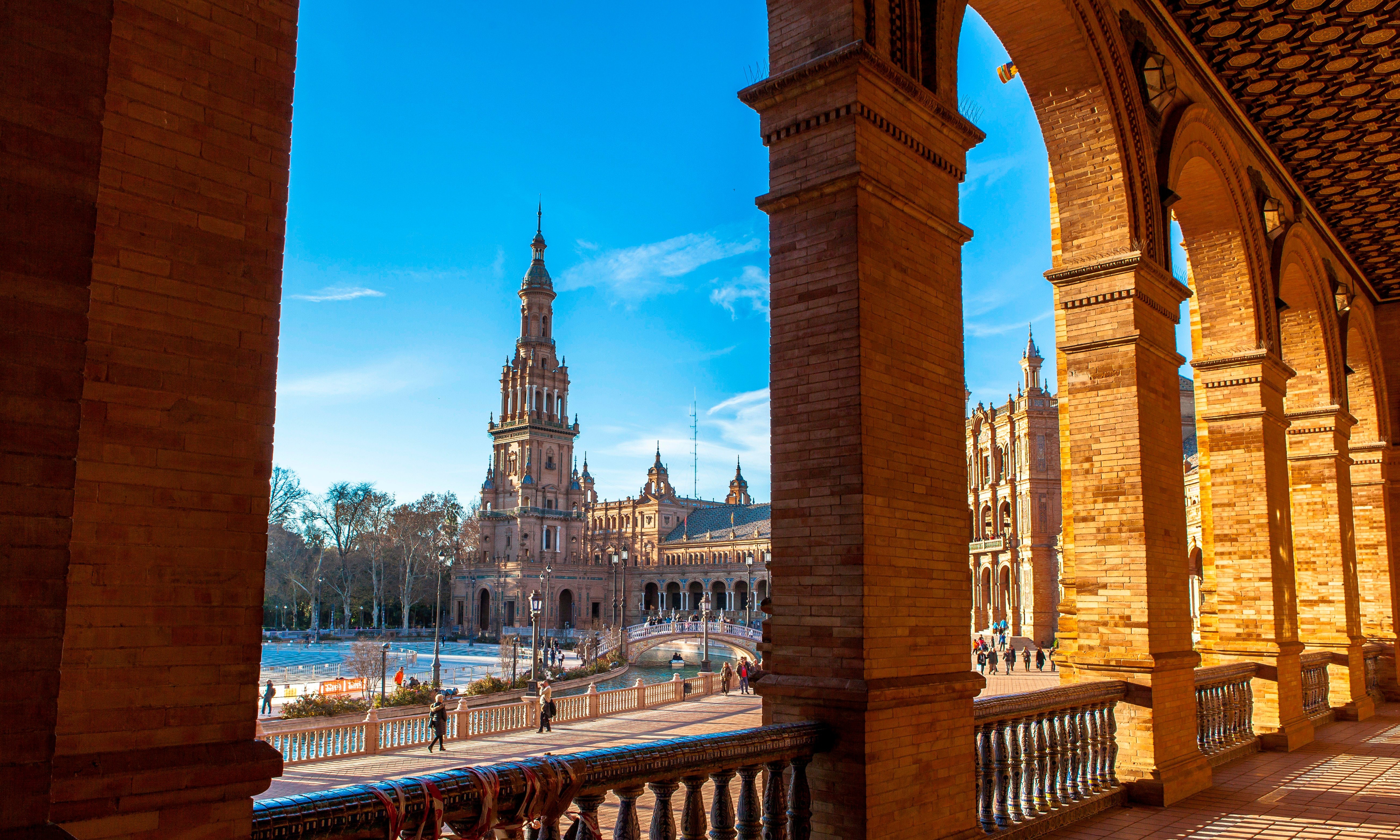
My first trip took me to Seville, Granada, and then Barcelona, right around the Christmas season. It was almost a classic itinerary for anyone wanting to explore Spain. I traveled from the sun-drenched streets of Andalusia, where traces of the Moors are still present on every archway, garden, and wall covered in bougainvillea, to Granada to stand in awe before the Alhambra, a palace built on Islamic beauty that has become an inseparable part of Spanish Catholic history.
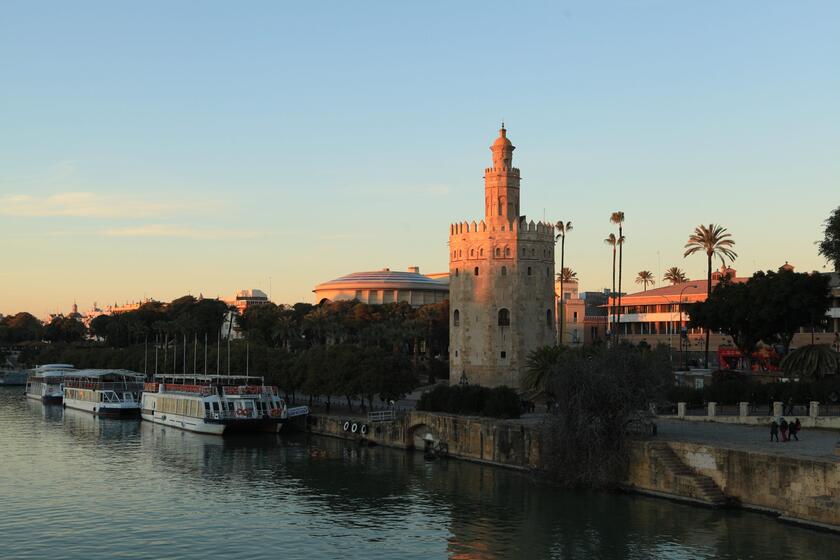
The sunset over the Guadalquivir River makes Seville a beautiful and romantic city.
In Seville, as night falls, the sound of guitars and fiery flamenco dances suddenly erupt from a corner of the square, causing the entire city to seem to transform with each step of the dancers.
In just a few days, I traveled through so many different facets of a country: Islam and Catholicism, East and West, centuries-old palaces intertwined with the modern pace of European life.
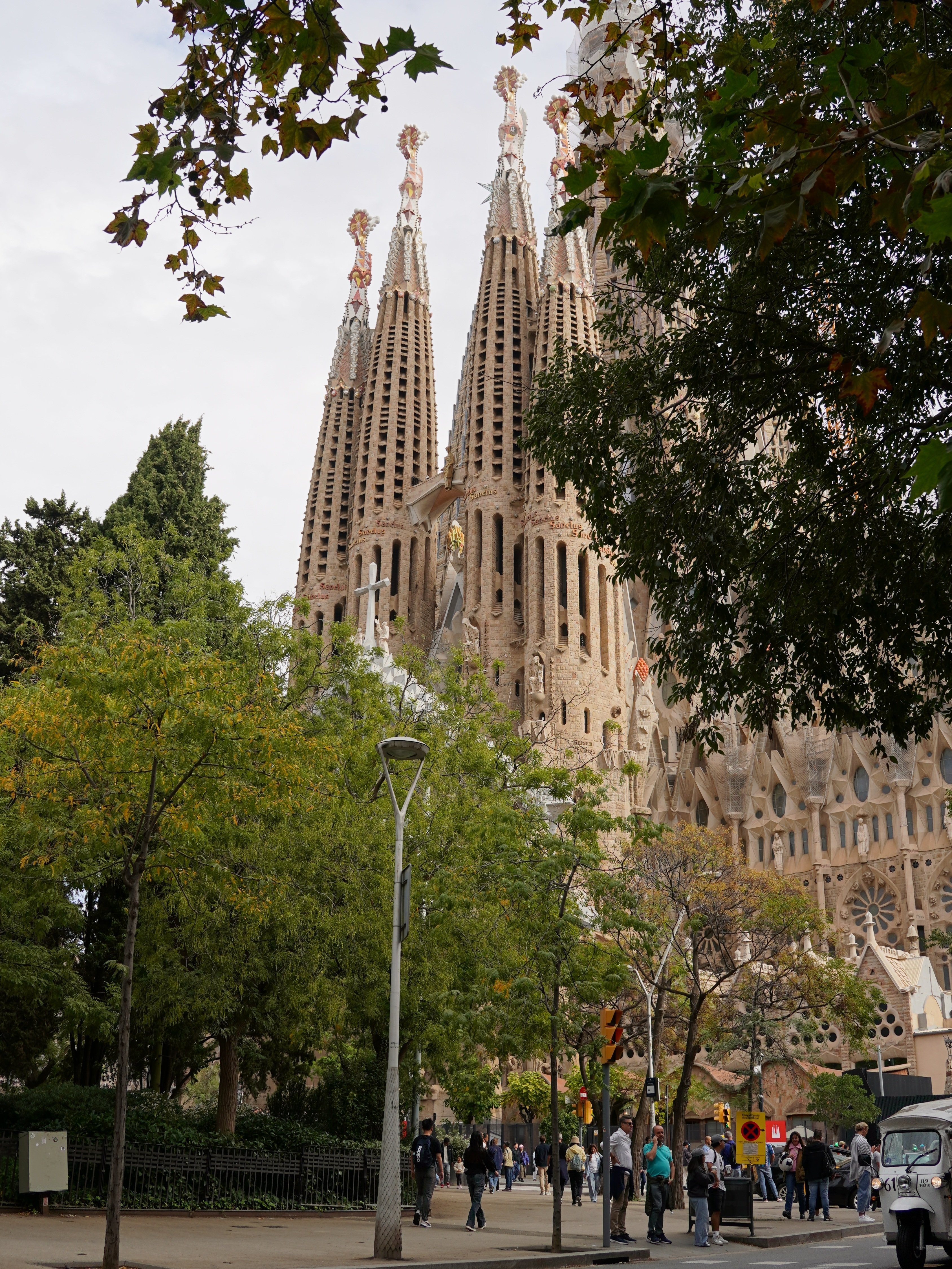
In Barcelona, I visited the Sagrada Familia Basilica. At the time, the construction site was still covered in cranes and scaffolding after more than a century of work. I simply saw it as a famous tourist attraction, took a few photos, and continued on my way. I didn't understand why the Spanish could be so indifferent to a national symbol that had remained unfinished for over 140 years. I also didn't realize that this image would stay with me for a long time, and only many years later would I find the answer.
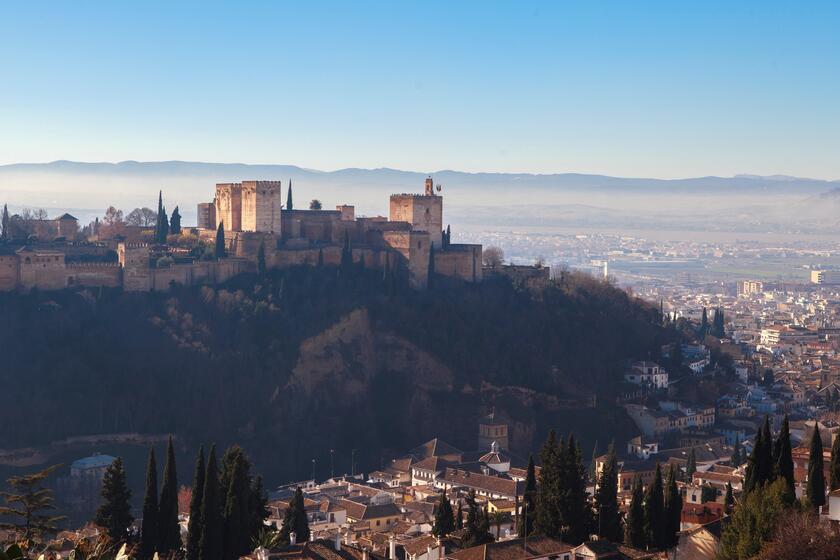
Granada appears peaceful at the foot of the Alhambra.
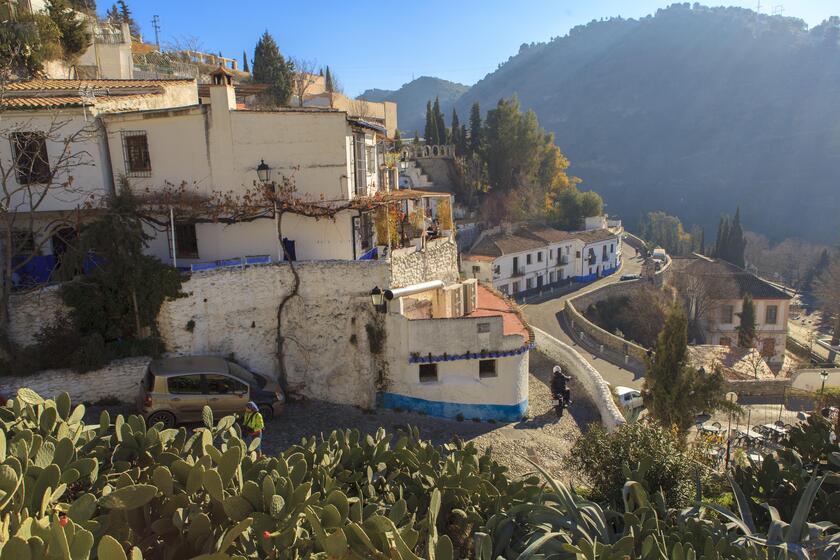
The old town of Albaicín has a strong Islamic character.
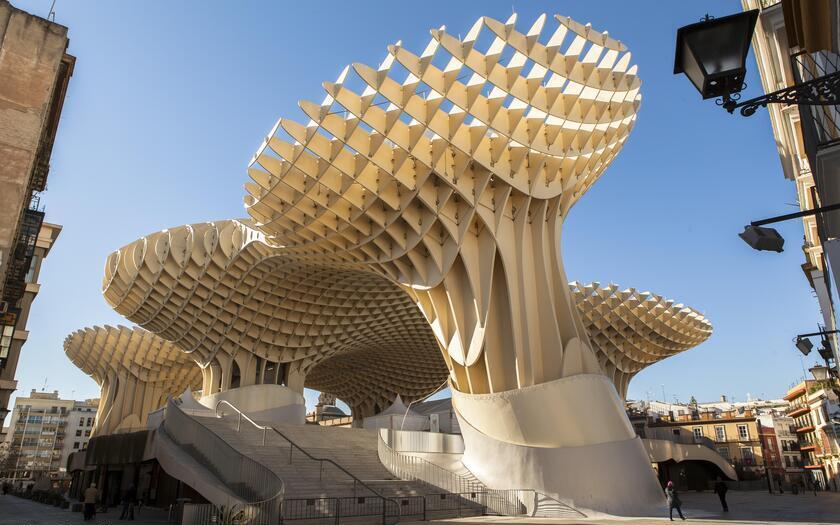
Metropol Parasol is proof that Seville continues to innovate for the future.
Leaving Spain after my first trip, I thought I understood quite a lot about the country. I had seen its most famous landmarks, its most beautiful cities, and the layers of history spanning thousands of years. But looking back now, I realize I only saw the past.

Barcelona, learning to live with differences.
My return trip was to Barcelona, coinciding with a street festival the city was holding. Initially, I thought it would just be a cultural parade, like many other festivals I'd seen in Europe. But the longer I stood amidst the crowd, the more I realized it wasn't simply a festival, but rather a reflection of Spain today.
Along the same avenue, groups of Catalan artists in traditional costumes followed South American dancers, African bands, and art troupes from Asia, before merging into familiar flamenco rhythms. Catalan flags appeared alongside the Spanish flag. Tourists mingled with locals. Old and young, immigrants and natives alike, danced to a shared drumbeat, and no one felt like an outsider.
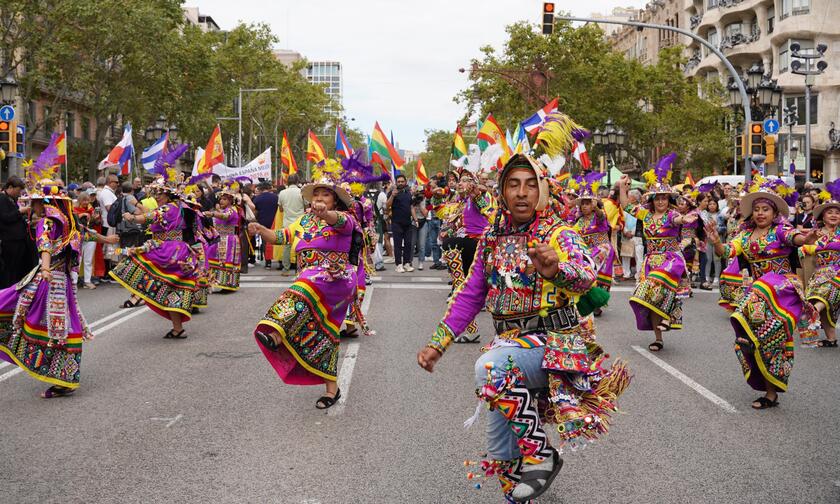
Music, colors, and dance moves in the Barcelona street festival.
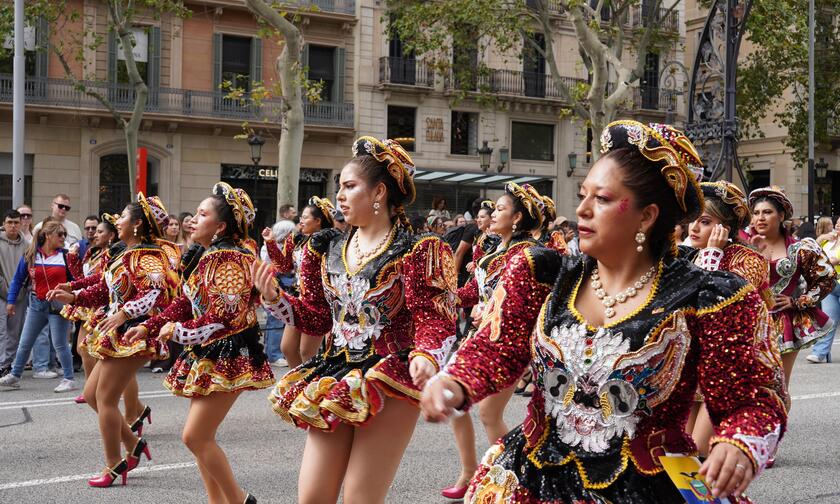
The graceful dancers at the Barcelona street festival.
Standing amidst that scenery, I suddenly understood that what makes Spain so appealing has never been its uniformity. On the contrary, this country has always existed within a multitude of differences. Differences in history, language, culture, regional identities, and even debates that have lasted for generations. Yet, all of these coexist on one land without losing their individuality. Spain is like a symphony, where each instrument retains its own unique tone, but ultimately creates a complete melody.
That's why Barcelona always feels so different from the rest of the country. The city doesn't try to prove it represents Spain. Barcelona simply lives true to its Catalan spirit. This very self-confidence adds another piece to the puzzle of the nation's image. I realize that sometimes a country is strong not because everyone is the same, but because they are tolerant enough to accept each other's differences.
Sagrada Família, the beauty of things never completed
On my return to Barcelona, amidst so many other places to explore, I still dedicated an entire morning to revisiting the Sagrada Família. Friends asked why I went to see a place I'd already been to. I just smiled. Some structures aren't meant to be just "checked in" once. They're like people; each time you see them, they take on a different appearance. I wanted to know how much the cathedral had changed after almost 10 years. And honestly, I felt a strange unease: perhaps this time it was finished, perhaps the thing that made me remember Barcelona so fondly was no longer there.
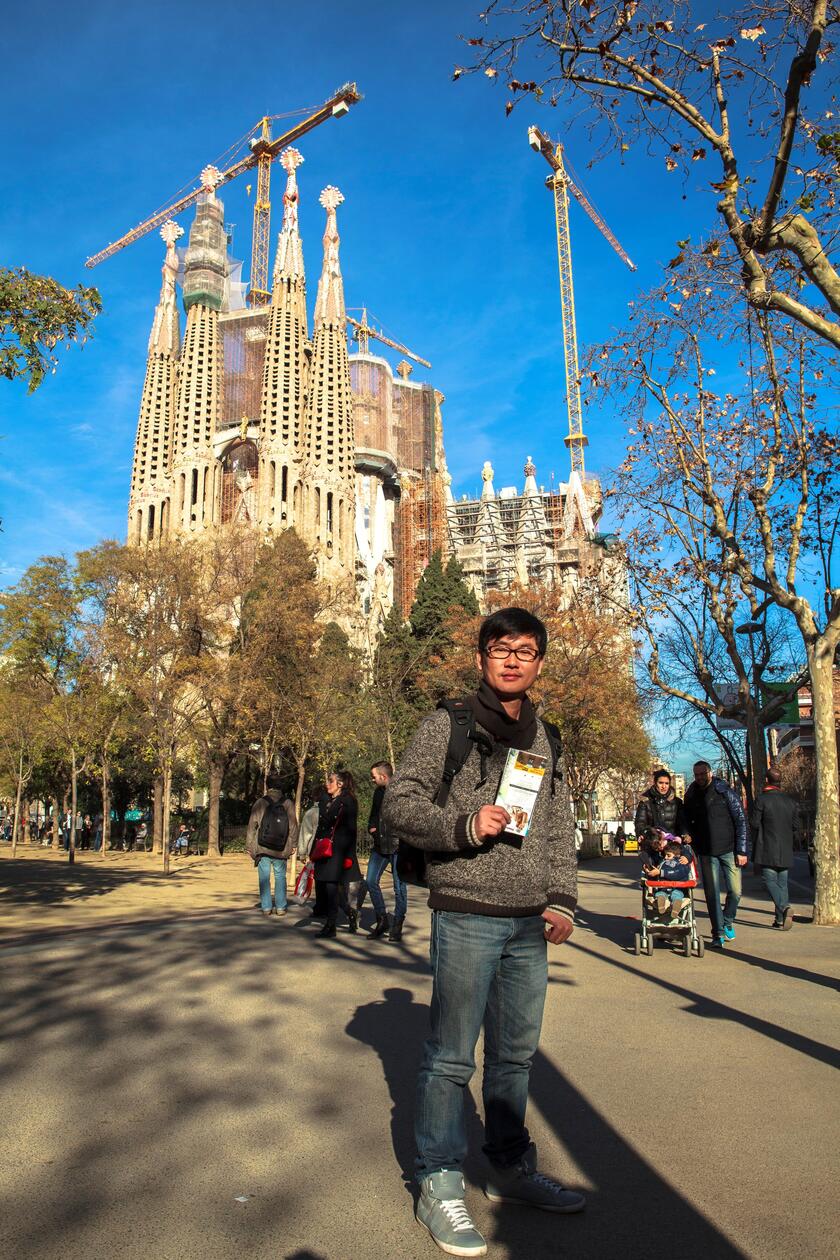
The author's first encounter with Sagrada Familia
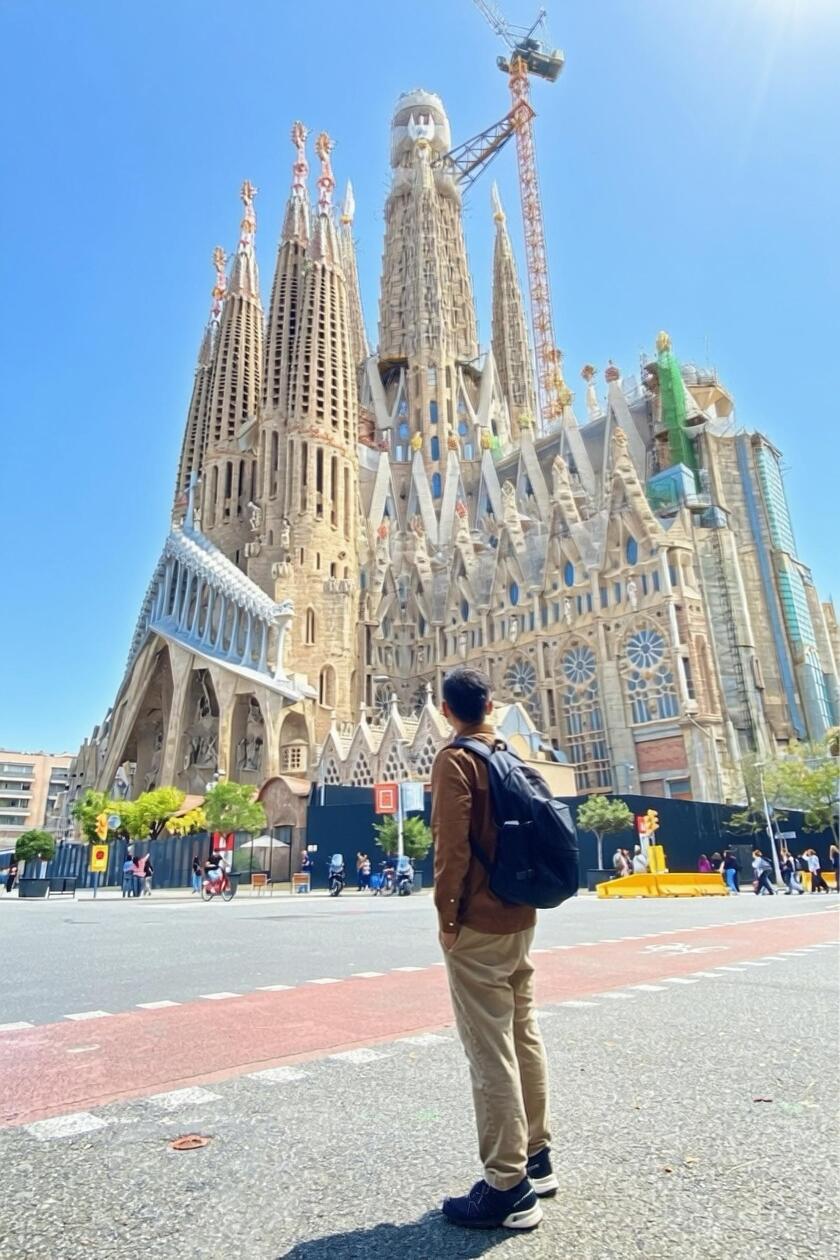
The author at Sagrada Família on his second visit.
But as I stepped out of the subway station, I knew I was relieved. The familiar spires still rose against the Mediterranean sky, only now some of the scaffolding from years past had disappeared, giving way to brand-new, freshly completed stone blocks. I compared them to the photos I took on my first trip. Details that were previously covered in protective netting were now clearly visible; some of the bell towers were taller, and the sculptures on the facade of the Passion Museum were more distinct than before.
Yet, alongside all that, cranes continued to silently spin in the Barcelona sky, the hammers and stone-cutting machines still echoing regularly, just as they had for years. Sagrada Família was growing day by day, slowly but never stopping. At that moment, I suddenly understood why the Catalans still pass around the saying: "Sagrada Família is never behind schedule, because Gaudí never set a deadline." Some even jokingly say: "Gaudí's client is God, and God is never in a hurry."
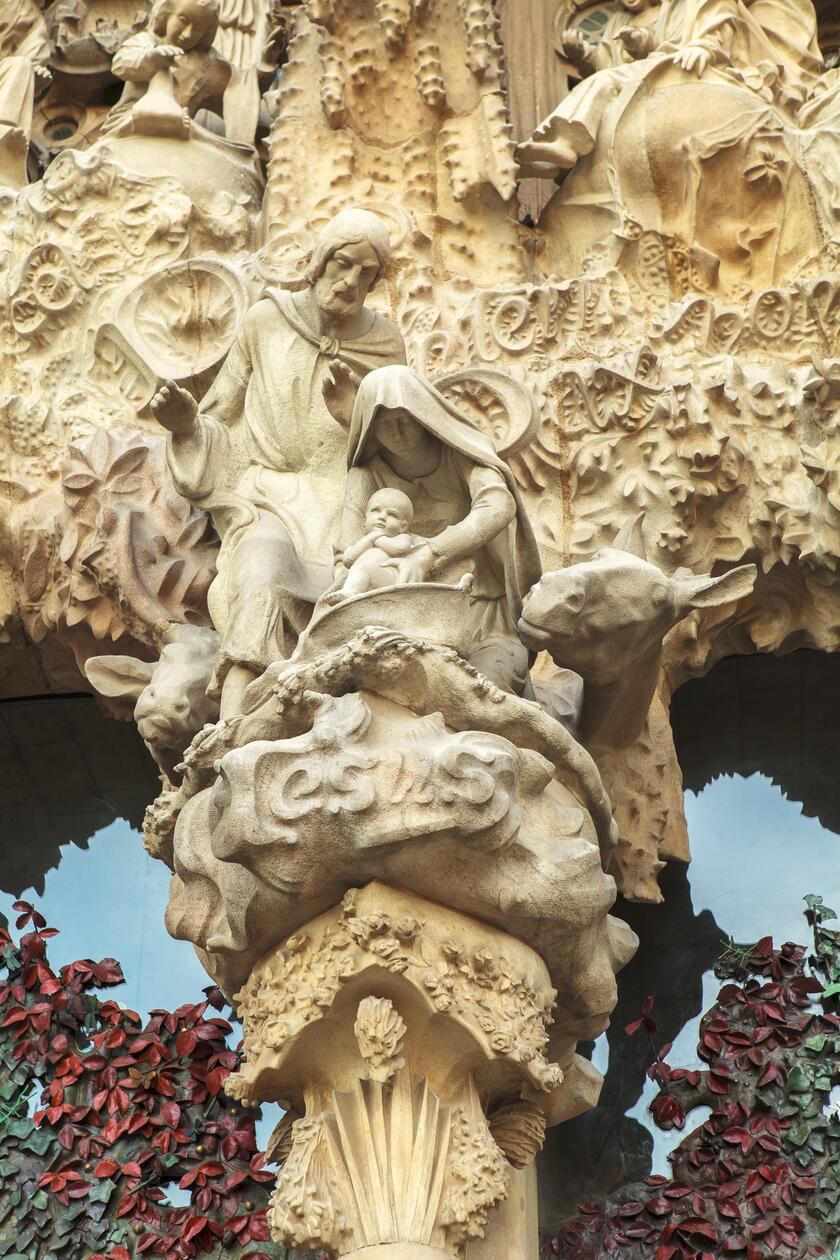
Gaudí's sculptural details make the stone seem to tell a story through light, nature, and faith.
It sounds like a joke, but the more I think about it, the more I realize it's a beautiful philosophy. Not every achievement needs to be accomplished quickly to prove success. The most beautiful works are those that continue to be built, each generation adding a stone, so that those who come after can continue what their predecessors left unfinished.
Standing beneath the spires still reaching towards the Barcelona sky, I suddenly realized that Sagrada Família was no longer just a church. It was like a portrait of Spain itself: a country that never stands still, never claims to be perfect, but also never stops growing.
The World Cup: Each generation only adds one more stone.
Every time I see the Spanish national team step onto the World Cup pitch, the image of Sagrada Família comes to mind even before any of the titles they possess.
The Spanish national team today is like that building. No single generation built it all. Each generation only completed its part and then handed it over to those who came after. The generation of Xavi, Iniesta, and Busquets laid the foundation stones for a ball-controlling empire. Today, new stones are being laid by Lamine Yamal, Pedri, Gavi, Pau Cubarsí, Dani Olmo, and Ferran Torres. Interestingly, most of them grew up in Barcelona, the city that still witnesses the Sagrada Família growing up amidst the hammers, machines, and scaffolding that never disappear.
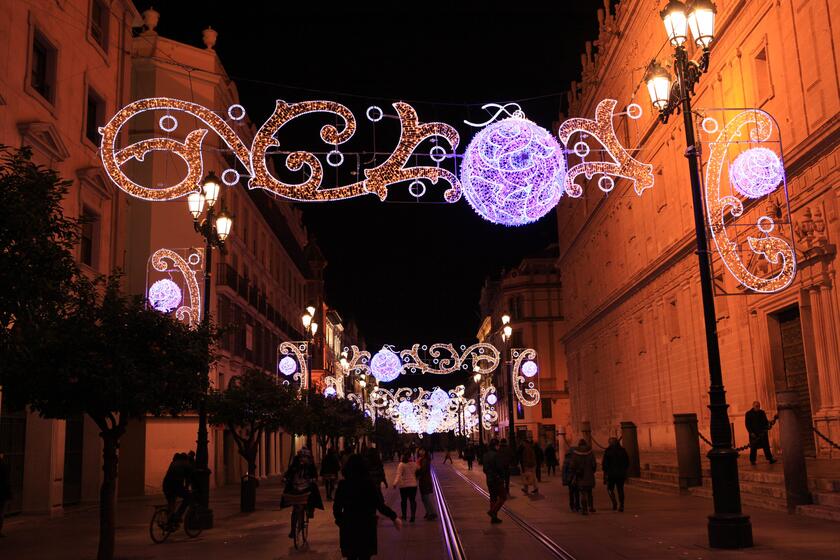
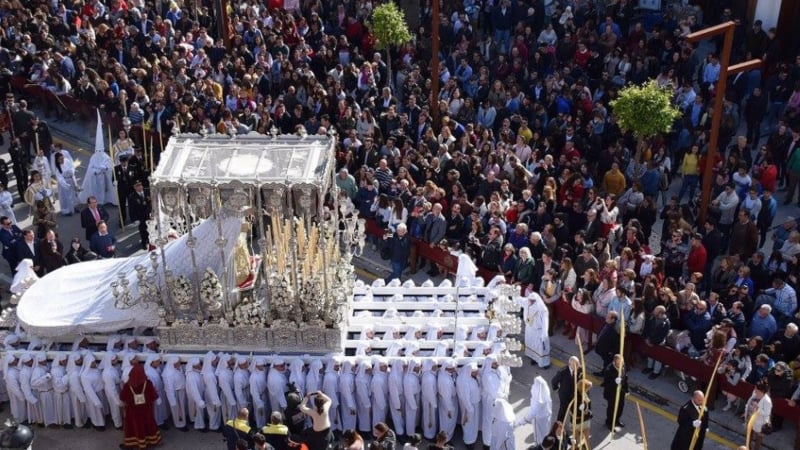
Christmas in Seville
I suddenly realized it was no longer a coincidence. Barcelona seemed to be doing its familiar work: persistently building for the future. A project that nurtures faith, an academy for training players—neither of which can be built in a single season or a lifetime.
That's what makes Spain so formidable in major tournaments. Not because they always have the best generation, but because they know how to ensure each generation continues the work of the previous one. Like the Sagrada Família, after more than one hundred and forty years, people are still patiently laying each stone to get closer to the original dream. And it is this continuity that makes me understand that the most frightening thing about Spanish football has never been a golden generation. It lies in how they always prepare for the next generation.
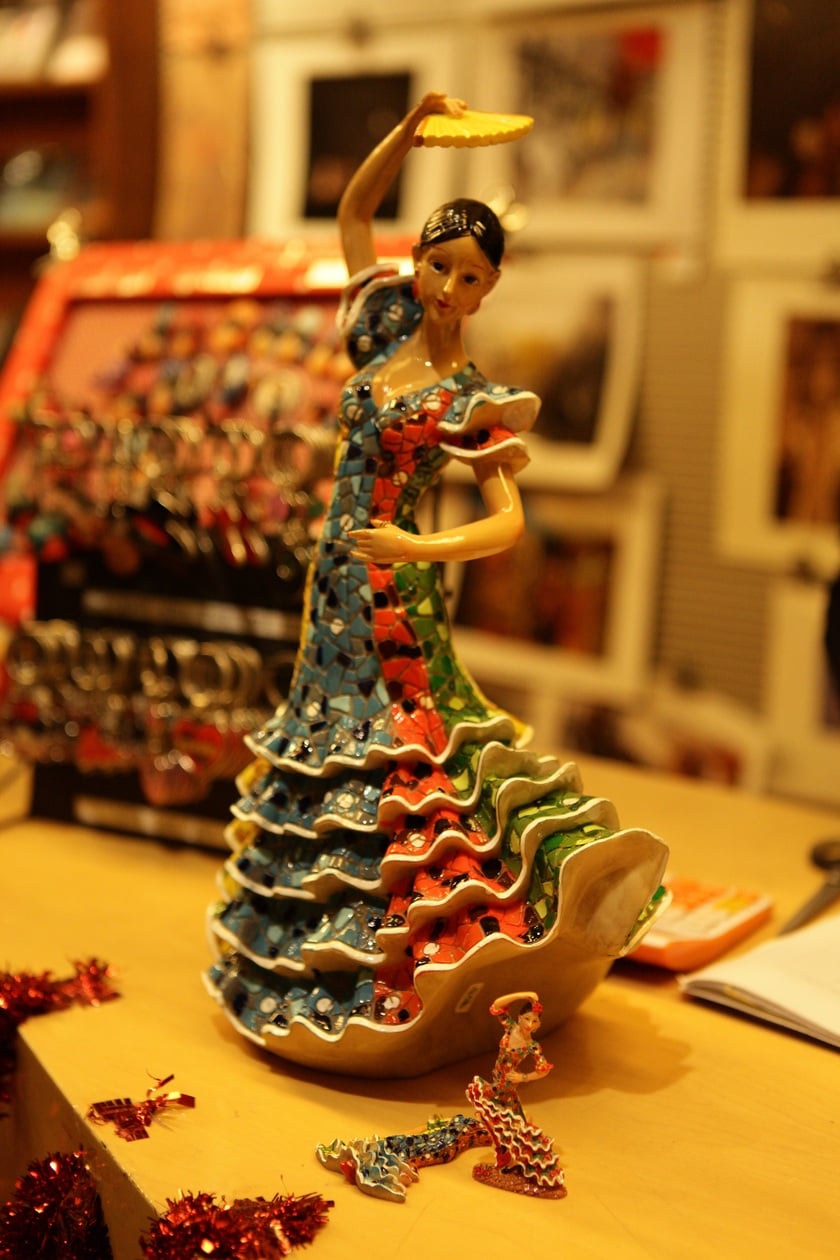
A small handcrafted item that preserves tradition.
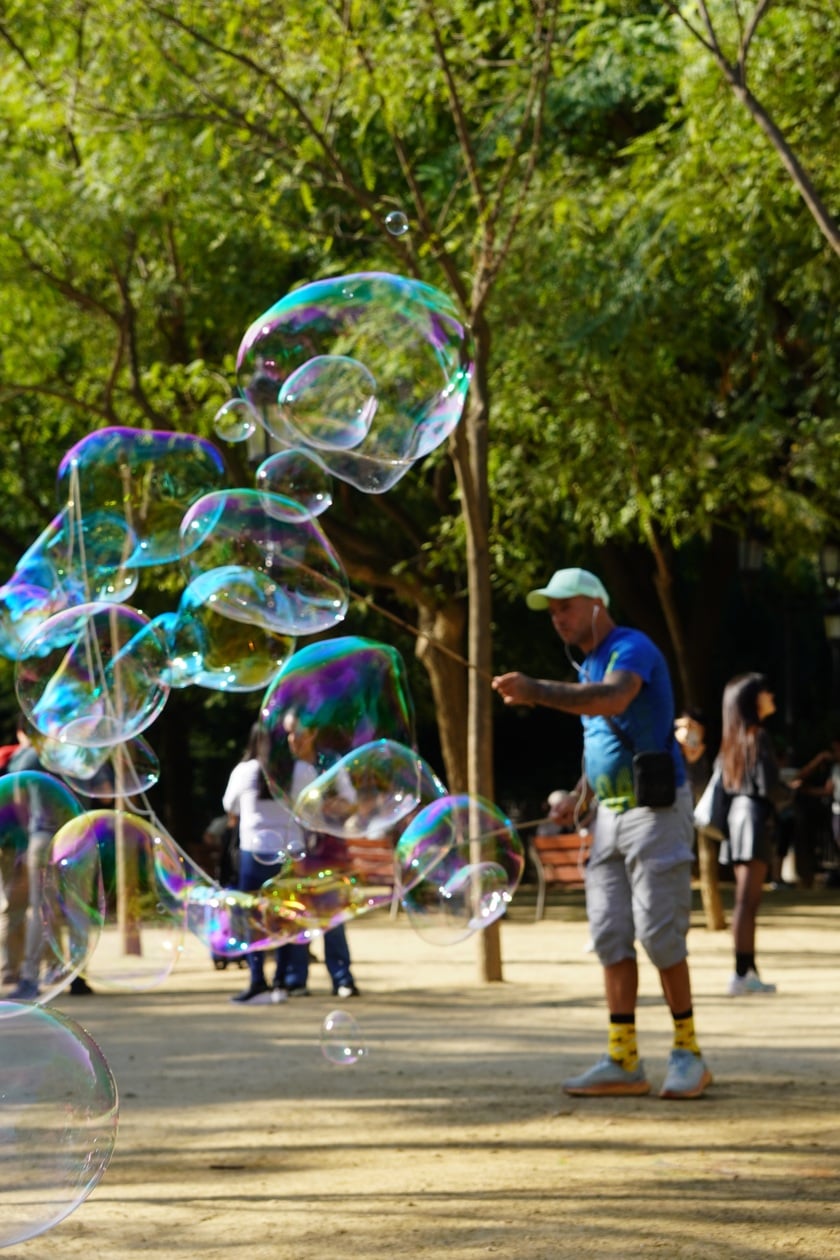
A very peaceful corner of Barcelona.