VI
VI


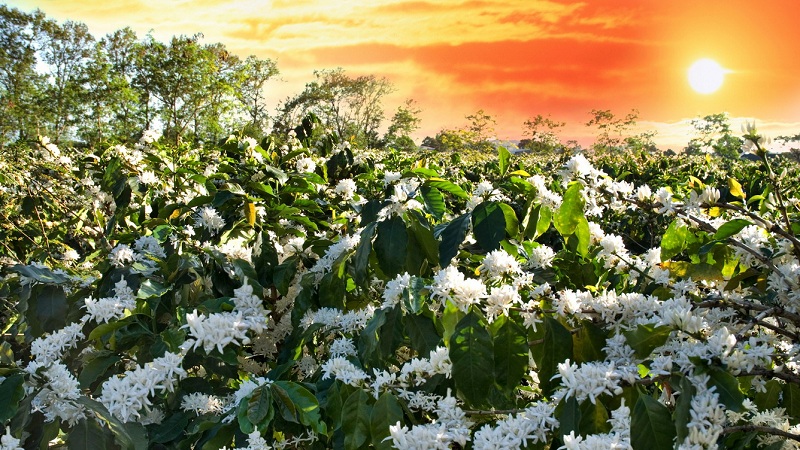
The coffee blossoms bloom, covering the hills in white.
If the Northwest region has the white bauhinia flower as its symbol, then the Central Highlands has the coffee flower, a famous specialty crop known for its Arabica and Robusta coffee varieties found in many parts of the world. Many tourists who come to this region first want to explore the coffee plants. Even better, visiting the Central Highlands in the spring allows tourists not only to see the coffee plants firsthand but also to admire the flowers. This is also the season when coffee blossoms blanket the hillsides in white, and visitors are captivated by the pure beauty of this special flower as they follow the trails. It seems that nature has bestowed upon each region its own unique beauty, creating a truly magnificent landscape.
Coffee blossoms have a sweet fragrance that attracts swarms of bees to collect nectar. From the pale green tips of the buds gradually revealing a dazzling white when they bloom, coffee flowers possess a gentle beauty that blends together to create a snow-white landscape reminiscent of Western landscapes. It is this flower that helps the Central Highlands adorn itself with a captivating white cloak each spring, a gentle white dress beckoning visitors.
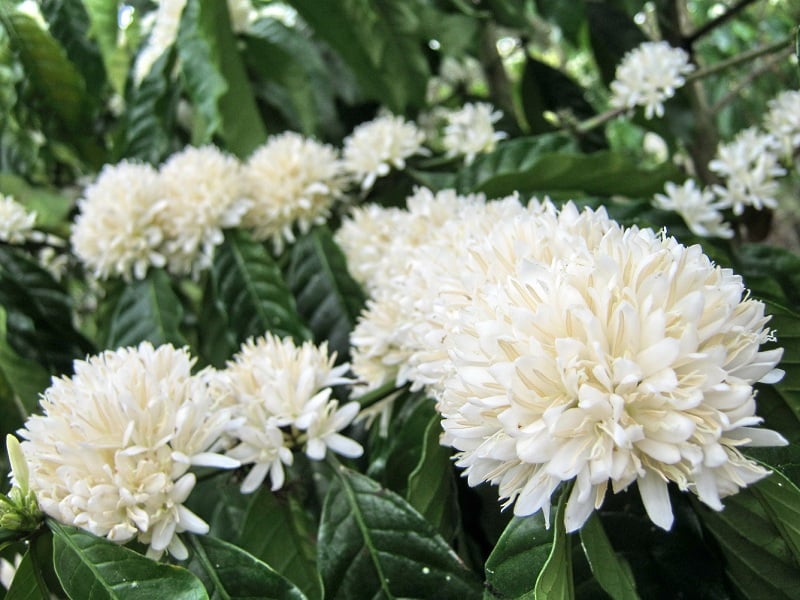
The coffee flowering season typically lasts from February to April, with two flowering periods, each lasting 7-10 days before the flowers quickly fade and the fruit begins to form. Therefore, tourists wishing to visit the Central Highlands during the peak coffee flowering season need to research carefully and plan their trip accordingly. Pleiku (Gia Lai) and Buon Ma Thuot (Daklak) are two cities with the largest coffee flower forests; visitors can also explore coffee forests in surrounding areas. In spring, the entire Central Highlands bursts into a striking white color against the backdrop of the basalt hills.

The sunshine, the wind, and the must-visit landmarks.
A must-see destination when visiting this land is Buon Don, home to the "little elephant of Buon Don," a familiar character from everyone's childhood. The Buon Don elephant became famous throughout the country after appearing in a children's song and is now a popular tourist destination with a special appeal to visitors from both the North and South.
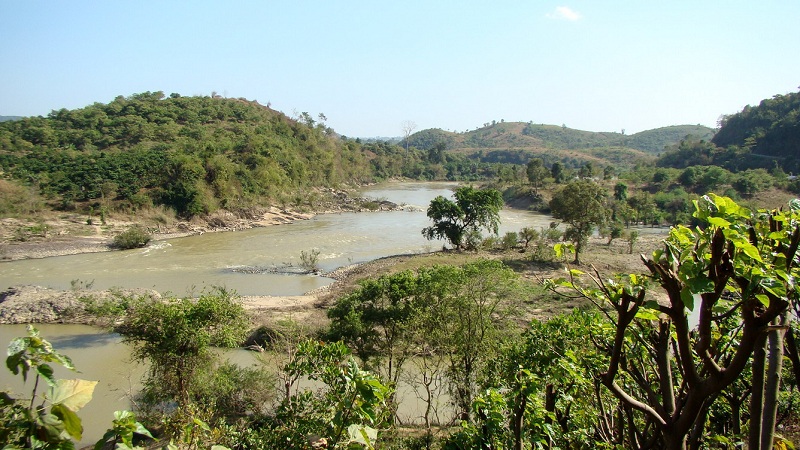
Buon Don is now more modern and beautiful, but it still retains its traditional charm. Visitors will have unforgettable experiences riding elephants to explore the villages and cross the legendary Serepok River. This is the largest river in Dak Lak province; unlike other rivers that flow downstream, the Serepok flows upstream, and the section passing through Buon Don flows horizontally. Exploring this epic river on the back of an elephant brings visitors a range of emotions – a little surprise, a little fear, a little excitement, mixed with the joy of conquering the majestic river and leaving an indelible impression.
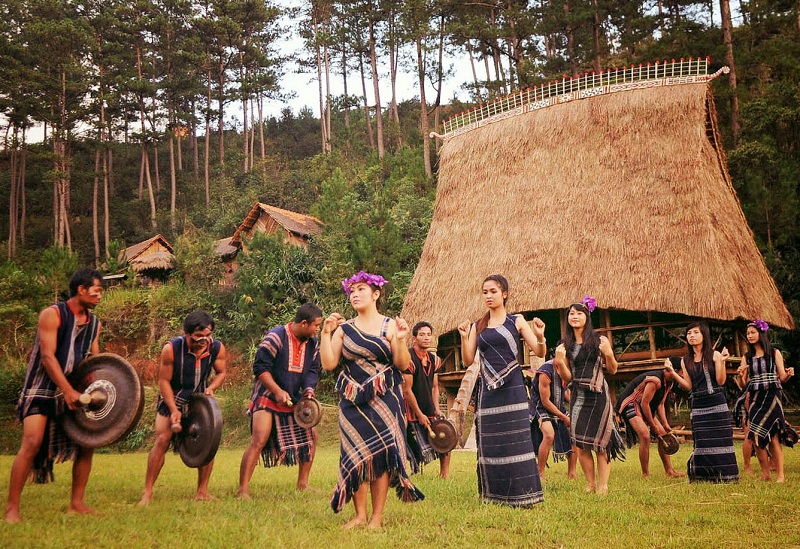
Around Buon Don, there are many interesting places for tourists to explore, such as the vine-covered trees and ancient trees leaning over the river with their beautiful long roots. Learning about the lives of the local people, their precious medicinal herbs, or their traditional costumes are also wonderful memories, and don't forget to enjoy a cup of coffee right in the village.
The winding uphill roads, lined with red basalt soil and pepper, coffee, or durian orchards, are also a very distinctive beauty of the land of the Chơ Rao birds and the Kơnia trees.
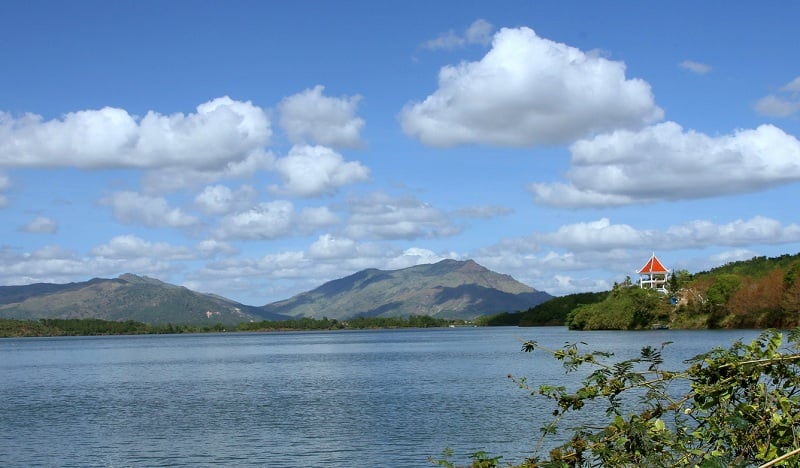
Leaving Dak Lak with a sense of regret due to lack of time, we boarded the bus to continue our journey to explore Gia Lai, home to "The Eyes of Pleiku, the Lake of Pleiku," a song that urged us to quickly visit the lake and meet the people of this legendary rubber plantation land. The lake is truly beautiful, with its emerald green water and picturesque scenery. Taking a boat ride along the lake, admiring the beautiful scenery, daily life, and the sight of people fishing for a living, visitors will feel the peaceful beauty of this place.
Exploring the rubber forests, the vibrant city of Peleiku, or chatting with the local villagers will leave visitors with unforgettable memories.