
 VI
VI


According to Booking.com's 2026 Travel Trends Forecast report, 92% of Vietnamese travelers are willing to book a wellness retreat that combines intensive beauty treatments (glowcations) with personalized, customized skincare regimens for holistic well-being.
With travelers increasingly seeking experiences that enhance physical health and self-care, beauty-focused tourism is becoming a key factor in destination choices. Below is a suggested list of outstanding destinations in Vietnam offering unique traditional beauty methods, natural restorative therapies, and advanced high-tech treatments, providing travelers with the opportunity to rejuvenate and revitalize themselves comprehensively, inside and out.
Nha Trang
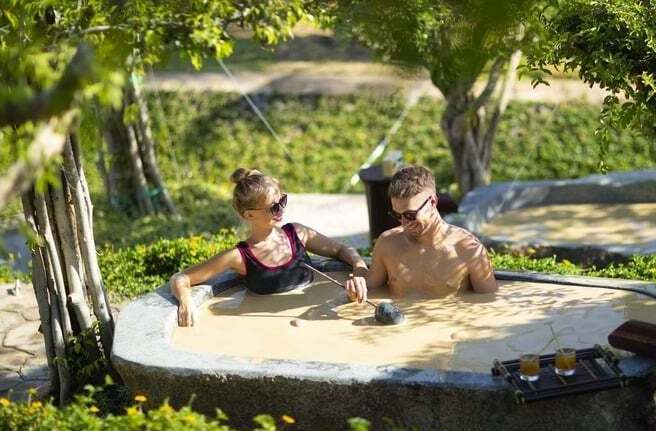
Nha Trang is a famous coastal city known for its white sandy beaches, marine protected areas, and mineral-rich mud baths and hot springs. Historically, mineral mud has been used as a natural exfoliant and cleanser in this region. Visitors can experience hot mineral mud baths combined with local ingredients such as lemongrass, ginger, and green tea.
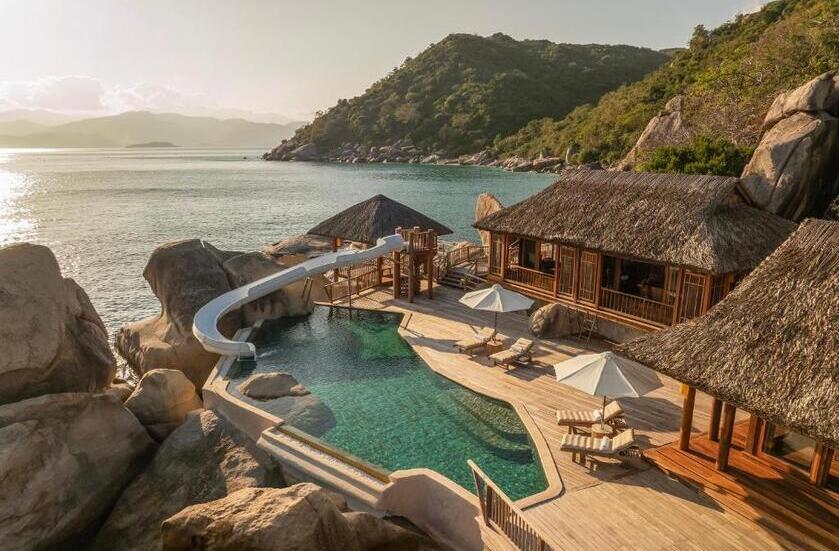
Besides healthcare services, Nha Trang is also attractive with its ancient Ponagar Tower complex, which has a history of over 1000 years, vibrant seafood markets, and Ba Ho Waterfall located near the city center.
Sapa
Nestled amidst the perpetually mist-shrouded Hoang Lien Son mountain range, Sa Pa is renowned for its lush green terraced rice fields and unique ethnic cultural identity. It is also the birthplace of the Red Dao people's herbal bath remedy – a health-care "ritual" using herbs passed down through generations.
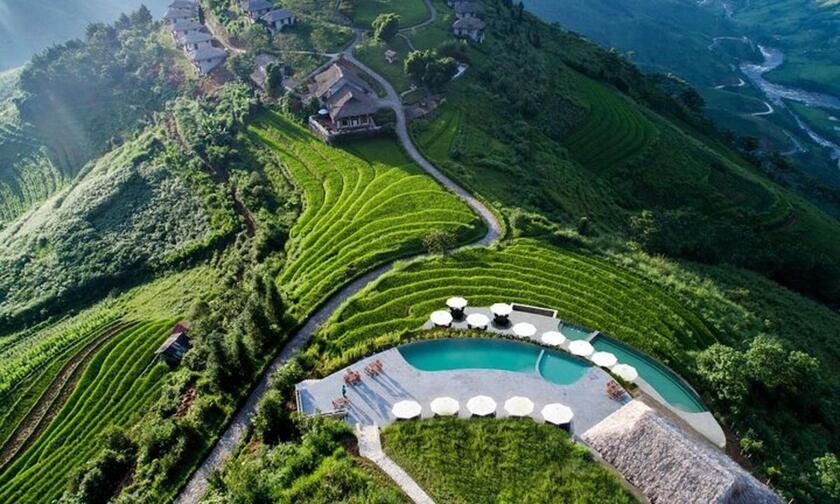
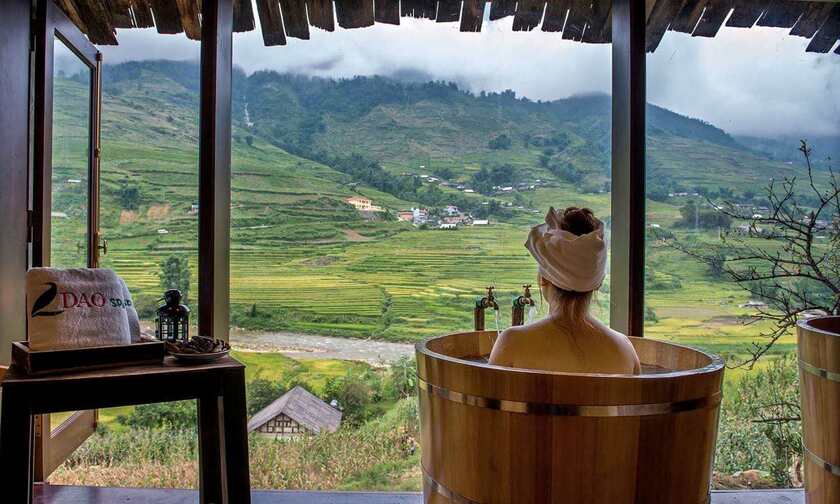
The women in this region personally go into the forest to gather more than 30 types of leaves, bark, and precious herbs to boil in steaming hot baths, rich in antioxidants, which help soothe tense muscles, improve blood circulation, and make the skin smoother.

During the day, visitors can trek through picturesque valleys and surrounding bamboo forests, before relaxing in a traditional wooden bath at the end of the day.
Hue
Nestled beside the romantic Perfume River, the ancient capital of Hue transports visitors back in time to the beauty practices of the royal court and healing therapies using natural hot springs. Historically, the concubines and beauties of the royal court used many elaborate remedies – such as powder made from natural white clay or hair washes made from soapberry and grapefruit peel – to maintain flawless skin and figures.
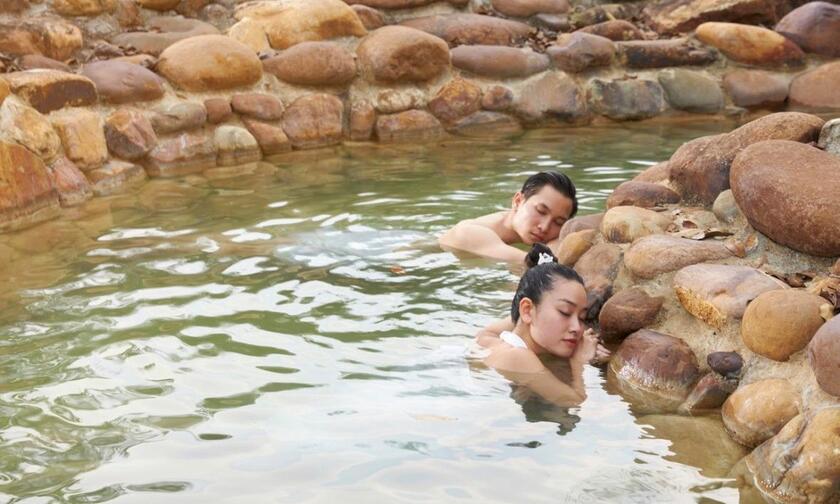
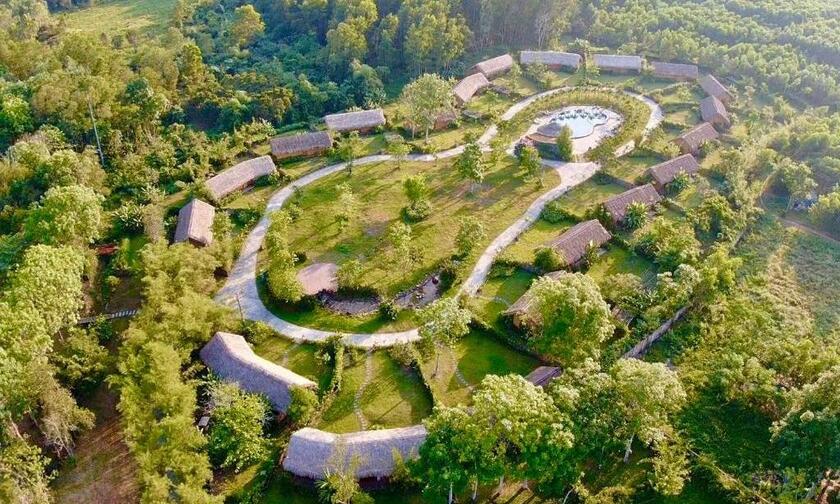
Today, visitors can experience mineral-rich hot springs extracted from the earth at the foot of the Truong Son mountain range. The high calcium and magnesium content in this water provides a natural therapeutic soak, helping to deeply cleanse and nourish the skin.
Phu Quoc
Phu Quoc Island, often referred to as the "Pearl Island," is increasingly becoming a popular choice for tourists thanks to its health and wellness services that utilize marine resources and its high-class resort system. The island is famous for its premium pearl powder – a traditional Asian skincare ingredient highly valued for its skin-brightening and anti-aging properties.
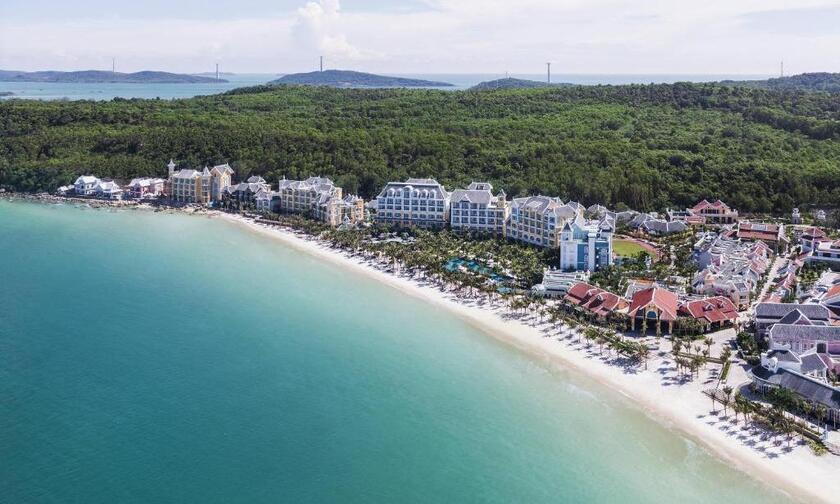
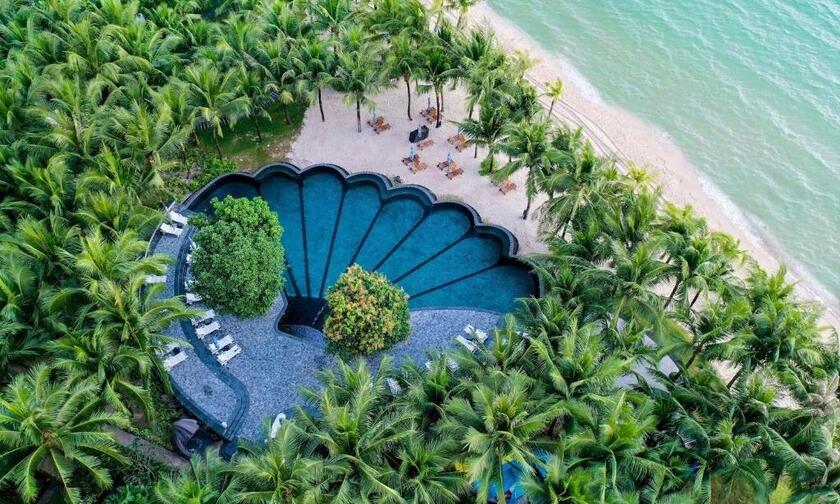
Visitors can experience intensive treatments using these unique local ingredients, combined with deep-sea mineral skin care treatments or sand therapy.
In addition to healthcare centers, Phu Quoc offers a wealth of enriching experiences such as trekking in the national park, visiting traditional pepper farms, or enjoying local cuisine at bustling night markets.
Hoi An
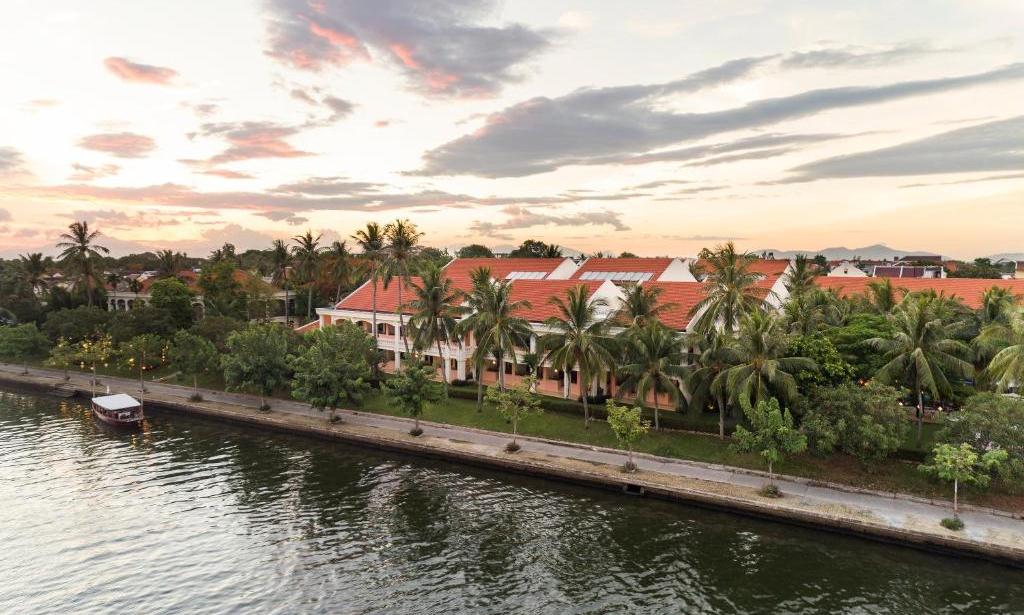
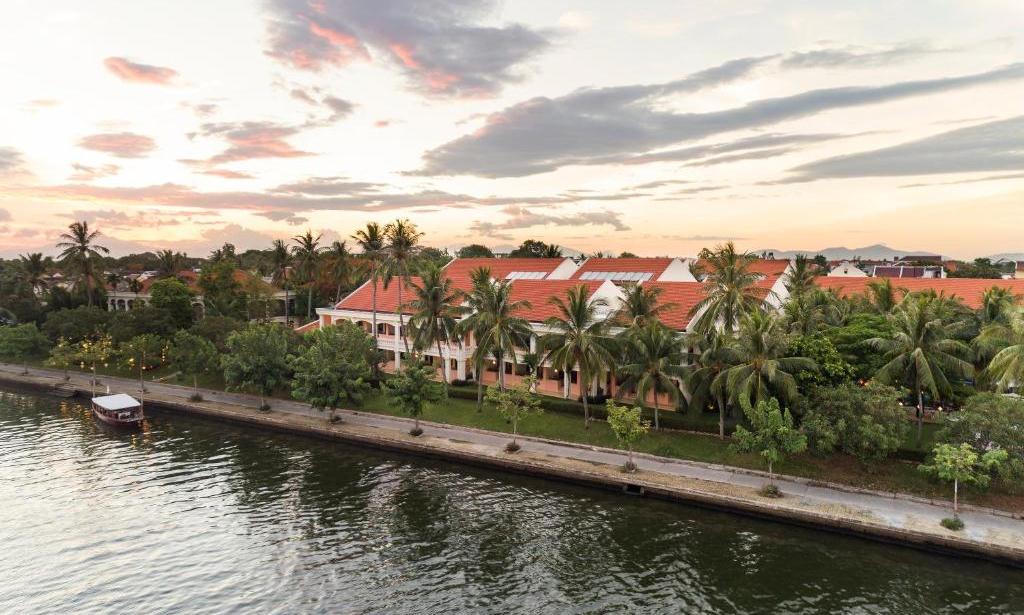
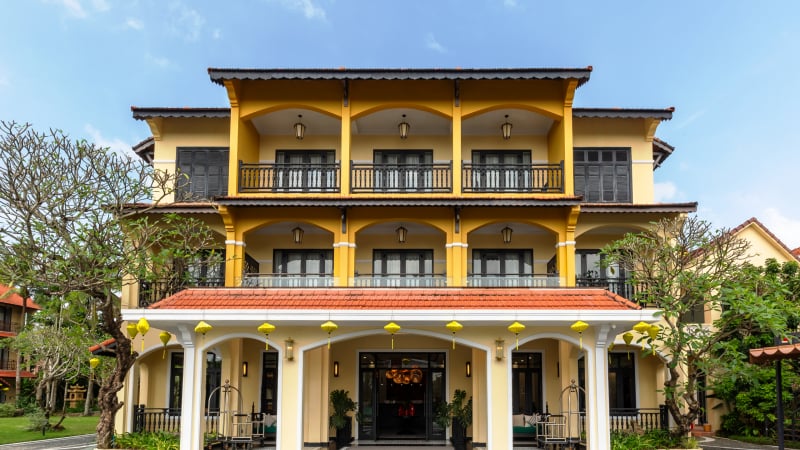
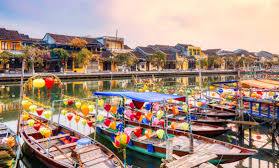
Not far from the center of Da Nang city, Hoi An ancient town - a UNESCO World Heritage Site - possesses a charming character with its yellow old houses, winding canals, and shimmering paper lanterns.
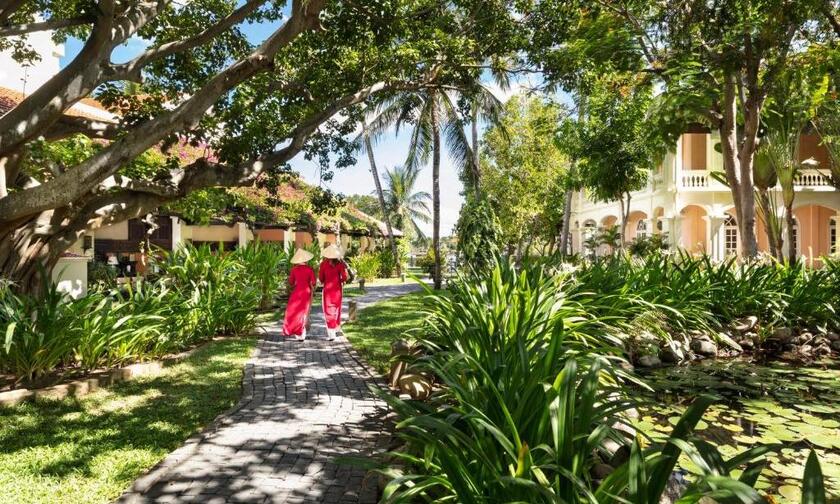
Beyond its cultural significance, Hoi An is also a destination for health and wellness treatments based on traditional Vietnamese medicine. Spa treatments here follow the philosophy of "applying the entire garden to your skin," using local ingredients such as hand-crushed fresh ginger, turmeric, and mulberry leaves to warm, balance, and restore the body.
While here, visitors can spend time cycling through the organic vegetable gardens in Tra Que vegetable village, or taking a boat ride down the picturesque Thu Bon River.












